Can Epoxy Resin Sheet Replace Traditional Insulation Boards?
2026-08-13 17:27:32
Can an Epoxy Resin Sheet truly replace traditional insulation boards in demanding industrial applications? The short answer is: it depends on your specific requirements. Epoxy resin sheets excel in electrical insulation, mechanical strength, and dimensional stability, making them superior alternatives for precision applications like PCB substrates, switchgear components, and automotive fixtures. However, traditional materials like mineral wool and foam boards still dominate in bulk thermal insulation where cost per square foot matters most. This article evaluates both materials across critical performance metrics to help procurement managers make informed, application-specific decisions.
Introduction
Insulation boards are essential for keeping electrical systems safe and controlling heat in a wide range of fields, from power distribution to consumer electronics. In the last ten years, epoxy-based composite materials have become strong competitors to traditional shielding materials. Traditional boards like fibreglass, phenolic foam, and mineral wool have been used successfully in many industries for decades. However, Epoxy Resin Sheet laminates' unique qualities make them very useful in certain settings.
We've been making insulation materials for more than 20 years, and the change in how people buy things is clear to us. Now, engineering managers have to make a big decision: should they spend money on Epoxy Resin Sheet technology or stick with tried-and-true boards? This evaluation gives you a fair look at things based on real-life performance data, which helps you match the choice of materials with your practical goals.
Understanding Epoxy Resin Sheets and Traditional Insulation Boards
What Makes Epoxy Resin Sheets Unique
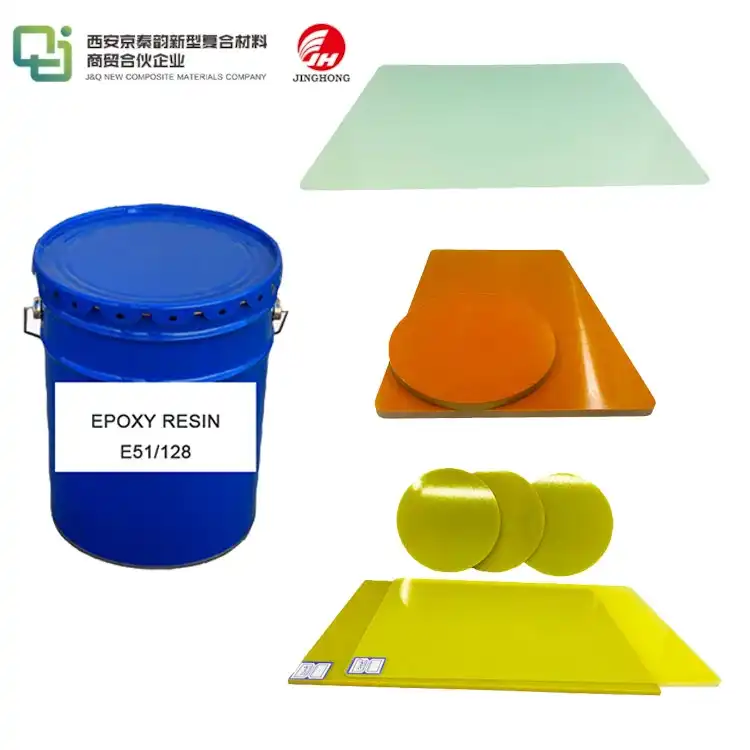
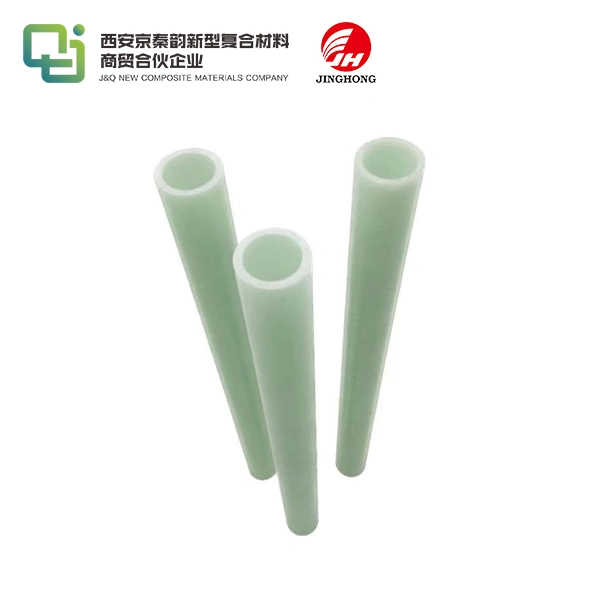
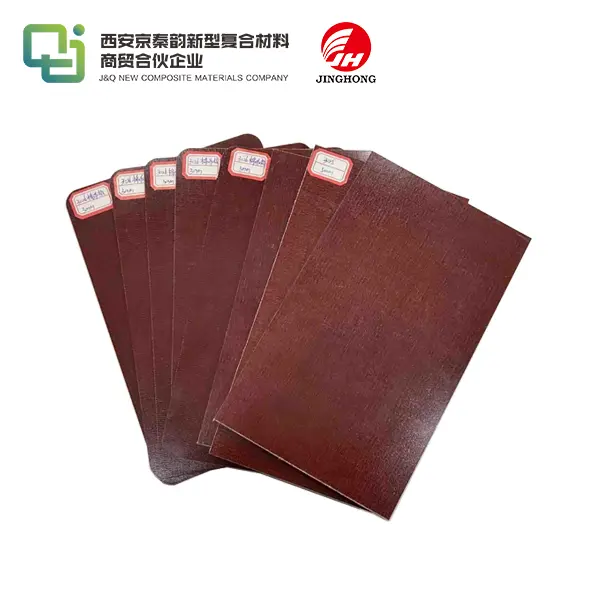
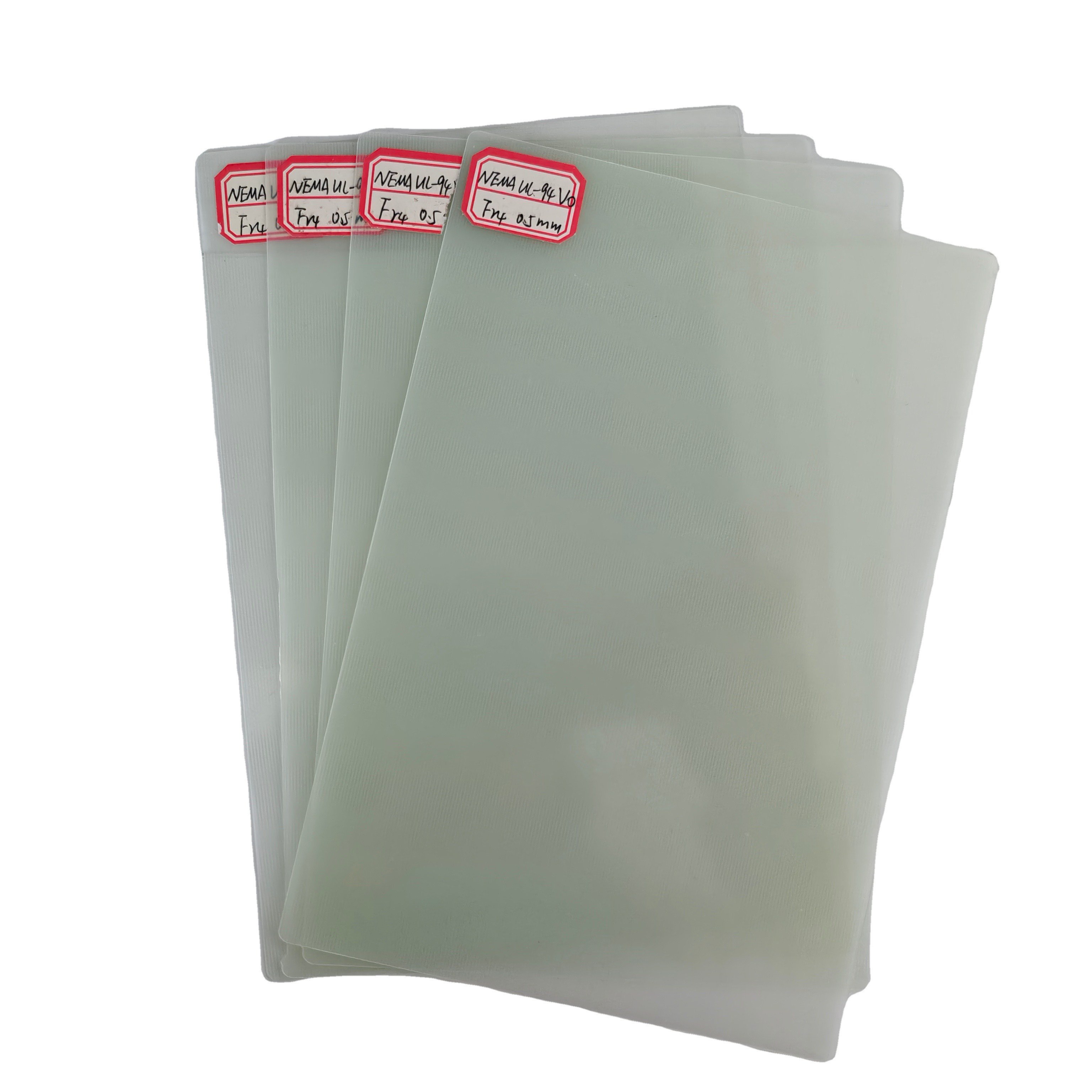
Epoxy Resin Sheets are made of woven fibreglass cloth that has been filled with thermosetting epoxy polymers and then hardened under controlled heat and pressure. This way of making things makes a thick, void-free material that is very stable in its dimensions. The most well-known type is FR4, which has UL94 V-0 grades for flammability and uses flame retardants based on bromine. 3240 is another common grade. It is made of bisphenol-A epoxy resins bonded to E-glass fabric, which gives it great dielectric properties up to 155°C continuous operating temperature.
Molecular cross-linking happens during the hardening process, which is what makes these sheets stiff and not likely to bend under long-term loads. Thermoplastic materials get soft at high temperatures, but thermoset epoxy laminates keep their shape over a wide range of temperatures. This behaviour is very important in situations where exact measurements must be kept, like motor slot wedges or high-voltage bushings.
Traditional Insulation Board Characteristics
Traditional insulation boards are made from a lot of different types of materials. With melting points above 1000°C, mineral wool boards are very resistant to fire, so they are required by building codes. The heat conductivity of phenolic foam boards is very low, at about 0.020 W/mK. This makes them perfect for cold storage centers. Fibreglass boards are widely used in HVAC ducts and industrial equipment enclosures because they are cheap and good at keeping heat in.
When it comes to these materials, bulk insulation efficiency is more important than mechanical qualities. Their cellular or fibrous structures keep air pockets inside, which slows down heat transfer through convection. However, this structure limits their ability to hold weight and leaves them open to water absorption, which lowers their heat performance and helps microbes grow in damp places.
Key Industrial Insulation Criteria
When choosing insulation materials, you have to look at a lot of efficiency factors at once. Thermal resistance is a measure of how much heat flow is blocked. It is given as an R-value per inch of diameter. Fire safety includes things like how hard something is to light, how fast a flame can spread, and how much smoke it makes. Compressive strength, tensile modulus, and impact resistance are all parts of mechanical robustness. Environmental longevity looks at how well something can fight chemicals, UV light, and soaking up water. When you need dielectric isolation, the breakdown voltage and surface resistivity are the electrical properties that matter.
Comparative Analysis: Epoxy Resin Sheets vs Traditional Insulation Boards
Thermal Performance Under Load
When looking at how well different types of insulation keep heat in, traditional boards still have an edge when it comes to pure thermal resistance per unit thickness. Polyisocyanurate foam has an R-value of 6.5 per inch, while mineral wool boards have an R-value of about 4.0 per inch. Epoxy Resin Sheet laminates have R-values of about 1.2 to 1.8 per inch, which means they are not very good at keeping heat in.
When mechanical loads are applied and temperatures are high, the important difference becomes clear. When traditional foam boards are squeezed, they lose a lot of their thermal insulating value. At pressures that are normal in structural systems, they can lose up to 40% of their value. Epoxy Resin Sheets have stable thermal qualities no matter how much they are compressed. This makes them reliable in situations where slightly better static thermal performance can't be traded off for physical stability under load.
Mechanical Strength and Lifecycle Durability
The flexural strength of Epoxy Resin Sheet laminates is between 380 and 520 MPa, which is much higher than that of traditional boards. Most phenolic foam boards can only handle 200 to 300 kPa of compression stress before they permanently change shape. This difference in strength is very important in machinery uses that need precisely machined insulators that can handle vibrations, changes in temperature, and mechanical loads without breaking or cracking.
Lifecycle testing shows that FR4 Epoxy Resin Sheets keep more than 90% of their mechanical qualities after 5,000 temperature cycles between -40°C and 130°C. Cellular insulation materials can't do this. In harsh working conditions, traditional boards need to be replaced every three to five years because they become weaker over time, delaminate at the edges, and change size. Epoxy Resin Sheet laminates last longer than other materials, which means less upkeep costs and more downtime for your equipment.
Environmental Resistance and Installation Considerations
Many standard boards are very weak because they can't handle moisture. Mineral wool can soak up as much as 5% of its own weight in water, which makes it 40–60% less thermally efficient. Epoxy Resin Sheet laminates don't absorb more than 0.1% of their weight in water, so their electrical and thermal properties stay the same even in damp places like coastal facilities or outdoor switchgear installations.
In large-area applications, traditional boards are better because they are easier to install. Cutting and fitting foam or fibreglass boards only needs simple hand tools, so general builders can get the job done quickly. Because the glass reinforcement is rough, machining Epoxy Resin Sheets needs carbide or diamond tools, which raises the cost of production. But the same hardness makes it possible for precise CNC cutting to within ±0.05mm, which is very important for special electrical parts where the accuracy of the dimensions directly affects how well they work.
Application Scenarios: When and Why to Choose Epoxy Resin Sheets
Electrical Insulation and High-Voltage Applications
The best place for Epoxy Resin Sheet laminates to be used is in power distribution equipment. Because they have a dielectric strength of over 20 kV/mm, these materials are used by transformer makers for coil separators and arc barriers. The material's reluctance to tracking—the formation of conductive carbon paths under long-term electrical stress—keeps equipment rated above 5 kV from failing in terrible ways.
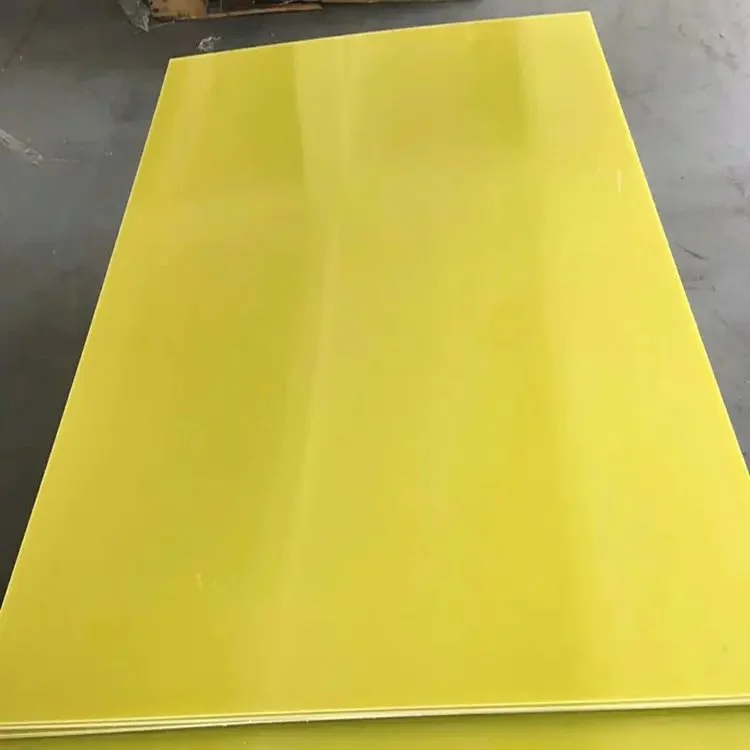
The most FR4 Epoxy Resin Sheets are used to make circuit boards than any other use. During PCB assembly, the material can handle multiple soldering thermal cycles without warping or delaminating, keeping the exact copper trace spacing that is needed for signal integrity. High-Tg versions with glass transition temperatures above 170°C allow layered boards to be used in engine control units for cars and electronics in spacecraft, where temperatures regularly go above 125°C.
Industrial Machinery Components
Most standard insulation choices can't be used by machinery builders because of problems with wear and dimensional stability. Epoxy phenolic sheets are structural insulators that keep electricity from getting to the rotor windings and support them mechanically. Their low coefficient of thermal expansion keeps interference fits from coming loose when temperatures change, which is important for keeping alignment tolerances that are needed for low-vibration operation.
Customised gears, bushings, and wear plates made from Epoxy Resin Sheet laminates can lubricate themselves and keep electricity from flowing through them at the same time. These materials are used a lot in battery pack assembly jigs for automotive test fixtures. They have to be able to handle repeated mechanical loading while also keeping cell terminals from shorting out during automated assembly processes.
Limitations and Material Comparisons
The main thing that keeps more people from using Epoxy Resin Sheets is their cost. The cost of materials is three to five times higher per square foot than the cost of the same amount of phenolic foam. This price difference makes it impossible for projects that need to insulate hundreds of square meters, unless the application needs Epoxy Resin Sheet's better mechanical or electrical properties.
Some uses are limited by the supply of thickness. Standard Epoxy Resin Sheets are between 0.5 mm and 100 mm thick, and after 50 mm, they become harder to find and cost more. For tough thermal insulation situations, traditional boards can easily handle thicknesses of more than 150 mm. When choosing a different material, it's important to think about whether the application needs bulk heat resistance or the structural stability and electrical performance that make Epoxy Resin Sheet worth the higher cost.
Procurement Insights: Buying and Customizing Epoxy Resin Sheets for Insulation
Supplier Selection and Quality Verification
To find trustworthy makers, you need to look closely at their certifications and production abilities. UL approval for ratings on flammability, ROHS compliance for electronics uses, and ISO 9001 quality systems are the minimum standards that must be met. More advanced suppliers keep records of their statistical process controls that show thickness tolerances of within ±5% and consistent dielectric properties across production batches.
Geographic sourcing trends show that most of the specialised producers are located in places where the electronics industry is well-established. Before agreeing to large orders, buyers should ask for physical examples to make sure that important qualities like flexural strength and dielectric breakdown voltage are correct. Third-party testing finds materials that aren't up to par, like those that use bad plastics or glass fabric weights that aren't uniform. This stops expensive quality problems from happening during production.
Customization Options and Bulk Ordering
When you buy in bulk, you can get big savings on costs and more ways to customise your purchases. For normal sizes, the minimum order quantity is usually around 100 sheets. As the quantity of sheets ordered rises, the cost per unit falls by 20 to 30 percent. When production runs over 5,000 square meters per year, it becomes cost-effective to use custom sizes, specific colours for easy identification, and unique Epoxy Resin Sheet formulae.
Lead times vary a lot depending on how complicated the customisation is. Within two to three weeks, standard FR4 grades in typical widths are shipped. Custom formulations that need specific Tg grades or halogen-free flame retardants make lead times 6 to 8 weeks longer, so just-in-time production operations need to carefully plan their supplies. Setting up framework agreements with qualified suppliers reduces disruptions in the supply chain and ensures better pricing and faster distribution during shortages in the market.
Making the Decision: Is Epoxy Resin Sheet the Right Insulation Material for Your Business?
Industry-Specific Suitability Assessment
When electrical performance supports higher prices, electronics manufacturers get the most out of Epoxy Resin Sheet laminates. PCB fabricators, switchgear assemblers, and motor manufacturers all say that the properties of a material make it impossible for other materials to work with their products. In these areas, the decision-making process changes a lot: Epoxy Resin Sheets go from being expensive options to being necessary building blocks.
Epoxy Resin Sheets are usually not worth the money when they are used for building construction or bulk thermal insulation. When you look at thermal resistance per dollar spent, mineral wool and foam boards are the most cost-effective options. In the middle are automotive and industrial machinery uses, where the best material is chosen by analysing each component individually based on its mechanical loads, temperature exposure, and electricity needs.
Long-Term ROI Considerations
Total cost of ownership analysis shows situations where paying more for the Epoxy Resin Sheet at the start ends up saving money in the long run. Epoxy Resin Sheet's long service life helps equipment whose shielding fails often because of mechanical wear or damage from the environment. In three to five years of continued operation, the savings from not having to pay for maintenance often outweigh the higher cost of the materials.
Dimensional stability and machinability make things more productive and increase return on investment (ROI) in precision manufacturing settings. Epoxy Resin Sheet's low thermal expansion makes it possible to have tighter tolerances, which lowers the amount of scrap in automated assembly lines. Improving electrical dependability cuts down on unplanned downtime, which leads to measured output gains that support spending money on better insulation materials.
Conclusion
Epoxy Resin Sheets can't completely replace traditional insulation boards, but they are a game-changer in situations where strength, electrical properties, and accuracy of measurements are important. Making electronics, distributing power, and making precise machine parts are all great examples of situations where the extra cost is worth it because of the material's capabilities. For bulk thermal insulation in building and HVAC uses that need to save money, traditional boards are still the best choice. Instead of looking for one-size-fits-all solutions, procurement choices should be based on how well the qualities of a material match the needs of a particular application. Even though they cost more at first, Epoxy Resin Sheet laminates offer appealing total cost of ownership benefits for industries that need long service life, minimal upkeep, and reliable performance under combined thermal, mechanical, and electrical stress.
FAQ
How do epoxy resin sheets compare to acrylic in insulation applications?
When compared to acrylic sheets, Epoxy Resin Sheet laminates can handle much higher temperatures and have much higher dynamic strength. Acrylic softens around 90°C, which means it can't be used in heat-generating equipment. Epoxy Resin Sheet, on the other hand, stays strong above 150°C. Epoxy Resin Sheet is also a better electrical insulator than acrylic because its dielectric strength is about three times higher. If you don't need Epoxy Resin Sheet's heat and electrical performance, acrylic is a better choice because it is clearer and costs less.
What are the best ways to cut for making things on-site?
Fine-toothed blades on carbide-tipped circle saws keep the edges from breaking when making straight cuts. For complicated shapes that need to be cut to very close tolerances, water jet cutting gets rid of heat-affected zones. To keep the glass fibre from pulling out during drilling, feed rates must be slow and coolant must be applied often. All machining creates dangerous dust, so it's important to have the right respiratory protection and dust disposal methods in place during manufacturing.
Can these sheets withstand outdoor weathering?
After being in the sun for a long time, standard Epoxy Resin Sheet laminates lose some of their power and get discoloured on the outside. For outdoor uses that last longer than two to three years, you need UV-stabilized formulas or protective coats. Moisture resistance stays high, and properties don't change much when humidity levels change. Within the rated operating range, temperature extremes don't cause much of a problem for the material, which means that properly specified Epoxy Resin Sheets can be used for outdoor electrical enclosures and transportation.
Partner with J&Q for Your Epoxy Resin Sheet Requirements
With more than 20 years of experience making things and 10 years of specialised export knowledge, J&Q is ready to help you make the switch to high-performance insulation options. We have a huge selection of FR4 boards, 3240 epoxy boards, and custom-formulated laminates that meet UL, ROHS, and any other industry-specific standards your projects need. As a reputable Epoxy Resin Sheet supplier, we keep close ties with the purchasing departments of top electronics, machinery, and power equipment companies all over North America. These departments are very careful to work with suppliers who care about quality.
Our integrated logistics capabilities get rid of the problems that come up with coordination that are common in international purchasing. Requests for samples are sent out within 48 hours, so your research teams have time to check the material specs before agreeing to large orders. Your specific workflow needs can be met by volume price structures and flexible customisation choices, ranging from precision-cut blanks to CNC-machined finished parts. Email our technical sales team at info@jhd-material.com to talk about your unique insulation problems and get material suggestions based on test results and help from application engineers. Visit jhd-material.com to see our full catalogue of products and learn how our decades of experience with materials can help your product work better.
References
1. Harper, C.A. (2006). Electronic Materials and Processes Handbook, Third Edition. McGraw-Hill Professional.
2. Lubin, G. & Peters, S.T. (1998). Handbook of Composites, Second Edition. Chapman & Hall.
3. IPC-4101 Specification for Base Materials for Rigid and Multilayer Printed Boards (2020). IPC International.
4. NEMA LI 1-1998 (R2019). Industrial Laminated Thermosetting Products. National Electrical Manufacturers Association.
5. Ehrenstein, G.W. (2006). Polymeric Materials: Structure, Properties, Applications. Carl Hanser Verlag.
6. Brydson, J.A. (1999). Plastics Materials, Seventh Edition. Butterworth-Heinemann.