Why Choose Epoxy Sheet for Battery Pack Insulation Applications?
2026-08-14 17:27:40
When designing battery packs for electric vehicles, grid-scale energy storage, or aerospace applications, selecting the right insulation material directly impacts safety, longevity, and performance. Epoxy Sheet for Battery Pack applications stands out as a premier choice because it delivers exceptional dielectric strength, superior thermal stability, and robust mechanical properties that address critical challenges like thermal runaway propagation and voltage isolation. Unlike conventional plastic insulators, epoxy sheets—particularly NEMA grades FR-4 and G-10—combine fire-retardant characteristics with dimensional stability under extreme temperature fluctuations, making them indispensable for protecting lithium-ion battery modules in demanding industrial environments.
Understanding Epoxy Sheet and Its Role in Battery Pack Insulation
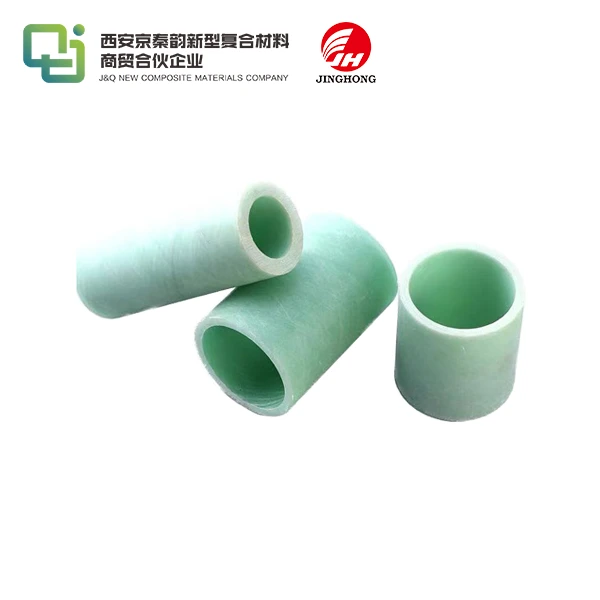
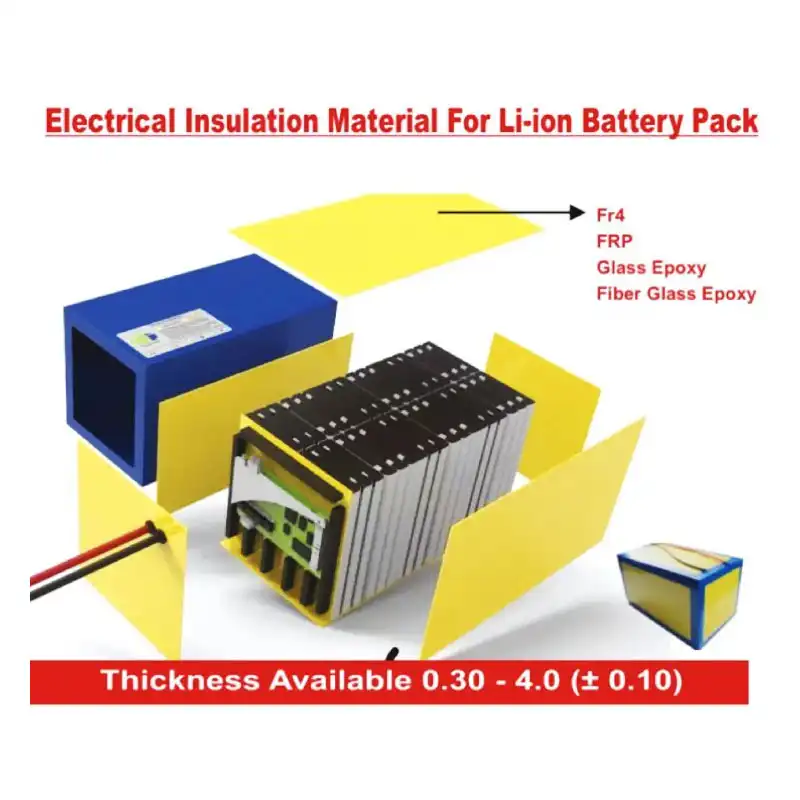
Epoxy Sheets for Battery Packs are man-made composite materials made of epoxy resin and reinforced woven glass fabric cloth. This mix makes a layered structure that is great at keeping electricity from flowing, which is exactly what makers of battery packs need when they are working with high-voltage systems. The glass fiber reinforcement keeps the structure strong, and the epoxy resin matrix makes it stick well and resist chemicals.
Composition and Manufacturing Process
During the production process, layers of fiberglass cloth are saturated with thermosetting epoxy resin. This is then heated and cured under controlled pressure. This makes a hard laminate whose qualities stay the same all the way through its thickness. With different resin mixes and glass weave designs, makers can change characteristics like flame resistance, thermal conductivity, and mechanical strength to meet the needs of each battery pack.
Why Battery Packs Require Specialized Insulation
During charging and discharging processes, battery cells produce large amounts of electricity. If there isn't enough shielding between the cells, busbars, and housing parts, short circuits can cause thermal runaway, which is when one overheated cell sets off fires in nearby cells. Epoxy laminates act as barriers that stop this path of propagation while still supporting the structure of cell arrays. Their consistent dielectric properties make sure that voltage isolation works well, even after being exposed to temperature changes and vibrations for a long time.
Industry Standards and Compliance
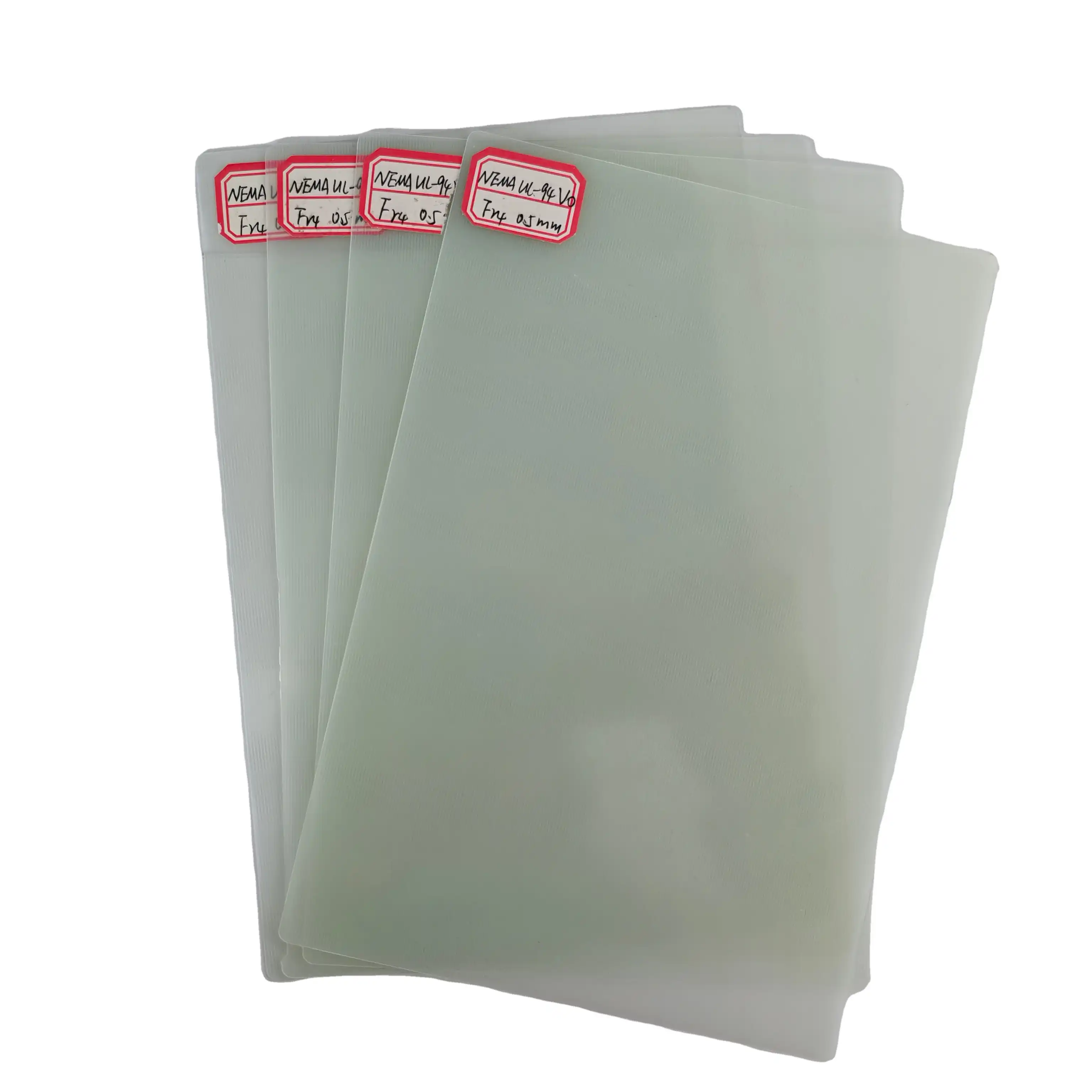
High-quality Epoxy Sheet for Battery Pack materials follow important safety requirements, including UL 94 flammability ratings such as V-0, RoHS restrictions on hazardous substances, and REACH compliance. These certifications for Epoxy Sheet for Battery Pack products are essential for purchasing managers and engineering teams that need to verify material safety according to industry standards, including automotive requirements such as SAE J2380 and other demanding applications. Reliable suppliers of Epoxy Sheet for Battery Pack provide complete documentation for each production batch, including flame spread ratings, smoke density test results, and certificates of conformity. By choosing certified Epoxy Sheet for Battery Pack materials with verified quality records, manufacturers can ensure safer battery designs, meet regulatory expectations, and maintain consistent performance in demanding operating environments. The compliance and reliability of Epoxy Sheet for Battery Pack make it a preferred solution for advanced battery protection applications.
Key Performance Features of Epoxy Sheets for Battery Packs
Epoxy laminates were chosen over other insulation materials because they have a number of unique performance characteristics that directly address engineering challenges in battery packs.
Exceptional Electrical Insulation Capabilities
In battery applications where individual cells work at high potentials, dielectric strength—the voltage gradient a material can handle before it breaks down electrically—is very important. FR-4 Epoxy Sheets for Battery Packs usually have a dielectric strength of more than 20 kV/mm, which protects against voltage spikes that happen when the battery is charging quickly or when there is a fault. This feature stays the same at temperatures ranging from -40°C to 130°C, so it provides consistent protection despite changes in the seasons and the production of heat.
Superior Thermal and Chemical Resistance
Lithium salts in organic liquids that are found in battery solutions are very bad for many plastics. Epoxy resin chemistry creates cross-linked molecular networks that don't break down when exposed to these chemicals. This keeps the battery's size or properties from changing over time. During fast charging, cell surfaces can get hotter than 80°C, so thermal resistance is also very important. G-10 grade epoxy keeps its mechanical properties at temperatures up to 155°C when used continuously. Glass transition temperatures around 170°C protect against sudden changes in temperature.
Mechanical Durability Under Stress
When used in cars, battery packs are constantly vibrating, and when cells expand during charge cycles, they put mechanical stress on the packs. The reinforced structure of epoxy laminates evenly spreads these pressures, stopping cracks from spreading that could damage the insulation. Most flexural strengths are higher than 400 MPa, which means that thin sheets can be stretched between mounting points without deflecting. This mechanical strength also makes it easier to use CNC machining to cut complicated shapes for custom battery skeletons and attaching mounts without the edges fraying or delaminating.
These performance attributes work synergistically to extend battery pack lifespan while reducing warranty claims related to electrical failures. Automotive tier-1 suppliers have shown that epoxy insulation that is properly specified can endure over 3,000 thermal cycles without measurable degradation in dielectric properties.
Comparing Epoxy Sheets with Other Battery Pack Insulation Materials
When choosing a material, you have to weigh the pros and cons of performance, cost, and compatibility with other materials. Epoxy Sheets for Battery Packs are a good compromise because they meet most of the needs of battery packs without the high costs of more exotic materials.
Epoxy Versus Fiberglass Sheets
Pure fiberglass sheets that don't have any epoxy resin binders in them are stronger mechanically, but they don't have the right consistency of electrical insulation for battery uses. In epoxy laminates, the resin matrix covers the weave pattern, making it impossible for moisture to get in and make electrical paths. Chemical protection is another reason why epoxy composites are better when they might be exposed to battery fluids, which can damage cells.
Epoxy Versus Polyimide Films
Kapton and other polyimide films are very good at withstanding temperatures up to 260°C and are very flexible, making them perfect for wrapping odd shapes. But their very thin profiles (usually 25–125 microns) don't give much mechanical safety, and you need more than one layer to get the same dielectric strength. The price per unit area of polyimide is much higher—often three to five times the price of Epoxy Sheet for Battery Pack products. This means that it is only economically viable for specific aerospace uses where the performance at high temperatures supports the higher cost.
Epoxy Versus Ceramic Insulation Boards
Ceramic-filled composites and mica-based boards work well in settings with very high temperatures above 200°C, but they are flimsy, which makes them harder to put together and raises the risk of breaking during installation. Their high density also makes them heavier, which is not okay for transportation uses where every gram affects range. Epoxy laminates keep their shape and don't break easily when they get hit, and they can handle enough heat for lithium-ion battery operating ranges.
When procurement teams have to balance performance needs with limited budgets, they regularly find that FR-4 and G-10 epoxy grades meet safety standards without defining too many material properties. This optimization has a direct effect on how competitive a product is in places where price is important, like home goods and consumer gadgets.
Procurement Guide for Epoxy Sheets in Battery Pack Manufacturing
Aside from the properties of the materials themselves, sourcing decisions also include the skills of the suppliers, the reliability of the supply chain, and the quality systems they use. All of these things have a direct effect on the quality and continuity of production.
Evaluating Supplier Credentials and Certifications
Suppliers that are qualified keep ISO 9001 quality management systems in place. These systems include written process controls for resin formulation, lamination parameters, and dimensional tolerances. For each production lot, look for sellers who give you material test results that show the dielectric breakdown voltage, flame spread index, and moisture absorption percentages. Products going to be sold in other countries must have certifications that they follow RoHS rules and REACH chemical limits.
Understanding Pricing Structures and Order Quantities
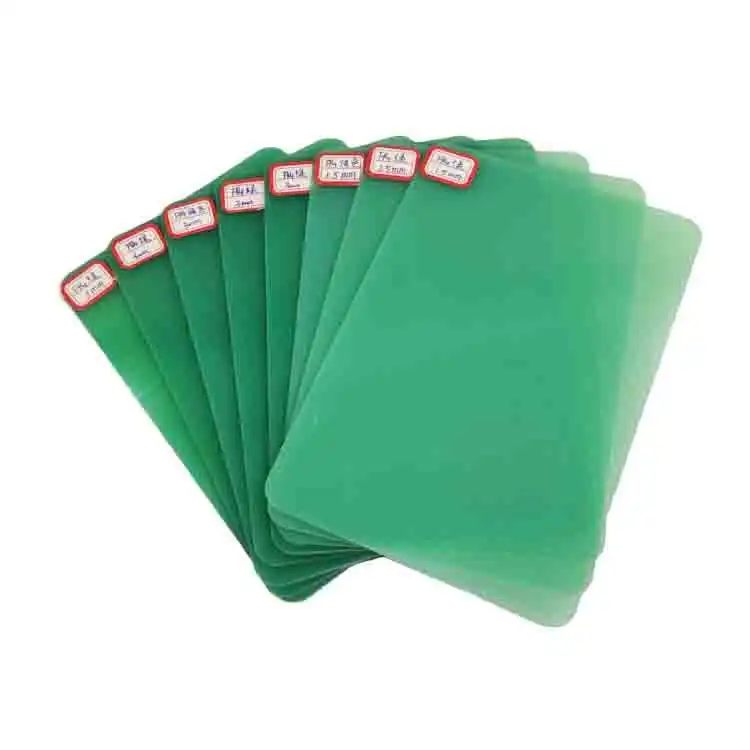
The price of Epoxy Sheets for Battery Packs depends on their thickness, grade, and the number of sheets that are ordered. For making a lot of batteries, standard FR-4 types in popular thicknesses (0.5mm to 3.0mm) are usually the best deal. Custom versions with better thermal conductivity or special flame retardants cost more, but they may be worth it for uses that need to meet strict safety standards. Minimum order quantities vary a lot. Well-known suppliers will often let you order sample quantities to make sure the prototype works before committing to production volumes.
Lead Times and Inventory Management
From major suppliers, standard-grade Epoxy Sheet for Battery Pack products usually have a shipping time of two to three weeks, while customized Epoxy Sheet for Battery Pack specifications may require six to eight weeks for formulation, production, and quality verification. Battery manufacturers using just-in-time production systems should establish long-term supply agreements with reliable suppliers and secure committed inventory allocations to reduce the risks of material shortages. The excellent dimensional stability of Epoxy Sheet for Battery Pack materials allows them to be stored for extended periods without significant performance degradation. Unlike moisture-sensitive materials that require climate-controlled storage conditions, Epoxy Sheet for Battery Pack provides easier inventory management and reliable protection for battery manufacturing operations. With stable supply availability and strong material durability, Epoxy Sheet for Battery Pack helps manufacturers maintain consistent production schedules and achieve long-term operational efficiency.
Customization Capabilities and Technical Support
Suppliers who are good at what they do offer more than just standard sheet goods. For example, they can precisely cut to net shapes, CNC route complex contours, and drill mounting holes. These services lower the costs of making things further down the line and make sure that the sizes are always the same. When Epoxy Sheets for Battery Packs are glued to battery housings, technical support teams should help with temperature modeling, dielectric property calculations, and choosing the right adhesive.
By working together to solve problems, building relationships with suppliers who know how hard it is to put together battery packs gives you a competitive edge. Experienced sellers can suggest grade-level replacements for materials that keep up performance while cutting costs, or they can suggest ways to process materials that reduce the amount of scrap that is made.
Best Practices for Applying Epoxy Sheets in Battery Pack Assembly
The material's performance in real life depends a lot on how well it is installed so that the insulation properties and mechanical integrity of the battery are maintained throughout its life.
Surface Preparation and Cleaning
Oils, dust, or release agents are some of the things that can make glue bonds less strong or make conductive paths through insulation surfaces. Before installing, use isopropyl alcohol and lint-free wipes to clean the surfaces of the Epoxy Sheets for Battery Packs. Do not use rough cleaning products on surfaces because they can scratch them and make stress points. Light sanding with 320-grit paper helps mechanical interlocking without changing the bulk material properties for uses that need glue bonding.
Precision Cutting and Machining Techniques
When feed rates and spindle speeds are properly matched to material thickness, CNC machining with carbide tools makes clean edges that don't delaminate. Cooling with water mist stops heat from building up, which could change the properties of the resin near the cut edges. Laser cutting is an option for thin sheets, but the parameters need to be carefully controlled to avoid charring, which lowers the dielectric strength. Leave enough space around high-voltage terminals—the standard in the industry is at least 3 mm of space per kilovolt (kV) of operating voltage.
Installation Methods and Quality Control
When using shoulder bolts or stand-offs with large-diameter washers, mechanical fastening through drilled holes spreads clamping loads well. Do not over-torque screws, as this can lead to stress cracks in specific areas. Epoxy-based structural adhesives are good for bonding things together because they are chemically compatible and meet the growth of materials over time. For short-term placement during assembly, pressure-sensitive sticky tapes work well, but they might not be able to handle long-term thermal cycles.
Set up checking procedures that use megohm meters at test levels to check the insulation resistance between parts that are not connected to each other. A visual check should make sure that there are no cracks, chips, or delamination along the sides and where the fasteners are. Before the batteries are put to use, these quality gates check for mistakes in the installation. This keeps expensive field failures from happening.
Rework rates and guarantee claims go down significantly when manufacturing teams get the right training in these assembly methods. Documenting the steps for installation also helps with the quality certifications that customers in the automotive and aircraft industries need.
Conclusion
In conclusion, using Epoxy Sheet for Battery Pack insulation solutions improves battery safety, reliability, and cost efficiency across a wide range of applications, including electric vehicles and grid energy storage systems. The excellent electrical insulation performance, thermal stability, and mechanical durability of Epoxy Sheet for Battery Pack materials help solve critical engineering challenges while meeting global safety requirements. Compared with alternative materials, Epoxy Sheet for Battery Pack provides an ideal balance of performance, durability, and value, making it suitable for strict procurement standards. By selecting the right supplier, specifying the appropriate Epoxy Sheet for Battery Pack materials, and ensuring proper installation, manufacturers can achieve improved battery pack performance, enhanced operational safety, and long-term reliability goals. The advanced properties of Epoxy Sheet for Battery Pack make it an essential component for modern battery systems that require dependable protection and consistent quality.
FAQ
What thickness of epoxy sheet should I specify for my battery pack application?
The choice of thickness is based on the power levels, the mechanical space needs, and the need to control heat. For inter-cell barriers in battery packs that work below 60V, 0.5mm to 1.0mm sheets are usually used. For high-voltage car packs (400V+), on the other hand, 1.5mm to 3.0mm thickness is needed for enough dielectric strength and safety gaps. For strength, mechanical uses like solid end plates may call for materials that are up to 6 mm thick. Look at the voltage breakdown rates in the material datasheets and add two to three times your maximum working voltage as a safety factor.
Can epoxy sheets withstand direct contact with battery electrolytes if a cell ruptures?
Common lithium-ion electrolyte solvents, such as ethylene carbonate and dimethyl carbonate, don't affect FR-4 and G-10 epoxy grades very well. Short-term contact during cell failure events doesn't change the insulation qualities very much. Long-term immersion may cause small changes in size (usually less than 1%), but the dielectric strength is still high enough for safe shutdown. When choosing materials, you should think about the chemistry of the battery. For example, some lithium-polymer solutions have stronger solvents that need better resin formulations.
Do suppliers offer pre-cut epoxy sheets customized for specific battery pack designs?
A lot of well-known providers offer custom manufacturing services, such as CNC cutting, drilling, and edge profiling based on CAD drawings provided by the customer. When compared to manual cutting, this value-added work cuts down on assembly time and improves the accuracy of dimensions. Different parts have different minimum order numbers, but it's usually cheaper to buy more than 500 to 1,000 pieces at a time. Before agreeing to production amounts, ask for samples to make sure the measurements are correct.
Partner with J&Q for Reliable Epoxy Sheet Solutions
For more than 20 years, J&Q has been making and selling high-performance insulation materials that are designed to work in challenging battery pack uses. As part of our wide range of products, we offer certified FR-4 and G-10 Epoxy Sheets for Battery Packs that meet UL 94 V-0 flame ratings and RoHS compliance. Every production batch goes through strict quality assurance tests to make sure it meets these standards. As a well-known provider of Epoxy Sheets for Battery Packs, we know exactly what electrical manufacturers, car suppliers, and energy storage system builders need. Our combined logistics skills allow for efficient one-stop service from the initial design to delivery, which keeps your supply chain as simple as possible. Get in touch with our technical team at info@jhd-material.com to talk about your unique insulation needs, ask for samples of the material, or get full quotes for large orders. Visit jhd-material.com to see all of our certified products and learn how our customization options can help you make the best battery pack designs while still meeting your production deadlines and environmental goals.
References
1. National Electrical Manufacturers Association (NEMA). "Industrial Laminating Thermosetting Products Standards Publication LI 1-2019." Rosslyn, 2019.
2. Zhang, Wei, and Michael Anderson. "Thermal Management Materials for Lithium-Ion Battery Packs in Electric Vehicles." Journal of Power Sources, vol. 478, 2020, pp. 228-245.
3. Underwriters Laboratories. "Standard for Safety of Flammability of Plastic Materials for Parts in Devices and Appliances - UL 94." Northbrook, 2018.
4. Chen, Robert L., and Patricia Kumar. "Dielectric Materials Selection for High-Voltage Battery Systems." IEEE Transactions on Dielectrics and Electrical Insulation, vol. 27, no. 4, 2020, pp. 1342-1358.
5. Society of Automotive Engineers. "Vibration Testing of Electric Vehicle Batteries - SAE J2380." Warrendale, 2021.
6. European Chemicals Agency. "Guidance on Requirements for Substances in Articles under REACH Regulation." Helsinki, 2020.