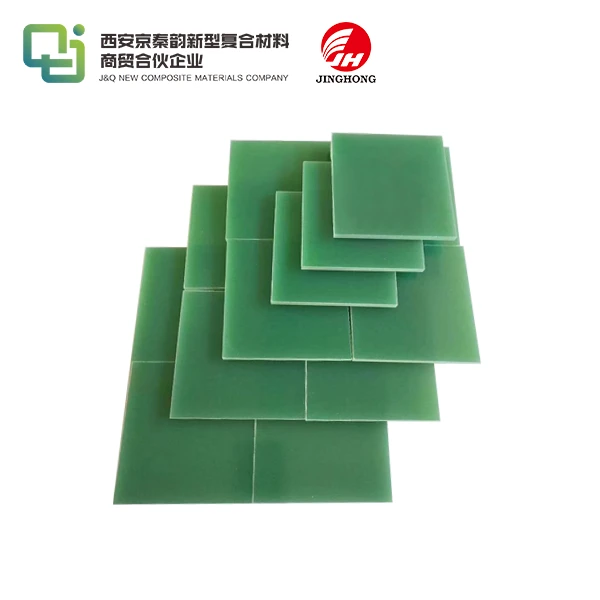
Glass Epoxy Sheet Supports Precision Fabrication of Industrial Parts
2026-08-14 17:29:10
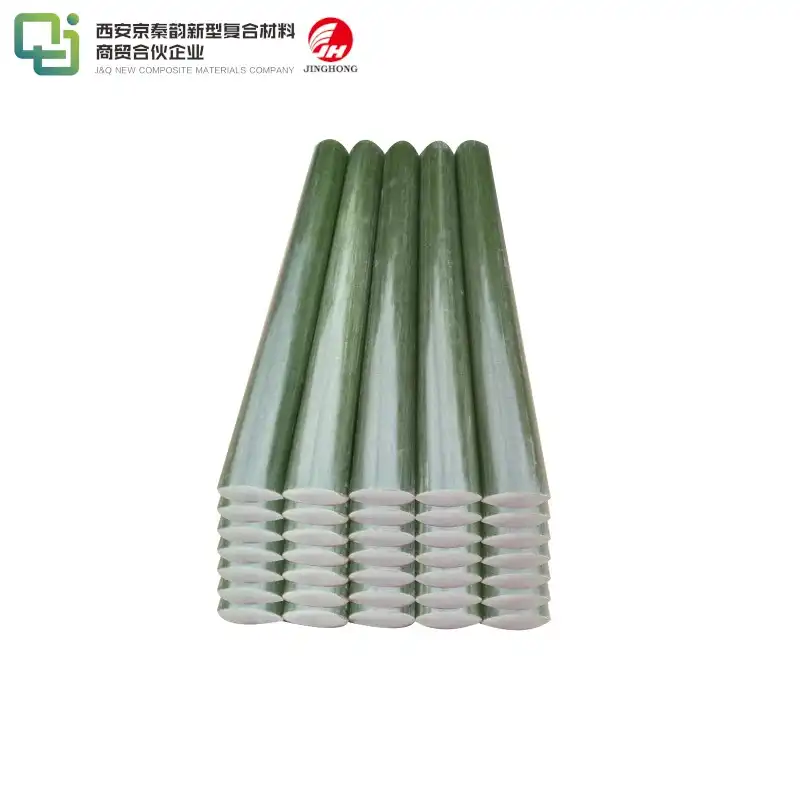
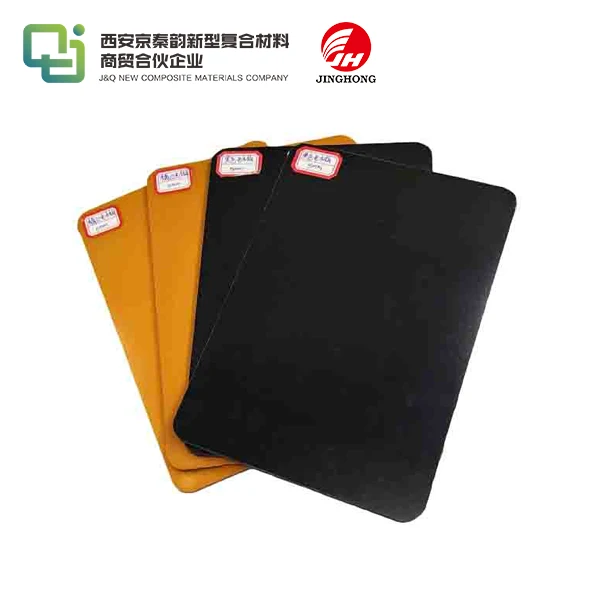
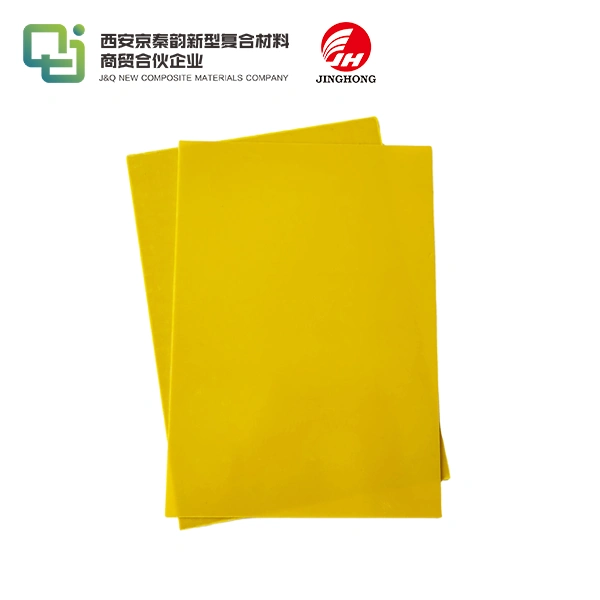
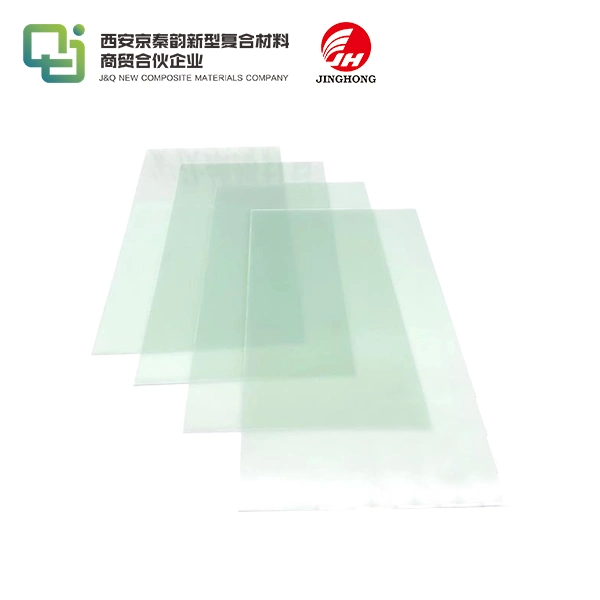
When manufacturing industrial parts that demand precision, reliability, and durability, material selection becomes the cornerstone of successful production outcomes. Glass epoxy sheet has emerged as an indispensable solution for engineers and procurement teams navigating complex fabrication challenges across electrical, machinery, automotive, and power sectors. This versatile composite material—built from woven glass fibers bonded within an epoxy resin matrix—delivers exceptional mechanical strength, superior electrical insulation, and thermal stability that conventional materials simply cannot match in demanding industrial environments.
Understanding Glass Epoxy Sheet: Properties and Manufacturing
The physics behind Glass Epoxy Sheet shows why this substance is so important for making precise things. The core of the composite structure is made up of continuous filament woven glass cloth that has been mixed with epoxy resin binder and then cured under controlled heat and pressure to create a smooth laminate. This method of making things, called prepreg lay-up, makes sure that the glue is spread out evenly throughout the glass fiber support. This gets rid of any weak spots or unevenness that could affect how well the part works.
Core Material Composition and Structure
Glass Epoxy Sheets are made up of several layers of woven glass fabric that are saturated with thermosetting epoxy glue. During production, sheets are stacked, lined up, and pressed together at temperatures between 150°C and 180°C and pressures of more than 1,000 PSI. Cross-linking reactions happen inside the epoxy matrix during the curing process. These reactions make molecular bonds that hold the structure in place and keep it from deforming, even when subjected to mechanical stress and changes in temperature.
Technical Grades and Specifications
For different manufacturing uses, different types of materials are needed to meet performance requirements. Flame-retardant properties meeting UL94 V-0 standards make FR4 the most common grade. This is important for electrical and technology uses where fire safety cannot be compromised. G10 grades have similar mechanical properties but are not flame-retardant. On the other hand, G11 and FR5 grades have better temperature resistance and can handle glass transition temperatures of up to 180°C, which makes them good for lead-free soldering and high-heat areas.
We've seen that thickness tolerances are still very important for precise machining. A standard sheet can be anywhere from 0.5 mm to 100 mm thick, and the thickness tolerance is usually set at ±0.1 mm for smaller sheets and ±0.5 mm for bigger plates. Sheet sizes that are widely offered are 1000mm × 2000mm and 1220mm × 2440mm, but custom sizes can be made to fit specific project needs without waste or extra processing costs.
Manufacturing Quality Control Standards
Industry certificates prove that materials work and make sure that the quality of each batch of production is the same. Electrical grade laminates are defined by NEMA LI-1 standards, and military applications that need to be very reliable are covered by MIL-I-24768 standards. IEC 60893 international standards help manufacturers who want to sell their goods abroad get recognized around the world. Before finishing seller deals, procurement teams should check these certifications along with material test results that show the material's flexural strength, dielectric breakdown voltage, water absorption rates, and thermal expansion coefficients.
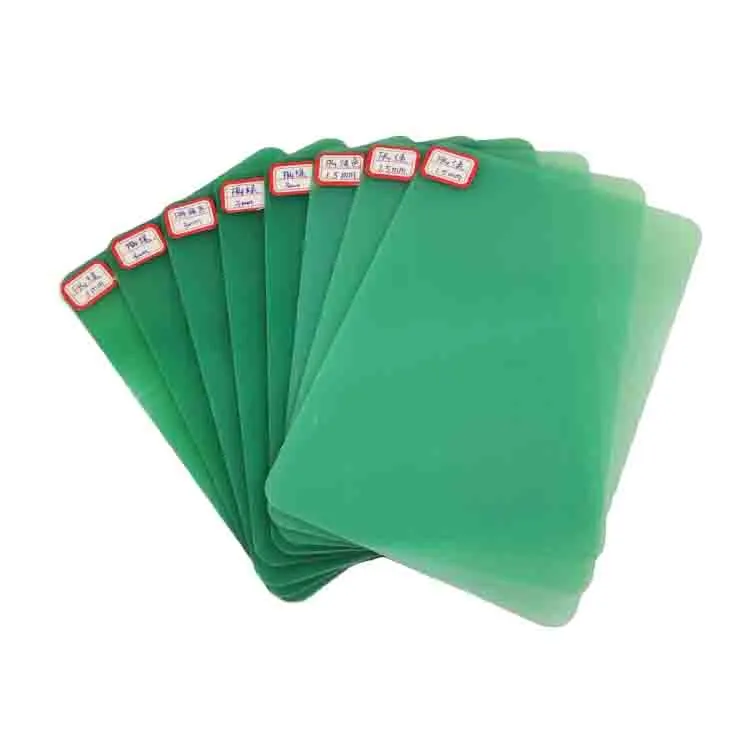
Glass Epoxy Sheet vs. Other Industrial Materials: Making an Informed Choice
Choosing the right materials has a direct effect on how well the fabrication goes, how much it costs, and how reliable the parts are in the long run. By knowing how Glass Epoxy Sheets stack up against other materials, engineering teams can make designs better, and buying experts can use total cost of ownership analysis to show why investments are worth making.
Performance Comparison with Alternative Materials
The cost of phenolic paper laminates is low, but they absorb a lot more water than Glass Epoxy Sheet, often more than 1.5%. Glass Epoxy Sheet only absorbs 0.1% to 0.25%. This sensitivity to wetness lowers dielectric strength in damp places, which makes electrical parts less reliable. The mechanical strength of Glass Epoxy Sheet materials is also better than phenolic materials, with bending strengths of up to 70,000 PSI compared to 15,000 to 20,000 PSI for phenolic.
While carbon fiber composites are stronger for their weight, they are also more conductive, which means they can't be used as insulation. The cost of the materials is usually three to five times higher than alternatives made of Glass Epoxy Sheet. This means that carbon fiber is only economically viable when the weight savings make the higher price worth it. Glass fiber phenolic sheets work about the same as paper phenolic sheets and Glass Epoxy Sheets, but they aren't as stable at high temperatures or consistent when they are machined, which is needed for precision parts.
FR4 Material Advantages for PCB Applications
Electronics companies always use FR4 grades for printed circuit board substrates because the material is a good mix of electrical insulation, mechanical rigidity, and thermal performance at a low cost. The dielectric constant stays the same over a wide range of frequencies, usually between 4.4 and 4.6 MHz at 1MHz. This keeps signals in high-speed digital circuits safe. In RF uses, dissipation factors below 0.02 keep energy loss to a minimum, and dielectric strength above 500 volts per mil keeps electricity from breaking down between wires that are close together.
The flame retardant mixture meets safety standards without changing how well it works for cutting. Additives based on bromine meet UL94 V-0 standards and put out flames within 10 seconds of removing the source of the fire. This property of self-extinguishing keeps people and equipment safe when there is a fault and electrical arcing or component overheating happens.
Procurement Cost Analysis
The cost of materials is based on the cost of raw materials, the difficulty of production, and the number of orders. Standard FR4 sheets in common sizes usually cost less per square foot than specific types that have better thermal performance or don't contain any halogens. When compared to buying on the spot market, bulk purchasing deals with known sellers cut unit costs by 15% to 25%. Custom sizing also gets rid of material waste that hurts budget efficiency in low-volume production runs.
The total cost of ownership includes more than just the original costs of buying things. During the fabrication process, CNC machining time, tool wear rates, rejection percentages, and rework costs add up. Glass Epoxy Sheet materials are easy to work with carbide tools, and they can produce exact specs without delamination or edge fraying, which are problems with lower-quality laminates. This predictability in machining means better first-pass yields and lower costs for quality control across all production processes.
Advantages of Glass Epoxy Sheet in Industrial Part Fabrication
Glass Epoxy Sheets have a performance profile that meets these needs in a wide range of industry settings. Precision production is possible because the materials used are very strong and don't change shape when the temperature changes. Copper conductors in PCB circuits expand at rates that are very close to the coefficient of thermal expansion values, which are usually 14 to 17 ppm/°C in the XY plane. This keeps solder joints from breaking when temperatures change. Below 70 ppm/°C, Z-axis expansion is kept under control. This keeps layers aligned in layered structures and tight tolerances in machined insulation parts.
Electrical Insulation Performance
Electrical separation in high-voltage switchgear, transformer barriers, and motor winding separators is safe when the dielectric strength is more than 800 volts per mil. Volume resistance above 10^14 ohm-cm makes sure that there isn't much leaking current, even when there is constant electrical stress and high humidity. When electrical discharges happen across insulation surfaces, surface tracking and carbonization pathways form. Arc resistance ratings that are higher than 120 seconds protect against these problems.
We've seen how these electrical properties help manufacturers of power distribution equipment solve important problems. Arc barriers made of Glass Epoxy Sheets stop fault currents from crossing over and damaging neighboring phases. This stops failures from spreading in enclosed switchgear systems. The material is good for coil insulation because it can keep its dielectric strength at temperatures close to 130°C continuously rated (Class B thermal classification) for decades without breaking down.
Thermal Management Capabilities
Stable temperatures are important in places like car battery systems, device motor housings, and electronics cases where heat loss affects the life of parts. In high-Tg formulations, Glass Epoxy Sheet materials can handle short-term temperature drops up to 180°C while still keeping their structural integrity and electrical properties. This resistance to heat helps lead-free soldering processes that need reflow temperatures of 260°C or higher. It stops Z-axis growth that leads to barrel cracking in metal through-holes.
Values of thermal conductivity between 0.3 and 0.4 W/mK are enough to transfer heat for moderate thermal management needs while keeping electrical insulation. Engineers who work on automotive parts put Glass Epoxy Sheet insulation pads between the battery cells. These create thermal shields that stop heat from spreading when a cell fails and electrically separate high-voltage potentials from chassis grounds.
Multi-Industry Application Versatility
Machine builders use phenolic cotton sheets and Glass Epoxy Sheets to make structural insulation parts, mechanical spacers, and wear-resistant parts that slide against each other. The material's compressive strength—more than 40,000 PSI—allows it to hold loads without permanently deforming. Its low friction coefficients also keep gears and cam followers from wearing out.
Home appliance makers like how electrical safety frames around heating elements, motor mounting brackets that need thermal separation, and structural supports in high-temperature zones are both cost-effective and safe. Stable machining traits and consistent batch quality allow for high-volume output with little process variation. This lowers the amount of waste and supports lean manufacturing efforts.
When buying coil insulation and arc barriers for the power sector, procurement experts put flame resistance and certified quality management systems at the top of their lists. Materials that meet IEEE and IEC standards provide the recorded performance guarantee needed for utility acceptance and warranty compliance over the long term. In regulated industries, having UL-recognized parts on hand speeds up project timelines and makes approval processes easier.
Sustainability and Environmental Compliance
Halogen-free FR4 formulations help protect the earth when devices are recycled or thrown away. These options use phosphorus-based chemicals instead of brominated flame retardants, which lowers the production of dioxins during combustion while keeping UL94 V-0 performance. Following the rules set by RoHS limits the use of dangerous materials like lead, mercury, cadmium, and hexavalent chromium, in line with EU rules and international electronics standards.
Material approvals that list environmental features help with green purchasing and business sustainability reporting. Suppliers who have ISO 14001 environmental management system certifications show that they are dedicated to lowering the effect of production by implementing programs that save energy, reduce waste, and stop pollution, all of which are in line with customer responsibility goals.
Strategic Guide for Procuring Glass Epoxy Sheets
Effective buying strategies combine the need for high-performance materials with budget limits, delivery deadlines, and the dependability of the suppliers. Technical procurement teams and engineering managers can find qualified suppliers and negotiate good business terms with the help of organized review processes.
Supplier Qualification Criteria
Manufacturers with a good reputation keep quality management systems that are approved to ISO 9001 standards. These systems keep track of process controls that make sure that all output batches of the same material have the same properties. Check that the mechanical strength, electrical qualities, and flame resistance of each lot of material meet the requirements by asking for test results. Suppliers should make sure that technical data sheets for glass fiber specifications and epoxy resin formulations can be tracked back to the sources of the raw materials.
Manufacturing capability assessments reveal whether suppliers can accommodate custom requirements. Evaluate in-house testing laboratories, CNC machining equipment for sample preparation, and technical support staff qualifications. Suppliers who have their own applications engineers can help with choosing the right materials, making the best designs, and fixing problems that come up during production scale-up.
Order Flexibility and Lead Times
Different providers have very different minimum order sizes, which can be as low as one sheet for prototyping or as high as full containers for high-volume production. Distributors usually keep popular grades and thicknesses in smaller amounts on hand. This lets you get what you need quickly, but it costs more than buying directly from the maker. By negotiating lower MOQ levels as part of long-term supply agreements, companies can get better pricing for large orders while still keeping their inventory flexible.
Lead times range from days for stock items to weeks for custom orders that need unique resin mixtures or sizes that aren't standard. When planning to buy from foreign sellers, procurement should take into account the time it takes to make the goods, test their quality, and ship them to other countries. Setting safety stock levels for important materials keeps production from stopping when demand goes up unexpectedly, or there are delays in the supply chain.
Price Negotiation and Value Assessment
When you make a volume promise, you can use tiered pricing, which lowers the cost per unit by 20% to 35% compared to buying on the spot. Suppliers can see how much production is going on thanks to annual contracts that are based on forecasts. This lets manufacturers become more efficient, which leads to price cuts for everyone. Buyers can better control their cash flow when they negotiate payment terms, like net 30 or net 60 days. However, buyers may have to pay a little more for longer terms.
Total value review looks at more than just prices. It also looks at things like consistent quality, easy access to expert help, and the reliability of the supply chain. Suppliers who give testing services for materials, CNC machining, and custom sizes cut down on the costs and time needed for further processing. Fast shipping options and consignment inventory programs give businesses the operational flexibility that justifies small price differences over low-cost alternatives that don't offer service.
Building Long-Term Partnerships
Strategic relationships with suppliers offer more than just lower transaction costs. Preferred vendors give priority to allocating capacity when materials are in short supply, keep in touch with dedicated technical support contacts who know your application needs, and work with you on new product development projects. Performance measures like on-time delivery rates, quality rejection percentages, and response are looked at in regular business reviews. This encourages ongoing improvement that makes everyone more competitive.
Joint technical development projects use the material knowledge of suppliers to improve the performance of products, lower the cost of making them, and make component designs more efficient. Suppliers who care about their customers' success will suggest different grades, suggest changes to designs that make them easier to machine, and give customers early access to new materials that meet the needs of new industries.
Future Trends and Innovations in Glass Epoxy Sheet Technology
As material science and industrial technology improve, the possibilities of Glass Epoxy Sheet keep growing. This opens the door to better component performance and more efficient production. Forward-thinking buying strategies keep an eye on these changes to stay ahead of the competition in industry markets that are changing quickly.
Advanced Resin Chemistry Developments
The goal of the next wave of epoxy formulations is to improve thermal performance so that they can be used continuously at temperatures higher than the current Class B grades. High-temperature resins with polyimide and cyanate ester modifications show glass transition temperatures above 200°C. This helps with power electronics in electric vehicles and in spacecraft where the temperature needs to be higher than what normal materials can handle.
Fiber Reinforcement Innovations
Treatments and weave patterns for glass fibers change their mechanical properties and surface features. In aerospace-grade laminates, fiber diameters that are smaller—from standard E-glass to S-glass or quartz fiber types—increase tensile strength and lower dielectric loss. Spread-twist fabrics make surfaces that are smoother and have fewer areas with a lot of plastic. This makes it easier to control the dimensions and allows for finer feature resolution in precision CNC cutting.
Industry 4.0 Integration
Digital manufacturing platforms link purchasing systems directly to suppliers' production schedules. This lets you see the state of orders, the results of quality tests, and the location of shipments in real time. Automated inventory management systems keep track of how much is being used and automatically place restocking orders when certain amounts of stock are reached, without any help from a person.
Sustainability Initiatives
Bio-based epoxy resins made from renewable materials lower the carbon footprint without affecting the performance of the materials' mechanical or electrical parts. These environmentally friendly options replace parts made from fossil fuels with materials derived from plants. This helps companies stick to their environmental pledges and sets them apart in markets where people care about the environment. Circular economy goals are met by programs that recycle post-industrial waste and parts that have reached the end of their useful life.
Conclusion
Glass Epoxy Sheet materials meet these needs. Because these composites are stronger, more stable at high temperatures, and better at insulating electricity, as proven by strict tests and industry certifications, they are the best choice for parts that can't fail. Strategic methods for buying things that look at what suppliers can do, agree on good business terms, and form partnerships for working together make sure that the quality of the materials stays consistent and the supply chain is strong. As new materials and manufacturing technologies come out, glass epoxy laminates will continue to be an important part of making accurate parts because they offer the performance and value that industrial markets need.
FAQ
What are the benefits of Glass Epoxy Sheets over other types of insulation?
With water absorption below 0.25%, Glass Epoxy Sheets are better at keeping electrical insulation qualities in damp places where phenolic paper materials break down quickly. Flexural mechanical strength of more than 70,000 PSI supports structure loads without deformation, and flame retardant formulas reaching UL94 V-0 standards provide important safety protection. The high dielectric strength, thermal stability to 130°C continuous rating, and excellent CNC machining characteristics create a performance profile that can't be matched by conventional alternatives.
How can procurement teams make sure that technology specs and source approvals are correct?
Ask for full material data sheets that list the mechanical, electrical, and thermal properties of the material, along with third-party test reports that confirm it meets the requirements. Check to see if the product has an ISO 9001 quality control certificate, UL marks for flame-safe grades, and RoHS and REACH compliance certificates. Suppliers should provide material traceability paperwork that connects products to specific production lots and the quality control records that go with them. Before making large purchases, sample materials are tested in an independent lab to make sure that the properties claimed are correct.
What factors determine the custom size needs for precision parts?
Custom sizing choices are based on limits for the design of the part, adjustments for machining, and the best way to maximize the output yield. Material costs go up and processing takes longer when stock is too big, and scrap is made when blanks are too small, and measurement standards can't be met. Check the finished part's measurements and add 2mm to 5mm for machining each edge, based on the complexity of the feature and the required tolerances. Talk to your material suppliers and machining partners to find the best blank sizes that balance how well the material works with how much it costs to process, taking into account the number of items you plan to make.
Partner with J&Q for Premium Glass Epoxy Sheet Solutions
J&Q has more than 20 years of experience making and selling high-performance insulation materials, such as a wide range of Glass Epoxy Sheet grades designed for precise industrial fabrication. Our technical team knows what engineering managers and procurement specialists need in the machinery, power, car, electrical, and gadget industries. We have strict quality standards that are backed up by ISO certifications and full material tests. As a dependable Glass Epoxy Sheet supplier with integrated logistics, we offer a one-stop service from choosing the material to delivering it, making your supply chain more efficient and reducing the complexity of procurement. Contact our applications engineers at info@jhd-material.com to discuss your specific requirements.
References
1. National Electrical Manufacturers Association (NEMA). "Standards Publication LI 1-2018: Industrial Laminating Thermosetting Products." NEMA, 2018.
2. Institute of Electrical and Electronics Engineers (IEEE). "IEEE Std 4-2013: IEEE Standard for High-Voltage Testing Techniques." IEEE Standards Association, 2013.
3. International Electrotechnical Commission (IEC). "IEC 60893-3-2:2003 - Insulating Materials - Industrial Rigid Laminated Sheets Based on Thermosetting Resins for Electrical Purposes." IEC Publications, 2003.
4. Underwriters Laboratories (UL). "UL 94: Standard for Safety of Flammability of Plastic Materials for Parts in Devices and Appliances." UL Standards, 2021.
5. Harper, Charles A. "Handbook of Plastics Technologies: The Complete Guide to Properties and Performance." McGraw-Hill Professional, 2006.
6. Lubin, George. "Handbook of Composites: Materials, Manufacturing, and Performance for Industrial Applications." Van Nostrand Reinhold Company, 1982.
_1732777843529.webp)