Why Do Factories Still Use Bakelite Board for Industrial Parts?
2026-08-14 17:29:25
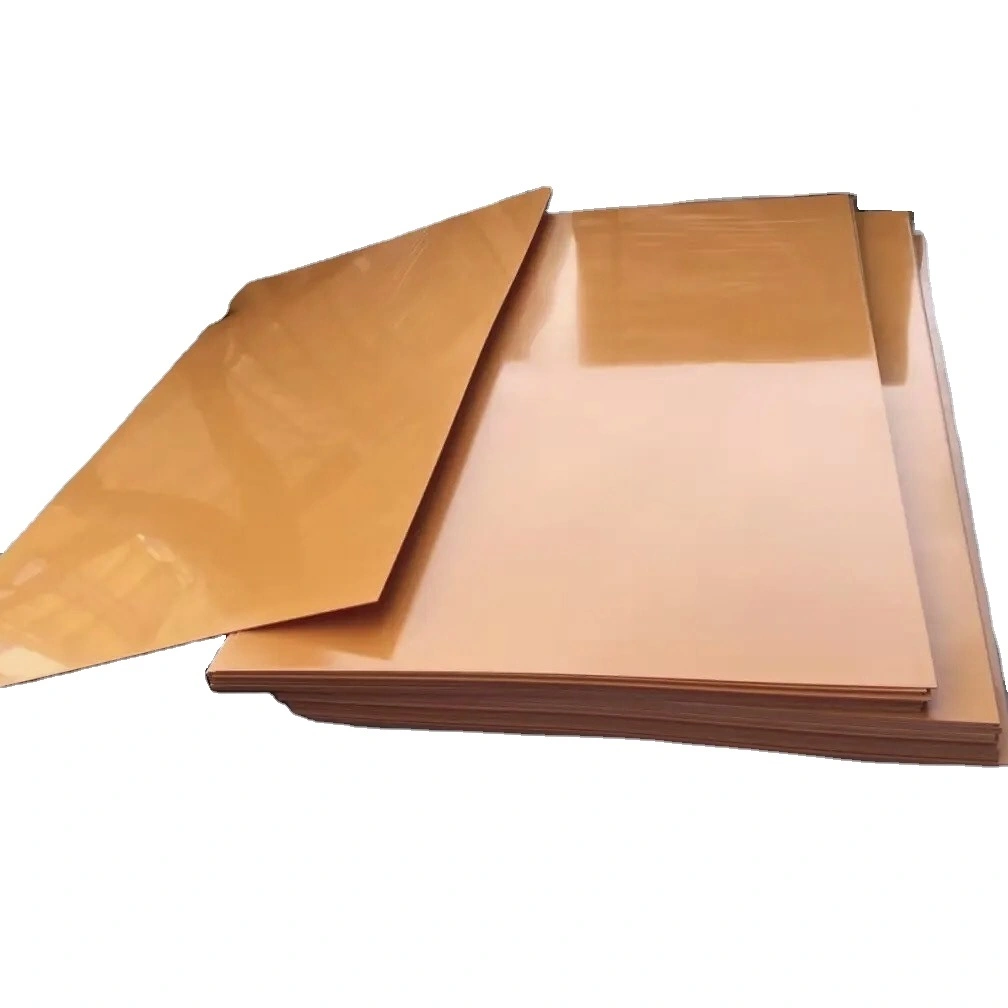
Factories continue to rely on bakelite board because this thermosetting phenolic laminate delivers unmatched electrical insulation, heat resistance, and mechanical stability at a competitive cost. Despite the emergence of advanced composites, bakelite board maintains its position in electrical switchgear, motor components, and precision machinery due to proven reliability, excellent machinability, and compliance with international standards like NEMA and IEC. Its dimensional stability under load and resistance to chemical exposure make it indispensable for mission-critical applications where failure is not an option.
What Is Bakelite Board and Why Does It Matter in Industry?
Understanding the Composition and Manufacturing Process
Bakelite board was made using a very precise industrial process and is the first synthetic plastic laminate in the world. Manufacturers put phenol-formaldehyde resin between layers of paper or cotton fabric and then heat and press these layers together. When this process is done, a stiff, thick substance with a specific gravity of 1.30 to 1.45 g/cm³ is formed. Bakelite board is thermosetting, which means that once it is cured, it will always keep its shape and properties, unlike thermoplastic materials, which can melt and reform. This feature makes sure that the dimensions stay the same, which is very important for accurate engineering uses.
Core Material Properties That Drive Industrial Adoption
The technical structure of phenolic laminates solves certain problems in the business world. Electrical engineers like dielectric strengths above 10kV/mm because they keep electricity from leaking in high-power systems. The material doesn't break down when used continuously at temperatures between 120°C and 130°C. Chemical resistance to mineral oils, non-oxidizing acids, and most fluids keeps parts safe in tough conditions. Low water absorption rates (usually less than 1% when tested according to ASTM D570 standards) keep the insulation's integrity even when it's wet outside.
Comparison with Alternative Substrate Materials
When purchasing teams look at different types of materials, bakelite board stands out as being clearly better than the others. Plywood doesn't keep electricity from flowing, and it breaks down quickly when it comes in contact with water or chemicals. Medium-density fiberboard (MDF) can't handle the temperature changes and mechanical loads needed in electrical uses. Even modern materials, like some thermoplastics, break down over time when they are exposed to heat. Phenolic laminates work the same way even when the temperature changes. This makes them reliable for situations where a material failure could damage tools or put people in danger.
Why Bakelite Board Remains Essential for Industrial Parts
Superior Performance in Electrical Insulation Applications
Mechanical Durability for Heavy-Duty Machinery Components
Builders of industrial machinery have to meet strict standards for structural insulation, mechanical spacers, and parts that don't wear out. Gears, bushings, and load-bearing insulators need to be strong mechanically, and phenolic cotton laminates give them that. During CNC cutting operations like drilling, punching, and shearing, the material doesn't delaminate, which cuts down on scrap and keeps thickness standards tight. OEM sourcing managers like these laminates because they can handle constant mechanical stress without creep or changes in size that would make it harder to put the parts together.
Real-World Applications Across Multiple Industries
Companies that distribute electricity use phenolic sheets as arc barriers in circuit breakers. These sheets' flame resistance and thermal stability keep failures from being too bad. Automakers use these materials in battery pack insulation systems because they can handle high temperatures and keep sensitive electronics safe. Manufacturers of home appliances use bakelite board for motor frames and heat separation parts because it is a cheap material that can be used for large-scale production. These different uses show why buying professionals in all fields keep bakelite board on their lists of acceptable materials.
How to Choose the Right Bakelite Board for Your Industrial Needs
Evaluating Critical Technical Specifications
To choose the right phenolic laminates, you need to match the properties of the material to the needs of the application. Paper-based types are better at insulating electricity, so they can be used for parts that are sensitive to voltage. Fabric-reinforced versions have better dynamic qualities for use in structures. The grade that is used is based on the operating temperature. For example, phenolic resin breaks down and carbonizes when exposed to temperatures above 150°C for a long time, so other materials are usually needed. Tolerances in thickness are very important. For example, for precision applications, tolerances may need to be within ±0.1mm, while for less important uses, ±0.5mm differences are fine.
Customization Options and Material Grades
The variety of specifications makes it possible to match them to the needs of a specific project. Standard sheet shapes work for a range of industrial processes, and special cutting services cut down on waste and the cost of handling. NEMA grade numbers make things clear: Grade X is good for general-purpose insulation because it has good electrical properties; Grade XX is better for cutting; and Grade XXX has the best electrical performance. Canvas and linen types (C and L) are good for uses that need the most impact strength and mechanical toughness.
Supplier Selection and Quality Assurance
Procurement Strategies for Bakelite Board in Bulk Industrial Applications
Understanding Pricing Structures and Order Requirements
To get the best deals on phenolic laminate, you need to know what drives value. The cost of materials depends on their thickness, grade, and the number of items ordered. Costs per unit usually go down when you buy in bulk, but minimum order quantities vary by supplier, and you may need to weigh the cost of keeping inventory against the price savings per unit. Sample provision policies let procurement teams check the performance of materials before committing to large amounts of output. This lowers the technical risk of starting a new relationship with a seller.
Navigating Global Sourcing Considerations
When you choose a supplier, you have to weigh the lead time, cost, and supplier capabilities. Just-in-time manufacturing methods are often helped by domestic suppliers in the US who offer faster delivery and easier contact. When it comes to unique grades or custom specs, international providers may be able to offer better prices and a wider range of products. To figure out how trustworthy a supplier is, you need to look at their quality certifications, production capacity, and customer references. Logistics dependability is important for keeping production schedules on track. Suppliers with established shipping partnerships and tracking systems help keep the supply chain running smoothly.
Building Strategic Supplier Relationships
Long-term success in procurement depends on partnerships with suppliers that go beyond just buying things. Technical support helps solve problems with applications and make material standards better. Service after the sale, like helping with machining settings and fixing problems, adds value above and beyond the cost of the materials. Suppliers who are flexible can meet changing production needs by offering rush orders when they're needed and changing delivery times to fit production cycles. When looking at the total cost of ownership, these relationship factors often matter more than small price differences.
Future Outlook: Is Bakelite Board Still a Smart Investment for Factories?
Comparing Emerging Materials and Traditional Solutions
Industry Trends and Sustained Demand
Electrical shielding materials that work well are still in high demand because of technology in manufacturing. More advanced control systems and power electronics are being added to plants, so they need more reliable insulation materials. The production of electric vehicles increases the need for battery pack insulation and heat control parts. For renewable energy installations to work, the insulation on the transformers and the parts of the switchgear must be able to handle being outside. These business trends show that phenolic laminates will continue to be in high demand in many areas.
Making Informed Long-Term Material Decisions
When procurement managers try to find a balance between new ideas and dependability, phenolic laminates are a good choice. The material's well-established supply lines, long history of use, and predictable performance traits lower the risk of purchase. It's still important to know about new materials, but bakelite board is still used as a standard to measure other materials against. It is still used in commercial settings where proven reliability is more important than the appeal of younger materials because it works well technically, is easy to work with, and is cheap.
Conclusion
Bakelite board is still used in manufacturing because it is a good and cheap way to solve basic engineering problems. The material is good at insulating electricity, withstanding heat, lasting a long time, and being easy to machine. It has a performance rating that is hard to beat at similar costs. Even though material science is always changing, phenolic laminates have been used for a long time in electrical, mechanical, and heat applications in many different fields. Procurement workers can use this tried-and-true material for reliable, cost-effective solutions in tough manufacturing settings by understanding its properties, quality standards, and buying strategies.
FAQ
What differentiates paper phenolic from cotton phenolic grades?
Paper-based phenolic laminates improve the performance of electrical shielding and cutting, which makes them perfect for voltage-sensitive tasks like supporting PCBs and protecting transformers. Cotton phenolic variants have better mechanical properties, like better resistance to impact and structural strength, making them ideal for gears, bushings, and load-bearing parts. The right grade choice is based on the needs of the application.
Can phenolic laminates handle extended exposure to chemicals?
Mineral oils, non-oxidizing acids, and most organic solvents don't damage bakelite board very much. The material stays strong in places where many thermoplastics would break down. Strong oxidizing agents and long-term contact with alkalis can change the qualities of the surface, so for specific uses, chemical compatibility should be checked.
How does storage environment affect material performance?
Phenolic resins have some hygroscopic properties, which means that storing them in high humidity can slightly make them absorb more water and weaken their dielectric strength. For the best storage, keep things dry and at the right temperature. Getting the material to room temperature before precision machining makes sure that it stays the same size and gives the best results during processing.
What safety considerations apply during machining operations?
When phenolic laminates are machined, small amounts of phenol and formaldehyde gases are released because of friction heating. Adequate air and dust extraction devices keep workers healthy and ensure they follow safety rules at work. In workplace settings that handle large amounts of material, workers must wear the right respiratory protection and have good air.
Partner with J&Q for Reliable Bakelite Board Supply
You can trust J&Q as your bakelite board supplier because they have been in business for over 20 years and have experience with both domestic and international trade. Our long-term partnerships with trade partners in both the United States and other countries ensure stable material quality and on-time deliveries. We have strict quality control that follows NEMA and IEC standards, and we include full proof of all material tests with every order. Our integrated logistics services make it easier for you to manage your supply chain by letting you place your order and receive it all in one place. Whether you need standard specifications or sheets that are cut just right for a specific job, our technical team can help you choose the right material and meet your application needs. Get in touch with us at info@jhd-material.com to talk about your phenolic laminate needs and see how our all-around service approach makes buying easier while still ensuring material performance.
References
1. Baekeland, L. H. (1909). "The Synthesis, Constitution, and Uses of Bakelite." Industrial & Engineering Chemistry Journal, Volume 1, Issue 3, pages 149-161.
2. Harper, C. A. (2006). Handbook of Plastics, Elastomers, and Composites, Fourth Edition. McGraw-Hill Professional, Chapter 4: Thermoset Resins and Applications.
3. National Electrical Manufacturers Association (2018). NEMA LI 1-1998 (R2018): Industrial Laminated Thermosetting Products. Standards Publication, Rosslyn, Virginia.
4. Mapleston, P. (2015). "Phenolic Resins: A Century of Progress and Still Evolving." Modern Plastics Worldwide, Volume 92, Number 7, pages 34-38.
5. Richardson, T. and Lokensgard, E. (2003). Industrial Plastics: Theory and Applications, Fourth Edition. Delmar Learning, Chapter 12: Phenolic and Amino Resins.
6. International Electrotechnical Commission (2019). IEC 60893-3-1:2019 - Insulating Materials - Industrial Rigid Laminated Sheets Based on Thermosetting Resins for Electrical Purposes. Geneva, Switzerland.