What Factors Matter When Purchasing Epoxy Sheet for Production?
2026-08-18 10:18:27
When purchasing Epoxy Sheet for production, the critical factors include material grade specifications, thermal and electrical insulation performance, mechanical strength, certification compliance, supplier reliability, and customization capabilities. Understanding these elements helps procurement teams select materials that align precisely with application requirements while ensuring cost efficiency and long-term operational success. The right choice balances technical performance with supply chain stability, directly impacting product quality and manufacturing continuity across electrical, automotive, power generation, and industrial machinery sectors.
Introduction
Epoxy Sheets have become essential components of modern industrial production because they offer the mechanical strength, electrical insulation, and chemical resistance that the manufacturing industry needs on a daily basis. These engineered composites are used to solve important problems where failure of the material is not an option. They are used in high-voltage transformer parts and precise PCB substrates. This complete guide gives procurement professionals all the information they need to make smart decisions about where to buy things that will improve the reliability and efficiency of production.
With more than 20 years of experience making things and 10 years of experience trading internationally, we know that choosing the right insulating material has a direct effect on how things work. Working with top trading companies in the US and abroad has taught us that good procurement is more than just a good price. It also includes technical alignment, supply chain integrity, and quick support. This guide shows that we want to assist engineering managers, procurement experts, and technical decision-makers in finding high-performance laminate materials in the present-day global market, which is very competitive.
Understanding Epoxy Sheets: Key Properties and Applications
What Defines High-Performance Epoxy Laminates
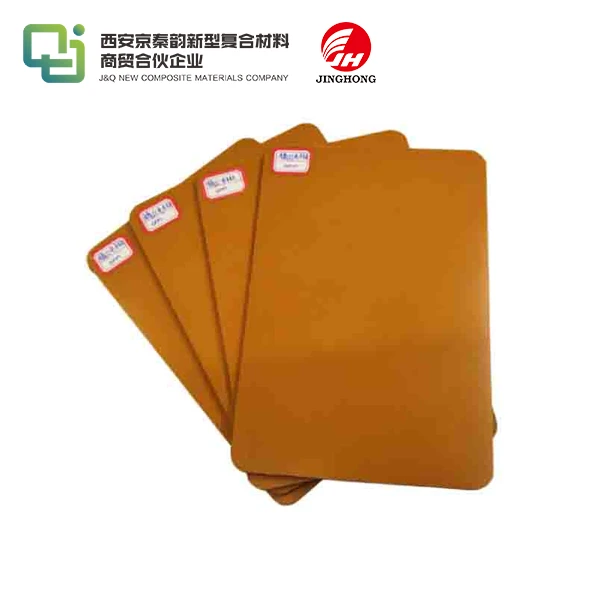
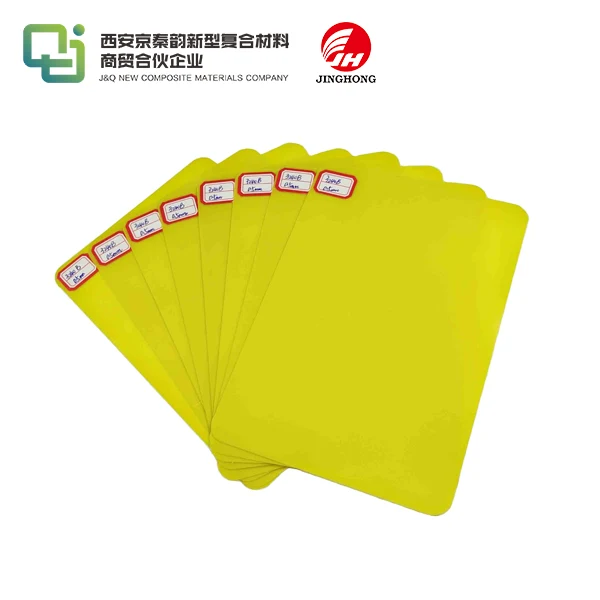
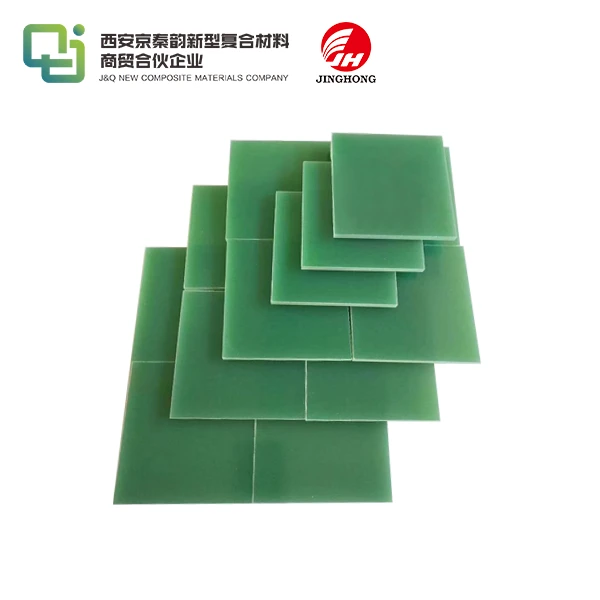
Epoxy Sheets are a type of high-pressure thermosetting industrial laminate made from continuous filament glass cloth that has epoxy resin binder mixed into it. In contrast to thermoplastic materials, which soften when heated, these composites go through a process of curing that can't be undone under controlled pressure and temperature. This change at the molecular level makes a cross-linked polymer material that stays stable in size even when the temperature and humidity are very high or low. The technical name for the material comes from NEMA LI-1 standards. It comes in types like G10, FR4, G11, and FR5, and each one has its own performance traits that make it good for different commercial uses.
Critical Applications Demanding Fail-Safe Performance
Glass epoxy laminates can be used in many different fields where dependability is important. These materials are used as busbar supports, terminal boards, phase barriers, and transformer standoff insulators in high-voltage electrical insulation uses in power generation and delivery systems. They successfully separate high-voltage wires while absorbing the mechanical stress of heavy copper bars. This stops catastrophic short circuits that could damage equipment and pose safety risks.
The FR4 grade has become the standard base material for both single-layer and multi-layer printed circuit boards around the world. Its low dielectric constant and small dissipation factor keep signals in high-frequency electronics intact, and its glass transition temperature keeps them from blistering during lead-free soldering. It is essential for household electronics, internet equipment, and industrial control systems because it has the right electrical and thermal qualities.
The material's ability to stay flexible without breaking at temperatures close to absolute zero is used in aerospace and cryogenic engineering. Because they work so well at low temperatures, epoxy laminates can be used to insulate superconducting magnets and support structures in spaceships, where high strength-to-weight ratios are important for mission success.
Factors to Consider When Selecting Epoxy Sheets for Production
Application-Specific Performance Criteria
To match material requirements to operational needs, it's important to carefully look at requirements for mechanical, thermal, and electrical performance. There are three types of mechanical strength: tensile strength, flexural strength, and compressive strength. These show how the material acts when it is loaded. Parts of industrial machinery like gears, wear-resistant parts, and structural spaces need to have high mechanical performance so they can handle constant operating stress without breaking or deforming.
Characteristics of thermal resistance directly affect how well a material works in hot places. The glass transition temperature tells you when the material starts to soften, and the continuous operating temperature ratings tell you how much of an exposure is safe over a long period of time. Power distribution applications and transformer parts need materials that can keep their insulation properties and shape even when they are heated up over and over again during normal operation.
Electrical insulation standards tell us what materials to use for tasks that need to isolate electricity. The dielectric strength of a material tells you how well it can keep electricity from breaking down, while the dielectric constant and dissipation factor determine how well signals can be sent on a PCB. Following UL and ROHS rules makes sure that materials meet known safety and environmental standards. This is especially important for companies that make electronics and electrical goods for controlled markets.
Material Grade Comparison and Selection
There are different types of Epoxy Sheets that have different combinations of qualities that make them good for different uses. At room temperature, the G10 grade has great mechanical strength and electrical protection, which makes it a good choice for many uses. FR4 grade has flame-retardant qualities that meet UL94 V-0 flammability ratings. This is important for electrical assemblies where fire safety is very important. The G11 grade performs better at high temperatures than the G10 grade. It keeps its mechanical and electrical properties at high temperatures, making it suitable for use in motor parts and switchgear.
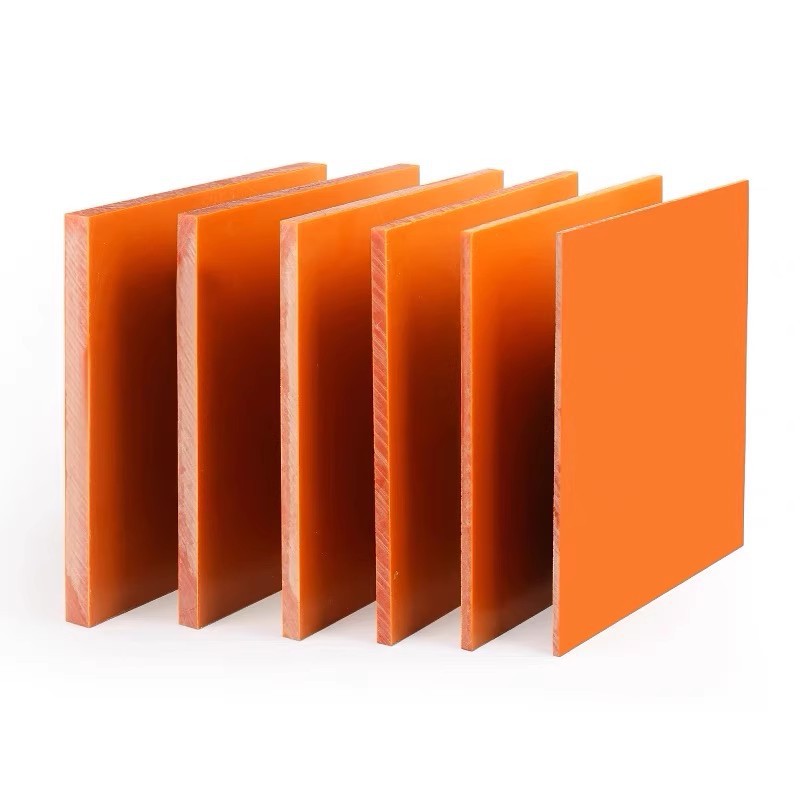
By comparing epoxy laminates to other materials, it's easier to make decisions about which to choose. Even though phenolic cotton sheets are cheaper, they usually aren't as strong or resistant to water. Acrylic pieces are clear to look at, but they aren't resistant to heat or chemicals, which is needed in harsh industrial settings. When buyers understand these trade-offs, they can choose products that meet performance requirements without spending too much money.
Customization and Dimensional Specifications
The width of a sheet has a direct effect on both how well it works and how much it costs. Thicker fabrics are stronger and better at keeping out electricity, but they cost more and are heavier. Tolerances for precise thickness make sure that all production runs perform the same. This is especially important for automated assembly processes and other uses that need precise control over dimensions.
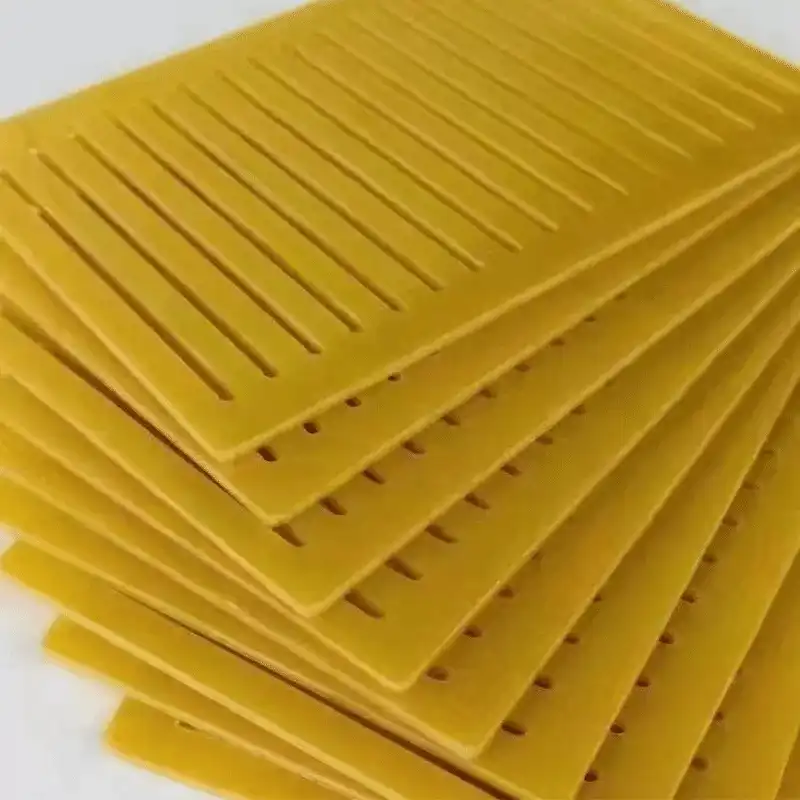
Customization options go beyond standard sizes and include CNC machining, surface treatments, and unique certifications. Tier-1 supply chain managers and suppliers of auto parts often need precision-machined parts with tight tolerances and stable batch quality. Finding materials that are already put together when they arrive cuts down on handling time and waste, making production more efficient overall.
Procurement Considerations for Epoxy Sheets: Pricing, Supply, and Logistics
Understanding Pricing Drivers and Value Assessment
Material prices are based on a number of interconnected factors that procurement professionals need to look at as a whole. The quality of the raw materials has a big effect on how consistently they work and how long they last. For example, expensive resin systems and glass supports cost more but are more reliable. Higher order amounts can get volume discounts, but the per-unit savings must be weighed against the costs of keeping goods and the space needed for storage.
Prices are directly affected by thickness specifications, since thicker sheets need more raw materials and take longer to make. When it comes to prices, specialized grades with better properties like higher glass transition temperatures or certain certifications usually cost more because they work better. Cost-effectiveness comes from making sure that the material specs match the needs of the application exactly, and not from over-specification, which raises costs without providing any practical benefits.
Supplier Evaluation and Partnership Criteria
To find trusted providers, you need to look at more than just the price quotes they give you. Verified certificates, such as ISO quality management systems, UL component recognition, and ROHS compliance documents, show that the company is dedicated to maintaining quality and following the rules. Supply chain consistency can be seen in things like on-time deliveries, clear communication, and open work schedules.
Strong feedback from current customers gives you important information about how reliable a supplier is and how well they can solve problems. People who work in long-term procurement in the energy and power sector value suppliers who keep quality stable across multiple orders and respond quickly to technical questions or changes to specifications. Our integrated logistics capabilities make supply chain management easier by giving you a one-stop service that makes coordinating purchases easier and gives busy technical teams less work to do in terms of paperwork.
Lead Time and Logistics Optimization
Knowing about shipping processes and production lead times can help avoid costly delays that throw off manufacturing plans. Standard grade materials usually have shorter wait times because they are made all the time, but unique grades or custom machining may need longer processing times. Companies that make home appliances and want fast delivery times benefit when their suppliers keep enough inventory on hand and have order fulfillment systems that can respond quickly to new orders.
When you buy Epoxy Sheets across borders, international shipping issues like freight choices, customs paperwork, and tracking deliveries become very important. Our dedicated logistics experience, gained over more than a decade, allows us to coordinate efficiently, cutting down on transit times and making sure materials arrive in perfect condition, ready to be used right away in production.
How to Ensure Quality and Longevity When Using Epoxy Sheets
Quality Verification Through Certification and Testing
Thorough quality checks start with well-known certificates that show the material meets industry standards. Independent testing labs confirm the electrical, mechanical, and thermal properties of materials. This gives you peace of mind that the materials will work as expected in real-world situations. Electrical experts and people who work with buying things should ask for certification paperwork that includes test results for dielectric strength, flame resistance, and mechanical properties matching technical datasheets.
Material identification systems make it possible to keep track of everything from where the raw materials come from to how they are made in the end. This ensures stability and makes it easier to solve quality problems if they happen. Batch testing methods make sure that every production run stays within certain limits. This prevents changes in performance that could make the product less reliable. These quality control measures are especially helpful in the power and auto industries, where a failed material could put people in danger or cause big financial losses.
Storage and Installation Best Practices
The purity of the material before placement is protected by the right way to store it. Conditions with controlled temperature and humidity stop moisture from absorbing, which could change the dielectric properties and the stability of the dimensions. Keeping things out of direct sunlight while they are stored helps them keep their qualities, since UV light can break down surface features over time. When Epoxy Sheets are stored vertically, they don't warp like they might if they are stacked horizontally and left to their own weight for a long time.
Performance Monitoring and Lifespan Extension
Protocols for regular inspections find early signs of material degradation before it breaks. Surface discoloration, cracking, or delamination can be seen visually and are signs of too much heat contact or mechanical stress. Electrical tests done on a regular basis make sure that the insulation resistance stays within acceptable limits. This means that the protection against voltage breakdown stays in place. With these proactive tracking methods, maintenance teams can plan replacements for planned breaks instead of having to fix problems as they happen.
Increasing the useful life of materials has big economic benefits because they need to be replaced less often and production stops less often. By choosing the right material grades with performance margins above and beyond the basic requirements, safety factors can be added to account for rare operating deviations. Return on investment is maximized by using the right installation methods and environmental controls. This shows that professional practices and high-quality materials deliver long-term value that exceeds initial purchase costs.
Final Decision-Making: Matching Epoxy Sheet to Your Business Needs
Defining Production Requirements and Performance Priorities
The final decision process starts with a full description of all the production needs in a number of different performance areas. Mechanical standards say how much weight something can hold, how well it can handle impacts, and how stable its dimensions are when it's under working stress. When it comes to constant working temperature ranges and peak temperature exposure limits, thermal standards set them. Chemical requirements say what kinds of oils, solvents, cleaning agents, or other things the material can't be exposed to without breaking down. Electrical requirements describe the minimum dielectric strength, voltage isolation needs, and signal transmission characteristics for the chosen Epoxy Sheet.
Balancing Cost, Quality, and Supplier Reliability
Instead of focusing on just one factor, good procurement decisions balance a number of different priorities. The cheapest choice might come with quality problems or weak spots in the supply chain that make the total cost of ownership higher in the long run by leading to more rejections or longer production times. Premium materials from well-known sources offer consistent performance and quick support, which may be worth the extra cost up front because they lower operating risks and extend the life of the product.
Long-Term Partnership Benefits and Supplier Collaboration
Partnering with skilled providers is more than just buying things. It also includes working together on technology issues and making improvements all the time. Expert technical support helps with choosing materials, application engineering, and fixing problems. This effectively increases the capabilities of the company without adding more staff. Customization makes it possible to create solutions that meet specific production needs that standard materials can't easily meet.
After-sales service that includes quick contact, fixing quality problems, and adaptability in the supply chain builds trust, which is the basis for long-term provider relationships. These relationships lower the risks of buying by setting up clear ways for people to talk to each other and agree on what is needed and what is possible. When production needs change and new uses come up, the collaborative approach is especially helpful because trusted suppliers can share technical insights that shorten development times and make a company more competitive.
Conclusion
To successfully buy Epoxy Sheets for production, you need to carefully consider the technical specifications, the supplier's abilities, and the overall cost of ownership. Knowing about the properties of materials, how they should be used, quality control methods, and logistics issues helps procurement professionals make smart choices that improve the efficiency of production and the dependability of the products they sell. The factors described in this guide give you an organized way to look at your choices and pick solutions that meet your business goals. Partnering with experienced suppliers who offer technical know-how, consistent quality, and quick service lowers procurement risks and lets you focus on your core manufacturing skills that give you an edge in today's competitive global markets.
FAQ
What thickness works best for electrical insulation applications?
The thickness of electrical insulation is chosen based on the voltage and the mechanical needs. For uses with voltages below 1000V, Epoxy Sheets between 0.5mm and 3mm thick are usually sufficient, giving enough insulating strength while still being easy to work with. When the voltage is higher, the material needs to be thicker. 6mm to 12mm sheets are commonly used in power distribution equipment. No matter what the electricity needs are, mechanical load-bearing parts may need thicker materials, and structural uses may sometimes need materials thicker than 25mm.
How does chemical resistance compare between epoxy and fiberglass sheets?
Both materials are very resistant to chemicals, but the exact performance depends on the type of resin and reinforcement used. In general, epoxy laminates are better at withstanding alkaline solutions and some organic acids, while polyester-based fiberglass sheets might be better in acidic settings. Chemical exposure data from the maker should be compared to application-specific chemical exposure to make sure the material is compatible with the process fluids and cleaning agents that will be used.
Can suppliers provide custom sizes and machined components?
Suppliers with a good reputation usually can meet unique sizing needs, such as those for non-standard sizes, precision-machined parts, and designs that are specific to an application. With CNC machining, we can make parts with complicated shapes and tight specs that are ready to be installed right away. Custom orders usually need a lot of information, like the type of material, the size, the tolerances, and the quantity. Lead times depend on how complicated the order is and how busy the factory is right now.
Partner with J&Q for Reliable Epoxy Sheet Solutions
J&Q is ready to help you with your buying needs by offering a wide range of Epoxy Sheet solutions. They have been making high-quality products for 20 years and have a lot of experience trading with other countries. As a provider of insulation materials with a lot of experience, we know the technical needs and supply chain problems that electrical manufacturers, machinery builders, power sector companies, car suppliers, and appliance makers face in today's competitive markets.
Our technical team can help you match the right material specs to the needs of your particular application. This will ensure the best performance and lowest cost. With years of specialized knowledge and combined logistics skills, we offer a one-stop service from the initial advice to the final delivery. This makes it easier to coordinate purchases and speeds up project timelines. Visit jhd-material.com or email info@jhd-material.com to talk to our team about your unique needs, get technical information, or set up a sample review. We want you to see what a difference professional partnership and proven knowledge can make for the success of your project.
References
1. National Electrical Manufacturers Association (NEMA). "Standards Publication LI 1-1998: Industrial Laminating Thermosetting Products." National Electrical Manufacturers Association, 1998.
2. Harper, Charles A. "Handbook of Plastics, Elastomers, and Composites." McGraw-Hill Professional, 4th Edition, 2002.
3. Klempner, Daniel, and Sendijarevic, Vahid. "Handbook of Polymeric Foams and Foam Technology." Hanser Publications, 2nd Edition, 2004.
4. Lubin, George. "Handbook of Composites." Van Nostrand Reinhold Company, 1982.
5. Schwartz, Mel M. "Composite Materials Handbook." McGraw-Hill Professional, 2nd Edition, 1992.
6. Underwriters Laboratories Inc. "UL 94: Tests for Flammability of Plastic Materials for Parts in Devices and Appliances." Underwriters Laboratories Standards, Current Edition.