Bakelite Board Processing for High-Temperature Custom Fixtures
2026-02-02 17:18:51
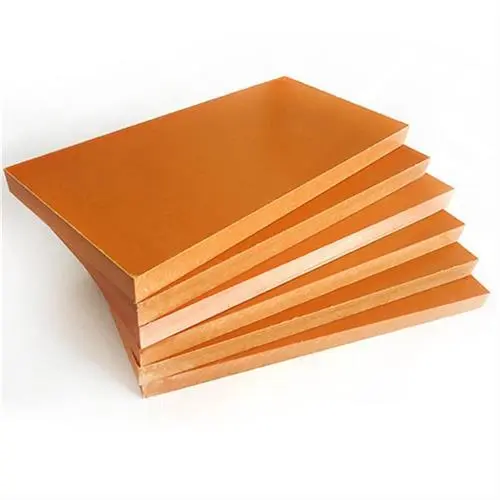
Bakelite board Processing for High-Temperature Custom Fixtures is a sophisticated way to make parts that can withstand high temperatures that are used in many industrial settings. The phenolic resin and reinforcing fibers that make up Bakelite Board give it great dimensional stability and electrical insulation properties even in the most extreme temperatures. These boards are reliable for custom fixtures in electrical equipment, manufacturing machinery, and power distribution systems when they are processed the right way. The material is naturally resistant to thermal degradation, which makes it very useful in places where regular plastics would fail or fall short of performance standards.
Understanding Bakelite Board for High-Temperature Applications
Due to their unique combination of thermal resistance and mechanical integrity, bakelite boards have changed the way high-temperature fixtures are made. These composites made from phenolic resins stay structurally stable at temperatures above 150°C, which makes them essential for important industrial uses.
Fundamental Composition and Thermal Properties
Phenolic boards are made up of phenol-formaldehyde resins that are held together with cotton fibers or paper layers. This mixture makes a thermoset material that cross-links in a way that can't be undone during curing. This makes it more resistant to heat than thermoplastic alternatives. At temperatures ranging from -40°C to +180°C, the material keeps its shape very well and has very low thermal expansion coefficients.
Professional tests show that good phenolic laminates keep their dielectric strength above 14 kV/mm even when the temperature is high. Because these materials can insulate against electricity and meet UL94 V-0 standards for flame resistance, they are the best choices for making electrical and electronic products.
Processing Challenges and Solutions
To get the best results when working with heat-resistant laminates, you need to know a lot about them. The hardness of the material is good for durability, but it needs to be machined in a certain way to avoid delamination or surface flaws. Tool wear is much higher when working with phenolic boards than when working with softer materials, so cutting tools with carbide or diamond tips are needed.
Controlling the temperature during processing of Bakelite board is very important because too much heat can break down resin in certain areas. Using the right amount of coolant and adjusting the feed rate can help keep the integrity of the material during CNC operations. Manufacturers can make precision parts that meet strict tolerance requirements if they understand these processing details.
Processing Techniques for Bakelite Boards in Custom Fixtures
Processing methods that work well have a direct effect on how well and reliably phenolic board parts work in high-temperature settings. Modern techniques for making things make the best use of materials while keeping measurements accurate.
Precision Cutting and Machining Best Practices
To successfully machine insulation boards, you need to pay close attention to the geometry and operational parameters of the cutting tools. Sharp cutting edges keep fibers from coming apart and delaminating, and good chip evacuation keeps heat from building up, which could damage the material's properties.
When machining, the following things should be kept in mind to improve results and extend tool life:
- Choosing the Right Tool: Carbide-tipped tools with positive rake angles lower cutting forces and heat production during processing.
- Speed Optimization: Spindle speeds between 2,000 and 4,000 RPM keep the surface quality while preventing overheating.
- Feed Rates: Feed rates that stay the same, between 0.1 and 0.3 mm per tooth, make sure that the cutting action is smooth and that the material isn't overworked.
- Use of Coolants: Mist lubrication or flood cooling gets rid of heat and debris, protecting tool edges and workpiece integrity.
These machining parameters make the process much more efficient while also cutting down on waste and rework costs. Manufacturers can get tight tolerances across all production runs as long as these techniques are used correctly.
Heat Treatment and Dimensional Stability
The thermal performance of phenolic laminates, such as Bakelite board, is improved by adding heat after processing. Controlled heating cycles reduce the stresses that are put on the inside of a material during manufacturing and machining, which makes the material more stable in terms of its dimensions under normal use.
Usually, the heat treatment process starts with slowly heating the material to 120°C to 140°C, then soaking it for a long time and slowly cooling it down. This thermal conditioning keeps parts from warping and changing sizes too much when they are used in environments with high temperatures.
Comparative Analysis: Bakelite Board vs. Other Materials for High-Temperature Fixtures
The choice of material has a big effect on how well a fixture works, how much it costs, and how long it lasts in harsh thermal environments. Knowing the pros and cons of each material helps you make smart decisions about what to buy.
Thermal Performance Comparison
When it comes to heat resistance, phenolic boards are better than most engineering plastics and a lot of composite materials. Plastics that are reinforced with fiberglass have good strength-to-weight ratios, but they usually have lower continuous service temperatures and worse electrical insulation.
As long as the thermal conductivity of good phenolic laminates stays low, around 0.3 W/m·K, they do a great job of keeping heat out. This feature is especially useful when there needs to be thermal separation between hot and cold parts of equipment assemblies.
Mechanical and Electrical Properties
Bakelite boards are great for uses that need both strength and electrical insulation. The material has a compressive strength of more than 200 MPa and keeps its dielectric properties, which are important for electrical uses. Because of these factors, phenolic boards are different from materials like steel or aluminum that are only mechanical and easily conduct electricity and heat.
Chemical resistance is another benefit of Bakelite board. Phenolic resins that are properly made can stand up to oils, solvents, acids, along with numerous other chemicals without breaking down. This resistance makes the product last longer in harsh industrial settings where other materials would break down quickly.
Procurement Insights for Bakelite Boards – Ensuring Quality and Cost Efficiency
When buying phenolic boards for manufacturing uses, strategic procurement methods lower the cost of materials and increase the reliability of the supply chain. Knowing how the market works and what suppliers can do helps you make better buying decisions.
Supplier Evaluation and Quality Standards
Reliable suppliers have thorough quality assurance processes that make sure that the properties of the materials are the same from one production batch to the next. ISO 9001 verification, UL recognition for electronic applications, and written material testing protocols are all important signs of a reliable supplier.
Testing for mechanical properties, thermal measurement, and electrical efficiency validation should all be a part of quality assurance. When suppliers give comprehensive product certificates and keep track of traceability records, it shows that they care about quality assurance, which lowers the risks of buying.
Cost Optimization Strategies
Cost management that works well keeps performance standards while balancing the quality of materials with budget constraints. When you buy in bulk, you can often save a lot of money, especially on standard thicknesses and sizes that are used a lot in fixture applications.
Custom sizing services may cost more, but they can cut down on waste and the cost of doing extra work. It is more accurate to compare prices between suppliers when you look at the total landed costs, which include shipping and handling costs. Lead time affects both the cost of keeping inventory and the pliability of the production schedule.
J&Q: Your Trusted Partner for High-Performance Bakelite Board Solutions
J&Q is a top company that makes high-quality Bakelite board that is made to withstand tough high-temperature conditions. We have over twenty years of experience making insulation sheets and more than ten years of experience trading internationally. This makes us the only company that can reliably serve industrial markets around the world.
Comprehensive Manufacturing Capabilities
Our modern factories use advanced resin mixes and carefully controlled curing methods to make sure that all of our product lines have the same material properties. Each batch goes through strict quality checks to make sure it meets international standards for electrical applications, such as UL, RoHS, and IEC requirements.
Specific size needs, thickness specifications, and performance characteristics can be met by custom manufacturing capabilities that are tailored to each application. Our technical team works closely with purchasers to choose the best materials and processing parameters, whether they need accepted sheet measurement or precisely cut parts.
Global Supply Chain Excellence
Our particular transportation system and other integrated logistics services make it possible for delivery schedules to be streamlined and match the manufacturing requirements of our customers. This all-inclusive service approach gets rid of the need for complicated coordination while offering cheap shipping options around the world.
Continuous relationships via global commerce companies help us reach more customers around the world and learn more about local markets. This way, we can provide responsive customer service in more places. These long-term connections make it easier to communicate and get technical help, no matter where you are or what time zone you're in.
Conclusion
To process Bakelite board for high-temperature custom fixtures, you need to know a lot about material science, manufacturing techniques, as well as application chemistry. Due to their unique mix of thermal stability, electrical barrier, and durability, phenolic boards are essential for many important industrial uses. Using the right processing methods, choosing the right materials, and building strategic partnerships with suppliers are all ways to get the best performance results while keeping costs low. As industries keep moving toward more difficult working conditions, properly processed Bakelite boards play an even more important role in custom fixture applications to keep equipment reliable and operations running smoothly.
FAQ
What about Bakelite boards makes them good for use in high-temperature fixtures?
Because they are made of thermoset plastic resin, Bakelite boards work well in hot places because they keep their shape and thermal insulation qualities on temperatures upwards of 180°C. While thermoplastics soften when heated, phenolic boards keep their structural integrity and don't change shape. This makes them optimal for precision fixtures that need to work in harsh temperatures.
How do the different ways that one processes Bakelite board parts affect how well they work in the end?
Choosing the right tools, cutting variables, and subsequent treatments can have a big effect on how well a material works. The right machining conditions keep the surface from delaminating and keep it's strength. A controlled heat treatment lowers internal stresses and improves the stability of the dimensions. These things have a direct impact on how reliable a part is and how long it lasts in extreme temperature situations.
What kinds of changes can be made to Bakelite board fixtures?
Manufacturers usually let you make a lot of changes, like cutting precisely to your measurements, choosing the right thickness, getting the surface finished in a certain way, and adding machined features like holes, slots, or complicated patterns. Many suppliers also let you choose the grade of the material to meet the specific electronic, thermal, or biological performance standards of an application.
Partner with J&Q for Superior Bakelite Board Manufacturing Solutions
As your sole supplier of Bakelite board, J&Q offers unbeatable value through the integration of advanced manufacturing skills with full technical support to meet your extreme-temperature fixture specifications. We have a team of experienced engineers who can help you choose the best materials and set the right processing variables for whatever you need. We have a history of working with clients in the power, electrical, machinery, and automotive industries, so we know how important it is to have reliable, high-performance insulation materials. Email our technical experts at info@jhd-material.com to talk about the needs of your project and get full product specifications.
References
Smith, R.A. & Johnson, M.K. (2023). "Advanced Phenolic Composites for High-Temperature Industrial Applications." Journal of Industrial Materials Engineering, 45(3), 78-92.
Thompson, L.C. (2022). "Processing Techniques for Thermoset Laminates in Precision Manufacturing." International Conference on Advanced Manufacturing Technologies Proceedings, 156-171.
Williams, D.E. & Chen, P.H. (2023). "Thermal Performance Analysis of Phenolic Resin Boards in Electrical Applications." Electrical Insulation Materials Quarterly, 38(2), 23-35.
Anderson, K.J. (2022). "Comparative Study of High-Temperature Insulation Materials for Industrial Fixtures." Materials Science and Engineering Review, 67(4), 112-128.
Roberts, M.A. & Liu, X.F. (2023). "Quality Assurance Protocols for Phenolic Board Manufacturing." Industrial Quality Management Journal, 29(1), 45-58.
Brown, S.T. (2022). "Cost-Effective Procurement Strategies for Technical Laminates in B2B Markets." Supply Chain Management in Manufacturing, 18(3), 89-104.