What Affects the Service Life of FR4 Epoxy Board?
2026-02-02 17:18:49
FR4 epoxy board's service life is affected by many factors that are all connected to each other, such as the type of material used, the quality of the manufacturing process, the operating environment, and how the board is handled. If you choose the right one and keep it in good shape, these glass-reinforced epoxy laminate substrates should last between 10 and 25 years. Environmental stressors like changing temperatures, being exposed to humidity, mechanical stress, and chemical contact have a big effect on how fast things break down. Knowing about these factors helps people who work in procurement make smart choices that improve performance and cut costs for their specific needs.
Understanding the Service Life of FR4 Epoxy Board
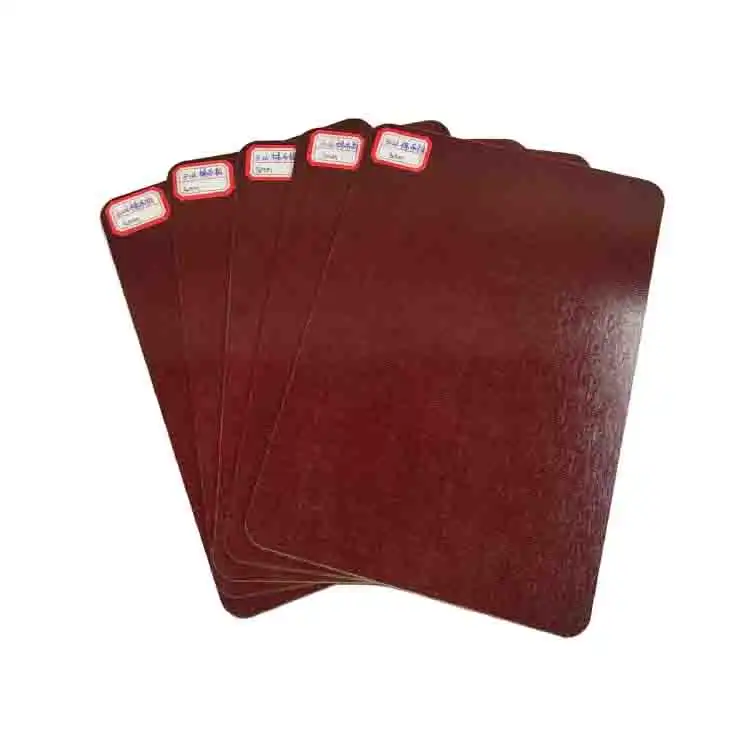
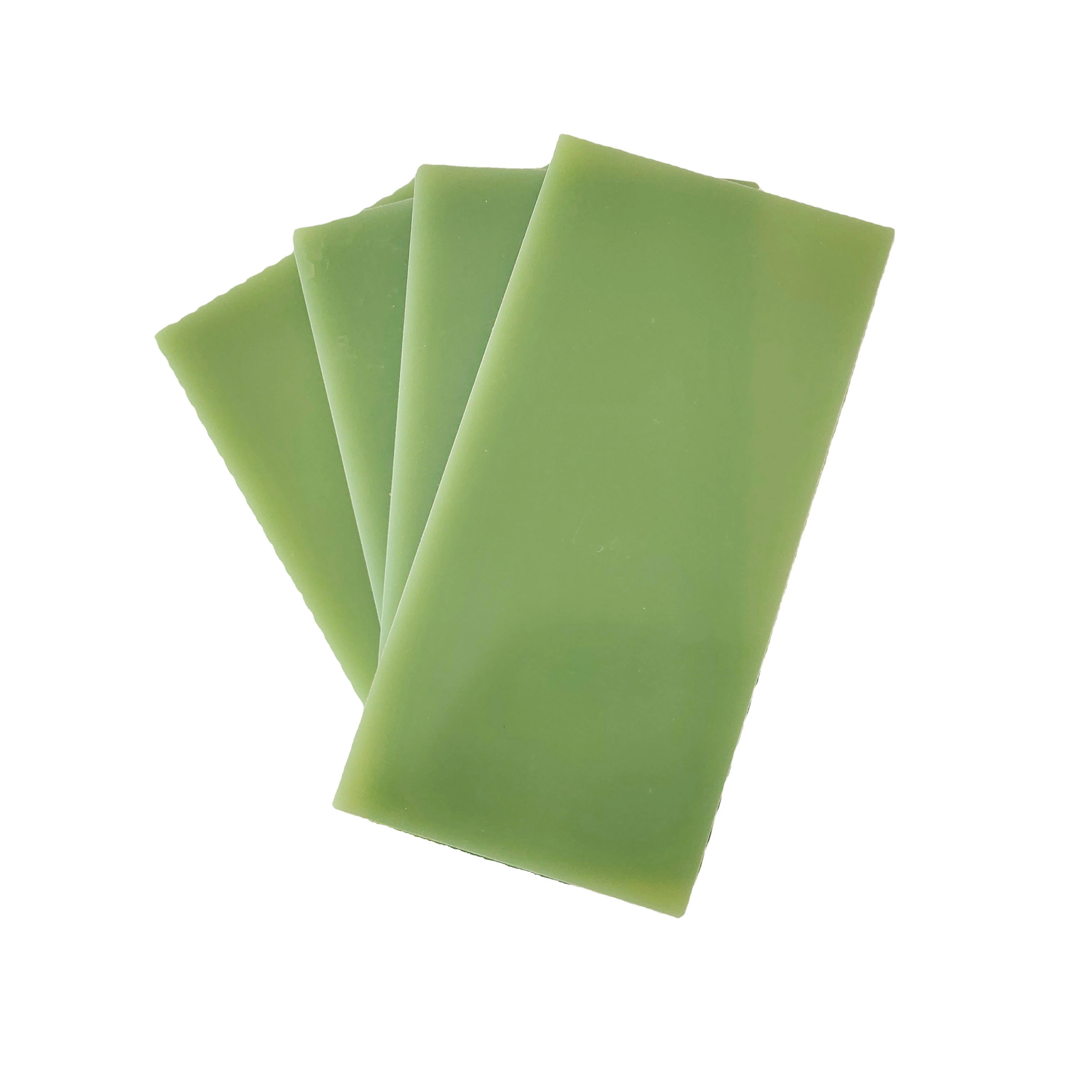
FR4 epoxy board is a composite material made from woven fiberglass cloth that has been mixed with epoxy resin that doesn't catch fire. When you put these two things together, you get a substrate that is very stable in terms of its shape and has excellent electrical insulation properties that are important for electronic uses. The label "FR4" on a material means that it meets flame resistance standards, which means it can be used in places where safety is important.
Physical and Chemical Properties That Influence Durability
The basic structure of epoxy glass laminate determines how long it will last under normal use conditions. Depending on the resin formulation, the glass transition temperature is usually between 130°C and 180°C. This has a direct effect on the thermal performance limits. Dimensional stability is affected by how much moisture a material absorbs. Under normal conditions, quality boards absorb less than 0.15% water.
Stability of the dielectric constant is important for high-frequency applications that depend on electrical properties staying the same over time. Chemical resistance depends on the density of the resin cross-linking and the materials used for filler. This can affect how well the material works in harsh industrial settings where it is regularly exposed to cleaning solvents or process chemicals.
Common Specifications and Thickness Variations
Standard thicknesses range from 0.1 mm to 6 mm, and each size is best for a certain type of application. Thinner substrates are better for flexibility, but they may lose mechanical strength when heated. For power electronics applications, thicker versions are needed because they are more rigid and better at getting rid of heat.
Copper cladding weight requirements, which are given in ounces per square foot, affect both how well it conducts electricity and how well it handles heat. Depending on how well the materials adhere to copper and how much they expand and contract, single-sided, double-sided, and multilayer configurations all have different durability issues to think about.
Environmental Conditions Impacting Longevity
Changes in temperature are the most important stressor that shortens the life of an FR4 epoxy board. Thermal cycling over and over again causes expansion and contraction, which can cause delamination or copper trace failure over time. When operating temperatures are higher than the glass transition points, the mechanical properties of the resin break down faster.
Another big problem is being exposed to humidity, especially in marine or tropical settings. When moisture gets into electrical insulation, it can make it easier for electrochemicals to move between conductors. Using the right conformal coating can help lower these risks, but you have to be careful when choosing the material and the way to apply it.
Mechanical vibration and shock loading can cause fatigue failure, which is common in aerospace and automotive applications. Knowing the ranges of vibration frequencies and acceleration levels helps choose the right board thickness and mounting methods to get the most out of the product's life.
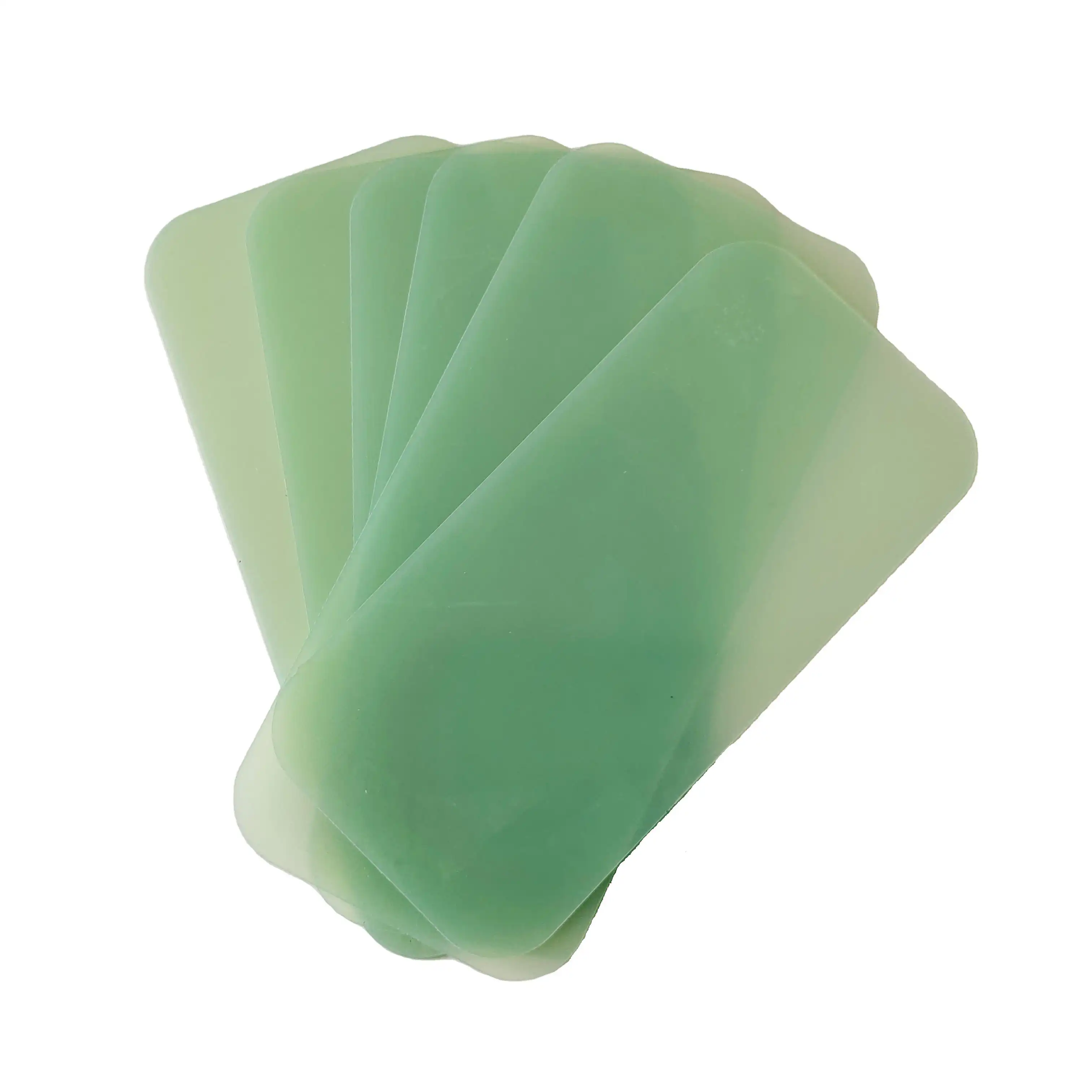
Key Factors Influencing FR4 Epoxy Board Durability
The quality of the raw materials is what makes printed circuit board substrates reliable over time. When it comes to mechanical properties, premium grade fiberglass reinforcement is better than standard electrical-grade materials. Both flexural strength and thermal expansion are affected by the weave pattern and fiber orientation in a big way.
Resin Formulation and Manufacturing Processes
Newer epoxy resin systems have better cure chemistry that makes the cross-link density and thermal stability better. Most of the time, low-loss formulations made for high-frequency applications age better than standard FR4 grades. Controlling the manufacturing process while the prepreg is being made and then laminated has a direct effect on the amount of voids and the integrity of the bond lines.
During lamination, the pressing temperature and pressure profiles affect the properties of the final material and its ability to stay stable over time. Not having the right conditions for curing can cause cross-linking to be incomplete, which can cause the material to break down too quickly when exposed to heat. Quality manufacturers use statistical process control to make sure that the properties of the materials are the same from one production lot to the next.
Thermal and Mechanical Stress Analysis
To manage thermal stress in an FR4 epoxy board, you need to know how to match the coefficients of thermal expansion of different board materials and parts. When expansion rates don't match, stress builds up inside the material over time, which eventually causes it to break.
The following things have a big impact on thermal performance:
- Glass transition temperature ranges: Working 30 to 40°C below Tg provides enough safety margins for long-term dependability.
- Optimizing thermal conductivity: Better thermal dissipation lowers the formation of hot spots and the stress that comes with them.
- Controlling the coefficient of thermal expansion: matching the expansion of the X and Y axes stops warping and component stress
- Z-axis expansion management: controlling expansion perpendicular to the board plane is important for through-hole reliability.
When buying materials for temperature-sensitive applications, these thermal factors have a direct effect on the choices that are made. For example, automotive electronics need materials that can work in temperatures ranging from -40°C to +125°C without breaking down.
Different grades and thicknesses of FR4 have very different levels of mechanical stress tolerance. Standard grades usually have a flexural strength between 340 and 450 MPa. High-performance types have higher values because they have better resin systems and reinforcement structures.
Chemical Resistance and Flame Retardancy
Chemical compatibility is very important in industrial settings where boards come into contact with cleaning solvents, process chemicals, or airborne pollutants. Standard FR4 formulations don't react with most common solvents, but they may break down over time if they are exposed to strong acids or bases.
How well a flame retardant works depends on what the material is made of and how it was processed. The UL 94 V-0 rating means that the material can put out fires on its own within certain time frames. However, flame retardants can lose some of their effectiveness over time when they are exposed to high temperatures because the chemicals break down.
Comparative Analysis with Alternative PCB Base Materials
Knowing about different types of materials helps procurement teams make the best decisions based on cost and performance for each application. There are pros and cons to each substrate technology that change how long the product is expected to last.
Performance Comparison with Metal Core PCBs
Metal core printed circuit boards are great for managing heat, but they have different issues when it comes to how long they will last compared to an FR4 epoxy board. Aluminum-based substrates are better at getting rid of heat, but they need to be carefully matched to the substrate's thermal expansion to keep it from delaminating. The materials that sit at the thermal interface between the metal cores and the dielectric layers could break when the temperature is changed.
A study of costs shows that metal core solutions are usually three to five times more expensive than similar FR4 substrates. This means that they are only cost-effective when the better thermal performance makes them worth it. When comparing service lives, thermal stress levels are very important. Metal core boards might last longer than FR4 in high-power applications, but they don't have any advantage in standard electronic assemblies.
Glass Epoxy and Phenolic Alternatives
The cost of CEM-1 and CEM-3 materials is lower than that of FR4, but they don't perform as well. Paper-based phenolic substrates are the cheapest option, but they don't have good electrical properties or resistance to the environment. In situations where cost is important and service life limits allow lower performance margins, these alternatives are good choices.
In addition to FR4, other types of glass epoxy include high-frequency materials that work best in microwave applications. Because the resin chemistry is better, these premium substrates often have better aging properties. However, the price is usually 2 to 4 times that of standard FR4.
Procurement Considerations to Maximize FR4 Board Service Life
Over time material quality and the total cost ownership costs are greatly affected by strategic purchasing options. If you choose suppliers with strong quality management systems, you can be sure that the properties of the materials will stay the same and meet the requirements for multiple production lots.
Supplier Selection and Quality Assurance
Established suppliers usually have better process control and can track materials better than new suppliers. ISO 9001 certification is the basic level of quality assurance. AS9100 or TS16949 certifications show that quality standards for aerospace or cars have been met.
Supplier inspection programs should check how well incoming materials are tested, how well environmental controls are in place for storage and handling, and how well statistical process control is used. Documentation needs to include certifications for materials, test reports, and records that show how finished goods can be linked to lots of raw materials.
Order Specifications and Lead Time Management
Specifications for materials that are very specific, such as for an FR4 epoxy board, keep people from getting confused, which could hurt performance. Some important factors are the glass shift warmth, the thermal expansion coefficients, the dielectric properties, and the flame retardant compliance. For standard grades, thickness tolerances are usually around 10%. For precision applications, they are around 5%.
Planning for lead times needs to take into account the availability of materials and the capacity of suppliers. Standard FR4 grades usually have delivery times of two to four weeks, but special formulations may need six to eight weeks. Using buffer inventory helps you deal with problems in the supply chain and keep your costs low.
Best Practices for Handling and Using FR4 Epoxy Boards
When you handle and store things the right way, you protect their properties and keep them from getting dirty, which could shorten their useful life. During storage, environmental controls stop the absorption of water and changes in size that could affect processing yields.
Storage and Environmental Controls
Controlled atmosphere storage keeps the properties of materials stable over long periods of time. Stable temperatures between 15°C and 25°C and a humidity percentage below 60% stop degradation caused by moisture. Vacuum packaging gives things that are stored in damp places or for long periods of time extra protection.
Material rotation procedures make sure that older stock gets used first, which keeps it from going bad before its time. Most FR4 materials keep their properties stable for 12 to 24 months if they are stored properly, but vacuum packaging may make them last longer than the recommended time.
Processing Techniques and Quality Control
To avoid delamination or edge damage, machining operations need the right tools and cutting parameters. Carbide tools have the best edge quality and the least amount of tool wear. The right cutting speeds and feed rates must balance the need for high productivity with good edge quality.
Because of the glass fiber content in an FR4 epoxy board, drilling operations are especially hard. Diamond-coated drill bits or special PCB drills keep the quality of the holes and extend the life of the tools. Using entry and exit boards stops tear-out damage that could spread to places where stress is high.
Company Introduction and Our FR4 Epoxy Board Solutions
Over the past twenty years, J&Q has specialized in making and selling high-performance insulating materials for a wide range of industrial uses. We can make custom solutions that perform better than expected and stay competitive in price because we know a lot about material science and what our customers want.
Our Product Portfolio and Technical Capabilities
We offer both standard and custom grades of FR4 epoxy board to meet the specific needs of customers in the electronics, automotive, and industrial sectors. The thickness of the material can be anywhere from 0.5 mm to 25 mm, and the copper cladding can be changed to fit your needs. UL and RoHS compliance makes sure that safety-critical applications follow the rules.
For high-frequency uses, advanced material grades include dielectric formulations with low loss and variants with improved thermal conductivity for power electronics. Custom sizing and machining services give customers ready-to-use parts that make their manufacturing processes more efficient while still meeting strict size requirements.
Value-Added Services and Supply Chain Solutions
Some of the technical support services that are available are help with choosing materials, application engineering advice, and failure analysis. Our experienced engineering team works with customers to make the best material choices based on their needs and the conditions in the environment.
Our dedicated transportation network and integrated logistics make sure that deliveries happen on time and at a lower cost. There are different kinds of flexible packaging that can meet the needs of different customers and keep materials safe throughout the supply chain. Our ten years of experience in international trade makes it easy for customers around the world to communicate and get documents.
Conclusion
The service life of FR4 epoxy board depends on how the materials are chosen, the environment, and how they are handled at every step of the supply chain. When you store and process things the right way and use high-quality materials from reputable suppliers, you get the best performance and the lowest total cost of ownership. When procurement professionals understand these factors, they can make decisions that balance the need for performance with the limitations of the budget. Strategic partnerships with suppliers and full technical support make value delivery even better for demanding applications in the industrial and electronics sectors.
FAQ
How long does FR4 epoxy board usually last in normal conditions?
When used normally, with temperatures below 85°C and controlled humidity, good FR4 boards should last between 15 and 25 years without breaking down. Service life depends on how often the temperature changes, how much mechanical stress there is, and how the product is exposed to the environment.
How does the thickness of the board affect how well it works mechanically and thermally?
It is true that thicker boards are stronger and better at transferring heat, but they may also have more thermal mass and be less flexible. The standard thickness of 1.6 mm is the best balance for most uses, but different dimensions may be better for certain needs.
Can FR4 boards be changed to work with high-frequency equipment?
Yes, there are special FR4 formulations for high-frequency uses that have better electrical properties and less dielectric loss. These materials usually cost more than standard grades, but they perform better in terms of signal integrity.
Partner with J&Q for Superior FR4 Epoxy Board Solutions
J&Q can help you with your material needs by providing you with high-quality FR4 epoxy board solutions. They have been manufacturing and trading internationally for many years and have a lot of experience. We have a large inventory, can provide technical support, and have an integrated logistics network that makes sure the supply chain works well for tough applications. Get in touch with our team at info@jhd-material.com to talk about your specific needs and find out how our partnerships with FR4 epoxy board suppliers can help you get the best deals while also improving your procurement strategy.
References
Institute for Interconnecting and Packaging Electronic Circuits. "IPC-4101 Specification for Base Materials for Rigid and Multilayer Printed Boards." IPC Standards, 2019.
Harper, Charles A. "Electronic Materials and Processes Handbook, Fourth Edition." McGraw-Hill Professional, 2018.
Coombs, Clyde F. "Printed Circuits Handbook, Seventh Edition." McGraw-Hill Professional, 2016.
Tummala, Rao R. "Fundamentals of Microsystems Packaging." McGraw-Hill Professional, 2019.
Blackwell, Glenn R. "The Electronic Packaging Handbook." CRC Press, 2020.
Lau, John H. "Electronics Manufacturing with Lead-Free, Halogen-Free, and Conductive-Adhesive Materials." McGraw-Hill Professional, 2021.