Bakelite Board production process and application
2026-04-29 17:27:36
If you're looking for long-lasting insulation materials for business uses, you need to know how Bakelite boards are made. The controlled heat and pressure of this phenolic laminated sheet melt paper or cotton cloth with phenolic glue to make a hard thermoset material. The process of making it involves covering layers with resin, stacking them correctly, and then hardening them at a certain temperature and pressure to make them very stable and electrically insulating. Because of these features, Bakelite boards are essential for making electronics, power transfer systems, and fine machinery that needs to be reliable at all times.
Understanding Bakelite Board: Properties and Manufacturing Process
What Makes Bakelite Board Unique in Industrial Settings?
Born in 1907 by Leo Baekeland, Bakelite board was the first synthetic plastic material in the world. In contrast to modern thermoplastics, which melt when heated, this thermoset material keeps its shape even when the temperature changes. Bleached wood pulp paper or cotton cloth that is soaked with phenolic resin—a man-made material made from phenol and formaldehyde—makes up the main makeup. The chemical structure locks forever once it's healed, giving it a specific gravity of about 1.45 and a warpage level below 3°. Managers in engineering like that its electrical strength stays the same at room temperature, which makes it good for places where voltage is important. The material doesn't absorb water, so the insulation stays strong even when it's wet outside, where other materials might fail.
Step-by-Step Production Process
Preparing the raw materials is the first step in the making process. Cotton cloth or cellulose paper of high quality is checked for quality to make sure it has a regular structure and is clean. After that, these surfaces are put into resin impregnation tanks, which make sure that the phenolic resin is fully saturated. The sheets that have been coated, which are called prepregs, are partly dried to get the resin content ratios that decide the properties of the end board.
After being impregnated, several prepreg layers are stacked according to the thickness requirements. To get the best mechanical strength, production teams line up fibres in a certain way. The stacked parts are put into hydraulic hot presses, which change them. Chemical cross-linking takes place at temperatures between 150°C and 180°C and pressures between 1000 and 1400 psi. Depending on the width of the board, this drying process lasts between 60 and 90 minutes on average. The molecules of phenolic glue stick together permanently, making the hard laminate structure.
Some of the things that are done after the healing process include cooling under controlled conditions to stop internal stress from building up. When the boards are finished, they are carefully cut to standard sizes or to special needs. Surface grinding makes sure that the thickness tolerances meet industry standards, which are usually within 0.1mm for CNC cutting. Quality control teams check the electrical properties by breaking things down at high voltage and the mechanical strength by bending the parts in a way that meets ASTM D790 standards.
Quality Certifications That Matter to Procurement Teams
Manufacturers with a good reputation keep the certifications that are needed for B2B deals. IEC 60893 lists the electrical qualities of shielding materials, while ASTM standards set the makeup and performance guidelines for materials. UL certification makes sure that fire protection levels are met, which is especially important for electrical uses. ROHS compliance confirms limits on certain substances, which is in line with environmental laws in North American and European markets. Getting ISO 9001 approval shows that you handle quality in a planned way throughout the whole production process. When considering sellers, buying professionals should check these qualifications along with proof of their ability to make things. Records of batch uniformity, thickness tolerance charts, and dielectric strength test results show that production can be done.

Core Applications of Bakelite Boards in Industry
Bakelite board phenolic laminates are used in many industrial areas for tasks that need to be electrically isolated and have strong structures. The material is flexible enough to be used for everything from tiny computer parts to heavy-duty mechanical systems. It can be used to solve a wide range of engineering problems in a variety of industrial settings.
Electrical Insulation in Switchgear and Control Panels
Bakelite boards are used in power distribution systems as phase dividers, busbar supports, and arc chutes in switchgear units. Even when exposed to transformer oils or hydraulic fluids, the material keeps its high insulation resistance of more than 10–12 ohms. Electrical engineers use these boards in circuit breaker housings because they stop arcs before they can cause catastrophic failures. When building a control panel, the boards are used to place switches, contactors, and terminal blocks. The natural resistance to flames, which often gets V-0 scores in UL 94 testing, adds important safety gaps. In contrast to fibreglass options, which may separate during heat cycling, phenolic laminates keep their bond strong at temperatures ranging from -40°C to 120°C.
PCB Manufacturing Support and Drilling Applications
Electronics companies use Bakelite boards as backup and substitute materials for making holes in printed circuit boards. When CNC drilling at high speeds, a lot of heat and mechanical force are created. The surface roughness of the board keeps copper-clad laminates from getting burrs, so the quality of the holes stays the same after thousands of drill rounds. Its thermal stability successfully gets rid of heat, which cuts down on drill bit wear and stops resin from spreading, which makes it harder for metal to stick. The material's physical stability helps production lines that work with layered PCBs because the boards don't bend when they're under pressure, which keeps hole placement accurate within 0.05mm. This level of accuracy is very important for high-density connection designs, since misalignment can lead to electrical shorts.
Mechanical Components in Automotive and Industrial Machinery
Dynamic mechanical settings are great places for fabric-based phenolic laminates to work. Auto parts makers cut these sheets into battery pack shields that keep electricity from getting to lithium-ion cells and give the cells support. The insulating strength of the material keeps short circuits from happening and dampens movements that could harm electrical devices. Industrial machinery builders use cotton-based Bakelite board to make gears, bearings, and camshafts. Comparative studies have shown that these parts are 15-20 decibels quieter than metal options and can cut down on noise pollution in factories. Because they are self-lubricating, phenolic gears don't need much upkeep. They work well with little oil, which increases service times and lowers running costs.
Customization Options for Specialized Applications
Business-to-business clients often need custom solutions that go beyond standard sheet sizes. Manufacturers give CNC cutting services to make threaded plugs, precise holes, and surfaces with different shapes and contours. You can change the thickness from 0.5 mm sheets for small electronics to 50 mm thick plates for heavy-duty uses. Colour-coding choices help people working on an assembly line find the right parts, which lowers the risk of installation mistakes. For aesthetic reasons, some sellers offer surface processes that make it easier for adhesives to stick or paint to stick. Engineers can easily add phenolic parts to current products because custom drilling patterns, grinding processes, and laser cutting can be used to meet specific design requirements.
Procurement Guidance: How to Buy Bakelite Board Efficiently
Evaluation of suppliers, clarity of specifications, and optimisation of the supply chain are all important parts of successful buying strategies for Bakelite board. Structured methods help engineering managers and procurement experts make sure that the quality of materials fits practical needs while keeping costs low.
Identifying Qualified Suppliers and Manufacturers
Assessing a supplier's abilities is the first step in choosing one. Some signs of a company's ability to make things are the number of tonnes it can press (bigger presses can handle thicker boards and more output), quality system certifications, and the availability of expert help. Suppliers who have their own testing labs can qualify materials faster than those who hire outside companies to do the work. Lead times depend on where the goods are coming from. For example, local suppliers usually deliver within two to three weeks, but foreign sellers can take up to eight weeks, which includes time for customs clearing. Different companies offer different payment options. Well-known companies usually let approved accounts pay net-30 or net-60, but smaller companies might need fees or lines of credit. Before placing a large order, asking for production samples lets you check the thickness limits, quality of the surface finish, and machine features that are important for your unique needs.
Specifications That Ensure Compatibility
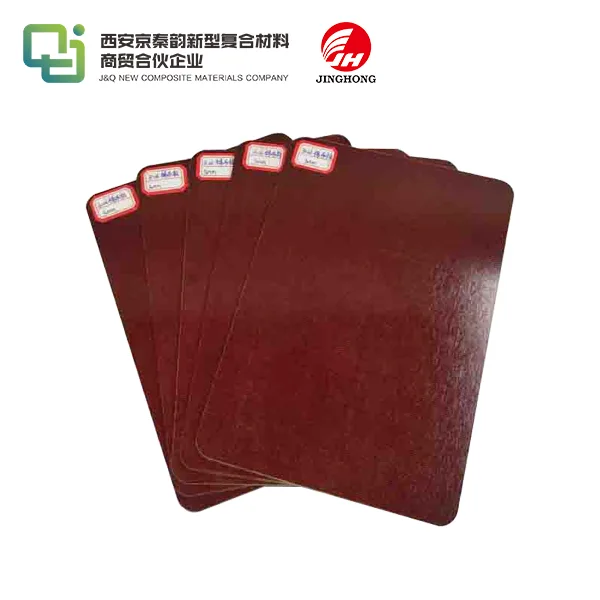
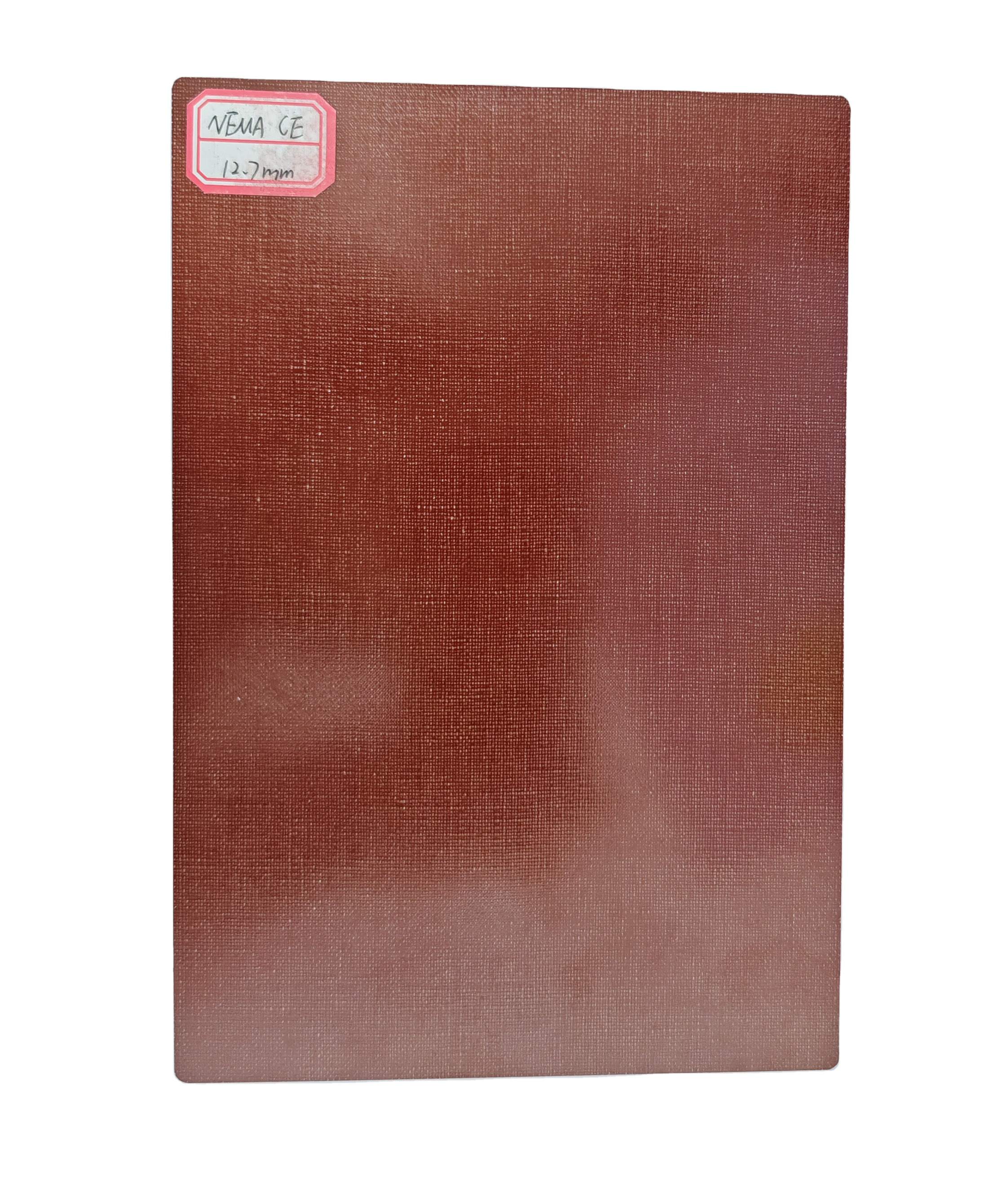
Not knowing basic details can cost a lot of money. Tolerances for thickness should be included (usually ±5% for normal grades and ±2% for precision uses). The size of the sheet affects how much of the material is used. Standard sizes like 1000x2000mm or 1220x2440mm make cutting more efficient, which cuts down on waste and costs. The following test standards must be used in electrical property specifications: ASTM D257 for volume resistivity, ASTM D149 for dielectric strength, and ASTM D495 for spark resistance. The mechanical standards include numbers for bending strength, compression strength, and impact resistance that are based on how the product will be used. For visual quality control, colour requirements are important. For example, a natural tan colour means the grade is made of paper, while a darker brown colour means it is made of cotton fabric reinforcement. There are different types of surface finishes, from normal industrial grade to precision-ground surfaces that meet the flatness needs of optical or electronic equipment.
Bulk Purchasing Strategies and Volume Advantages
Price savings and supply security are unlocked by volume agreements. Breaks in quantity usually happen at 100 kg, 500 kg, and 1000 kg, and savings range from 8 to 15% based on the grade of the material and the state of the market. Annual blanket orders with planned drops keep budgets stable and make sure that materials are available during times of high production. Large users can keep stock on hand with consignment inventory deals because they don't have to pay right away. This makes managing cash flow easier. Different suppliers have different minimum order amounts. Smaller speciality makers may be able to handle 50 kg orders, while bigger companies set minimums of 200 to 500 kg. For custom sizes, the minimum order quantity is usually bigger (300–1000 kg) to cover the costs of tools and setup, but some sellers don't have minimums if you pay more.
Evaluating Lead Times and Logistics Considerations
Standard grades are usually kept in stock and shipped within days of an order being placed. Custom specs mean that production needs to be planned, which makes wait times 3–4 weeks longer. International mailing makes things more complicated. Ocean freight is cheaper for big orders, but it takes 4 to 6 weeks longer to arrive. Air freight speeds up arrival to 5–7 days, but it costs a lot more to carry. The quality of the packaging affects the state of the goods when they arrive. Wooden crates protect goods better than cardboard boxes, especially precision-ground boards that are easily damaged on the surface. Protecting against moisture is important for long-term keeping; vacuum-sealed packages with desiccants keeps the qualities of materials while they are being stored. Transportation insurance protects against damage or loss. This is especially important for large orders or speciality materials that take a long time to replace.
Ensuring Optimal Use and Long-Term Value of Bakelite Boards
Getting the most out of Bakelite board means paying attention to how it is handled, stored, machined, and new technologies that are coming out. When done right, execution extends service life and stops early breakdowns that hurt the trustworthiness of equipment.
Storage and Handling Best Practices
Phenolic laminates stay stable as long as they are stored properly. The temperature should be kept between 15°C and 25°C, and the relative humidity should be less than 60%. Even though hardened resin doesn't take too much wetness, it can change the surface properties and how it works when it's machined. When you stack things, you need flat, level surfaces that can support the full size of the sheet. Thinner gauges bend where pressure points are concentrated. Protective interleaving with kraft paper keeps the surface from getting scratched when it's being handled. Vertical storage racks are good for storing smaller amounts of stuff while taking up as little floor space as possible. However, sheets thicker than 10 mm can handle being stacked vertically better than thin materials that tend to bend. First-in, first-out rotation methods keep things from being stored for long periods of time, which could make it harder to track down materials for quality paperwork.
Machining and Fabrication Guidelines
Cutting tasks work best with saw blades that have a steel tip and between 60 and 80 teeth for clean cuts. Between 2 and 5 meters per minute, feed rates are just right for balancing output with edge quality. Using a coolant while drilling stops heat buildup that would break down the plastic. Cutting fluids that dissolve in water work well, but some makers like to use dry machining with compressed air cooling instead. The type of drill bit used affects the quality of the hole. Carbide or high-speed steel bits with point angles of 118 degrees make clean holes with little burring. Spindle speeds between 2000 and 4000 RPM work well for most thickness ranges. The speed can be changed depending on the hole width and the thickness of the material. For routing tasks with complex shapes, you need to use climb milling methods to keep edge tearout to a minimum. Dust collection systems keep workers safe from phenolic particles and make it easier to see when they are doing precise work. Isopropyl alcohol cleaning after cutting gets rid of dust without changing the qualities of the surface.
Innovations Enhancing Future Performance
New developments answer worries about the environment and increase the number of ways they can be used. Bio-based phenolic resins made from lignin and other green sources are being looked into by manufacturers as a way to cut down on their reliance on petroleum while keeping the same performance levels. Nanoparticle stabilisers improve the mechanical qualities. For example, adding silica or alumina can increase wear resistance by 20–30% without affecting the electrical insulation. By mixing phenolic glue with aramid fibres, hybrid laminates can reach strength-to-weight ratios that were previously only possible with epoxy systems. This makes them useful in aircraft and defence. Using plasma treatment to change the surface makes it easier for conformal coats and potting solutions to stick, which opens up new ways to put things together. Digital manufacturing integration lets you check the quality of the product in real time while it's being made. Built-in sensors keep track of temperature profiles and cure states, which lowers the number of defects and raises the regularity of each batch. With these improvements, phenolic laminates can compete with younger materials while still being cheaper and having a history of good performance.
Troubleshooting Common Application Challenges
Mismatches in specifications or bad fitting are common causes of early failure. If you look closely and see that layers are separating, it means that the material needs to be replaced because it was exposed to too much moisture during production or during manufacturing. Cracking under mechanical load means the thickness isn't right for the stress levels being applied. Finite element analysis helps choose the best part shape or material grade. For electrical tracking to work on surfaces that could be contaminated, they need to be cleaned with approved chemicals and inspected on a regular basis. Discolouration or brittleness are signs of thermal degradation, which happens when working temperatures are higher than the material's values. Problems like these can be fixed with thermal shields or better material grades. Remaining cutting stresses can cause precision assemblies to become unstable in terms of their dimensions. To stabilise parts before they are put together for good, stress-relief heating at 100–110°C for 2–4 hours is recommended.
Conclusion
The production of bakelite board blends thermosetting technology that is over a century old with current manufacturing accuracy, resulting in reliable electrical insulation and mechanical strength across challenging industrial uses. When buying teams know about the resin impregnation process, hardening factors, and quality standards, they can choose materials that meet all practical needs. Applications include supporting PCB cutting and insulating switches, as well as making precise mechanical parts for the car and machinery industries. When you compare Bakelite to other materials, you can see that it is the best choice for mid-range electricity needs, easy machining, and good value for money. For buying to work well, suppliers need to be qualified, requirements need to be clear, and amount needs to be planned strategically. Handling, cutting, and staying up to date on technical breakthroughs are all important for getting the most out of materials and making sure they last as long as possible.
FAQ
What kinds of thicknesses are there, and how do I choose the right one?
Standard widths are between 0.5 mm and 100 mm, and 3 mm, 6 mm, 10 mm, 15 mm, and 25 mm are popular commercial sizes. The choice is based on the power needed, the calculated mechanical load, and the amount of fixing room that is accessible. Sheets that are thin (0.5 to 3 mm) can be used for PCBs and as electrical shields. Thicknesses between 6 and 15 mm are good for electrical parts and structural insulators. Heavy plates (20 mm or more) hold up heavy mechanical parts and busbar supports. Engineers need to figure out safety factors that take into account voltage creepage lengths and mechanical stress concentrations.
How does chemical protection stack up against other types of insulation?
Mineral oils, weak acids, and most solvents don't stick to phenolic laminates very well, which means they can be used in places like transformers and hydraulic equipment. They don't stand up well to strong alkalis and oxidising acids, which break down the phenolic core over time. Compared to fluoropolymers, which are resistant to all chemicals, Bakelite is a much cheaper way to protect things in commercial settings. Before choosing a material, application-specific chemical exposure testing makes sure that it is compatible.
Can Bakelite boards be changed to meet special technology needs?
Precision cutting to complicated shapes, surface grinding to exact thickness standards, and speciality glue formulations that improve specific qualities are all ways that you can make something unique. Manufacturers can make cutting patterns, threaded inserts, and measurement requirements that aren't available in their regular lines. Depending on how complicated the job is, the minimum order quantity for custom work is usually between 100 kg and 500 kg. Achieving manufacturability and lowering costs are easier when engineers work together during the planning phase.
Partner with J&Q for Your Bakelite Board Requirements
J&Q is a reliable source for Bakelite board because they have been making things for over 20 years and have been trading internationally for ten years. Our factory is ISO 9001 certified and has a wide range of testing tools that check the electrical and mechanical qualities of every batch. Engineering support teams help you choose the right materials, make unique specifications, and fix problems with your applications, making sure they work well in your particular working setting.
Email our expert sales team at info@jhd-material.com to talk about your unique needs. We offer quick quotes, samples of the materials for quality testing, and a range of buying choices that can accommodate both small quantities for prototypes and large amounts for production. Use our knowledge to help you make your purchases more efficiently and get reliable products.
References
Baekeland, L.H. (1909). "The Synthesis, Constitution, and Uses of Bakelite." Industrial & Engineering Chemistry, Volume 1, Issue 3, pages 149-161.
Harper, C.A. (2006). "Handbook of Plastics Technologies: The Complete Guide to Properties and Performance." McGraw-Hill Professional, Chapter 8: Thermoset Plastics.
ASTM International (2021). "ASTM D709-21: Standard Specification for Laminated Thermosetting Materials." ASTM Standards Volume 08.01.
IEC Technical Committee 15 (2019). "IEC 60893-3-4: Specifications for Industrial Rigid Laminated Sheets Based on Thermosetting Resins for Electrical Purposes." International Electrotechnical Commission.
Biron, M. (2018). "Thermoplastics and Thermosetting Polymers: Properties and Processing." Elsevier Science, pages 427-468.
Wang, J. and Zhang, H. (2020). "Recent Advances in Bio-based Phenolic Resins: Structure, Property Modification and Application." Polymer Reviews, Volume 60, Issue 2, pages 340-375.
.webp)