Electrical Insulation Phenolic Cotton Cloth Board Application
2026-04-29 17:27:38
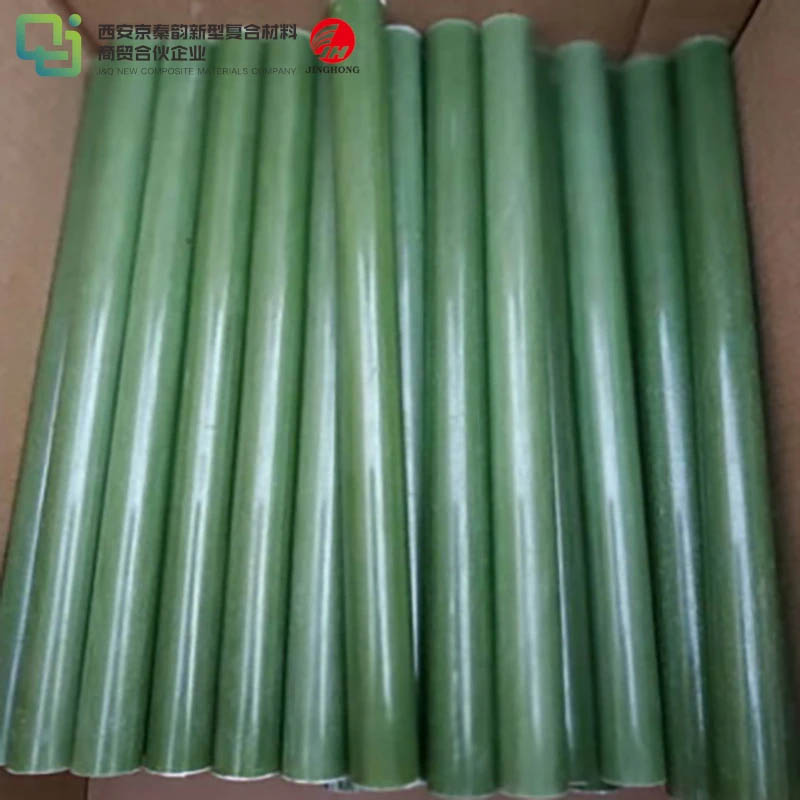
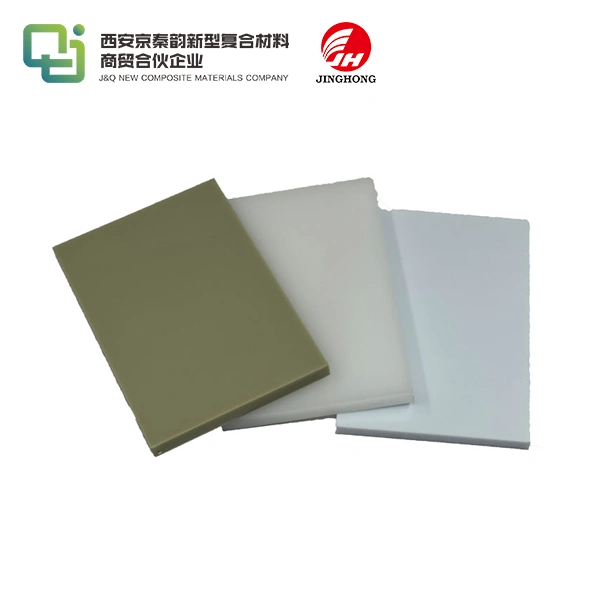
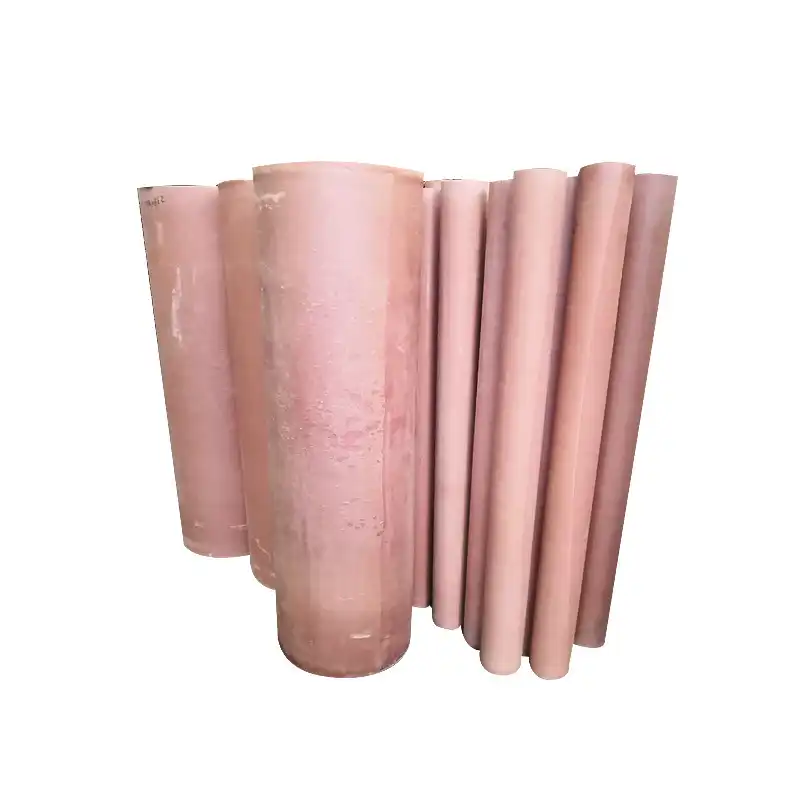
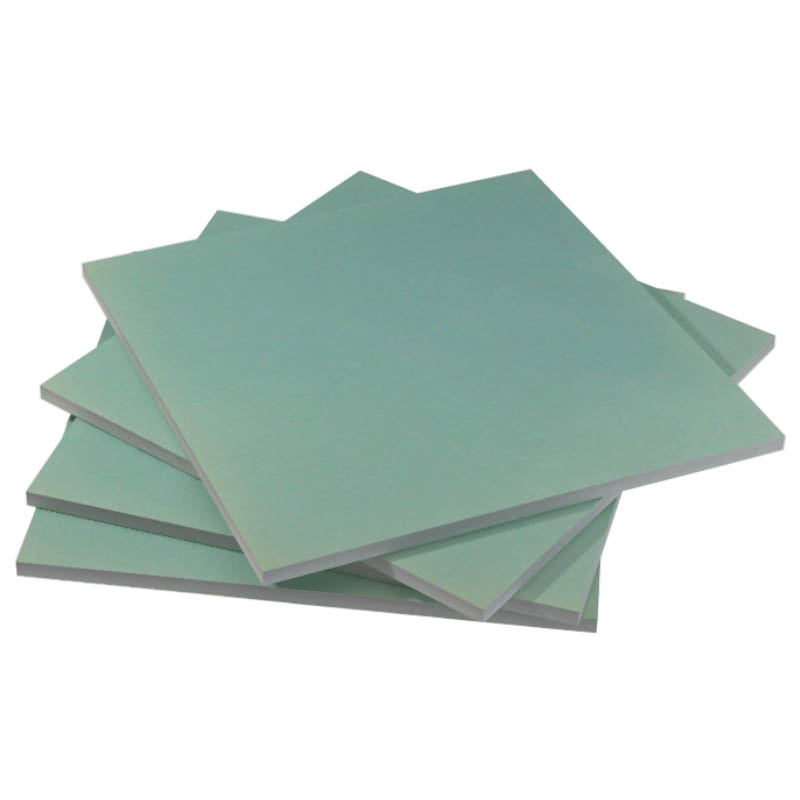
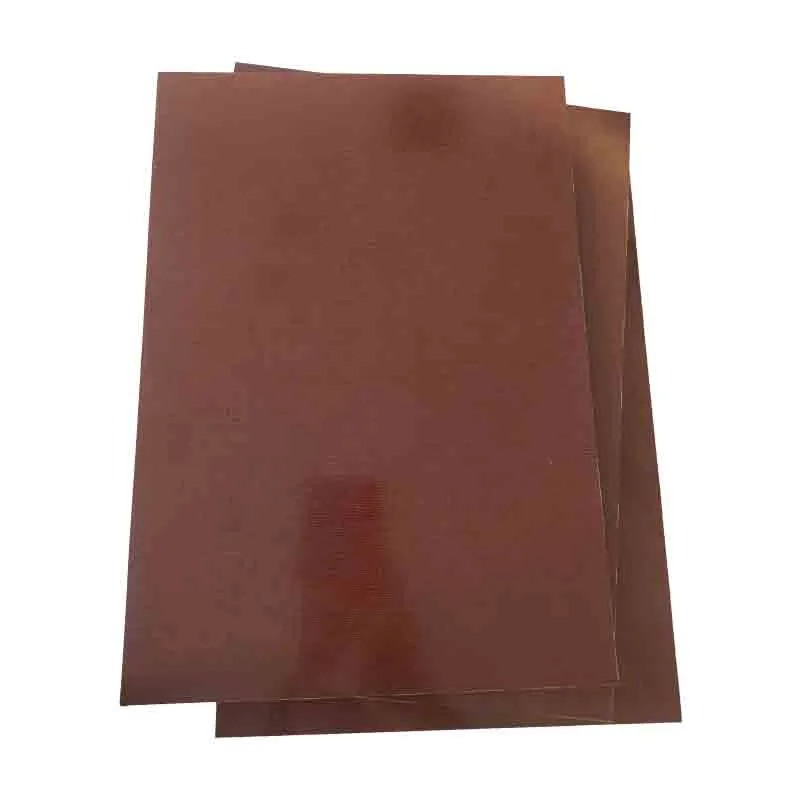
Phenolic cotton cloth board is an important electrical insulation material used in many industries because it lasts a long time and works well in places where safety and dependability must be maintained. This composite laminate is made by carefully heating and pressing knitted cotton cloth and phenolic resin together. It has great dielectric strength, mechanical toughness, and temperature stability. This material is used in many fields, from power distribution to making cars. It is used for things like transformer insulation, switchgear components, motor frames, and PCB support structures, where other materials often fail in tough conditions.
Understanding Phenolic Cotton Cloth Board: Properties and Manufacturing
Composition and Technical Specifications
To make phenolic cotton cloth board, several layers of cotton fabric are saturated with phenolic resin. The fabric is then cured under controlled heat and pressure. This method makes a thermosetting material that stays strong even when it's under a lot of stress. International standards are met by the material, which has IEC names such as PFCC201, PFCC202, PFCC203, and PFCC204. It also meets NEMA grades C and CE, which describe coarse and fine weave versions, respectively. When we make things at J&Q, we make sure that every sheet has the same thickness limits, surface smoothness, and dielectric qualities that meet UL certifications (E310670) and ROHS requirements.
The cotton fabric base gives it tensile strength and flexibility that phenolics made from paper can't match. The phenolic resin matrix adds chemical resistance and heat stability. This combination fixes the brittleness that happens a lot with adhesive materials, so the board can be used for both electrical protection and high-impact mechanical tasks.
Key Material Properties
Understanding the performance traits helps engineers and buying teams choose the right grades for each job. Phenolic cotton cloth laminates are different from other materials because they have a number of unique qualities.
- Mechanical Durability: The woven cotton structure has great resistance to impact and tensile strength, especially when stretched across the grain. Because of this, the material is perfect for mechanical parts like gears, spacers, and bearing surfaces where metal options would make too much noise or need to be oiled all the time.
- Electrical Insulation: These boards work well in transformers, switches, and motor systems because they have enough insulating power for medium-voltage uses. The material's shielding qualities stay the same even when the temperature changes, which keeps important electrical equipment from breaking down.
- Thermal Performance: The temperature range for normal use is up to 120°C all the time, but based on the grade, it may go up to higher temperatures for short periods of time. This resistance to heat keeps sensitive parts in power transfer systems and battery packs for cars safe.
- Chemical Stability: Being resistant to oils, solvents, and weak acids makes things last longer in places where industrial gear is likely to get dirty. Hydraulic fluids, oils, and cleaning products can be used on the material without breaking it down.
When you put these characteristics together, you get a flexible insulation system that can solve a number of technical problems with just one material. Procurement professionals like this merging because it makes managing supplies easier and makes sure that all applications work the same way.
Manufacturing Quality Control
At J&Q, our production process for phenolic cotton cloth board includes strict quality checks at every step of the way. A pre-treatment is done on cotton cloth to make sure that the resin is absorbed evenly. This gets rid of any weak spots that could affect performance. During the impregnation phase, carefully controlled glue formulas that are best for each grade are used. This is followed by heat hardening processes that create the highest cross-linking density.
Continuous measurement methods keep errors within 5% for standard sheets and check that the thickness is the same all over. Before the material gets to the CNC cutting steps, it is checked for any delamination or hole formation on the surface. This focus on industrial discipline makes sure that technical buying teams and engineering managers get materials that will work reliably in tough situations, which cuts down on failures in the field and guarantee claims.
Application Scenarios and Advantages in Electrical Insulation
Electrical and Electronics Manufacturing
Phenolic cotton cloth board serves as structural support and insulation barrier in PCB assembly and the production of electronic equipment. Because the material can be cut precisely with a CNC machine, mounting frames, standoffs and bus bar insulators can be made without cracking or delaminating. Manufacturers of switchgear depend on these boards for arc barriers and phase separators because they are flame resistant and don't change shape when there is a fault.
Manufacturers of motor parts use the boards as slot wedges and coil separators because the material can handle mechanical shaking while keeping the electricity from flowing through it. The low moisture absorption rate makes sure that the dielectric performance stays the same even in wet conditions, which is very important for equipment used in warm areas or at sea.
Industrial Machinery Applications
It is always hard for machinery makers to find the right balance between electricity safety and mechanical strength. In high-load situations, phenolic cotton cloth laminates act as structural insulation by physically separating components and protecting them from electrical damage. The self-lubricating features of the material make mechanical spacers and bearing surfaces better than metal ones because they require less upkeep and make less noise when they're in use.
The making of gears is another important use, especially in places where metal gears could cause sparks or electromagnetic interference. The composite material absorbs pressure loads and runs quietly with little grease. This makes the workplace safer and extends the life of tools. OEM buying managers like that the quality of each batch of the material is the same. This makes manufacturing easier and lowers the number of rejects during quality review.
Power Distribution and Transformer Systems
These laminates are used by transformer makers to insulate coils, block arcs, and support structures in high-voltage systems. Power companies and factories need the material to meet strict safety standards for flame resistance and arc tracking resistance. Electrical engineers choose these boards because they keep the equipment's dielectric stability over its entire life, even when it's constantly changing temperatures and being stressed mechanically.
The material's ability to keep heat in while avoiding electrical flashover is used for thermal safety in power transfer equipment. The boards act as temperature shields between the powered parts and the outside shelters, keeping people safe and keeping equipment from breaking down when it's overloaded.
Automotive and Transportation Components
Automotive suppliers use phenolic cotton cloth boards to keep heat out and keep electricity from flowing through battery pack parts. The temperature stability of the material stops thermal runaway in lithium-ion battery systems, which is an important safety trait in the design of electric vehicles. Precision cutting lets you make mounting mounts and insulating pads that are complicated and meet the standards of the car industry.
Researchers and developers like how the material can be changed to fit different needs and make prototypes. Tier-1 supply chain managers need stable batch quality and quick technical help. Our 20 years of production knowledge and focused transportation skills regularly deliver these things.
Home Appliance Integration
These boards are used by appliance makers to make motor brackets, insulation frames, and parts that separate heat from electricity. The material is both cheap and easy to work with, which lets it be produced in large quantities while still meeting quality standards. When product makers follow lean manufacturing principles and keep little inventory on hand, they need fast shipping processes and reliable supply lines.
When you compare these uses to other materials, you can see clear benefits. Mica sheets are better at withstanding high temperatures, but they are not very strong and are hard to work with. Fibreglass laminates have great electrical qualities, but they break easily when they are hit. Plastic laminates are cheaper, but they break down quickly when heated up. The performance of phenolic cotton cloth boards is just right, with appropriate qualities and a low total cost of ownership.
How to Choose the Right Phenolic Cotton Cloth Board for Your Needs?
Grade Selection and Specifications
To choose the right grades, you need to know about the working setting and success objectives. Standard types, like PFCC201, have appropriate electrical and mechanical qualities that make them good for a wide range of uses. Specialised grades offer better properties, like better resistance to oil (PFCC203) or higher mechanical strength (PFCC204).
Choosing the right thickness affects both cost and function. Thicknesses usually range from 0.5mm to 50mm. Thinner sheets are better for electrical insulation that needs to fit in a small area, while bigger parts are needed for structural and mechanical uses. When defining sizes, engineering managers should think about thermal expansion factors, especially for parts that will be exposed to large changes in temperature while they are working.
Compliance approvals affect the choice of materials, especially for tools that will be sold in other countries. UL recognition and ROHS compliance make sure that regulations are followed in many places, which makes the approval process easier for final goods. These certificates are on our products, which lowers the risk of buying for expert teams that have to deal with complicated legal environments.
Comparative Performance Analysis
When buying professionals look at different options, they should not only look at unit prices but also lifetime costs. In high-vibration settings, phenolic cotton cloth boards usually last three to five times longer than regular plastic laminates. This means that they need less upkeep and repair costs. The material's insulating properties don't change over time, unlike some composites that break down when they absorb water or go through changes in temperature.
Comparing thermal resistance shows that fiberglass-reinforced epoxies can handle higher constant temperatures, but phenolic cotton cloth boards are better at resisting impacts and being easy to machine. This trade-off is important for uses that need complicated shapes or where mechanical shocks happen often during operation.
Customization and Order Specifications
OEM buyers often need measurements or material qualities that aren't normal. Our production skills allow us to meet the specific needs of each application by providing custom thickness specs, over-sized sheet sizes, and changed plastic formulations. Minimum order numbers change based on how complicated the customisation is. Standard grades can be ordered in smaller amounts, while speciality recipes need bigger pledges to cover the costs of equipment and setup.
Lead times for phenolic cotton cloth board standard materials are usually between two and four weeks, but for special specs, they can go up to six weeks, based on the type of glue used and how long it takes to cure. Early on in the product development cycle, procurement specialists should have detailed talks to find out what customisations might be needed and to make sure that shipping dates are in line with production needs.
Sourcing and Procurement Strategies for Phenolic Cotton Cloth Board
Supplier Evaluation Criteria
In addition to price, there are other factors that need to be looked at when looking for trusted sources. Production capacity shows how well a company can keep up with rising demand and keep quality good during high-volume runs. Different types of materials are made on separate production lines in our building. This keeps them from getting mixed up and makes sure that all specifications are met.
Certification files show that you are dedicated to quality systems and following the rules. Structured quality management processes are shown by ISO 9001 certification, while material-specific certifications like UL recognition show that the product has been tested by a third party and that compliance is being monitored on a regular basis. During the screening process for suppliers, technical buying teams should ask for proof of approval.
Reputation in the industry and customer examples can help you figure out how reliable and quick a seller is. Companies like J&Q that have been making things for 20 years have seen many business cycles and come up with ways to keep supplies going even when there are shortages of raw materials or problems with logistics.
Pricing and Volume Considerations
Pricing models usually take into account the cost of materials, the difficulty of the process, and the number of orders. There are economies of scale that lower unit costs when you buy in bulk, especially for standard types and popular sizes. When you buy more than 500 square meters, you can get a volume price, though the exact limits depend on the seller and the material standard.
Minimum order numbers are a way to combine how efficiently products are made with how flexible customers can be. Standard grades usually have smaller minimums because they are easier to switch over to, but speciality formulas need bigger pledges to cover the costs of setting up. Strategic buying teams set up blanket orders with set release dates. This way, they can get better prices on large quantities while still keeping their supplies flexible.
Logistics and Supply Chain Management
When you ship something internationally, you have to deal with more issues than just packing it up and getting it through customs. When you handle something the right way, you keep its qualities until you put it. This keeps it from absorbing water and getting damaged during transport. Our combined transportation skills make this process easier and provide a single point of responsibility from the time of production to the time of delivery.
Managing lead times becomes very important when working with production plans. Standard materials can be shipped within set times, but unique specs need more time to plan. To get the most out of their working capital without putting production at risk, procurement experts should keep a backup stock of essential parts for important uses and use just-in-time shipping for common parts.
Conditions for storage must include climate-controlled areas with humidity control to stop moisture absorption, which can damage electrical qualities. The material should stay in its original package until it is used, and the orders should be rotated so that the oldest stock is used up before the arrival of younger stock.
Conclusion
Phenolic cotton cloth boards have been used for many years in a wide range of businesses for both mechanical and electrical protection purposes. The balanced qualities of the material solve important engineering problems like dielectric strength, mechanical longevity, temperature stability, and chemical resistance. To choose the right grades, you need to know about the application needs, the working setting, and the legal compliance needs. Along with reasonable prices, reliable suppliers, quality standards, and the ability to handle transportation are all important parts of successful buying strategies. Our experience at J&Q shows that when you combine industrial knowledge with quick technology help, you get partnerships that go beyond just being a provider. These partnerships offer value through stable quality and reliable supply lines.
FAQ
What kinds of thicknesses are there for phenolic cotton cloth boards?
Standard widths range from 0.5 mm for electrical insulation that is very thin to 50 mm for solid mechanical parts. Some common thicknesses are 1 mm, 2 mm, 3 mm, 5 mm, 10 mm, and 20 mm. However, unique widths can be made to meet specific engineering needs. When choosing a thickness, you should think about how much motor load you need, how far electricians need to be able to reach, and how you need to handle heat.
What is the difference between phenolic cotton cloth board and fibreglass laminates when it comes to heat resistance?
Epoxy laminates with fibreglass reinforcement can usually handle higher constant temperatures; they are often rated to 180°C, while standard phenolic cotton types can only handle 120°C. The phenolic material is better at resisting impacts and being flexible, which makes it better for uses that will be affected by shaking or mechanical shock. When choosing between these materials, you should weigh the needs for thermal performance against the needs for motor performance.
Can I order special sizes, and how long does the lead time usually take?
You can get sheets that are too big or too thin, or you can get them in custom sizes. Standard material specs usually ship two to four weeks after the order is confirmed. Depending on how complicated the processing is, it could take six to eight weeks for custom formulas or sizes. Getting involved with professional teams early on helps figure out what changes need to be made and sets realistic release dates that are in line with project deadlines.
Partner with J&Q for Your Phenolic Cotton Cloth Board Requirements
Every customer connection at J&Q is based on more than twenty years of skill in manufacturing and ten years of experience in foreign trade. We know a lot about how phenolic cotton cloth board is used in the electrical, industrial, and automobile sectors, so we can give you not only the material you need but also tech help that is suited to your problems. All of our products are UL-certified and ROHS-compliant, which makes meeting legal standards easier for you. With our combined transportation, we can send quickly and easily from our building to your factory floor. We also offer quick expert help. Get in touch with us at info@jhd-material.com to talk to our engineering team about your needs and find out why top makers choose J&Q as their phenolic cotton cloth board provider.
References
Harper, C.A. (2004). Handbook of Building Materials for Fire Protection. McGraw-Hill Professional Engineering Series.
Goosey, M.T. (1999). Plastics for Electronics, 2nd Edition. Kluwer Academic Publishers, Materials Technology Series.
Murthy, M.V. & Mohana Rao, M. (2006). Electrical Insulating Materials: International and Indian Perspective. IEEE Electrical Insulation Magazine, Volume 22, Issue 4.
Buckley, D.H. & Johnson, R.L. (1998). Friction, Wear, and Lubrication in Vacuum. NASA Technical Reports Server, Reference Publication 1329.
MacDermott, C.P. & Mika, T.F. (1988). Phenolic Resins: Chemistry, Applications and Performance. Marcel Dekker Industrial Chemistry Series.
Tanaka, T. (2001). Internal Partial Discharge and Material Degradation of Polymer-based Insulation Materials. IEEE Transactions on Dielectrics and Electrical Insulation, Volume 8, Number 5.