How to Cut and Drill 3240 Epoxy Sheet? 3 Key Tips to Avoid Cracking
2026-04-30 16:03:07
To successfully machine 3240 epoxy sheet, you need to be precise and use careful techniques to avoid costly material failure. The important things are to use carbide-tipped cutting tools, keep the drilling speeds between 1,500 and 3,000 RPM, and use coolant consistently while working. Choosing the right tool, managing the speed, and keeping the temperature stable all work together to reduce the number of internal stress cracks that happen in epoxy glass laminates during the manufacturing process.
Understanding 3240 Epoxy Sheet and Its Properties
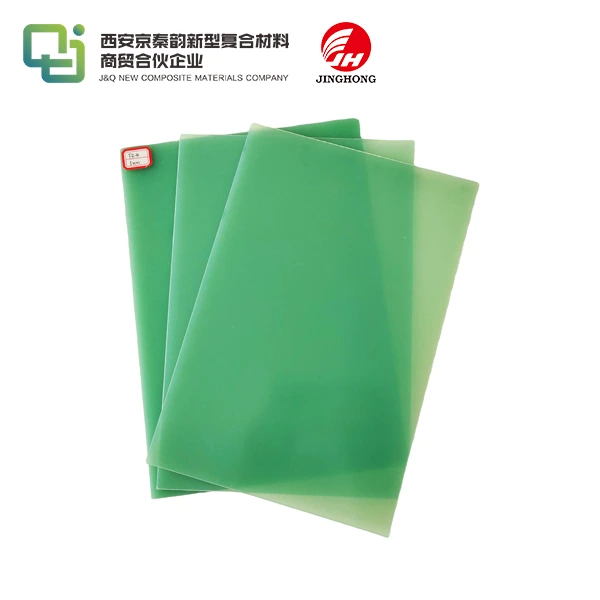
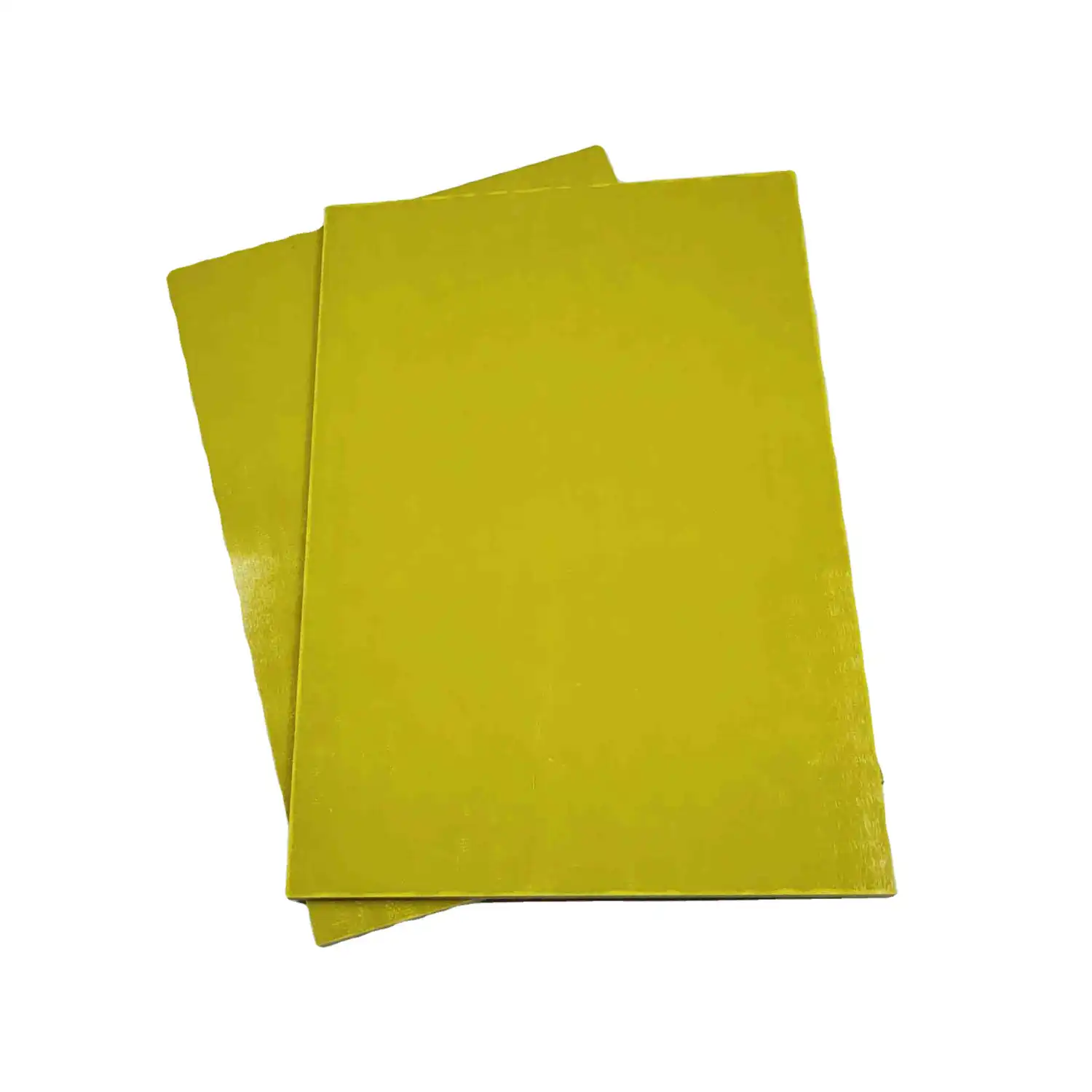
Every cutting choice is directly affected by the make-up of this industrial material. The material is made by mixing alkali-free knitted glass cloth with epoxy phenolic resin systems and fixing the whole thing at temperatures over 140°C and pressures of up to 1.4 MPa. This hot-pressing method fully polymerises the material, joining each layer of glass fibres together to form a hard structure that doesn't break down electrically or mechanically.
Material Composition and Structure
The glass support gives it a tensile strength of more than 340 MPa, and the epoxy matrix gives it the insulating qualities that are needed for electrical uses. This mix makes a material with a high strength-to-weight ratio that can be used for battery shields in cars and fittings in spacecraft. But the stacked structure also makes internal planes where cutting processes put a lot of stress. Understanding this sandwich structure helps you understand why you need to use different techniques when cutting across layers versus when cutting parallel to them.
Mechanical and Electrical Characteristics
This material is chosen by electrical engineers because it has a dielectric strength of more than 16 kV/mm and a volume resistance of more than 1.0×10^14 ©·cm. These numbers show how well the insulation works in real life in high-voltage situations where failure is very bad. With thermal expansion values around 1.5×10^-5/°C, the material keeps its shape even when the temperature changes. This is very important for precision motor parts and transformer systems where tolerances are important.
If the flexural strength is higher than 415 MPa, it means that parts that were made correctly can handle large bending forces without breaking. However, this stiffness makes the material hard to work with when it comes to cutting. In contrast to flexible metals, which bend before breaking, epoxy laminates hold their energy until they suddenly break. This brittleness needs to be respected at every stage of the making process.
Temperature and Chemical Resistance
Some versions can withstand temperatures up to 155°C, which means they can be used in places where regular plastics would soften or break down. When building coil shielding systems, transformer makers take this temperature stability into account. The substance can stand up to mineral oils, weak acids, and most solvents that are common in industrial settings. This makes it last longer in tough chemical conditions.
During manufacturing, chemical protection is also important. During grinding, coolants and cutting fluids won't damage the epoxy matrix. This means that active cooling methods can be used to protect the structure of the material. Because of this flexibility, producers have choices about how to deal with the heat that threatens the structure of the material.
Challenges in Cutting and Drilling 3240 Epoxy Sheet
When machine makers and electrical manufacturers do not properly machine 3240 epoxy sheet laminates, they fail in predictable ways. When buying teams and engineering managers know about these common mistakes, they can help set realistic goals and make strong manufacturing processes.
Material Brittleness and Stress Concentration
The point where the glass and resin meet makes tiny stress rises in the whole structure of the material. When the tool is cutting, it puts pressure on these surfaces until the layers suddenly separate from each other. It makes sense that tools that look sharp can still have rough edges: the cutting action creates forces that move through the stacked structure faster than the tool moves.
Chipping along the edges is another sign of brittleness. As the cutting tools come out of the material, fibres that aren't supported break instead of shearing neatly. This damage on the exit side is annoying for makers who need clean edges to put together into precise electrical casings. The problem gets worse when the sheets are heavier because the layers inside are under different amounts of stress than the layers on the outside.
Heat Generation During Machining
Even though glass fibres are thermally resistant, the friction between cutting tools and them makes a lot of heat. In some places, the temperature can rise above the point at which the epoxy matrix turns into glass. This can soften the resin and spread it out over cutting surfaces. This glue buildup on tools speeds up wear and makes cutting less effective. More importantly, thermal expansion from concentrating heat causes stresses inside the material that show up as cracks hours or days after the cutting is done.
Drilling activities focus heat in a small area, which makes thermal problems worse. Twist drills that are normally used for metal cut continuously, which heats the workpiece. If drill bits don't get enough air flow, the epoxy can get too hot and start to burn. This leaves weak spots around the holes that make the material less strong and less able to conduct electricity.
Tool Selection and Wear Issues
A lot of manufacturing shops try to cut epoxy laminates with tools made for cutting weaker materials. When cutting wood, blades with sharp rake angles tend to grab and tear fibres instead of cutting them cleanly. Even though metal-cutting tools are harder, their shapes are often designed to make chips all the time instead of the rough cuts that are needed for glass fibre composites.
Glass fibres that are rough quickly dull cutting edges. In aluminium, a carbide tool that stays sharp for hundreds of meters might need to be replaced after only a few linear meters in fiberglass-reinforced materials. As a result of increased cutting forces caused by dull tools, more heat is produced and material stress rises, leading to broken parts. Monitoring tool wear is no longer a choice; it's a necessity.
Three important things you should know to cut and drill through 3240 epoxy sheet without breaking it.
Using these tried-and-true methods takes into account the basic science of cutting brittle materials. Over thousands of production runs for clients in power distribution, car parts, and industrial equipment making, we've gotten better at these methods.
Tip 1: Select Appropriate Cutting Tools and Drill Bits
How well you machine 3240 epoxy sheet depends on the tools you choose before you even start cutting. For straight cuts, the best circle saw blades are those with fine teeth (80 to 100 teeth for a 10-inch blade). The coarse glass fibres can't damage the carbide, so the cutting edges stay sharp even after long production runs. Tooth shape is also important. Look for triple-chip grind designs, in which the cutting faces of the alternate teeth are both flat and bevelled. This shape lowers the cutting forces and makes the edges smoother than other common alternate top bevel designs.
Standard high-speed steel bits don't work as well for drilling as brad-point drill bits or carbide-tipped twist drills with 118-degree point angles. The brad point centers perfectly and cuts down on walking at first contact, which is very important for getting accurate location information when drilling PCBs. Even though glass fibres wear down, carbide structure keeps cutting edges sharp. Although they cost more at first, diamond-coated bits are used by some manufacturers to get great results.
For shaping and carving, router bits should be made of solid carbide and have spiral blades that are cut up. The upcut design effectively removes chips, stopping buildup that could cause the cutting zone to get too hot. Compression router bits, which have both upcut and downcut circles, reduce chipping on both the entry and exit sides when cutting through thick sheets, but they can only be used with CNC equipment.
Tip 2: Control Cutting Speed and Feed Rate
The machining factors have a direct effect on the cutting forces and heat production. Most drilling jobs can be done at speeds between 1,500 and 3,000 RPM for sheets up to 10 mm thick. For stronger materials, the lower end of this range may need to be adjusted. Higher speeds lower the cutting forces per tooth contact but raise the overall heat production. This makes a balance point that is different for each tool shape and thickness of the material.
Feed rates need the same amount of care. Moving forward too quickly puts too much stress on the cutting edges, which raises the risk of a severe tool failure or material breakage. When you move too slowly, friction heating builds up without enough chip removal. For drilling, feed rates of 50 to 150 mm/minute are a good place to start. These rates can be changed based on the hole width and the thickness of the material. To handle the larger cutting circle, feed rates need to be slowed down for holes with a larger diameter.
For holes deeper than three times their width, peck drilling is the best way to go. For this method, you drill partway, pull back the bit to clear the chips and let the metal cool, and then start cutting again. The break stops the buildup of heat and moves glass dust away from the blades of the drill, which would have gathered there and made the friction worse. Some production settings might think this is slower, but the lower number of broken and wasted parts makes the whole process more efficient.
Tip 3: Implement Proper Cooling and Support Techniques
Temperature management separates successful operations from failure-prone ones. During all grinding processes, use cutting liquid or compressed air all the time. Water-soluble coolants work well, but some makers like air cooling because the material doesn't soak up as much water. The cooling stream shouldn't just cover the whole area; it should go straight for the cutting zone. Cutting zone temperatures can be lowered by 40 to 60°C with good cooling, which keeps the material's structure.
Supporting the workpiece stops cracks caused by vibrations. You can back the material with spare sheet stock, like MDF or phenolic board, to protect the fibres as the cutting tools leave. This backing stops the terrible delamination that happens when material that isn't supported bends under cutting forces. Using clamps or vacuum hold-down systems to securely hold the item in place will stop it from moving during cutting operations. Small vibrations can start microcracks that grow into damage that can be seen.
Stress is spread out more evenly when test holes are drilled before the final size holes are drilled. A test hole with a small diameter (2–3 mm) sets a precise starting point and lowers the amount of material that the final drill has to remove. With this staged method, the cutting forces are spread out over several processes instead of being concentrated in one rough cut. The method adds more steps to the process, but it greatly increases the chances of success in precise tasks where the position of the hole is important.
Procurement Considerations for 3240 Epoxy Sheet
Decisions about where to get 3240 epoxy sheet affect not only the short-term prices of a project, but also the long-term efficiency and dependability of production. Industrial buyers can make better decisions when they know what makes one seller different from another and how to predict the success of a relationship.
Supplier Qualification and Certification
Reputable makers keep licenses that show they control the production process and make sure the standard is always the same. ISO 9001 approval shows that quality management is done in a planned way, and UL recognition shows that electricity safety standards are met, which is important for parts that are going to be sold in North America. The material is IEC 60893 compliant, which means it meets international standards for hard laminated sheets used in industry that are made from thermosetting resins.
Ask for test results on the material that show its dielectric strength, bending qualities, and size limits. Reliable sellers don't treat this request as an odd one; they give this information all the time. The paperwork helps the engineering teams make sure the materials are right and gives them a way to find out what happened if problems happen in the field. If a supplier doesn't want to share test results or certificates, they might not have the process control that is needed for important uses.
Custom Dimensions and Machining Services
For many uses, it's better to buy blocks that have already been cut than full sheets that need to be made in-house. Suppliers who have CNC cutters and punch presses can send parts that are already in the right shape. This cuts down on the costs of internal machining and the yield losses that come with learning the right way to do things. This method shifts the risk of fraud to experts who have fine-tuned processes and used tools.
When building systems with specific space needs, the possibility of custom width is important. Standard widths are between 0.5 mm and 50 mm, but some makers can custom laminate up to 150 mm for specific uses. Custom widths usually have longer lead times than standard stock items, which can affect the schedule of a job. Buyers who are in charge of developing new products should talk to suppliers as soon as possible to find out what the manufacturing limitations are and what the minimum order numbers are for non-standard designs.
Logistics and Order Parameters
Knowing the minimum order numbers keeps buying from being a surprise. Most of the time, sheet goods are shipped in full-sheet amounts. Depending on the maker, normal sizes are around 1000mm × 2000mm. You might be able to get partial sheets from dealer stock, but they usually cost more. Volume sellers could work out contract inventory deals to keep stock at their facilities and wait to pay until the goods are used.
Lead times are very different for regular things that are in stock (often shipped within days) and custom orders that need special lamination runs, which could take anywhere from 4 to 8 weeks. Our combined transportation skills make sure that deliveries happen on time, and they get rid of the problems that come up when shipping and supplies come from different companies. This full-service model works especially well for companies that make cars and appliances and use just-in-time production methods with little extra stock.
Conclusion
To successfully machine 3240 epoxy sheet glass laminates, you need to know how the material behaves, pick the right tools, and use controlled methods that keep heat and mechanical stress under control. Three main strategies—choosing the right carbide tool, making sure the cutting settings are just right, and making sure the material cools down properly—address the main problems that come up when you mix fragile glass reinforcement with hard thermosetting resin matrices. These methods lower the amount of scrap that is made, make tools last longer, and give electrical insulation and structural uses the accuracy and quality of the edges they need. When businesses buy from providers with a lot of experience, they get access to both high-quality products and the technical know-how that turns requirements into reliable production results.
FAQ
Which blade cuts through thick concrete sheets the best?
Circular saw blades with 80 to 100 teeth and a triple-chip grind shape work best for sheets that are thicker than 6 mm. The high tooth count makes cuts that are smoother and less likely to chip, and the carbide design protects against the rough glass fibre reinforcing. The diameter of the blade should meet the specs of your saw. For cutting harder materials, bigger sizes (10–12 inches) are better because the cutting speed stays the same across the blade radius.
Can I use regular drill bits on boards that protect electricity?
When drilling fiberglass-reinforced plastics, standard high-speed steel bits get dull quickly, which causes the drill to get too hot and make holes that aren't very good. Solid carbide or carbide-tipped bits keep their sharp cutting edges for a much longer time. Brad-point shapes make centring more accurate, which is especially helpful when cutting holes for fixing PCB circuits or electrical parts. The small extra cost of buying the right tools pays for itself in less frequent bit replacements and lower rates of scrap.
How do I keep plastic sheets from coming apart when I cut them?
Support the material with spare backing boards and make sure it is securely fastened so it doesn't move around while it's being cut. Masking tape should be used along the cut lines to keep the top fibres in place. Sharp tools made for composite materials should be used, and feed rates should be kept reasonable so that fibres are sheared cleanly instead of torn. When tools cut into backing material instead of empty air, exit-side delamination is much less likely to happen because the fibres are supported throughout the whole cutting stroke.
Partner with J&Q for Expert 3240 Epoxy Sheet Solutions
If you need 3240 epoxy sheet, J&Q can help. They have been making things for over 20 years and have been trading with other countries for over 10 years. Our engineering team knows the machining problems that people who make electrical tools and industry machinery have to deal with every day. We have strict quality systems that make sure every sheet meets UL and IEC standards. This gives your production lines the stability they need.
As a complete provider of 3240 epoxy sheet, we offer both standard measurements and custom manufacturing services. We can give you precisely cut parts that eliminate the risks of internal cutting. Our combined transportation company makes it easy to coordinate shipping, so you can stick to just-in-time delivery plans without having to deal with a bunch of different vendors. Our material selection advice will help you get the best results, whether you're using it for transformer insulation, PCB boards, or battery barriers in cars.
Email our expert team at info@jhd-material.com to talk about your particular needs. We're happy to hear from you if you need an example, and we give clear quotes with clear wait times. You can look through our full catalogue of insulation materials at jhd-material.com and learn how our one-stop service model makes buying easier while still delivering the quality your uses need.
References
Gibson, R.F. (2016). Principles of Composite Material Mechanics (4th ed.). CRC Press.
International Electrotechnical Commission. (2015). IEC 60893-3-2: Specifications for Industrial Rigid Laminated Sheets Based on Thermosetting Resins for Electrical Purposes.
Mallick, P.K. (2007). Fiber-Reinforced Composites: Materials, Manufacturing, and Design (3rd ed.). CRC Press.
Peters, S.T. (1998). Handbook of Composites (2nd ed.). Springer Science & Business Media.
Strong, A.B. (2008). Fundamentals of Composites Manufacturing: Materials, Methods, and Applications (2nd ed.). Society of Manufacturing Engineers.
Underwriters Laboratories. (2018). UL 746E: Standard for Polymeric Materials - Industrial Laminates, Filament Wound Tubing, Vulcanized Fibre, and Materials Used in Printed-Wiring Boards.