Why Bakelite Board Is the Ultimate Choice for High-Temperature Electrical Insulation?
2026-04-30 16:03:09
When your electrical systems work in temperatures above 150°C, the materials you use become very important. Bakelite board is the best option because it combines thermosetting phenolic glue with heat-resistant surfaces to provide excellent shielding where other materials fail. This phenolic laminate keeps its shape even when heated up and protects electrically, which is why it is an important part of switchgear systems, transformer parts, and power distribution equipment. Because it has worked well in tough industrial settings in the past, engineering teams always choose this material when safety and efficiency can't be compromised.
Understanding Bakelite Board: Composition, Properties, and Types
The Historical Foundation and Modern Manufacturing Process
The 1907 invention by Leo Baekeland made the first fully manufactured plastic, which changed the field of material science forever. Unlike older materials that had biological parts, this phenol-formaldehyde glue made from only industrial materials was much better at withstanding heat and being shaped. This material was invented at the same time that mass production was growing, which made it perfect for the fast growth of electricity in the early 20th century.
In modern production, bleaching wood pulp paper or cotton cloth materials are mixed with liquid phenolic glue and then heated and pressed together. This hardening process makes cross-linked polymer structures that can't be undone. These structures are what make thermosetting materials different from thermoplastics. The laminate that is made can't be remelted or changed after it has been formed. This gives it better physical stability, which is important for making precise electrical parts. The material's density is usually 1.45 g/cm³, and its warpage is kept to less than 3°, which meets the strict requirements for PCB cutting and installing switches.
Core Material Properties Driving Industrial Adoption
There are three main reasons why phenolic laminates are the best choice for insulation:
- Thermal Performance: It can withstand temperatures of up to 180°C without breaking down, which is a lot better than many polymer options. This resistance to heat keeps the structure of motor housings that go through constant thermal cycles from changing shape while they are being soldered and from expanding or contracting. Because the material is thermosetting, once it's hardened, it will keep its shape forever, giving products steady performance over their entire lives.
- Electrical Features: A high dielectric strength and a middle insulation resistance work well together to stop electricity from leaking and forming arcs. At room temperature, the material is very good at preventing static electricity, which keeps dust from building up on the surfaces of parts. The electrical qualities stay the same even when the humidity changes because the finished resin structure doesn't let water in. This means that the insulation works well even in tough circumstances.
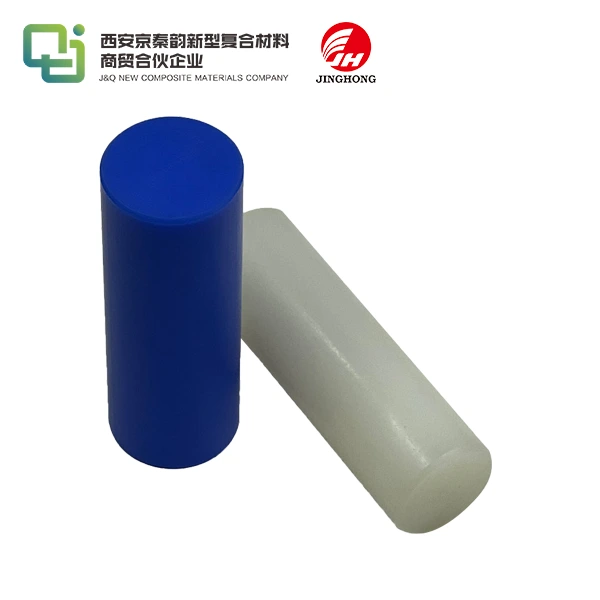
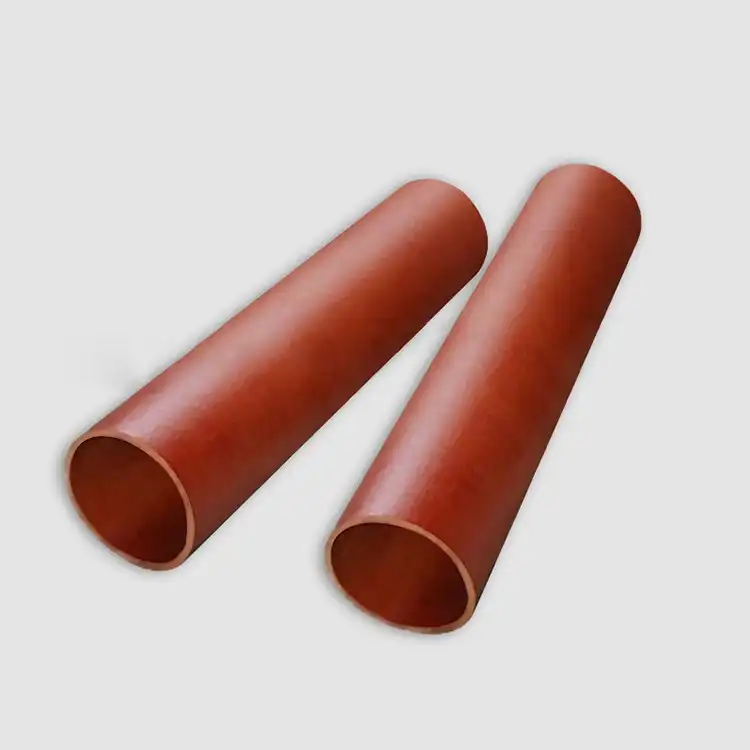
- Mechanical Strength and Machinability: Strong mechanical qualities make it possible to shape the material into tubes, rods, gears, and other forms that are precisely cut to fit a variety of application needs. CNC cutting makes it possible to get close specs without delamination or fibre pullout, which speeds up the manufacturing process. Surface roughness stops burrs from forming during cutting, which protects the delicate copper-clad laminates below during PCB production.
Product Grades Tailored to Application Requirements
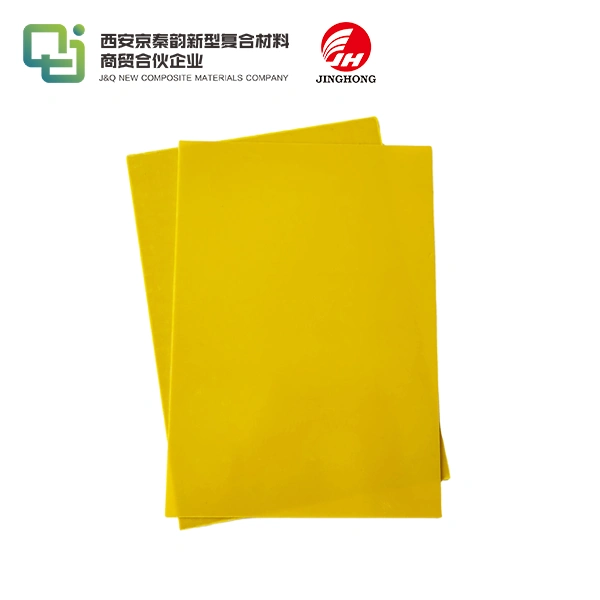
- Paper-Based Phenolic Laminates: These types use wood pulp paper as the support base, making them a cost-effective choice for situations where modest mechanical loads need to be handled. Paper-based versions are often used for PCB backup boards, electrical panels, and general insulation barriers because they are good at both performance and cost-effectiveness. Their similar structure makes clean cutting easier and makes sure that the quality of each production batch is the same.
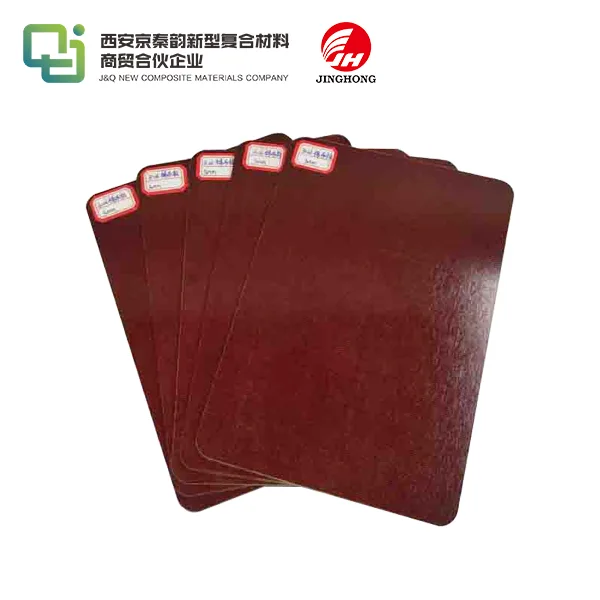
- Fabric-Based Phenolic Cotton Sheets: Reinforcing cotton or synthetic fabric makes Bakelite board much stronger and less likely to tear than paper-based options. These grades work really well in moving mechanical parts like quiet gears, wear-resistant gaps, and parts that reduce sound. The cloth grid absorbs shock loads and keeps the electrical insulation. This makes these materials perfect for parts of cars and heavy machinery that need to be both electrically safe and durable.
- Speciality Formulations: Higher grades use certain ingredients or changed plastic systems to deal with certain problems. For power distribution equipment, flame-retardant formulations meet strict fire safety standards, and improved thermal grades raise the working temperature for use in harsh environments. Custom formulas are made to fit the individual needs of each customer, showing that the material can be used in a wide range of situations as industry needs change.
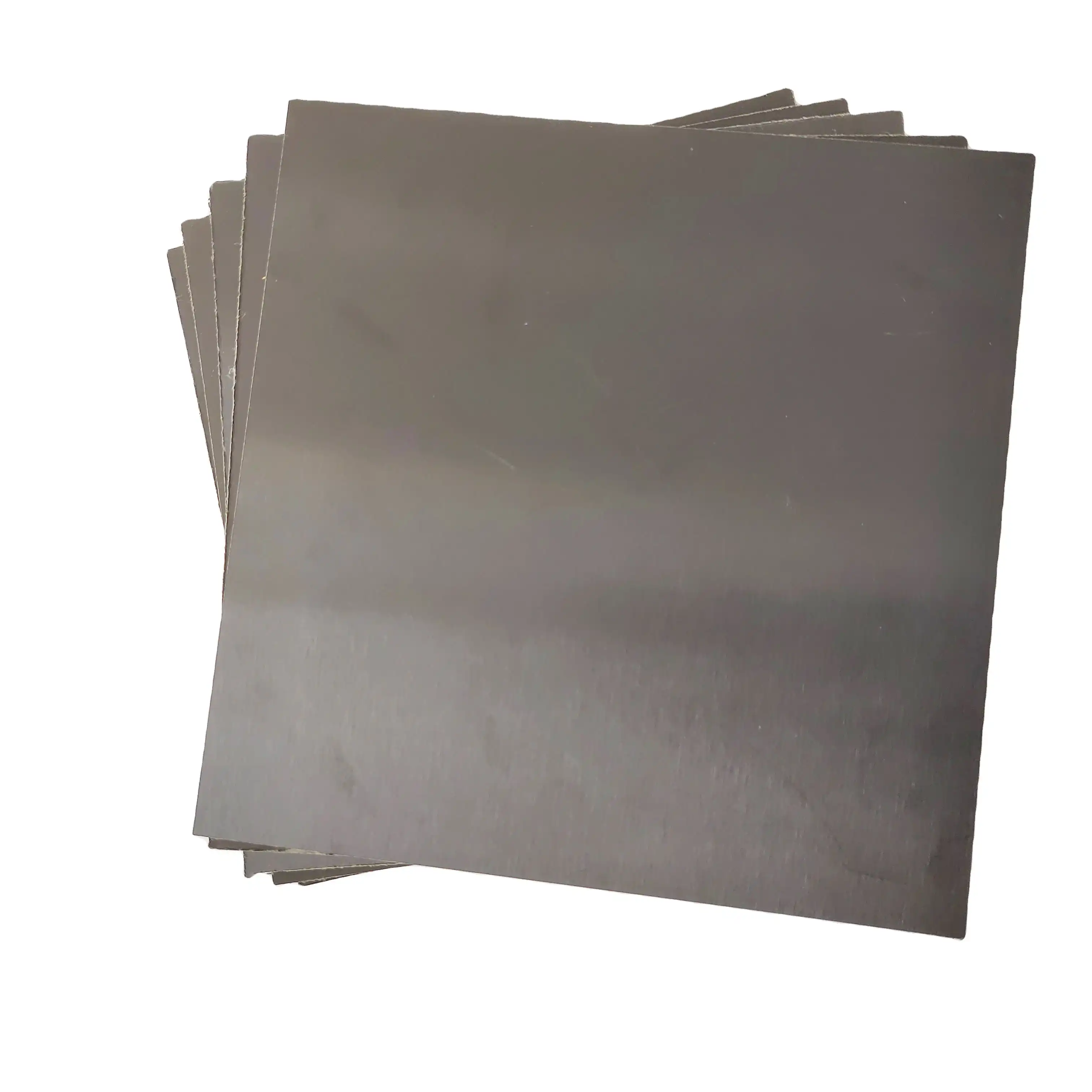
Why Bakelite Board Excels in High-Temperature Electrical Insulation?
Superior Thermal Stability Versus Alternative Materials
Comparative research shows that phenolic laminates work better when they are exposed to high temperatures. Above 120°C, standard thermoplastics soften and lose their shape, which weakens the structure just at the time when electrical systems are making the most heat. While mica-based materials are good at resisting heat, they aren't strong enough for structural use and are hard to shape into complex shapes.
Even though epoxy glass fibre boards have great electrical properties, they usually cost 50% more to make. This means that phenolic choices are more cost-effective when money is tight and buying decisions are limited. Because they are weak at conducting electricity and easily damaged by moisture, plywood and other materials made from cellulose don't work at all in electrical uses. The thermosetting polymer structure in phenolic laminates keeps their shape even when exposed to temperatures close to 180°C for long periods of time. This stops the materials from creeping and bending, which can happen with other materials when they are heated.
There are measured benefits in terms of performance: the dielectric strength is usually higher than 16 kV/mm, the insulation resistance stays above 10^10 ohms, and the thermal conductivity stays low enough to stop heat from moving between electrical components that are close to each other. When you put these requirements together, you get reliable insulation walls that keep delicate electronics safe and support mechanical loads in small systems.
Fire Safety and Risk Mitigation in Critical Applications
Electrical problems often involve temperature events, and the flammability of the material decides whether small problems turn into huge fires. Phenolic resin chemistry naturally doesn't catch fire, and specially made grades get UL94 V-0 flame ratings, which means they put out fires themselves within seconds of the flame source being removed. This quality is very important for power distribution switches, transformer housings, and battery pack barriers that are always at risk of arc flashes.
Arc resistance standards measure how well a material can handle surface tracking and carbonisation when it comes in contact with electrical discharges. As per ASTM D495, good phenolic laminates have arc resistance values higher than 120 seconds. This gives important safety gaps that stop insulation failure cascades. During arc events, the material forms protected char layers that stop further degradation instead of melting and dripping like thermoplastic alternatives. This keeps electrical problems inside and stops them from spreading to nearby parts.
Real-World Validation Through Industrial Case Studies
A lot of the infrastructure for distributing power depends on phenolic insulation walls that separate high-voltage bus bars inside switchgear units. Installations that have been used nonstop for decades show that the material is long-lasting and reliable, keeping its insulation resistance even though temperatures change every day and there are times when it gets too hot. Manufacturers of transformers use phenolic sheets for coil insulation and phase barriers because weaker materials would break down quickly under the combined electrical, heat, and mechanical pressures.
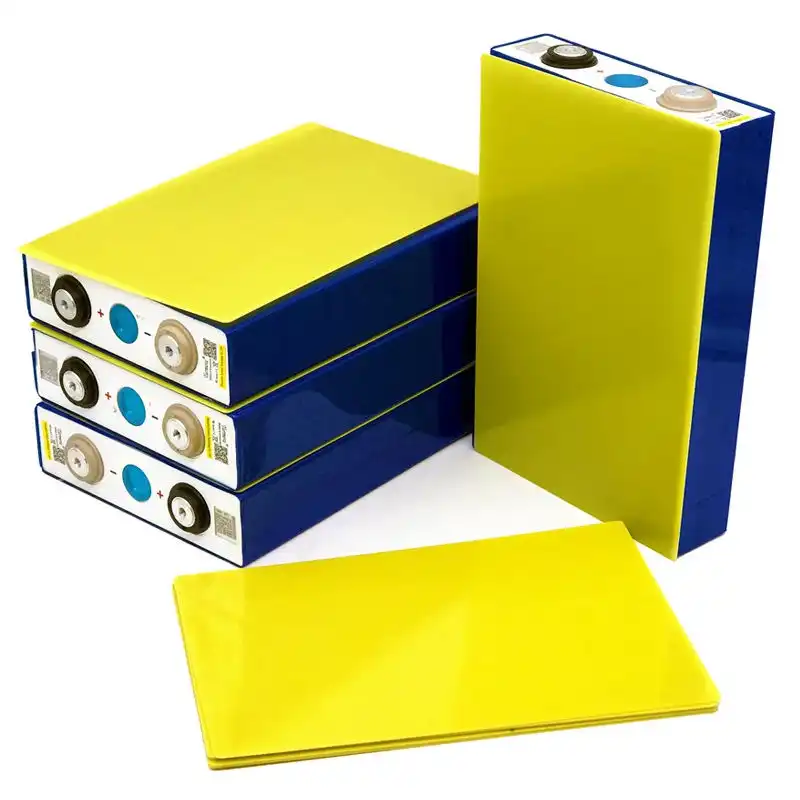
In PCB factories, Bakelite board are used as backup materials for drilling, because high-speed operations can reach temperatures of more than 200°C at the points where the tool and work meet. The temperature stability of the material keeps drill bits from bending, and its surface roughness stops burrs from forming on finished circuit boards. This directly raises production yields and lowers the rate of scrap. Companies that make parts for cars cut phenolic cotton sheets into battery pack insulation barriers. These barriers reduce weight, resist fire, and are strong mechanically. These real-world uses prove that the materials work better than what was tested in the lab. This gives buying teams faith when they need to select phenolic solutions for mission-critical tasks.
Making the Right Procurement Decisions for Bakelite Board
Critical Specification Parameters for Technical Buyers
When engineering managers look at phenolic laminates, they need to make sure that the material standards match the needs of the application. If they don't, they could end up with extra costs or poor performance. You can choose from thicknesses ranging from 0.5 mm sheets for thin insulation barriers to 50 mm or more plates for solid mechanical parts. For precise uses, standard tolerances are usually kept within ±0.2 mm. When figuring out the width and length of something, you need to think about both the sizes of the parts and how efficiently you can use the materials to avoid waste.
Certification needs vary by business and market location. For electrical uses, UL recognition and RoHS compliance are the minimum standards. International quality standards, such as ISO 9001 approval, show that a seller is committed to consistent production processes. Material test results that show electrical strength, flammability scores, and dynamic features show that the supplier is following the specifications. During the review of suppliers, procurement teams should ask for proof documents to make sure that material batches meet written standards before allowing production releases.
It's not just initial material approval that is part of quality assurance. It also includes group stability, tracking systems, and the quality management practices of suppliers. Leading suppliers use statistical process controls to keep an eye on important factors like resin content, cure profiles, and measurement standards. This makes sure that there isn't too much difference between production lots. This consistency is especially helpful for automated assembly processes where changes in the properties of materials can slow down production and let quality slip.
Economic Analysis Comparing Insulation Material Alternatives
To do a cost-performance analysis, you need to look at the total costs of ownership instead of just comparing the prices of materials. Although phenolic laminates are about 50% cheaper than epoxy glass fibre boards, they perform just as well electrically in many situations, making them a clear economic winner. When it comes to temperature requirements, phenolic choices often cost 30–40% less than industrial thermoplastics but are more stable in shape and don't catch fire as easily.
In addition to the cost of raw materials, machining features affect the total cost of making Bakelite board. When compared to fiber-reinforced composites, which wear out tools faster and make dangerous dust, phenolic laminates are easier to machine and don't need any special cutting fluids or tools. This means that they are cheaper to use in secondary operations. Because the material is hard, it can handle tight specs without any problems with work-holding. This makes production more efficient and cuts down on the time needed to process each part.
Whether cost benefits really add value depends on how well they fit the application. In settings where humidity is managed, paper-based phenolic grades can work safely and cost-effectively, but outdoor power equipment needs fabric-reinforced versions that are willing to pay more for the materials but will last longer. Economic optimisation perfectly matches the abilities of materials to the needs of the environment, keeping expensive material costs to a minimum while still ensuring adequate performance benefits.
Navigating Global Procurement Logistics and Supply Chain Considerations
International sourcing introduces complexity requiring careful supplier evaluation. Different manufacturers have very different minimum order numbers. Well-known manufacturers usually need full container loads, while specialised dealers can handle smaller amounts for a higher price. Lead times are usually between 4 and 8 weeks for standard grades and 10 to 14 weeks for custom formulas or non-standard sizes. This means that accurate demand predictions and the right safety stock plans are needed.
Customising sizes gives you a competitive edge by cutting down on waste and the need for extra processing. Suppliers with precision cutting systems give parts that are the right size and fit together perfectly, so customers don't have to do any machining work or pay for the costs that comes with it. This preparation that adds value is especially helpful for high-volume jobs where labour costs have a big effect on the total cost of the product.
The ability to send goods all over the world determines whether a provider is right for international activities. Manufacturers with a lot of experience keep up relationships with transport companies that make foreign shipping, customs paperwork help, and shipped duty-paid price structures that make purchasing easier all possible. Companies with their own shipping departments can offer combined solutions that coordinate the production of materials with the schedule of transportation. This lowers the unpredictability of wait times and makes the supply chain more predictable. These organisational skills often set sellers apart in ways other than just the quality of their materials. This is especially true for buyers who are in charge of large, complex manufacturing networks with multiple sites.
Conclusion
For high-temperature electrical shielding, the materials like Bakelite board need to be able to balance being thermally stable, good at conducting electricity, strong, and cost-effective. Phenolic laminates can do all of these things because they use proven thermosetting chemistry, come in a range of grades to meet different application needs, and have a production infrastructure that can support global buying needs. Understanding the basics of a material, comparing more than just prices, and building strategic relationships with suppliers that allow for long-term teamwork and ongoing growth are all things that technical buyers can do to get more out of their purchases.
The material's historical importance as the first manmade plastic masks the fact that it is still useful in many modern industrial settings. Even though new materials are coming out, phenolic laminates will still be competitive thanks to ongoing improvements in sustainable formulas, advanced production methods, and high-performance grades. When purchasing managers use well-thought-out strategies to choose materials and build partnerships with suppliers, they set their companies up for long-term success in electrical and electronics markets that are becoming more demanding.
FAQ
What are the benefits of phenolic plywood over other types of insulation?
When compared to thermoplastics, phenolic laminates are more thermally stable and keep their shape at temperatures where thermoplastics shrink and bend. The stuff is about half as expensive as epoxy glass fibre boards, but it works just as well electrically in many situations. It's easy to make into complicated forms without using special tools, and it's naturally resistant to flames, which is very important for electrical uses. The structure of the thermosetting polymer keeps it from melting under heat stress, which makes it more reliable in safety-critical uses.
Can these materials be used safely in places with high power electricity?
If you choose the right phenolic grades, they will have an insulator resistance above 10^10 ohms and a dielectric strength of more than 16 kV/mm. This is enough safety for most industrial voltage uses. Arc resistance usually lasts longer than 120 seconds, which stops surface tracking during electrical discharge events. When choosing materials, they need to be compatible with the voltage and the surroundings. For specific high-voltage uses, it is best to talk to an expert. Certification paperwork, such as UL recognition and material test results, prove that the electrical performance is good.
What customisation choices meet the needs of a certain application?
Manufacturers allow for a lot of customisation, such as cutting precisely to the end size, specifying the thickness needed, creating special formulations that make certain traits work better, and applying surface treatments that improve adhesion or wear resistance. Custom grades can have specific additives added to them to deal with particular environmental problems or performance needs. Different suppliers have different minimum amounts for custom formulas, but well-known companies usually can work with development projects and offer fair volume promises that support customisation investments.
Partner with J&Q for Superior Bakelite Board Solutions
J&Q sells high-quality phenolic laminates and has been making them well for 20 years. They also offer full expert support. Our quality-certified production methods make sure that the materials always work well in the toughest electrical shielding jobs. Our standard grade collection is very large, and we can deliver quickly. For specific needs, our customisation services are available through engineering relationships where engineers work together. Our combined transportation network makes shipping around the world quick and easy, easing your supply chain and ensuring reliable delivery.
Email our expert team at info@jhd-material.com to talk about the needs of your particular application. We give you detailed advice on what materials to use, offer low price, and offer custom size choices that are made to fit your production needs. As a well-known company that makes Bakelite boards for the electronics, power, and industrial markets around the world, we know how important it is for your product to have good shielding materials. Find out how our knowledge of materials and customer-focused service can help you save time and money on your purchases while still giving your projects the performance and dependability they need.
References
Baekeland, L. H. (1909). "The Synthesis, Constitution, and Uses of Bakelite." Industrial & Engineering Chemistry Research, Volume 1, Issue 3, pp. 149-161.
Harper, C. A. (2006). Handbook of Plastics Technologies: The Complete Guide to Properties and Performance. New York: McGraw-Hill Professional, Chapter 8: Thermoset Resins and Applications.
Lubin, G., & Peters, S. T. (1998). Handbook of Composites: Second Edition. Boston: Springer Science, Section on Phenolic Composite Materials in Electrical Applications.
International Electrotechnical Commission (2015). IEC 60893-3: Insulating Materials - Industrial Rigid Laminated Sheets Based on Thermosetting Resins for Electrical Purposes - Part 3: Specifications for Individual Materials.
Biron, M. (2013). Thermoplastics and Thermosetting Polymers: Technical Properties and Applications. Oxford: William Andrew Publishing, Chapter 12: Phenolic Resins in High-Temperature Electrical Insulation.
Malik, N. H., Al-Arainy, A. A., & Qureshi, M. I. (1998). Electrical Insulation in Power Systems. Boca Raton: CRC Press, Chapter 4: Solid Insulating Materials for High-Temperature Applications.
_1747991245292.webp)