Bakelite Sheet Applications in the Restoration of Vintage Electrical Equipment
2026-07-06 17:16:50
When you restore old electrical equipment, you need to use materials that are true to the original and work well. With the same phenol-formaldehyde makeup that fueled creativity in the early 1900s, Bakelite sheet is the best option for these kinds of projects. When restoring 1940s switchboards or changing insulation panels in old radios, this thermosetting material provides superior electrical insulation, resistance to heat, and a look that is true to the time period that current alternatives simply can't match.
Understanding Bakelite Sheets and Their Core Properties
Understanding what makes phenolic laminate materials special is the first step in restoring old things successfully. Leo Baekeland's groundbreaking work in 1907 led to the creation of the first manmade plastic that could be sold in stores. Using controlled heat and pressure in industrial boilers to condense phenol and formaldehyde is the first step in the manufacturing process. As a result of this chemical process, phenol-formaldehyde glue is formed, which is the main ingredient in all real goods.
Chemical Composition and Manufacturing Process
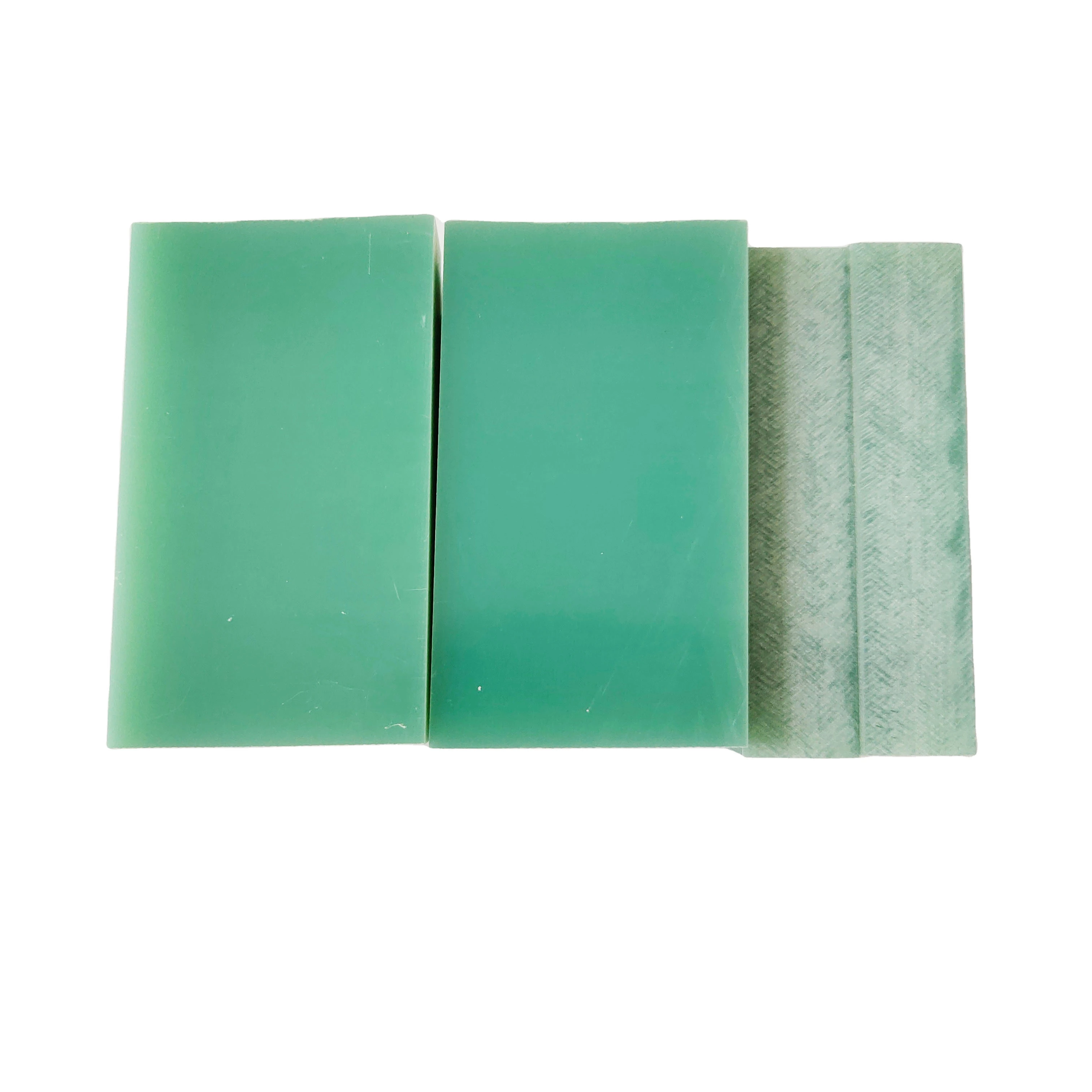
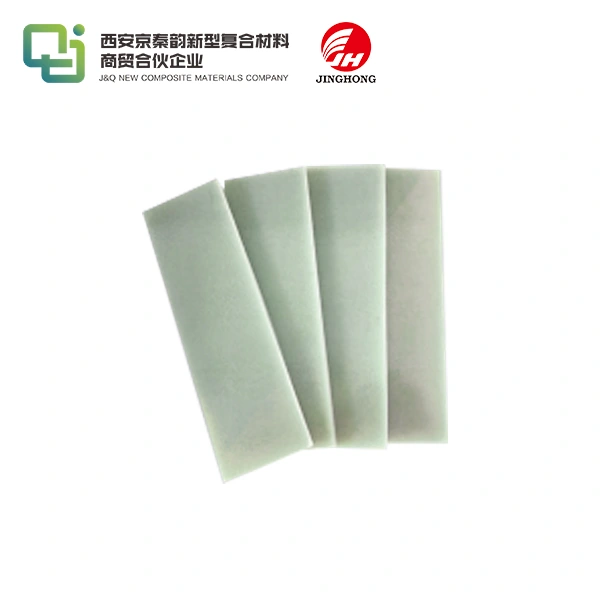
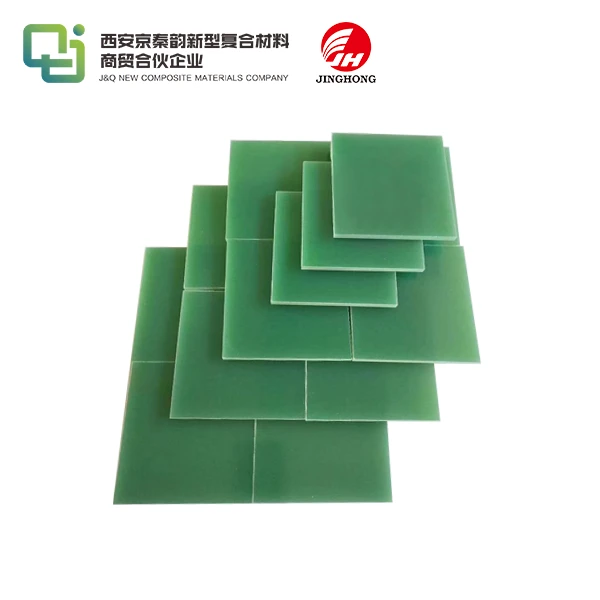
Finished sheets are made by stacking layers of paper, fabric, or glass that has been saturated with the hardened resin. In hydraulic presses, these layers are stacked between metal plates. Heat and pressure work together to turn them into rigid panels. The end score is based on the reinforcement material. Paper-reinforced versions work best in electrical applications, fabric-reinforced versions are strong mechanically, and glass-reinforced versions can handle high temperatures. This layered design gives it physical steadiness that doesn't change over decades of use.
Heat Resistance and Electrical Insulation Capabilities
These panels are perfect for equipment that makes a lot of heat while it's running because they can handle temperatures up to 120°C. Electrical current can't flow through the parts because of the insulating strength. This keeps the gadget and its user safe. These insulating qualities were important for old transformers, motor housings, and distribution panels, and they must still be met by current repairs. Contemporary plastics soften or bend when exposed to heat, but thermosetting phenolic materials keep their shape throughout their useful life.
Mechanical Durability and Machinability
For restoration jobs, exact reproductions are needed to match the original specs. CNC cutting gives you the accuracy you need for complicated forms, but because the material is rough, you need tools with carbide or diamond tips. When you mix slow feed rates with high spinning speeds, chipping doesn't happen along the edges of the cuts. The high strength-to-weight ratio supports mechanical loads without adding too much bulk, and the low moisture absorption keeps the dimensions stable even when the humidity level changes. Because of these qualities, electrical engineers in the time before plastic constantly chose this material for important parts.
Limitations and Considerations for Restoration Work
The biggest problem with working with Bakelite sheet old phenolic components is that they are brittle. After decades of use, original pieces often get stress cracks or surface crazing. When installing and handling replacement panels, they must take into account how fragile they are by nature. UV light breaks down and changes the color of surfaces, which limits their use outside without protective coverings. Strong reactive acids and alkalis can damage the resin structure, but oils, solvents, and alcohols can't get through it. Knowing these limits keeps you from making specification mistakes that hurt the safety or accuracy of the repair.
Key Applications of Bakelite Sheets in Vintage Electrical Equipment Restoration
Authentic repair jobs use a wide range of tools, and each one has its own specific material needs. A lot of phenolic insulation was used in telegraph systems, early phone lines, radio devices with tubes, and industrial control panels. Finding the right grade and thickness is important to make sure that new parts look and work the same as the originals.
Electrical Insulation for Switchboards and Control Panels
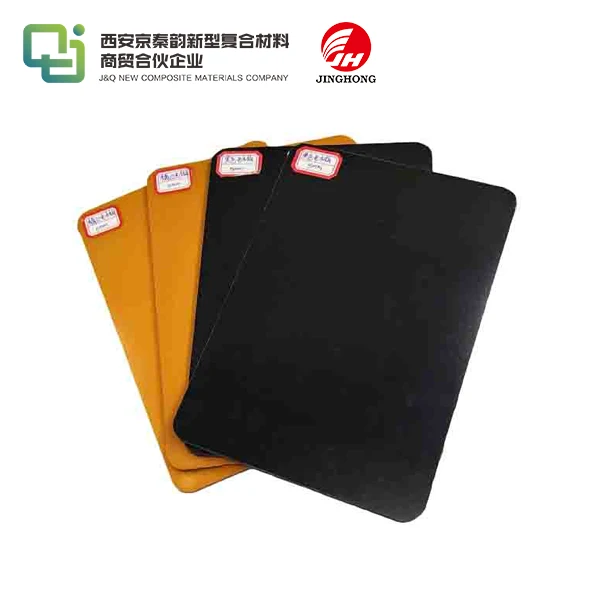
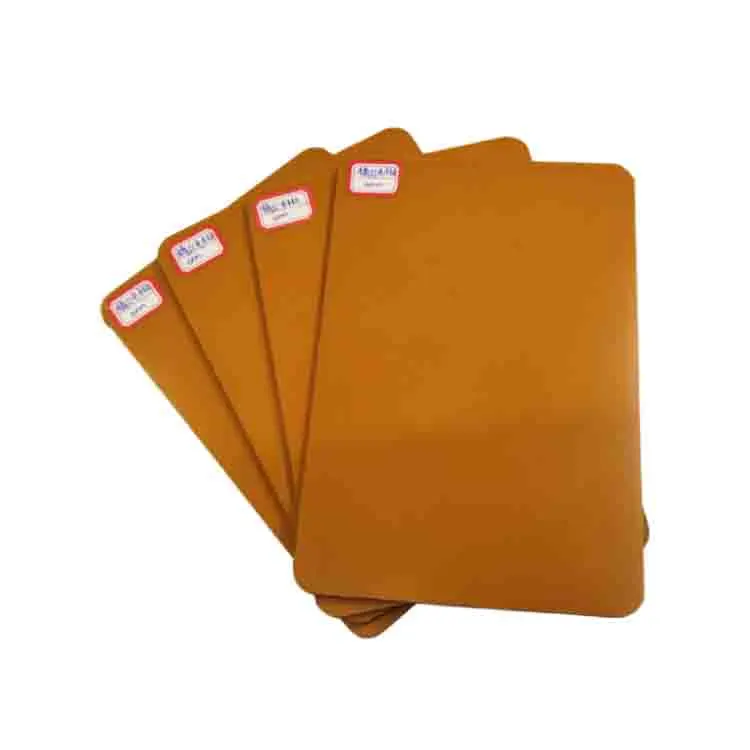
Knife switches, bus bars, and terminal blocks placed on insulation panels were arranged in very complicated ways on old switchboards. These panels kept electrical problems from happening between circuits that were next to each other and also gave hardware mounting areas. Paper-reinforced sheets with a thickness of 3 mm to 6 mm worked well for this purpose because they had good surface resistivity and fire resistance. Modern copies made from real phenolic material look like they were made in the right time period and meet modern safety standards. The dark amber-brown finish on the surface makes real works stand out from plastic copies that look out of place today.
Structural Components: Panels, Switches, and Casings
In addition to good electrical performance, structure uses needed strong mechanical performance. Radio frames, phone handset bodies, and utility housings all used the material's toughness and ability to be shaped. Fabric-reinforced grades gave parts that were handled and put under mechanical stress the impact protection they needed. To make these parts again, you need to know the direction of the grains in layered sheets. Machining across layers can cause delamination, but cuts parallel to reinforcement strands keep the structure strong. For museum-quality repairs, matching the surface roughness and color patina is often just as important as getting the measurements right.
Fabrication Techniques: Cutting, Drilling, and Finishing
Controlling how much heat is made and how many chips are made is important for grinding to go well. Because phenolic dust can be harmful to your lungs, active filtering methods must be used instead of being optional. When you use sharp tools, you reduce the frictional heat that can damage glue or scorch cut surfaces. To keep breakthrough splintering from happening during drilling, test holes and slow feed pressure are needed. When you finish the edges with fine-grit abrasives, you get smooth areas that don't have fibers sticking out of them. Threading works best when the tap is well oiled and the speed is kept low so that the finished threads don't get damaged by heat.
Adhesive Bonding and Assembly Methods
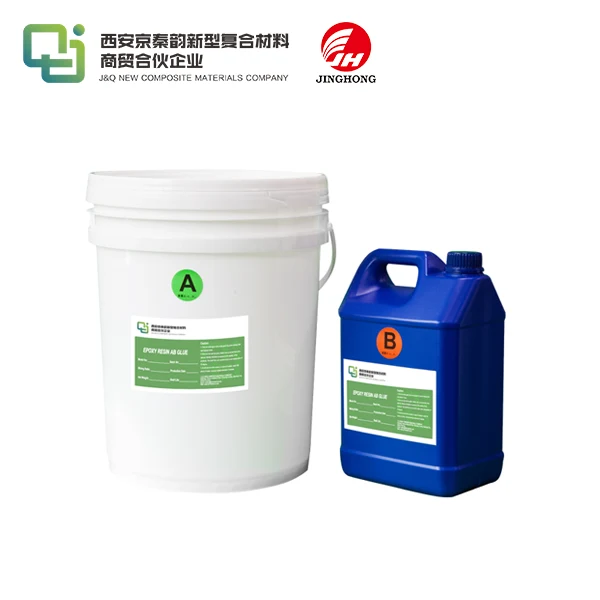
To connect Bakelite sheet phenolic parts to a metal frame or other insulating materials, you need a glue with the right chemistry. Epoxy-based structural glue make strong bonds that don't break at high temperatures that are good for electrical systems. Preparing the surface with light roughness makes it stick better by making the mechanical bonding stronger. For historically accurate repairs, phenolic resorcinol sealants have the right chemistry, but modern epoxies often last longer and are more durable. Attaching things with mechanical screws through holes that have already been drilled is still the most effective way to do it, because they spread stress over a bigger area than adhesive ties alone.
Comparative Analysis: Bakelite vs Modern Materials for Restoration
Choosing between original phenolic laminate and more modern options has an effect on both the validity of the repair and how well it works. Modern epoxy resins, melamine formaldehyde composites, and younger phenolic formulas all have their own benefits, but none of them are a perfect copy of old materials.
Material Performance: Authenticity and Thermal Properties
When restoring things for museums or collecting purposes, historical truth is very important. Modern FR4 epoxy laminates or acrylic replacements can't really replicate the unique look of old phenolic material, with its warm brown tones, slight surface roughness, and unique weight. Thermal response is also very different. Epoxy resin boards stay stable over a bigger range of temperatures, but they don't get rid of heat as well as phenolic compositions do. When important insulation parts change how well they conduct heat, equipment that was built around the original qualities of the material may not work as well as it did before.
Cost Considerations and Supply Chain Availability
The cost of procurement affects the choice of materials, especially for big repair jobs. Even though they are less common at general industry sources, phenolic laminate sheets are still cheaper than specialized epoxy grades. Restoration and vintage equipment sellers who specialize in these markets keep a reliable stock of standard sizes and grades. Custom width needs may make wait times longer, so it's important to plan your purchases early on. When you buy in bulk from experienced sources, the cost per unit goes down, and the materials stay the same across multiple phases of a project. The prices of phenolic goods are generally steady, while the prices of modern plastics made from petroleum are very volatile.
Modern Alternatives: Epoxy Resin, Melamine, and Advanced Phenolics
FR4 epoxy laminate is the most common material used in modern electrical making because it is better at resisting moisture and keeping its electrical qualities over time. These glass-reinforced boards work great for printed circuit uses, but they don't match up well with obvious restoration work. Melamine formaldehyde is better at resisting heat and has lighter colors, but its surface stiffness makes it harder to machine and finish. Newer phenolic versions use changed resins and reinforcement materials that improve certain qualities without losing the look of materials from the same time period. When choosing new materials, restoration experts have to weigh the needs for functionality against the need to keep the original look of the building.
Procurement Guide: How to Source the Right Bakelite Sheets for Your Restoration Projects
One of the most important parts of restoring old electrical tools is getting the right materials. Different sellers' quality can have a big effect on how well a project turns out, so choosing the right vendor is just as important as choosing the right materials.
Identifying Certified Suppliers and Quality Standards
Reputable companies that make Bakelite sheet phenolic laminates give out thorough material certificates that list the type of reinforcement, amount of resin, and physical qualities of the material. Different grade names, like X, XX, XXX, and XXXP, show different amounts of resin and levels of protection to water. Materials with a high resin content in Grade XXX are good for places with a lot of moisture and uses that need the best electrical shielding. Lower resin ratios in Grade X versions give them higher mechanical strength, making them good for structure parts. Supplier approvals should include references to relevant standards that prove consistent quality control and production methods. With 20 years of experience making insulation sheets, we can guarantee that the quality of the materials meets both the needs for historical truth and the safety needs of today.
Specifications: Thickness, Dimensions, and Grade Selection
The standards for the restoration must exactly match the material specs. Standard sheet thicknesses range from 0.5 mm for thin walls that keep out noise to 50 mm for building blocks and finished parts. Paper-reinforced sheets are usually between 0.8mm and 12mm thick, while fabric-reinforced sheets are between 1mm and 50mm thick. Custom thickness limits make sure that the parts fit correctly into current systems where exact measurements are important. Sheet sizes are usually 1000 mm x 2000 mm, but for small jobs, cutting the material into smaller pieces can save money. Grade choice matches the need for electrical insulation with the need for mechanical strength. Paper-reinforced materials work best for switchboard uses, while fabric-reinforced materials are needed for gear housings and structural brackets.
Bulk Ordering and Custom Cutting Services
When providers offer value-added handling services, projects run much more smoothly. Custom cutting to finished dimensions gets rid of problems that come up with on-site machining and lowers the amount of dust that gets made in workshops. CNC machines can cut complicated shapes and place holes precisely so that they match the original part's specs. Bulk buying systems save money and make sure that materials are always the same over longer restoration periods. Our combined logistics business coordinates everything from production to delivery, making it easier to buy things for projects that have more than one location. Being clear about lead times helps with accurate project scheduling, which is especially important when equipment breakdowns affect exhibition or working schedules.
Quality Assurance and Authenticity Verification
If you check the accuracy of Bakelite sheet material, you can avoid using fakes that don't work or look as good. A visual check should show that the color is the same across the whole thickness of the sheet and that the reinforcing layers are spread out evenly. Paper-reinforced fabrics have fiber designs that can be seen, while fabric-reinforced sheets have clear weave structures. Real phenolic materials take less than 1% of their weight in water during normal immersion tests, which proves that they can absorb water. Electrical testing shows that the dielectric strength is right for the grade that was given. Over the past ten years, we've built strong relationships with many domestic and foreign trading partners. These partnerships show that we consistently offer high-quality goods that procurement professionals can count on.
Best Practices and Tips for Working with Bakelite in Vintage Electrical Equipment
How the materials are handled and how they are made have a direct effect on how well the repair works. The right way to make something keeps the purity of the parts and keeps everyone safe during the whole process.
Safe Handling and Machining Techniques
During cutting processes, it is still necessary to protect your lungs from phenolic dust. Dust particles hurt mucous passages and are dangerous to breathe in for a long time. Local exit airflow collects airborne particles where they are made, so the quality of the air in the workshop stays high. When you cut with sharp tools, you reduce the friction heating that lets out formaldehyde vapors when resin breaks down. Cutting speeds should be a mix between how quickly they cut things and how much heat they build up. Too fast of speeds burn through materials and wear out tools too quickly. When drilling or routing, controlled feed rates stop breakthrough chipping, which keeps the clean edge shape needed for precise parts.
Maintaining Electrical Safety Standards in Restorations
When restoring old technology, it has to meet modern electricity safety standards without losing its historical integrity. The width of the insulation and the grade of the material should meet or go beyond the original design guidelines. Modern tests of dielectric strength show that the new parts are strong enough to protect against electrical faults and arc flash dangers. Surface tracking resistance proves performance in dirty areas where dust or moisture buildup could create ways for electricity to flow. Equipment meant to be used in real life instead of just being on show must have ground fault protection and overcurrent devices that meet the current code standards. Keeping records of the material's specs and test results is important for insurance reasons and to make sure that regulations are followed.
Long-Term Maintenance and Preservation Strategies
Keeping the environment under control makes phenolic insulation parts last longer. Changes in humidity lead to changes in dimensions that put stress on mechanical parts and help old materials delaminate. Climate-controlled storage keeps the relative humidity between 40% and 60%, which keeps damage from wetness to a minimum. Because UV light speeds up surface rust and resin breakdown, it is better for exposed items to have lighting that comes from the side. Cracks or surface crazing can be found before they cause the structure to fail by inspecting it regularly. Using the right preservative chemicals in small amounts to protect surfaces keeps their electrical insulation qualities. Chemical damage to resin structures can be avoided by not using cleaners that are based on petroleum. These methods of preservation keep both the usefulness and the collecting worth of an item for many years.
Conclusion
When you restore old electrical equipment, you need to use Bakelite sheet materials that are true to the original and work well. Modern substitutes can't match the important mix of electrical insulation, heat protection, and a look that fits the time period that phenolic laminate sheets do. Restoration experts can find the right parts for projects ranging from museum displays to working historical pieces by knowing about the properties of materials, how they need to be made, and how to buy them. The technical understanding needed goes beyond just replacing materials; it includes the right way to machine, put together, and store things for a long time. Functional safety standards and historical truth must be balanced in order for restorations to be successful. This creates installations that teach, inspire, and protect technical history for future generations.
FAQ
What grade of Bakelite sheet works best for electrical insulator replacement?
The best performance for electrical shielding is found in Grade XXX phenolic laminate. The high resin content makes it better at resisting wetness and dielectric strength, which is important for keeping the electrical separation between parts. This grade's paper reinforcement has great surface resistance and lets precise cutting match the original part's dimensions.
Can phenolic laminate withstand outdoor environmental conditions?
Long-term direct UV radiation breaks down phenolic resin, discoloring the surface and lowering its electrical qualities over time. Material purity is maintained in indoor uses or setups with protective enclosures. When equipment was first made for use outside, it usually had protection housings that kept the insulation parts out of direct sunlight and bad weather.
How do I verify authentic material versus inferior substitutes?
Material certificates from reputable sources list the grade, type of reinforcement, and physical characteristics of the material. A close look shows that the colors are all the same and the structure of the reinforcing layers is always the same. Physical testing makes sure that the dielectric strength and moisture absorption match the required grade performance. Established sellers with a past of production are more reliable than sources that haven't been tried.
What thickness tolerance should I specify for precision restoration work?
For most uses, factory tolerances of ±10% are fine, but for precision restorations, you need specs of ±0.2mm or better. Custom cutting services from experienced providers make sure that the dimensions are exact and match the original part's specs. This keeps fitting problems from happening during assembly.
Partner with J&Q for Authentic Bakelite Sheet Supplies
Restoration professionals looking for approved, high-quality phenolic laminate materials can get them from J&Q, which has been making insulation sheets for more than twenty years. Our wide range of products includes types that are paper-reinforced, fabric-reinforced, and glass-reinforced. They come in standard and custom thicknesses that can be made to fit your unique repair needs. We've formed relationships with trading companies in both the United States and other countries to show that we're committed to uniform quality and reliable supply chain performance. Our combined logistics company handles everything from placing an order to delivering it, so you don't have to deal with the problems that come up when you buy from more than one seller.
Engineering managers and procurement experts can use technical advice services to find the best grades of materials for their needs. With custom cutting and CNC machining, finished parts can be made that match the original equipment specs. This cuts down on the need for on-site manufacturing and shortens project timelines. Competitive price systems for large orders and ongoing projects keep material quality standards high while keeping budgets stable. Get in touch with our knowledgeable staff at info@jhd-material.com to talk about your repair project needs, ask for material samples, or look through our large Bakelite sheet source inventory. You can find full product specifications and technical tools at jhd-material.com, which can help you complete successful projects to restore old electrical equipment.
References
Baekeland, L. H. (1909). "The Synthesis, Constitution, and Uses of Bakelite." Industrial & Engineering Chemistry, Journal of Applied Chemistry Research.
Kaufman, M. (1963). The First Century of Plastics: Celluloid and its Sequel. London: The Plastics Institute Historical Series.
American Chemical Society. (1993). "Bakelite: The World's First Synthetic Plastic." National Historic Chemical Landmarks Program, Washington, DC.
Friedel, R. (1983). Pioneer Plastic: The Making and Selling of Celluloid. Madison: University of Wisconsin Press.
Meikle, J. L. (1995). American Plastic: A Cultural History. New Brunswick: Rutgers University Press.
Society of Plastics Engineers. (2010). "Phenolic Resins in Electrical Applications: Historical Context and Modern Standards." SPE Technical Papers, Restoration Engineering Division.