Mining Equipment Insulation: Why 3240 Epoxy Sheets are Durable Enough
2026-07-06 17:16:48
Materials used in mining have to be able to stand up to harsh conditions without losing their safety or performance. Due to its high mechanical strength and effective electrical insulation, the 3240 epoxy sheet has become a popular choice for insulating mining equipment. This material is made of electrical-grade fiberglass cloth that has been soaked in epoxy glue and then precisely hot pressed. It stays strong even when exposed to chemicals, vibrations, and changes in temperature that happen all the time in deep and open-pit mines. Its proven longevity means lower upkeep costs and longer equipment life, making it a smart investment for businesses that want to prioritize both safety and cost-effectiveness.
Understanding 3240 Epoxy Sheets and Their Key Properties
Mining equipment works in places where a failure in the shielding can have terrible results. To understand what makes epoxy glass laminates work, you must first look at how they are made and how well they do their job. The 3240 epoxy sheets are engineered specifically to provide a balance of structural rigidity and dielectric integrity under stress.
Composition and Manufacturing Process
The accuracy with which it is made is what makes a good resin board. Electrical-grade fiberglass cloth is fully saturated with a specially made epoxy cement. This makes a hybrid structure that is both flexible and rigid. The material is rated for Class B temperatures (130°C constant operation), but higher-end versions often meet Class F standards (155°C). During production, controlled heat and pressure get rid of air spaces and make sure that the resin is spread out evenly in the fiberglass matrix. This careful process makes sheets with thicknesses ranging from 0.5 mm to 150 mm, so they can be used for a wide range of purposes, from making thin walls to keep out noise to building big parts.
Critical Performance Specifications
When purchasing managers look at different insulation materials, they need real-world performance data to help them make smart choices. The technical profile of epoxy-based laminates shows why they work so well in tough situations:
- Mechanical Integrity: The material can handle large dynamic loads without breaking or delaminating because it has a tensile strength above 300 MPa and a flexural strength above 340 MPa. This is very important when equipment is constantly vibrating and experiencing mechanical shock.
- Electrical Properties: Breakdown voltage values of ≥30kV tested in transformer oil show that the insulation is very strong, and the high volume resistivity keeps it working well even after long periods of time in harsh conditions.
- Environmental Resistance: Absorption of less than 0.1% water ensures stability in dimensions in damp mine environments where moisture entry weakens lesser materials, and chemical resistance to transformer oils and industrial solvents stops breakdowns caused by regular equipment maintenance.
The mass of the material is between 1.90 and 2.0 g/cm³, which gives it a strong structural presence without being too heavy, which would make fitting harder or put stress on mounting systems. Surface quality standards call for finishes that are smooth and free of flaws like bubbles, pits, or wrinkles that could act as places of partial discharge when electrical stress is applied.
Machinability and Processing Advantages
Even though it is hard, epoxy glass laminate can be precisely made with carbide tools. Engineers like that complicated shapes, like precise holes, cutouts, and custom edge curves, can be made without the delamination or fiber pullout that happens with cheaper materials. Because they are easy to work with, they can be made more quickly and to exact equipment specs. This means that they don't have to make as many adjustments as rigid ceramics or brittle phenolic materials.
Why 3240 Epoxy Sheets Are Ideal for Mining Equipment Insulation
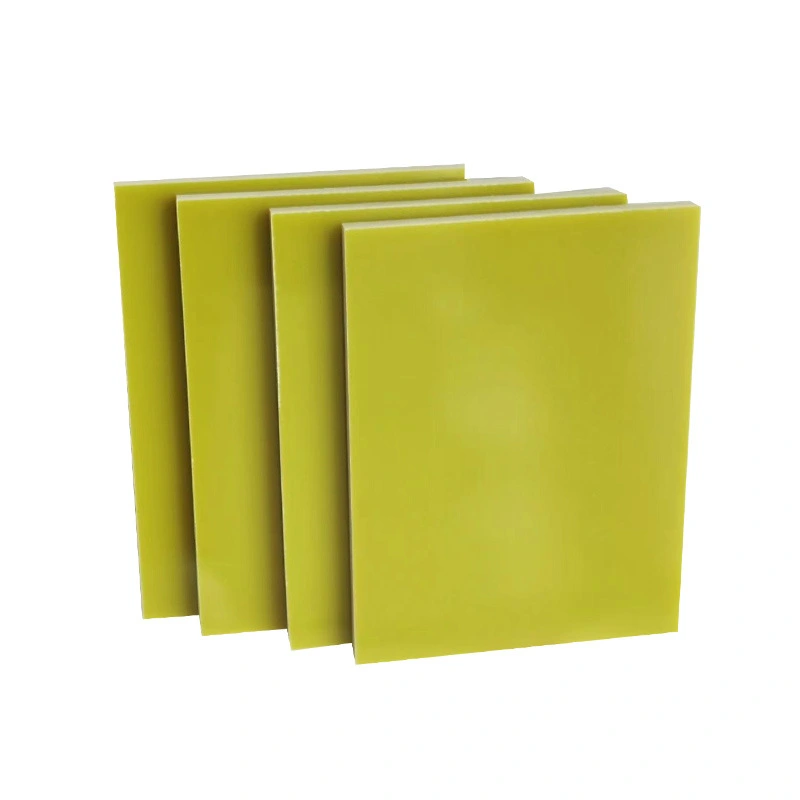
When bad materials are used in mining places, they are constantly broken down by harsh conditions. Temperature changes from freezing at the surface to equipment-generated heat, groundwater and humidity that are always present, constant vibration from drilling and extraction equipment, and exposure to diesel fuel, hydraulic fluids, and mineral dust make the test environment very rough for any insulation material. Selection of 3240 epoxy sheets mitigates these risks effectively.
Mechanical Impact and Vibration Resistance
Equipment used in underground mines is constantly under mechanical stress. Machines like crushers, elevators, and drills make constant vibrations that move through the structure. Epoxy-reinforced laminates can take these mechanical loads and spread them out without creating tiny cracks that grow into big problems. The composite structure spreads stress across the fiberglass matrix instead of gathering it at weak spots. This is a big advantage over single-piece materials like ceramics that break when hit over and over again.
Thermal Stability in Variable Conditions
As equipment starts up, works under load, and stops, the temperatures of the motor housings and switches go through big changes. During these changes in temperature, Class B insulation keeps its structure stability and electrical properties. Epoxy resins have low thermal conductivity, which makes them good thermal barriers that keep sensitive parts from getting too hot from nearby machinery. The material's thermal expansion coefficient is also very close to that of metal housings, which keeps stress from building up at mounting interfaces.
Long-Term Chemical Exposure Tolerance
During upkeep, hydraulic oils, gear lubricants, and cleaning fluids are often brought into touch with mining equipment. Epoxy glass laminates are not affected by chemicals like paper-based phenolic materials are; they don't take hydrocarbon contaminants and swell, which changes their electrical qualities and accuracy of measurements. This resistance keeps the exact gaps between motor parts and stops the wear and tear that shortens service times and makes replacements more often necessary.
When mining companies put in epoxy insulation systems instead of phenolic or polyimide ones in the past, the average time between breakdowns was a lot longer. Equipment makers have proven through rapid life tests that using the right epoxy laminates can increase the service life of parts by 40 to 60 percent in typical mining conditions. This directly leads to less downtime and a lower total cost of ownership.
Comparing 3240 Epoxy Sheets with Alternative Insulation Materials
Instead of buying inertia or familiarity with old materials, selection decisions should be based on realistic performance comparisons. Many operations are transitioning to the 3240 epoxy sheets due to their balanced technical profile.
Epoxy Variants: 3240 vs. FR-4 and Higher Grades
The main difference between regular epoxy laminates and flame-retardant versions is how well they handle fire. UL94 V-0 grades mean that FR-4 materials put out themselves when flame sources are taken away. This is very important for confined electronic systems where fire spread is very dangerous. Standard epoxy glass sheets usually get an HB rating, which is good enough for mining situations where other fire control systems are the main defense and the cost savings make up for it. Both materials have similar strength and insulation properties, so their mechanical and electrical performance qualities stay the same.
Higher-grade epoxy types (called 3300 and 3313 in some classification systems) have better resin mixes that focus on certain performance traits. Some of these are better resistance to arcs, higher temperatures, and stronger chemical resistance to certain harsh substances. In mining, these special qualities aren't needed very often, so standard epoxy boards are the most cost-effective way to get the performance you need without having to pay a lot more.
Traditional Alternatives: Phenolic and Polyimide Sheets
For many years, paper-based phenolic laminates were the most popular type of electrical shielding because they were cheap and worked well in normal conditions. Because they are hygroscopic, which means they can absorb water, they are not good for humid mining situations where electrical qualities decrease as water content rises. Dimensional instability caused by cycling of moisture makes it hard to get accurate units to fit together, and the material's low mechanical strength limits its use in situations where heavy loads need to be applied to it.
Polyimide films and laminates are very resistant to temperature changes; their features stay the same at temperatures close to 300°C. This feature comes with a higher price tag that is only justified when it is exposed to high temperatures for a long time. Extreme temperatures don't happen very often with mining equipment, so specifying polyimide is a needless cost that takes money away from other purchases without providing the expected performance benefits.
Ceramic Substrates: Performance vs. Practicality
Advanced clay materials are great at blocking electricity, keeping temperatures stable, and resisting chemicals, but they are very fragile, which limits their usefulness compared with 3240 epoxy sheet. Ceramic parts break when they are subjected to the mechanical shock and shaking that are common in mines, and the shapes and sizes that can be made are limited. Custom ceramic manufacturing takes longer to make and costs a lot more than epoxy options. Because ceramics are fragile, hard to customize, and expensive, they are more often used as specialized solutions for particular tasks than as general mining equipment insulation.
The economic benefit of epoxy laminates is shown by the total cost study that goes beyond the initial purchase of materials. When compared to materials that need to be replaced more often or require special treatment, materials that last longer, are easier to install, and don't need as much inventory have much lower lifetime ownership costs.
Procurement Guide: Sourcing Epoxy Glass Laminates for Mining Equipment
Specs for materials are only half of the procurement issue. Choosing the right supplier decides whether specs lead to consistent, reliable product delivery.
Manufacturer Reputation and Certification
Established makers keep up quality systems that make sure consistency from batch to batch, which is very important for the durability of equipment. International providers that meet the requirements of IEC standard EPGC 201 show that they follow well-known performance standards for dielectric and thermal qualities. In that regulatory system, quality assurance is the same for domestic manufacturers who follow GB/T1303.1-1998 norms. When buying something, the people in charge should check the paperwork that says it's certified and ask for test results that prove the material's electrical breakdown voltage, mechanical strength, and size tolerances.
Custom Sizing and Volume Purchasing
Standard sheet sizes work for many uses, but mining equipment usually needs special sizes to cut down on waste and make fitting easier. Trustworthy providers offer precise cutting services that deliver sheets that are the right size based on engineering plans. This saves you the cost of cutting the materials yourself and the tools that go with it. Buying in bulk often gets you better prices and makes sure that you can get the materials you need on time for your production plans. Setting up blanket purchase orders with planned releases balances the costs of keeping goods with the availability of materials. This is especially important for businesses that are far away from where fast shipping costs a lot.
Lead Time Considerations
Standard thickness sheets in popular sizes usually ship from domestic stock within 5 to 10 business days. As makers plan their production runs, lead times may go up to 3–4 weeks if you need a custom thickness or dimensions that aren’t normal. When these deadlines are planned into the project, there are no delays in the schedule and no need for urgent shipping, which drives up the cost of purchase. Keeping a smart stockpile of sizes that are used often creates buffer stock that can handle small changes in schedule without stopping repair and maintenance work.
Investment Perspective on Quality Materials
When comparing the costs of materials at first, it's tempting to choose cheaper options such as 3240 epoxy sheet. However, this limited analysis doesn't take into account the main cost drivers in mining operations, which are unexpected downtime and emergency fixes. When equipment breaks down during production shifts, it leads to lost production, extra work for emergency fixes, and faster shipping of parts. Quality epoxy insulation that cuts the number of failures by even small amounts saves a lot of money, more than the difference in the cost of the materials. Maintenance managers who keep track of failure modes regularly find that insulation degradation is a clear sign that something is wrong with the equipment. This means that replacing old insulation with new, tested materials is a smart investment that pays off big time.
Optimizing the Use of Epoxy Laminates in Mining Equipment
The way a material works in service rests a lot on how it was installed and how it is maintained.
Installation Best Practices
Preparing the surface is the first step to a successful insulation installation. Cleaning mounting surfaces is necessary to get rid of oil, dust, and rust that make bonding less effective. Epoxy-based structural adhesives make strong connections between laminates and metal housings, but the wrong choice of adhesive must take into account the different ways that different materials expand and contract. When you use the right torque specs for mechanical fastening, the clamping loads are spread out properly. This stops stress concentrations that cause cracks. To get rid of stress risers, which are places where cracks spread when something vibrates, sharp edges on mounting holes should be chamfered.
Electrical clearances listed in the plans of equipment assume that insulation materials stay the same size in the working area. When something is installed correctly, it makes sure that there are enough clearances to account for tolerance stackup and possible material movement during heat cycles. When there is too much clearance, it loses space in compact systems, and when there is too little, it causes partial discharge sites that wear away insulation over time.
Routine Inspection Protocols
Scheduled repair gives you a chance to check the state of the insulation before it fails. Visual inspection finds surface tracking (evidence of an electrical discharge across the surface), damage from shaking or contact, and contamination that needs to be cleaned. Discoloration or charring shows that thermal stress is higher than what was intended, which could mean that there isn't enough air flow or there are problems with the cooling system that need to be fixed. Edge delamination is a sign of either moisture getting in or glue failure, both of which need to be fixed right away.
Electrical testing during maintenance intervals measures insulation resistance and shows damage that can't be seen with the naked eye. By tracking changes in resistance over time, you can find patterns of slow wear and tear that let you plan ahead for upkeep. Sudden drops in resistance between inspections show severe insulation damage that needs to be looked into right away and probably requires part replacement.
Recognizing Replacement Indicators
There are a few reasons why insulation needs to be replaced instead of being kept in place. Through-thickness cracks weaken both the structure and the electricity, which means they could fail right away. Surface erosion from a long-term electrical discharge makes the material thinner and thinner until it breaks through. When layers of a laminate separate, electrical stress builds up in the parts that are still intact, which speeds up degradation. If a chemical attack causes surface weakening or changes in size, it means that the materials are not compatible and need to be replaced with ones that are.
During checks, maintenance teams should take pictures of the insulation to show how it's doing. This will help with choices about replacement and warranty claims, and it will also help the organization learn more about how materials work in different situations. This paperwork is especially helpful when looking at different materials or figuring out why something keeps breaking.
Conclusion
For mining equipment soundproofing to work with 3240 epoxy sheet, the materials must be made to last in really tough circumstances. When it comes to long-term performance, epoxy glass laminates have the mechanical strength, electrical insulation, heat stability, and chemical protection that you need. Because they have a history of working well in heavy industrial settings, are cost-effective, and can be machined easily, they are the best choice for procurement workers who need to balance performance needs with budget realities. Understanding the properties of the materials, installing them correctly, and following the right checking procedures are all ways to get the most out of the long-lasting benefits these materials offer, protecting both machine investments and operating safety.
FAQ
How does the choice of material thickness affect how well insulation works?
Thicker laminates are stronger and better at insulating electricity, but they are heavier, cost more, and take up more room. Applications that are mostly under electrical stress may be able to work with smaller sheets (0.5–3 mm), but structure parts that are under mechanical loads usually need thicker sheets (6–25 mm). Engineers should figure out the dielectric strength that is needed by looking at the working voltages and safety gaps. They should then make sure that the mechanical strength meets the load requirements by using the right safety factors. Talking to sellers with a lot of knowledge can help you choose the right thickness, so you don't fail too soon because it's not specified well enough or waste resources by specifying it too well.
What makes top types of epoxy laminates different from regular ones?
Premium versions usually have stricter rules over the manufacturing process, higher-purity resins, and finer-weave fiberglass reinforcement. These improvements make the tolerances for dimensions smaller, the electrical properties more stable across production batches, and the resistance to certain environmental stresses higher. These changes help mining uses when equipment is working close to its material performance limits or when the failure would require more material investment because of the bad effects. In normal mining situations, standard grades work consistently. Premium specifications, on the other hand, are better for important uses than everyday ones.
Can I get concrete sheets that come with approved proof of performance?
Material certifications from reputable makers show that the product meets the necessary standards and records important performance data. Usually, these certificates have results from tests on the breakdown voltage, the mechanical properties, the temperature rating, and the dimensions. Specifications for buying things should make it clear that certification paperwork must be sent with the goods, and the people who receive the goods should check that the lines on the goods match the certification paperwork. This paperwork trail helps meet the needs of quality systems and gives you data to use when you're having trouble with performance.
Partner with J&Q for Reliable Epoxy Sheet Solutions
For more than twenty years, J&Q has been making high-quality insulation products that are designed to work in tough industrial settings. We have a lot of experience working with electrical and electronics makers, industrial machinery builders, and clients in the power sector. This has helped us learn more about the exact performance traits that mining operations need. We have been a seller of epoxy sheets for a long time, and we make sure that every sheet meets our strict quality control standards for mechanical strength, electrical properties, and accurate measurements throughout the entire production process.
Our integrated skills go beyond production and include full logistics services that make buying things easier for businesses all over the United States. Custom size services get the materials exactly matched to your engineering needs, which cuts down on waste during production and makes fitting easier. Technical advice helps you choose the best materials for your tools, and our helpful customer service team makes sure that your questions are answered quickly and correctly.
To talk about your mining equipment insulation needs, please email us at info@jhd-material.com if you are an engineering manager or a buying expert. You can ask for samples of the material to test its quality in your own way, or you can send in full specs for custom orders to get quotes. Our promise to provide you with reliable materials and quick service helps your activities keep the safety, efficiency, and low costs that make mining businesses great.
References
Institute of Electrical and Electronics Engineers. (2019). Standards for Insulation Systems in Rotating Machinery. IEEE Standards Association Technical Publication.
Harper, C.A. (2018). Handbook of Plastics Technologies: The Complete Guide to Properties and Performance. McGraw-Hill Professional Engineering Series.
Mining Safety and Health Administration. (2020). Electrical Safety Guidelines for Underground Mining Operations. U.S. Department of Labor Safety Publications.
International Electrotechnical Commission. (2017). Industrial Laminated Sheets Based on Thermosetting Resins for Electrical Purposes. IEC Standard 60893 Series Documentation.
Society of Mining, Metallurgy & Exploration. (2021). Materials Selection for Mining Equipment: Durability and Performance Criteria. SME Technical Journal Anthology.
American Society for Testing and Materials. (2020). Standard Test Methods for Electrical Insulating Materials. ASTM D149 and Related Standards Compendium.