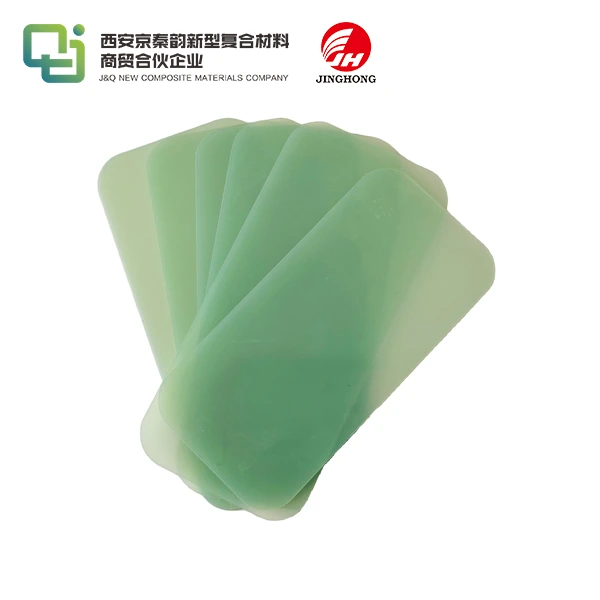
Bakelite Sheet Applications in Transformer Insulation
2026-05-11 17:11:33
For more than a century, safety standards in power systems have been established through the use of Bakelite sheet insulation. In distribution transformers, power transformers, and high-voltage relays, this phenolic layered material is very important for keeping the coils apart, blocking arcs, supporting bushings, and insulating the ends of wires. Engineers and procurement teams choose Bakelite sheet because they have a consistent dielectric strength above 12 kV/mm, can withstand temperatures up to 149°C, and keep their shape under long-term electrical stress. These properties directly lower the number of failures and increase the service life of equipment in harsh industrial settings.
Understanding Bakelite Sheets and Their Properties for Transformer Insulation
Chemical Composition and Manufacturing Process
When phenol and formaldehyde combine with controlled heat and pressure, polyoxybenzylmethyleneglycolanhydride is made. This is a thermosetting glue that hardens and can't be undone. When layers of cellulose paper that are soaked with this phenolic glue are pressed together at temperatures around 160°C, the layers harden into rigid laminated sheets. Thermoplastics weaken when heated again, but this thermoset structure keeps its shape once it's fixed. This makes it very stable in places like transformers where temperatures change all the time.
Key Electrical and Thermal Characteristics
The material's dielectric strength is usually between 12 and 16 kV/mm, which is good enough for medium-voltage uses up to 35 kV class transformers. Thermal durability lets it work continuously at 130°C and for short periods of time at 149°C without breaking down. Volume resistivity is higher than 10^9 ohm-cm, which lowers the amount of stray currents that could make it harder for the insulator to work together. According to ASTM D495, the material has an arc resistance that lasts longer than 60 seconds. This means that it can handle surface tracking better than many current composites when electrical discharges happen.
Mechanical Strength and Dimensional Stability
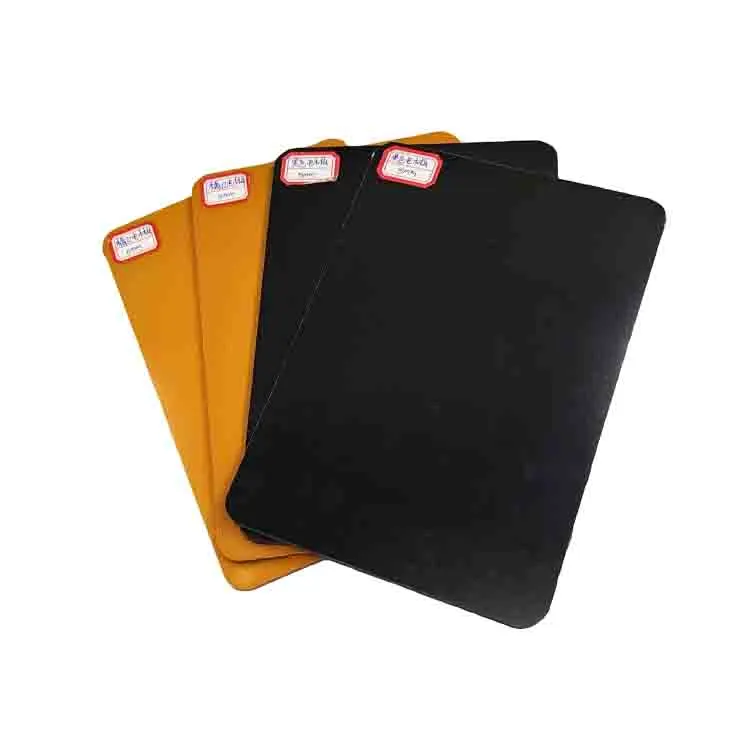
Depending on the type of paper and the amount of resin in it, the flexural strength can reach 100 to 140 MPa. This means that it can hold structural loads in transformer core sections and coil supports. The low rate of moisture absorption—usually less than 1% after 24 hours of immersion—keeps the material from expanding, which could loosen press-fit parts or make dielectric gaps smaller. Machinability lets you cut, drill, and thread precisely without delamination, which lets you make custom transformer shapes with tight tolerances. With thicknesses ranging from 0.5 mm to 50 mm, the material can be used for a wide range of design needs, from thin gaps to strong structural barriers.
Why Choose Bakelite Sheets for Transformer Insulation?
Superior Performance Versus Alternative Materials
Bakelite sheet are easier to work with and cost less than epoxy laminates, but they still work just as well electrically for normal distribution transformers. Epoxy resins work best in wet conditions and high-temperature settings. But Bakelite sheet is the best material for dry-type transformers and oil-immersed designs because it has a history of performance in these areas. While melamine-based laminates are better at resisting arcs, they are not tough enough for load-bearing uses in transformer systems.
Modern industrial plastics, such as polyetherimide (PEI) and polyether ether ketone (PEEK), can handle higher temperatures for longer periods of time. However, they cost three to five times more per kilogram than Bakelite sheet. When looking at mid-range power distribution equipment, where thermal demands stay within Bakelite sheet capability window, the choice matrix becomes clear: paying more for exotic plastics doesn't improve performance much and just makes production more expensive than it needs to be.
Case Study: Distribution Transformer Manufacturer
A North American company that makes transformers for 500 kVA distribution units kept having problems with different types of coil insulation during thermal cycle tests. Over the course of 18 months, warranty claims dropped by 34% after grade XXXP Bakelite sheet were used as phase barriers and coil gaps. The material's ability to keep its shape during cycles of heat and cold stopped the tiny movements that had worn down wire insulation in earlier designs. This proof in the real world shows how the choice of material has a direct effect on field efficiency and total cost of ownership.
Addressing Common Misconceptions
Some engineering teams think wrongly that Bakelite sheet is an old technology that has been replaced by more modern materials. The truth is that a lot of "new" products just swap one set of problems for another. Bakelite sheet has been used in electrical systems for over 100 years because it has a fair set of properties, not because the business has stuck with it. Transformers that were put in the 1960s are still working consistently today because the Bakelite sheet insulation hasn't worn down. Few modern materials have been able to match this level of durability.
Procurement Guide: How to Source Quality Bakelite Sheets for Transformer Insulation
Essential Quality Standards and Certifications
Materials that meet IEC 60893 standards for industrial rigid laminated sheets made from thermosetting resins can be bought from reputable sources. UL approval under file number for insulation materials makes sure they meet safety standards in North America. ISO 9001 certification shows that quality management systems are consistent, and ISO 14001 certification shows that production methods are environmentally responsible. Ask for material data sheets that show real test results for dielectric strength, bending strength, and moisture absorption, not just the manufacturer's recommended values.
Supplier Evaluation Criteria
When evaluating a company's manufacturing capabilities, it should look at things like its press capacity, quality control methods, and how it gets its raw materials. Maintaining multiple sources of phenolic resin by suppliers shows a resilient supply chain that keeps your production plans safe from material shortages. Ask about lot tracking systems that let you connect the performance of finished products with specific production batches. This is very important when looking into problems in the field years after the product was installed.
In transformer uses, consistency is more important than peak speed. It is better to get sheets from a source whose dielectric strength changes from batch to batch and stays between 12 and 14 kV/mm than from one whose dielectric strength sometimes hits 16 kV/mm and other times drops to 10 kV/mm. Ask for statistical process control data that shows key parameter Cpk numbers above 1.33. This will show that the manufacturing process is stable.
Bulk Purchasing and Customization Considerations
Price advantages can be unlocked by making volume agreements, but the costs of keeping inventory must be weighed against the saves per unit. Setting up blanket purchase orders with planned releases keeps prices stable and keeps extra goods from going bad. For normal grades, many makers set a minimum order quantity of 500 kg. For custom formulas, however, bigger minimums may be needed to cover the costs of tooling and setup.
Customization options include specific thickness limits (±0.1 mm is possible instead of the standard ±0.3 mm), pre-cut forms that remove the need for in-house machining, and special surface treatments that make the transformer more compatible with oil for uses that submerge it. Make it clear how long it takes to get custom work—usually 6–8 weeks versus 2–3 weeks for stock sizes—and plan your buying schedules properly.
Logistics and Delivery Considerations
Material wrapping affects how usable the item is when it arrives. When the sheets come, they should be split by protective interleaving to keep the surface from getting scratched, which could lead to electrical tracking. Moisture-barrier wrapping keeps things in good shape while they're being shipped and stored, which is especially important for places that are in wet climates. Check to see if the freight costs include liftgate service and delivery inside, since full boxes of laminated sheets can weigh more than 400 kg and need special tools to move them.
Working with Bakelite Sheets in Transformer Production and Maintenance
Material Verification and Quality Testing
A visual review should make sure that the color is even and there are no light spots that would show that the resin hasn't been fully infused. Surface delamination, edge splitting, or foreign bits trapped in the material are all signs of low-quality material that needs to be thrown away before it can be machined. Electrical performance is confirmed by destructive testing of sample pieces using dielectric breakdown tests, and mechanical qualities are confirmed by flexing testing.
As part of non-destructive testing, displacement methods are used to measure specific gravity, which is usually between 1.35 and 1.40 g/cm³ for paper-based grades. Testing for hardness using the Shore D or Rockwell scales is a quick way to make sure that the material has properly cured; material that hasn't properly cured has lower hardness and less heat resistance. Keep getting inspection records that show these checks were made. This way, if problems arise later, they can be tracked back to the source.
Fabrication Techniques and Best Practices
When cutting Bakelite sheet, cutting tools with carbide tips keep them from wearing out too quickly. The right feed rate should balance output with heat production. Cutting too fast can cause charring in certain areas, which hurts the quality of the edge and the electrical properties of the material. To get rid of the phenolic dust that builds up in flutes and overheats the material during drilling, you need sharp twist bits that are pecked often. Coolant use is still not required, but it is helpful for keeping tight limits on dimensions during big production runs.
Edges need to be deburred to get rid of sharp edges that put extra electrical stress on them. Using 220 grit abrasives for light sanding makes cut surfaces smooth without taking away much material. When grinding, don't use too much heat—surface temperatures above 180°C can cause breakdown in certain areas, which can affect how well the insulation works. Isopropyl alcohol should be used to clean parts that need to be put together so that any machining leftovers or oils don't get in the way of the glue bonding or make the surface less resistant to flashover.
Maintenance and Lifecycle Extension
As part of regular generator repair, Bakelite sheet parts should be looked at visually for surface tracking patterns, charring around the edges, or mechanical cracks. Electrical-grade chemicals and lint-free cloths can be used to clean up minor surface pollution. Do not use rough cleaning methods that scratch surfaces and make places where tracking can start.
When obvious carbonized tracks form conductive lines or when mechanical damage weakens the structure, replacement is needed. Matching the original material's specs makes sure that it works with other parts and keeps the design's safety gaps. To help asset management and predictive maintenance programs, keep track of all repair work with dates of installation and material certifications.
Environmental Considerations and Recycling
Because they are thermoset, phenolic laminates are hard to recycle because they can't be melted down and reshaped like thermoplastics can. At the moment, most trash is either burned with energy recovery or put in a dump. Some research projects grind up used Bakelite sheet to use as fillers in other composite materials, but it's still not widely used on a business level. By being very clear about the exact amounts needed, industrial trash is kept to a minimum, which is good for the environment and saves money on materials.
Future Outlook and Trends in Transformer Insulation Materials
Innovations in Phenolic Formulations
Manufacturers are still working to improve the science of resins so that they work better in hot conditions without losing their mechanical qualities. When silicone is added to modified phenolic resins, they show better resistance to arcs and less char formation during electrical problems. These hybrid recipes are a mix of traditional Bakelite sheet and high-performance thermosets. They offer better performance for important uses while keeping the same cost structures and processing features.
As companies try to make transformers with more power per unit area, thinner sheets make it possible to make them smaller. Modern calendaring methods can now make uniform sheets as thin as 0.3 mm and with better tolerance control than before. This helps downsizing trends in specific transformer uses.
Competitive Materials Analysis
When compared to hard phenolic sheets, aramid-based laminates like Nomex systems are more flexible and can handle higher temperatures better. These materials work great in traction transformers and aircraft uses that need to reduce weight and go through high temperature changes. The trade-off is higher prices for materials and different building requirements, which may not be worth it for normal utility transformer uses.
Polyester-glass laminates (GPO-3) are better at resisting wetness and tracking, which makes them the best choice for outdoor switches and installations near the coast, where humidity affects the choice of material. Bakelite sheet is still better than GPO-3 in dry indoor settings and oil-immersed transformers because it is better at being machined and has been shown to be compatible with mineral oils.
Market Demand and Strategic Recommendations
Demand for transformers keeps going up around the world because of the use of green energy, the updating of power grids, and the growth of industries in emerging areas. Even though newer materials are available, Bakelite sheet production will continue as long as there is a steady market for it. We suggest that procurement teams keep two sources for important materials on hand, with qualified backup sellers to make sure that production doesn't stop when a supply chain is interrupted.
As transformer designs change, engineering teams should look at the materials they used every so often. Older equipment might need Bakelite sheet parts that are true to the time period, but new designs let you see if other materials offer enough performance benefits to make the switch worthwhile. Instead of just looking at the qualities on the datasheet, it's better to use balanced scorecards that take into account things like material cost, fabrication labor, expected service life, and source reliability.
Conclusion
Bakelite sheet are still used to insulate transformers because they have good electrical performance, are reliable mechanically, and are cost-effective in ways that newer materials find hard to match in all application factors at the same time. To be successful in procurement, you need to choose providers with strong quality systems, the right certifications, and consistent processing, rather than trying to make small changes to specifications. When engineering teams know what a material can and can't do, they can use Bakelite sheet where its strengths match the needs of the design and know when other insulators would work better in other situations.
Strategic relationships with suppliers, careful inspection of arriving materials, and the right way to make things make sure that Bakelite sheet parts work as well as they can for the whole life of the transformer. Because Bakelite sheet has been used for over one hundred years, you can be sure that it will continue to work effectively for decades if it is properly specified and fitted.
FAQ
What temperature range can Bakelite sheets withstand in transformer applications?
In transformer uses, what temperature range can Bakelite sheet handle? UL temperature index rates say that standard phenolic paper laminates can work continuously at 130°C with short-term peaks up to 149°C. In an emergency, these temperatures may quickly go above them, but running above the limit for a long time speeds up thermal degradation and shortens the service life. Specialized high-temperature grades have constant ratings up to 155°C for uses that need better thermal durability.
Can Bakelite sheets be customized for specific transformer designs?
Manufacturers allow for a lot of customization, such as thicknesses that aren't standard, pre-cut forms that match customer plans, and drilled hole designs that get rid of the need for in-house cutting. For submerged transformer uses, surface treatments can be used to make it easier for the oil to soak in. When compared to standard catalog items, custom orders usually have minimum amounts and longer wait times. Because of this, making procurement plans around these limitations helps keep project timelines on track.
Which certifications matter most when sourcing Bakelite sheets?
UL certification shows that the materials meet the safety standards for electrical shielding systems in North America. Compliance with IEC 60893 shows that industrial laminates meet international quality standards. ISO 9001 certification means that quality control in production is constant. RoHS compliance checks that goods going to markets that follow environmental rules don't contain certain substances. Instead of depending on what the seller says, ask for copies of the real certificates.
Partner with J&Q for Premium Bakelite Sheet Solutions
Join forces with J&Q for top-notch Bakelite sheet solutions. For your transformer insulation needs, J&Q has more than 20 years of experience making things and 10 years of experience trading internationally. As a well-known company that sells Bakelite sheet, we make sure that all of our production sites follow strict quality control measures to make sure that every sheet meets IEC 60893 and UL standards before it is sent out. Our in-house logistics department coordinates deliveries smoothly, so you don't have to worry about handling multiple suppliers for freight and supplies.
Our expert support is appreciated by engineering managers and procurement specialists, as we help match material types to your specific voltage classes, temperature profiles, and mechanical loading conditions. Custom services for cutting, drilling, and shaping cut down on the costs of handling things in-house and speed up production plans. Our quality certificates and batch traceability paperwork help you meet legal standards and keep track of field performance.
Contact our team at info@jhd-material.com to talk about how to insulate your generator. We offer reasonable quotes, examples of the materials, and technical data packages that are suited to your business needs and delivery dates. You can look at all of our electrical shielding products at jhd-material.com.
References
Baekeland, L.H. (1909). "Method of Making Insoluble Products of Phenol and Formaldehyde." Journal of Industrial and Engineering Chemistry, Volume 1, Issue 3.
International Electrotechnical Commission (2019). "IEC 60893: Insulating Materials – Industrial Rigid Laminated Sheets Based on Thermosetting Resins for Electrical Purposes."
Underwriters Laboratories (2021). "UL 746E: Polymeric Materials – Industrial Laminates, Filament Wound Tubing, Vulcanized Fibre, and Materials Used in Printed Wiring Boards."
IEEE Standards Association (2018). "IEEE C57.12.00: Standard for Liquid-Immersed Distribution, Power, and Regulating Transformers."
Tanaka, T. and Greenwood, A. (2011). "Advanced Power Cable Technology Volume I: Basic Concepts and Testing." CRC Press, Power Engineering Series.
Srinivasan, M.R. and Krishnan, A. (2016). "Transformer Engineering: Design, Technology, and Diagnostics." CRC Press, Second Edition.
 拷贝.webp)