Bakelite Sheet: Properties, Manufacturing and Applications
2026-03-02 17:07:46
Bakelite sheet is one of the most stable and long-lasting industrial materials used for mechanical and electrical insulation. This thermosetting phenolic laminate has great electrical properties, resistance to heat, and mechanical strength, which makes it essential in many industrial sectors. In applications ranging from equipment parts to car insulation systems, Bakelite sheet consistently performs better than other plastics. Knowing its special features, how it's made, and the many ways it can be used helps procurement pros make smart choices that meet the needs of their industries and guarantee long-term dependability.
What is Bakelite Sheet? Understanding the Fundamentals
To understand Bakelite sheets, you need to look at what they are made of and what makes them special in a way that has made them industry standards for more than a hundred years. These materials are very important for protecting against electricity, keeping things from touching, and building things where dependability is important.
Definition and Chemical Composition of Bakelite
Bakelite sheet is a thermosetting phenolic laminate made up of phenolic resin bonded to cloth or cellulose paper. A condensation process between phenol and formaldehyde makes the phenolic resin. This makes cross-linked polymer chains that can't be melted back together once they're hard. This chemical structure is very stable in terms of its dimensions and doesn't break down easily in heat, chemicals, or electricity.
Multiple layers of phenolic resin-soaked kraft paper or cotton fabric make up the laminated frame. In the production process, these layers are pressed together at controlled temperatures and pressures, usually between 138°F and 160°C (280°F to 320°F) and 1,000 to 2,000 psi. This process makes a material that is uniform and has the same qualities all the way through it.
Historical Background and Evolution in Industrial Applications
In 1907, Leo Baekeland created the first Bakelite material. This was the start of manufactured plastics. Bakelite was first made for use as an electrical insulator, but it quickly spread to other industries because it was better than natural materials like shellac and rubber in many ways.
In the 1920s, makers realized they needed flat insulation materials that could be machined. This is when Bakelite sheets first came into being. In the beginning, it was used in electrical switchboards, radio parts, and starting systems for cars. During World War II, demand sped up a lot because military equipment needed reliable insulation materials to work in harsh circumstances.
These days, advanced quality control methods and standardized specifications are used to make Bakelite sheets. The materials we use today are compliant with strict electrical codes, such as UL 94 flame rates and NEMA standards for electrical insulation systems.
Key Characteristics That Set Bakelite Apart from Other Plastics
In comparison to plastics substitutes and other insulation materials, bakelite sheet has some special features. Because it is thermoset, it doesn't melt when heated, so it keeps its shape at high temperatures where thermoplastics would break or distort.
The substance is very resistant to arcs, which keeps electricity from following and carbonizing up when there is a lot of energy. In switchgear applications, where electrical problems could put people in danger, this trait is very important. Additionally, Bakelite sheets don't absorb much water - usually less than 1.5% by weight - so their electrical properties stay stable in damp places.
Its mechanical qualities include a compressive strength of more than 25,000 psi and a flexural strength of about 12,000 psi. Because of these qualities, it can be used in structural uses that need both load-bearing and electrical insulation.
Common Forms and Configurations Available in the Market
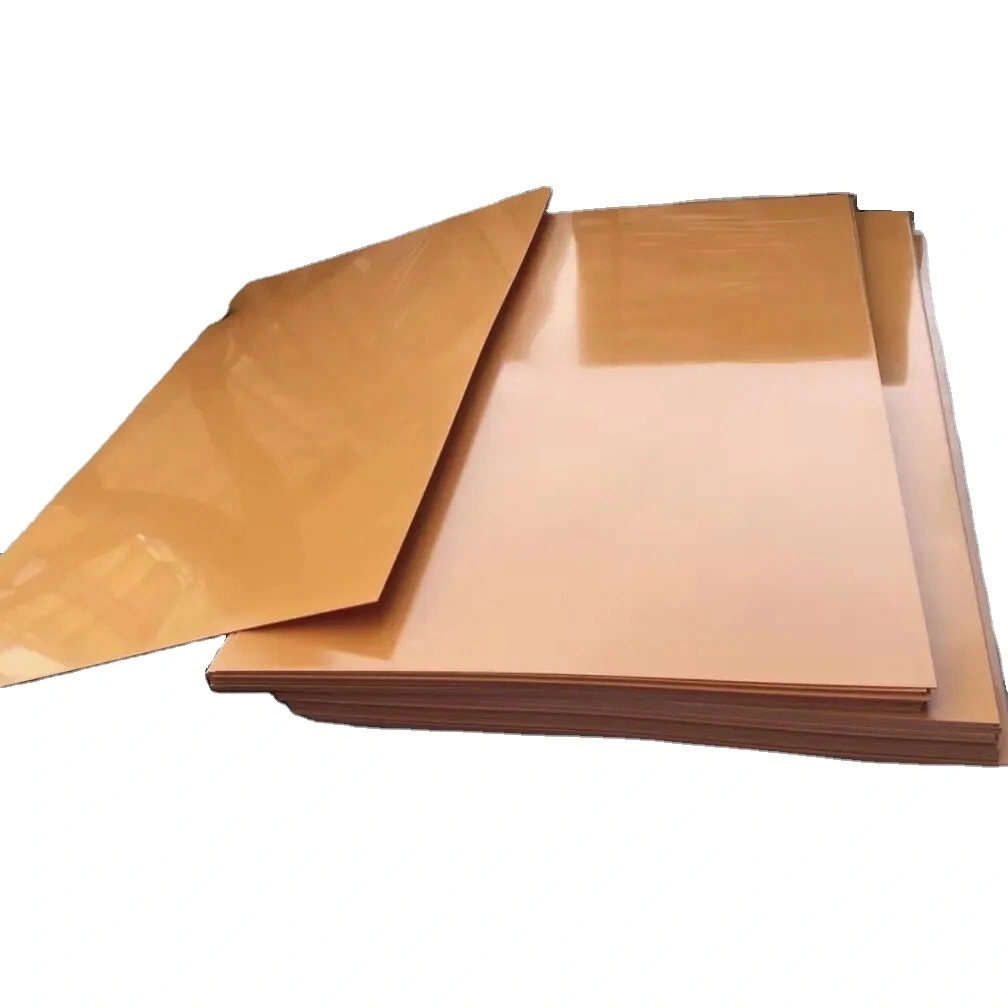
To meet the needs of specific applications, bakelite sheet is offered in a variety of grades and configurations. For general electrical uses, standard paper-based grades have great electrical properties and can be machined easily. Fabric-based grades are better for structural and high-stress uses because they have more mechanical power.
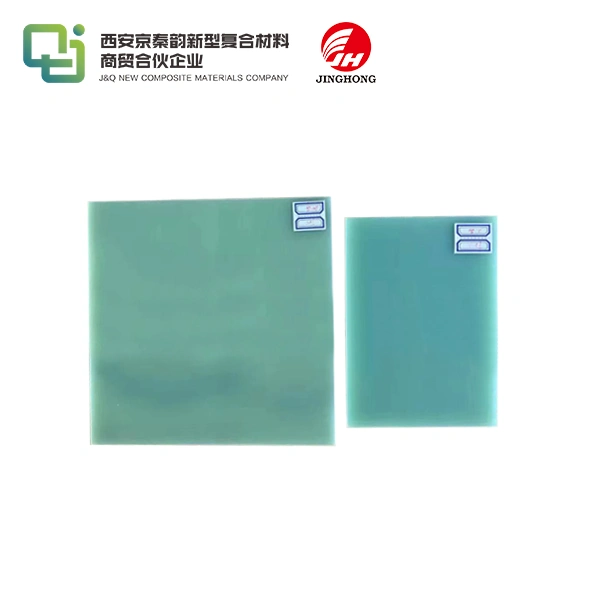
You can choose from thicknesses between 0.5mm and 50mm, and common sheet sizes are 36" x 48" and 48" x 96". Cutting and machining services allow for custom sizing to meet the needs of a particular project. There are different shades of color, such as natural brown, black, and special types with better properties for certain uses.
Comprehensive Properties Analysis of Bakelite Sheets
Because of how well they work, Bakelite sheets can be used in tough industrial settings where a lot of different property needs to be met at the same time. Knowing these qualities helps you choose the right materials and design applications that work well.
Electrical Insulation Properties and Breakdown Voltage Specifications
Due to their high dielectric strength and volume resistance, bakelite sheet products are ideal for insulating electrical systems. The dielectric strength is usually between 12 and 16 kV/mm, which makes it a good choice for high-voltage uses. Since the volume resistance is higher than 10^12 ohm-cm, there isn't much current loss even when the electrical stress is kept up for a long time.
It doesn't change its electrical properties when the temperature goes from -40°F to 250°F (-40°C to 121°C). At 1 MHz, Bakelite's dielectric constant numbers are usually between 4.5 and 6.0, which means it can be used for both power frequency and radio frequency tasks. Loss factor stays low, usually below 0.05, which keeps energy loss in electrical circuits to a minimum.
Arc resistance performance meets the standards set by ASTM D495; most numbers are longer than 180 seconds. This trait keeps the surface from carbonizing when there is an electrical fault. This keeps the insulation's integrity and stops electrical equipment from failing in a chain reaction.
Thermal Properties: Heat Resistance Temperature and Thermal Expansion
One of Bakelite's biggest benefits over thermoplastic alternatives is that it works better with heat. Standard grades can handle temperatures up to 250°F (121°C) in continuous use, while special formulas can handle temperatures up to 300°F (149°C). Temperatures close to 400°F (204°C) can be tolerated for short periods of time without causing structural damage.
The coefficients of thermal expansion stay low, at about 20 x 10^-6 in/in/°F (36 x 10^-6 mm/mm/°C). In precision uses, this dimensional stability keeps the material from warping and concentrating stress. At 264 psi pressure, the heat deflection temperature usually goes over 300°F (149°C).
The material is very resistant to thermal shock and stays strong even when temperatures change quickly. This trait is useful in situations where the material needs to be heated and cooled a lot, like in motor parts and automotive uses.
Mechanical Strength and Durability Under Industrial Conditions
Because of their mechanical qualities, Bakelite sheets last a very long time in industrial settings. The compressive strength is usually between 25,000 and 35,000 psi, which means it can be used to hold weight in machinery and equipment mounting systems.
When it comes to modulus, the number is about 1.2 million psi, and the flexural strength is about 12,000. These qualities make them useful for building uses that need to be resistant to bending loads. At about 0.4 ft-lb/in of notch, the impact strength is still good enough for most industrial uses, even though it is weaker than that of engineering plastics.
Because it doesn't wear down easily, bakelite is good for use in bearings and other mechanical parts that rub against each other. The material stays the same size even when it is under constant mechanical load, which stops the creep and warping that happen with thermoplastic materials.
Chemical Resistance Guide: Acids, Bases, and Solvents
Because it is resistant to chemicals, Bakelite sheet can be used in places where metal parts would break down. The substance is very strong against weak acids, bases, and most organic liquids. Over long periods of time, concentrated acids and strong alkaline liquids may wear away at surfaces.
Because it doesn't react with oils, greases, and other fuel products, Bakelite can be used in both cars and factories. The material doesn't change when it comes into contact with hydraulic fluids, cutting oils, and lubricants that are popular in factories.
After 24 hours of soaking, the body still absorbs very little water—usually less than 1.5% by weight. This low absorption keeps the electrical qualities the same even when the working conditions are humid.
Surface Characteristics and Moisture Absorption Rates
The quality of the surface finish affects both how the Bakelite sheets look and how well they work. Standard finishes make surfaces smooth and machinable so they can be used for precise manufacturing. Surface roughness is usually between 32 and 63 microinches Ra, which lets machining processes with close tolerances happen.
The rate of moisture absorption stays low no matter what the surroundings is like. Even in places with a lot of humidity, the equilibrium moisture level usually stays below 2%. This feature keeps the dimensions stable and stops the electrical properties from getting worse over time.
Surface treatments and coatings can enhance specific properties when required. Anti-static treatments stop the buildup of static electricity in electronic uses. Specialized coatings make things more resistant to chemicals or improve their look.
Bakelite Sheet Manufacturing Process and Quality Standards
When Bakelite sheets are made, the ingredients, processing conditions, and quality standards must all be carefully managed. Knowing about these steps helps people who work in buying figure out what suppliers can do and set the right quality standards.
Raw Material Selection and Phenolic Resin Formation
The process of making something starts with making phenolic glue by carefully reacting phenol and formaldehyde. The way the resin is made changes its final properties. For example, different catalyst systems and reaction conditions can make resins that work best in certain situations. Consistent qualities and long-term performance are ensured by using high-quality raw materials.
For electrical grades, reinforcement materials like kraft paper are used. For mechanical grades, they use cotton cloth. The end laminate's properties are affected by the weight of the paper and how the fabric is put together. Heavier reinforcements improve mechanical strength at the cost of electrical properties.
The resin content is usually between 35% and 45% by weight, which is good for both mechanical qualities and processing properties. A higher resin content makes the material more resistant to electrical problems and water. On the other hand, a lower resin content makes the material stronger and cheaper.
Pressing and Curing Process: Temperature and Pressure Controls
In the laminating process, phenolic resin is mixed with reinforcement layers and then the material is dried to get rid of any solvents and allow the resin to properly progress. Several layers are put together to meet certain thickness standards, and then they are put in heated presses to stick together.
Most of the time, temperatures and pressures used for pressing are between 280°F and 320°F (138°C to 160°C). Cure cycles last between 60 and 90 minutes, based on the grade and thickness. To get the resin to cure properly and get rid of any gaps or delamination, the temperature and pressure patterns must be carefully managed.
After the glue has dried, it may need to be heated again to finish crosslinking and improve its properties. Controlled cooling stops the buildup of internal stress that could affect the stability of the dimensions and the way the metal is machined.
Quality Control Measures and Testing Protocols
Full quality control makes sure that traits and performance are always the same. Protocols for testing include checking the electrical properties, the material strength, and the accuracy of the measurements. Statistical process control checks the uniformity of production and finds problems that might affect quality.
ASTM guidelines say that electrical testing includes measuring arc resistance, dielectric strength, and volume resistivity. Compressive strength, flexural properties, and impact resistance are all checked by mechanical tests. Environmental testing checks how well something absorbs water, how well it handles changing temperatures, and how well it handles chemicals.
Incoming material inspection ensures raw material quality and consistency. Recording temperature and pressure during pressing activities is part of process monitoring. The final review checks that the measurements are correct, the surface is smooth, and there are no flaws like holes or delamination.
Thickness Tolerance Standards and Size Specifications
Tolerances for thickness depend on the grade and the needs of the product. For standard grades, tolerances are usually between ±0.005" and ±0.010". Through controlled pressing and post-machining, precision grades can get tighter limits. Because of the way the process works, large sheets may need bigger tolerances.
Standard sheet sizes are 36" x 48" and 48" x 96". Custom sizes can be made by cutting the sheets. For normal pressing tools, the thickest section that can be used is about 2 inches. For thicker sections, you'll need to use different processing methods.
Specifications for surface finishes spell out what kind of look and function are allowed. Standard finishes give surfaces that are smooth and regular, making them good for most uses. Some special finishes have rough surfaces that help things stick together better or look better.
Surface Finish Options and Color Variations
Because of the way phenolic resins work, natural Bakelite turns brown. Black grades have carbon black fillers added to them to improve their electrical qualities and look. Due to the way the resin is made and the high temperatures used in the process, special colors are still restricted.
Surface textures can be anything from smooth, shiny to matte, based on how the mold was made and how it was processed. Smooth finishes make precise machining easier and give uses that will be seen a nice look. Textured surfaces might help things stick together better when they are being bonded.
During post-processing steps like sanding, cleaning, or chemical treatment, surface properties can be changed. These steps make it possible to reach certain levels of surface roughness or get ready for subsequent gluing or coating steps.
Industrial Applications and Use Cases Across Industries
Bakelite sheets serve diverse industrial applications where their unique combination of electrical, thermal, and mechanical properties provides optimal performance. Understanding these applications helps identify opportunities for material substitution and performance improvement.
Electrical and Electronics Industry Applications
The electrical industry represents the largest application segment for Bakelite sheets, utilizing their exceptional insulation properties and arc resistance. Switchgear components including bus supports, barriers, and mounting plates rely on Bakelite's ability to maintain insulation integrity under fault conditions.
Transformer applications include coil insulation, tap changer components, and structural supports. The material's low moisture absorption and thermal stability ensure reliable performance in oil-filled and dry-type transformers. Terminal blocks and connector housings benefit from excellent machining characteristics and dimensional stability.
Motor and generator applications utilize Bakelite for commutator segments, slot wedges, and bearing insulation. The material's mechanical strength supports rotating machinery applications while providing essential electrical isolation. Control panel components including mounting plates and protective barriers take advantage of flame resistance and electrical safety characteristics.
Automotive and Transportation Sector Usage
Automotive applications focus on heat resistance and electrical insulation requirements in engine compartments and electrical systems. Ignition components including distributor caps and coil forms utilize Bakelite's arc resistance and thermal stability. Battery components benefit from chemical resistance and structural integrity.
Heat shields and thermal barriers protect sensitive components from exhaust and engine heat. The material's dimensional stability prevents warping and maintains protective effectiveness over vehicle service life. Electrical junction boxes and connector housings provide reliable wire management and environmental protection.
Commercial vehicle applications include transmission components, brake system insulators, and electrical distribution components. The material's durability under vibration and thermal cycling makes it suitable for heavy-duty applications where reliability is critical.
Industrial Machinery and Equipment Components
Manufacturing equipment applications utilize Bakelite's mechanical properties and chemical resistance for components requiring both structural integrity and corrosion resistance. Gear components, spacers, and mounting plates benefit from dimensional stability and machining characteristics.
Pump and valve applications include impeller components, sealing surfaces, and structural supports. Chemical process equipment utilizes Bakelite's resistance to oils, solvents, and weak chemicals. The material's non-metallic nature prevents galvanic corrosion in mixed-material assemblies.
Textile machinery applications take advantage of wear resistance and dimensional stability for guides, spacers, and structural components. Food processing equipment benefits from non-toxic characteristics and resistance to cleaning chemicals and sterilization processes.
Construction and Building Applications
Building electrical systems utilize Bakelite for bus duct supports, cable tray components, and electrical enclosure elements. The material's flame resistance and structural integrity support fire safety and building code requirements. Elevator components including guide shoes and electrical isolation elements rely on wear resistance and electrical properties.
HVAC applications include fan components, ductwork supports, and control system elements. Thermal insulation properties and dimensional stability support efficient system operation. Plumbing applications utilize chemical resistance and non-metallic characteristics for specialized fittings and supports.
Infrastructure applications include utility pole components, substation insulators, and communication equipment housings. The material's weather resistance and electrical properties ensure long-term performance in outdoor environments.
Specialized Applications in Aerospace and Marine Industries
Aerospace applications require materials meeting stringent flame resistance and smoke generation requirements. Bakelite grades formulated for aerospace applications provide electrical insulation for avionics systems and structural components for interior applications. Weight considerations favor Bakelite over ceramic alternatives in many applications.
Marine applications utilize corrosion resistance and electrical properties for shipboard electrical systems. Navigation equipment housings, electrical panel components, and communication system elements benefit from moisture resistance and dimensional stability. Offshore oil platform applications require materials resistant to saltwater corrosion and harsh environmental conditions.
Military and defense applications include radar system components, communication equipment, and vehicle electrical systems. The material's electromagnetic transparency and electrical insulation properties support electronic warfare and communication applications. Reliability requirements in these applications demand consistent material properties and proven performance history.
Conclusion
Bakelite sheets continue to provide reliable performance across diverse industrial applications where electrical insulation, thermal stability, and mechanical strength are required. Their unique combination of properties, proven track record, and cost-effectiveness make them essential materials for electrical systems, automotive components, and industrial machinery. Understanding the material properties, manufacturing processes, and application requirements enables optimal material selection and successful project outcomes. With proper specification, procurement, and handling practices, Bakelite sheets deliver long-term value and performance reliability that meets the demanding requirements of modern industrial applications.
FAQ
What is the maximum operating temperature for bakelite sheets in continuous use?
Standard Bakelite sheets can operate continuously at temperatures up to 250°F (121°C), with specialized grades capable of handling 300°F (149°C). Short-term exposure can withstand temperatures approaching 400°F (204°C) without permanent damage. The actual temperature limit depends on the specific grade, application requirements, and safety factors required for the particular use case.
How do I determine the right thickness of bakelite sheet for my electrical insulation application?
Thickness selection depends on voltage requirements, mechanical loads, and safety codes. A general guideline is 0.040" minimum thickness per 1000 volts, but specific applications may require different safety factors. Consulting electrical codes like NEMA or IEC standards provides definitive requirements, while supplier technical support can help optimize thickness for specific applications.
What are the key differences between black and brown bakelite sheets in terms of performance?
Brown Bakelite represents the natural resin color and typically offers the best electrical properties. Black grades contain carbon fillers that enhance electrical conductivity slightly while maintaining insulation properties for most applications. Performance differences are minimal for most uses, with color selection often based on aesthetic preferences or specific application requirements.
Partner with J&Q for Premium Bakelite Sheet Solutions
J&Q stands ready to meet your industrial Bakelite sheet requirements with over 20 years of manufacturing excellence and a decade of international trading expertise. Our comprehensive inventory includes standard and specialized grades designed to meet the demanding specifications of electrical, automotive, and industrial applications. As a trusted Bakelite sheet supplier, we provide complete technical support from material selection through final delivery, ensuring your projects achieve optimal performance and reliability.
Our integrated approach combines manufacturing expertise with dedicated logistics capabilities, delivering one-stop service that streamlines your procurement process. Whether you need standard sheets or custom-machined components, our experienced engineering team works closely with your specifications to provide cost-effective solutions. Contact our technical specialists at info@jhd-material.com to discuss your requirements and experience the quality and service that has made us the preferred Bakelite sheet manufacturer for leading companies worldwide.
References
Baekeland, L.H. "The Synthesis, Constitution, and Uses of Bakelite." Industrial and Engineering Chemistry, vol. 1, no. 3, 1909, pp. 149-161.
American Society for Testing and Materials. "Standard Test Methods for Electrical Properties of Insulating Materials." ASTM D150-18, ASTM International, 2018.
National Electrical Manufacturers Association. "Industrial Laminated Thermosetting Products." NEMA LI 1-1998, National Electrical Manufacturers Association, 1998.
Knop, A., and Pilato, L.A. "Phenolic Resins: Chemistry, Applications, and Performance." Springer-Verlag Berlin Heidelberg, 1985.
Institute of Electrical and Electronics Engineers. "IEEE Guide for Transformer Insulation Systems." IEEE Std C57.12.00-2015, IEEE Power and Energy Society, 2015.
Underwriters Laboratories. "Standard for Tests for Flammability of Plastic Materials for Parts in Devices and Appliances." UL 94-2013, Underwriters Laboratories Inc., 2013.
_1753952475136.jpg)