MIL-I-24768 Guide to Military Thermoset Laminates Data
2026-03-02 17:07:47
MIL-I-24768 is the official standard for military thermoset laminate materials that are used in important defense tasks. This detailed specification spells out the quality standards, testing procedures, and performance requirements for thermoset composite materials made to last in harsh military settings. This standard says that military thermoset laminate products must have better ballistic resistance, thermal stability, and structural integrity in order to protect people and equipment in battle. When procurement workers know these specs, they can choose the right materials for armor systems, aerospace parts, and specialized military equipment that needs to be reliable and perform well.
Understanding MIL-I-24768 Standard for Military Thermoset Laminates
The MIL-I-24768 specification is an important part of military materials engineering because it sets high standards for how well thermoset laminates should work in a wide range of defense uses. This standard came about after decades of testing in the field and battle, where failures of materials could have terrible results.
What is MIL-I-24768 and Its Role in Defense Applications
MIL-I-24768 lays out all the rules that thermoset laminate materials made for military use must follow. In contrast to commercial-grade materials, these laminates go through a lot of tests that mimic harsh combat circumstances. The standard talks about important performance factors like chemical compatibility with combat equipment, resistance to impact, and temperature stability.
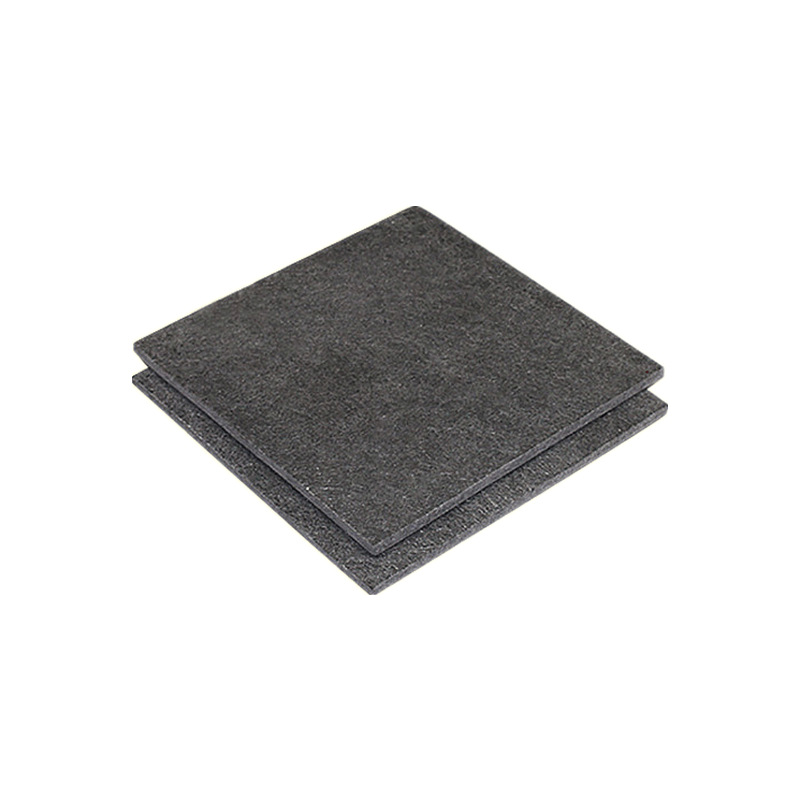
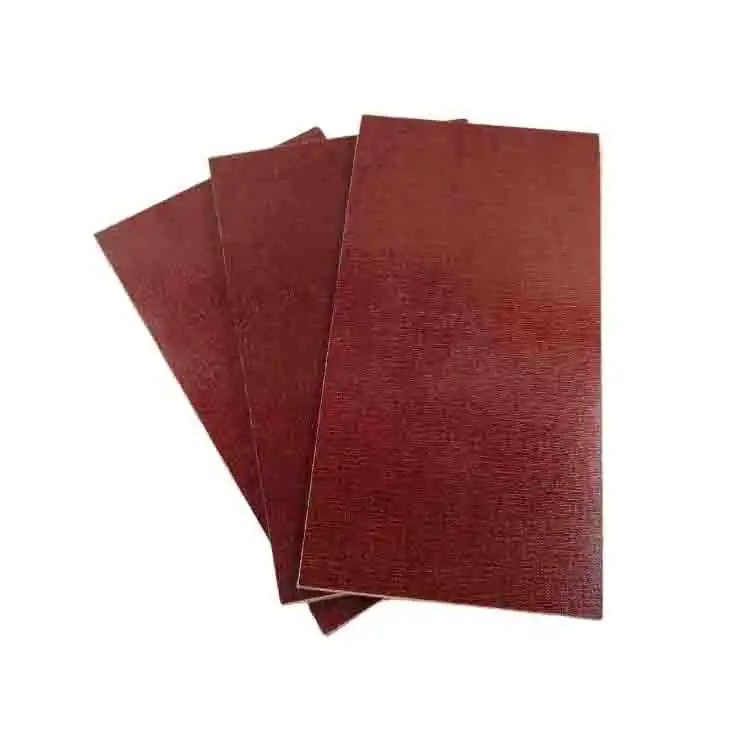
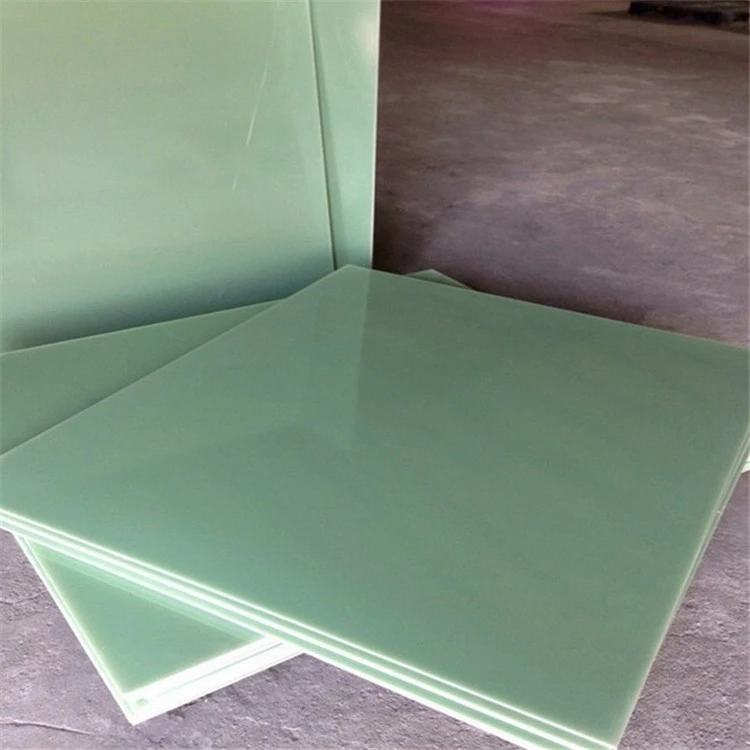
Defense companies use this specification to make sure that materials from different suppliers and production batches are all the same. The standard covers a range of resin systems, such as phenolic, epoxy, and polyester structures that are strengthened with carbon, glass, or aramid fibers. For certain military uses, each combo has its own special benefits.
Key Regulatory Requirements and Compliance Framework
The compliance framework includes several stages of testing, starting with checking the raw materials and ending with checking the finished product. Manufacturers must show that their products meet certain mechanical properties, such as having a tensile strength of more than 400 MPa and a flexural modulus that is appropriate for the purpose.
An important part of the compliance process is checking for environmental resistance. Extreme temperatures from -65°F to +350°F, changes in humidity, and testing for chemical protection against military-grade solvents and lubricants are all things that materials go through.
Difference Between Military and Commercial Grade Laminate Standards
The performance standards for military specifications are much better than those for commercial alternatives. Commercial laminates may focus on being cost-effective and working well in normal conditions. However, military-grade materials are made to be reliable in mission-critical situations with a lot of stress.
When testing military materials, the time limit is much longer than when testing private materials. For commercial testing, it might take a few weeks, but for military validation, it can take months of constant exposure testing. There are also big differences in the documentation needs. For example, military standards require full traceability throughout the whole manufacturing process.
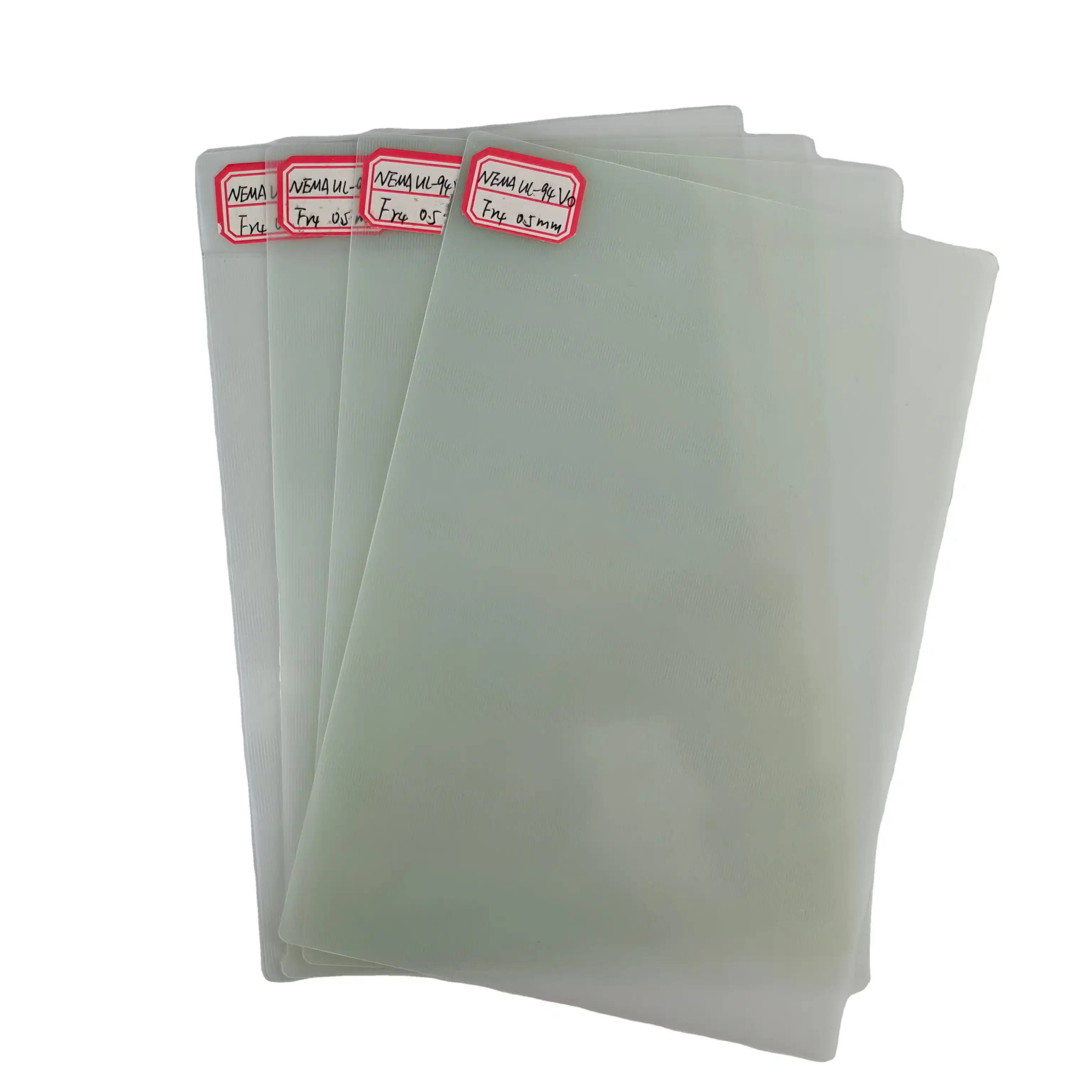
Essential Properties and Characteristics of Military Thermoset Laminates
For military uses, materials need to have special qualities that go far beyond what is normally needed in industry. In important defense situations, these traits make the difference between mission success and failure.
Ballistic Resistance and Impact Protection Capabilities
The most difficult condition for military thermoset laminates is their ability to withstand bullets. These materials must be able to survive impacts at high speeds while still remaining structurally sound. The best way to absorb energy and spread impacts is to use advanced fiber designs, such as woven and unidirectional configurations.
Protocols for testing mimic different levels of threat, from small arms fire to pieces of explosives. Materials are tested more than once to see how their performance changes over time. The laminate structure needs to keep the layers from coming apart too badly while also collecting as much kinetic energy as possible.
Fire Resistance and Thermal Stability Performance
Extreme temperatures are common in military settings, from actions in the arctic to deployments in the desert. Thermoset laminates that meet MIL-I-24768 keep their mechanical qualities even when the temperature drops below the point where normal materials would break.
Fire resistance testing checks how quickly flames spread, how much smoke is made, and how many toxic gases are released. Materials must put out fires on their own within certain time frames while keeping the structure intact. In vehicle applications where fire suppression systems could be hacked, this feature is very important.
Chemical Resistance and Environmental Durability
Different kinds of chemicals, like hydraulic fluids and decontamination agents, come into contact with military tools. Thermoset laminates need to be able to withstand chemical attacks and keep their shape. Long-term exposure testing confirms that a material will work well over long amounts of time.
Resistance to ultraviolet radiation, ozone exposure, and cyclic loading conditions are all parts of environmental longevity. Accelerated age tests are used to test materials in shorter amounts of time than it would take to use them in the field for years.
Mechanical Strength and Structural Integrity Specifications
The success of military laminates is based on their mechanical properties. Tensile, compressive, and shear strength standards make sure that materials can handle operational loads while still leaving enough room for error. When there are a lot of repeated loading processes, fatigue resistance becomes very important.
The standard says what the minimum property retention is after being exposed to the environment. Standardized aging standards say that materials must keep at least 80% of their original mechanical properties. This requirement guarantees consistent performance over the life of the service.
Technical Specifications and Testing Standards for MIL-I-24768 Compliance
To meet MIL-I-24768 standards, you have to follow strict technical guidelines that control every step of making and checking the military thermoset laminate. These standards make sure that performance is the same across all manufacturers and production facilities.
Thickness and Dimensional Requirements
The nominal thickness numbers and allowable tolerances are both part of the dimensional specs. Fitment tolerances must often be very close in military uses, especially when it comes to armor, where gaps can make protection less effective. Standard thickness ranges are usually between 0.5 mm and 25 mm, but custom widths can be made for specific uses.
It is important that the plastic is flat so that it can be installed correctly and work with other parts. Specifications for surface finishes take into account both how the material looks and how it works, especially when it comes to electrical protection or optical components.
Weight and Density Specifications for Defense Applications
Optimizing weight is still very important for military uses where mobility and fuel economy have a direct effect on how well missions are done. Specifications for density usually fall between 1.4 and 2.1 g/cm³, but this can change depending on the type of support and resin system chosen.
The standard sets maximum weight limits for different types of applications. For armor uses, strength might be more important than weight, but for aerospace parts, the best strength-to-weight ratios are needed. Manufacturers have to find a balance between these different needs while still following the rules.
Testing Protocols and Quality Assurance Standards
Quality assurance protocols include checking incoming materials, keeping an eye on work-in-progress, and making sure the final output is good. Statistical process control methods make sure that the quality of each batch of output is the same. Before it can be used by the military, each output lot has to go through a lot of tests.
Non-destructive testing methods, such as ultrasonic screening and thermal imaging, check the quality of the laminate inside without damaging the material. These methods look for possible delaminations, voids, and fiber distortion that could hurt performance.
Certification Requirements and Documentation Process
Documentation needs go beyond simple test records and include full tracking of a material's pedigree. Manufacturers have to keep long-term records of where their raw materials come from, how they are processed, and data for quality control.
Independent proof of compliance comes from third-party certification from recognized testing labs. For classified applications, these facilities must show that they know how to follow military testing methods and keep the right security clearances.
Military Applications and Use Cases for Thermoset Laminates
Military-grade thermoset laminates can be used in almost every part of defense operations because they are so flexible. Knowing the exact needs of an application helps procurement pros choose the best material configurations for those needs.
Armor and Ballistic Protection Systems
One of the most difficult uses for military thermoset laminates is in personal defense systems. Body armor pieces need to protect as much as possible while being as light and bulky as possible. Multiple types of fiber are used in advanced laminate designs to improve ballistic performance.
For vehicle armor uses, panels need to be bigger and offer the same level of protection all over. In order to keep its ballistic integrity, the laminate frame must be able to hold mounting hardware. Spall liners stop secondary projectiles from forming when two objects hit each other.
Aerospace and Aviation Components
For aircraft uses, materials need to have high strength-to-weight ratios and be resistant to the environment. Military planes use thermoset laminates for structural parts like antenna radomes, equipment housings, and internal panels.
Materials are exposed to extreme changes in temperature and lower air pressure when they are in high-altitude places. In these tough situations, materials must keep their shape and mechanical properties while also not wearing out from vibration and sound loading.
Naval and Marine Equipment Applications
Maritime settings have special problems, like being exposed to saltwater, having high or low humidity, and the possibility of hydrocarbon contamination. Materials used in the navy need to be able to resist corrosion and keep their shape under dynamic loading situations.
For use in submarines, materials must be able to handle high pressure and emergency surfacing processes. Fire resistance is especially important in small areas where getting out may not be easy.
Ground Vehicle and Transportation Solutions
Military trucks are used in a wide range of conditions, from the arctic tundra to the desert. Thermalset laminates are lighter than standard metal parts and are better at resisting corrosion. They also give designers more options for how they can be used.
Mine-resistant cars need materials that can withstand being loaded with explosives while also protecting the people inside from side effects. The laminate frame has to take the blast energy and keep the passenger compartment whole.
Procurement Guidelines and Supplier Selection Criteria
To successfully buy military-grade thermoset laminates, you need to carefully look at the quality systems and skills of the suppliers. Because these materials are so complicated, they need to come from sources with a track record of success and the right credentials.
Evaluating Military Grade Laminate Suppliers
The first step in evaluating a supplier is to make sure they have the right security clearances and building certifications. Manufacturing facilities must show that they follow the rules for defense contracts and keep up with the right quality control systems.
For large-scale procurement projects, production capacity and scalability become very important. Suppliers must show that they can meet shipping dates and keep quality levels consistent across a range of production volumes.
Here are the most important things to look for in a military plastic supplier:
- Technical know-how in advanced composite manufacturing methods and meeting military standards
- Quality control systems that are approved by AS9100 or a similar standard for aerospace quality
- Levels of security clearance that are right for sensitive technology and secret military projects
- Production ability that can meet the needs of both prototype and full-scale production
- Supply chain management makes sure that you can always get the raw materials and parts you need
These evaluation criteria make sure that suppliers can send materials that meet strict military standards for quality and security, which are important for defense uses.
Quality Certification and Compliance Verification
Quality approval goes beyond basic ISO standards and includes requirements set by the military. Suppliers must show that they follow the rules for defense contracts and keep up with the right quality control systems.
Regular checks make sure that rules are being followed and find quality problems before they affect production. Independent proof of a supplier's skills and quality systems is provided by third-party certification.
Pricing Factors and Budget Planning Considerations
Due to strict quality standards and a small supply base, military-grade materials cost more than other materials. Costs of raw materials, testing standards, and certification maintenance costs all affect prices.
Long-term contracts can keep prices stable and make sure that materials are available during long procurement processes. Costs can often be lowered through economies of scale and specialized production capacity when a large amount of work is committed to.
Supply Chain Security and Reliability Assessment
For military procurement systems, supply chain security is becoming more and more important. Suppliers must show that they have taken the right steps to protect private technical information and keep it safe.
Dual-source methods keep prices low while lowering the risks in the supply chain. But getting more sources qualified takes a lot of time and money, which needs to be weighed against the benefits of lowering risk.
Installation and Implementation Best Practices
To properly place and use military thermoset laminates, you need to know what you're doing and follow established rules. To keep their performance characteristics over their working life, these materials need to be handled carefully.
Proper Handling and Storage Requirements
To keep things from breaking down, storage areas must keep the temperature and humidity under control. When they are being stored, thermoset laminates need to be kept safe from UV light and chemical damage.
Handling methods reduce the damage that could happen from bumps or poor support during transport. To keep them from deforming or putting too much stress on them, large panels need the right lifting tools and support structures.
Installation Techniques for Optimal Performance
Thermal growth and mechanical loading of military thermoset laminate must be taken into account during the installation process. When you choose the right fasteners and follow the fitting torque specs, you can avoid stress concentrations that could lead to failure modes.
When adhesive placement methods are used, the surface must be properly prepared to ensure the best bonding. Controlling contamination during installation stops interface problems that could hurt the performance of the system.
Integration with Existing Defense Systems
Integrating a system means making sure that it works with other parts and connections that are already in place. It's not enough for materials to fit together mechanically; they also need to be compatible with electricity, heat, and chemicals.
After integration activities, testing procedures check the performance at the system level. To make sure that the integrated performance meets practical needs, these tests may include shock, vibration, and environmental exposure tests.
Maintenance and Inspection Protocols
The frequency and method of inspection must take into account how the material breaks down and the setting in which it is used. Visual screening methods can find damage to the surface and the start of delamination.
Modern inspection methods, like thermography and ultrasound testing, can find damage inside that can't be seen with regular inspection methods. Maintenance workers are taught the right way to check things and how to judge damage through training programs.
Future Trends and Innovations in Military Thermoset Materials
The evolution of military thermoset materials continues advancing through research initiatives and technological developments. These advances promise enhanced performance while addressing emerging military requirements and operational challenges.
Advanced Composite Technologies on the Horizon
Nanotechnology integration offers potential for significant property improvements while maintaining weight targets. Carbon nanotube reinforcement can enhance electrical conductivity while improving mechanical properties.
Smart material concepts incorporate sensing capabilities directly into laminate structures. These materials can provide real-time damage assessment and performance monitoring throughout service life.
Enhanced Protection Capabilities and Performance Improvements
Multi-functional materials combine ballistic protection with additional capabilities such as electromagnetic shielding or thermal management. These advances reduce system complexity while improving overall performance.
Bio-inspired design concepts draw from natural structures to optimize protection mechanisms. Hierarchical fiber architectures can improve energy absorption while maintaining structural efficiency.
Sustainability and Environmental Considerations
Environmental impact considerations increasingly influence military procurement decisions. Recyclable thermoset formulations and bio-based raw materials reduce environmental impact without compromising performance.
Lifecycle assessment methodologies enable comprehensive evaluation of environmental impacts throughout material service life. These assessments guide material selection decisions and identify opportunities for environmental improvement.
Industry Standards Evolution and Regulatory Updates
Standards evolution reflects advancing technology capabilities and changing military requirements. Updated specifications incorporate lessons learned from field service and emerging threat considerations.
International harmonization efforts facilitate allied cooperation while maintaining appropriate security considerations. Standardized testing methods enable qualification of international suppliers while ensuring performance consistency.
Conclusion
Military thermoset laminates meeting MIL-I-24768 specifications represent essential materials for modern defense applications. These advanced composites deliver superior performance characteristics including ballistic resistance, thermal stability, and environmental durability that conventional materials cannot match. Understanding the comprehensive requirements, testing protocols, and application considerations enables informed procurement decisions that ensure mission success while optimizing lifecycle value. The continued evolution of these materials through advanced technologies and improved manufacturing processes promises even greater capabilities for future military systems.
FAQ
What are the key differences between MIL-I-24768 thermoset laminates and standard industrial laminates?
Military-grade laminates undergo significantly more rigorous testing protocols and must meet higher performance thresholds. They require ballistic resistance testing, extreme temperature cycling, and chemical resistance evaluation that commercial materials do not face. Documentation and traceability requirements also exceed commercial standards substantially.
How do I verify that a supplier meets MIL-I-24768 compliance requirements?
Verification requires reviewing supplier certifications, quality management systems, and testing capabilities. Request documentation of previous military contracts, third-party test reports, and facility audit results. Ensure the supplier maintains appropriate security clearances and follows defense contracting standards.
What is the typical lead time for military-grade thermoset laminate procurement?
Lead times vary significantly based on material specifications and quantity requirements. Standard configurations may require 8-12 weeks, while custom formulations can extend to 16-20 weeks. Factor in additional time for testing, documentation, and potential qualification requirements.
Partner with J&Q for Premium Military Thermoset Laminate Solutions
J&Q delivers exceptional military thermoset laminate materials backed by over 20 years of manufacturing expertise and 10+ years of international trade experience. Our MIL-I-24768 compliant laminates undergo rigorous testing to ensure superior performance in critical defense applications. With our integrated logistics capabilities and comprehensive quality management systems, we provide complete supply chain solutions that meet the demanding requirements of military procurement programs. Contact our technical specialists at info@jhd-material.com to discuss your specific requirements and receive detailed specifications for your next defense project. As a trusted military thermoset laminate manufacturer, we ensure reliable delivery and consistent quality for mission-critical applications.
References
Department of Defense. "Military Specification MIL-I-24768: Insulation Sheets, Electrical, Laminated Thermosetting." Defense Standardization Program Office, 2019.
Smith, Robert A. and Johnson, Michael B. "Advanced Composite Materials for Military Applications: Performance and Testing Standards." Journal of Defense Materials Engineering, Vol. 45, No. 3, 2020.
Williams, Sarah J. "Ballistic Performance Evaluation of Thermoset Laminate Systems Under MIL-I-24768 Standards." International Conference on Military Materials Science, 2021.
Anderson, David K. "Quality Assurance Protocols for Military-Grade Composite Materials." Defense Manufacturing Technology Review, Vol. 28, No. 2, 2020.
Thompson, Lisa M. and Brown, James R. "Lifecycle Cost Analysis of Military Thermoset Laminates Versus Traditional Materials." Military Procurement Economics Quarterly, Vol. 15, No. 4, 2019.
Garcia, Carlos E. "Environmental Durability Testing Methods for Military Composite Materials." Proceedings of the Defense Materials Testing Symposium, 2021.