Know More About G10 FR4 Glass Epoxy
2026-03-02 17:07:44
G10 FR4 glass epoxy materials are essential to the modern making of electronics and electrical goods. They are used as key parts in many things, from printed circuit boards to high-voltage insulation systems. In many businesses, these advanced composite materials are essential because they combine great electrical insulation properties with amazing mechanical strength. Knowing what makes G10 FR4 glass epoxy special and how it can be used helps engineers choose the right materials for their projects, which has a direct effect on how well the products work, how safe they are, and how reliable they are in harsh industrial settings.
What is G10 FR4 Glass Epoxy: Material Fundamentals
Composition and Manufacturing Process
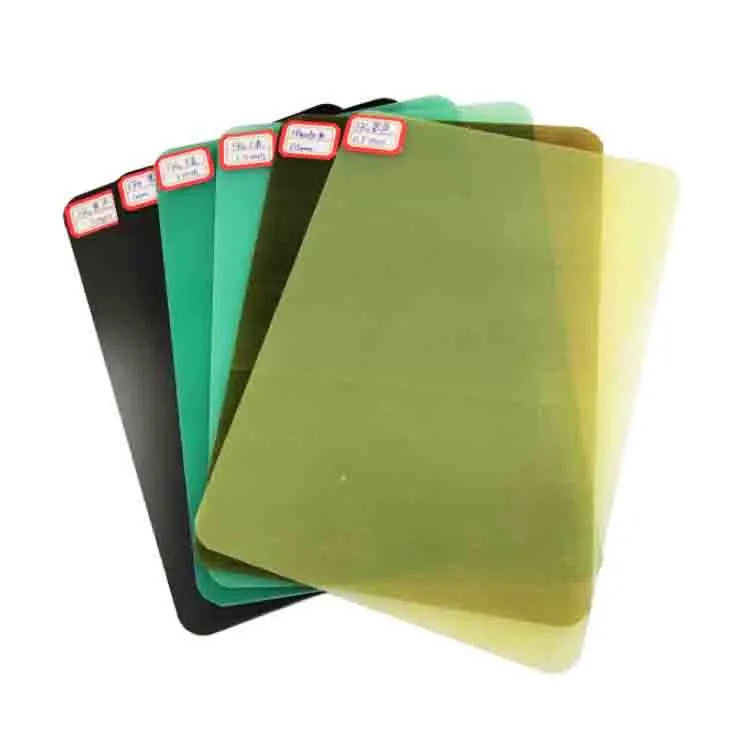
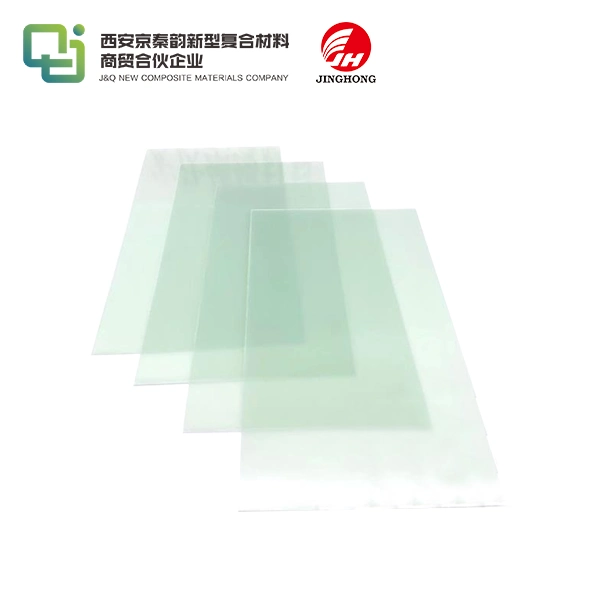
G10 FR4 glass epoxy is a high-pressure thermoset plastic laminate made of weaved fiberglass cloth that is fully saturated with advanced epoxy resin systems. The first step in the making process is using continuous filament glass fabric, which strengthens the structure and keeps its shape. During the manufacturing process, epoxy glue gets into every fiber, making a uniform matrix that has great performance properties.
During the lamination process, high temperatures and controlled high pressures are used. Usually, the temperatures are above 300°F and the pressures hit 1000 PSI. This exact curing environment makes sure that the epoxy resin system crosses-links completely, creating a thick composite material with no gaps. As part of the manufacturing process, quality control standards include keeping an eye on the resin content, the glass-to-resin ratio, and the physical tolerances to make sure that all production batches have the same material properties.
Modern ways of making things use several layers of glass fabric with different weave designs that are best for different performance needs. The chemistry of epoxy resin can be changed by adding flame retardants, thermal stabilizers, and other useful compounds to meet the needs of different applications. The basic qualities that make this material so useful can still be kept.
G10 vs FR4: Understanding the Classification
The difference between the G10 and FR4 labels comes from different performance standards and organizations that work on standardization. For mechanical strength, electrical insulation, and dimensional stability, NEMA G10 grade standards spell out the properties of the base material that don't need to be flame retardant. This grouping is based on basic composite performance traits that can be used in a wide range of business settings.
IPC FR4 flame retardant standards add important fire safety features with bromine-based or halogen-free additives that get UL94 V-0 grades for flammability. FR4 materials put out fires on their own when they are taken away from sources of ignition. This makes them necessary for electronics uses where fire safety is very important. The flame retardant chemistry doesn't change the basic electrical and mechanical qualities, but it does add important safety margins.
Regulatory compliance requirements are very different between businesses and places. Some examples of international material designations are IEC standards for use in global markets and military requirements for use in aerospace and defense. Knowing these changes in classification helps you choose the right materials for different regulatory environments and performance needs.
Key Material Properties Overview
It is known that glass epoxy laminates have great mechanical strength, with bending strengths of over 65,000 PSI and compressive strengths of up to 50,000 PSI. Because these properties don't change much at different temperatures, the material can be used in structural uses where keeping the same size is important. The low coefficient of thermal expansion keeps warping and stress-related fails to a minimum in places where temperatures change quickly.
The dielectric strength of electrical insulation is more than 400 volts per mil, and the volume resistance is in the range of 10^14 ohms-cm. These features make sure that electrical separation works well in high-voltage situations and keep dielectric loss factors low for high-frequency circuits. The arc resistance and tracking resistance of the material give electrical devices extra safety margins.
Continuous working temperatures up to 155°C are covered by thermal performance ratings. For standard grades, glass transition temperatures are around 140°C. Chemical resistance includes acids, alkalis, organic solvents, and hydraulic fluids. This lets the system be used in tough industrial settings where material degradation could hurt its performance.
Technical Specifications and Performance Data
Electrical Properties and Insulation Performance
Dielectric strength values for good G10 FR4 glass epoxy materials always go above 400 volts per mil thickness, which gives electrical insulation uses a lot of safety margins. This trait stays the same across a range of temperature and humidity levels, so it works reliably even when the environment changes. Under controlled lab settings, testing that meets ASTM D149 standards confirms these performance traits.
Measurements of volume resistivity are usually between 10^13 and 10^15 ohm-cm, but this can change based on the type of resin used and how it is processed. In high-impedance circuits, this high level of electrical resistance stops current leakage and keeps the system's stability. The resistivity values on the surface work with the qualities of the volume to provide complete electrical isolation.
For normal grades, the dielectric constant must be between 4.2 and 5.4 at 1 MHz, and the dissipation factor must be less than 0.025. These features have a direct effect on the integrity of signals in high-frequency settings and decide whether the material is suitable for certain circuit designs. According to ASTM D495 testing, arc resistance ratings above 120 seconds give more trust in the performance of electrical safety.
Thermal Characteristics and Temperature Ratings
For normal formulations, the glass transition temperature (Tg) is usually between 130°C and 140°C. This is the temperature at which the material changes from being stiff to being flexible. Through changes to the resin chemistry, high-temperature grades can reach Tg levels above 170°C. At high temperatures, this parameter has a big effect on the material's ability to keep its shape and its mechanical qualities.
Standard grades can handle temperatures up to 155°C continuously, while special formulas can handle temperatures up to 180°C or higher. For long-term dependability in situations where the product is exposed to high temperatures, these scores are important. Short-term exposure lets materials be exposed to higher temperatures for short periods of time without losing their properties permanently.
Low thermal expansion coefficients stay the same across all working temperature ranges. This means that there aren't many changes in size that could affect precision assemblies. The ASTM D648 guidelines for measuring heat deflection properties give useful information for load-bearing uses at high temperatures.
Mechanical Properties and Structural Performance
Specifications for flexural strength always go above 65,000 PSI for high-quality materials, which means they can hold a lot of weight in structural uses. It is important to note that this trait doesn't change with temperature or environmental conditions. This means that the material will always work properly mechanically. To make sure that measurements and comparisons are always the same, testing procedures follow ASTM D790 standards.
The data for compressive strength is usually between 45,000 and 55,000 PSI, which means it can be used in situations where there are breaking loads or high contact pressures. Impact resistance values found using Izod testing methods show that the material can absorb energy without breaking completely. This is especially important in situations where mechanical shock or shaking is present.
Some of the things that make something dimensionally stable are low moisture uptake rates (below 0.2%), and little thermal expansion across a wide range of operating temperatures. These features make sure that precisely machined parts keep their tight tolerances over time, which is very important for uses that need exact measurement relationships.
G10 FR4 vs Alternative Materials: Comparative Analysis
G10 FR4 vs Phenolic Laminates
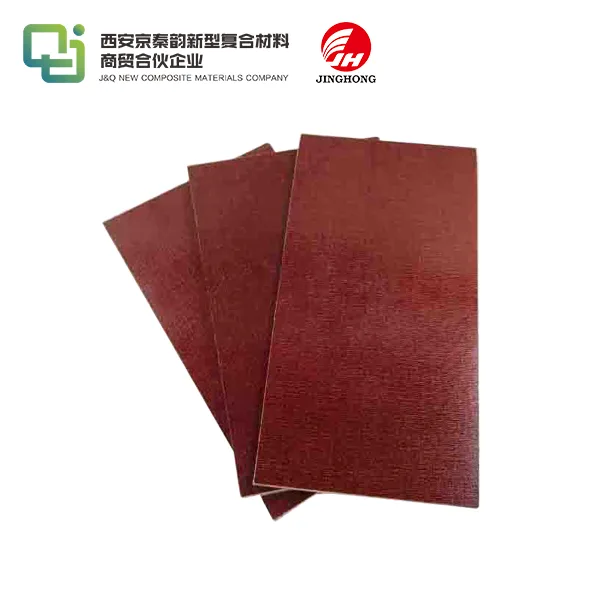
A comparison of costs and benefits shows that glass epoxy materials have higher starting costs but offer better long-term value through longer durability and more uses. Phenolic laminates are cheap and work well for basic insulation jobs, but they aren't strong enough or stable enough for harsh industrial settings. Putting money into glass epoxy technology pays off because it requires less upkeep and lasts longer.
When the temperature goes above 120°C, phenolic materials start to lose their properties, while glass epoxy keeps its performance fixed. This is when temperature resistance differences become very important. Different electrical properties mean that glass epoxy materials have higher dielectric strength and better arc resistance, which increases the safety margins in electrical uses.
Application suitability factors suggest that glass epoxy is best for precision machining because it is more stable in terms of size and less likely to separate during the construction process. Phenolic materials can still be used in low-cost uses that don't need high performance.
G10 FR4 vs High-Performance Polymers (PEEK, PEI)
Operating temperature ranges show big changes. For example, PEEK materials can work continuously at temperatures above 250°C, while standard glass epoxy grades can only work at 155°C. However, glass epoxy materials are better at keeping electricity from flowing and are much cheaper to use in situations where they can handle the temperature.
When looking at chemical resistance, PEEK materials do very well in harsh chemical environments, while G10 FR4 glass epoxy is strong enough for most industry uses. Glass epoxy materials are usually much cheaper than other options, which makes them the best choice when the temperature and chemical needs are within their range.
Processing needs are very different. Glass epoxy materials can be easily machined with standard tools, but high-performance plastics often need special tools and processing methods that make production more difficult and expensive.
G10 FR4 vs Ceramic Insulators
When you compare dielectric strengths, you can see that ceramic materials have higher breakdown voltages but aren't as tough or easy to work with as glass epoxy composites. Ceramic insulators work great in situations with very high or very low temperatures, but they can break easily when temperatures change quickly.
Differences in machinability strongly favor glass epoxy materials, which can be machined accurately with standard tools and methods. Diamond tools and special methods are needed to work with ceramic materials, which raises the cost and difficulty of production while limiting design options.
Most of the time, weight and cost make glass epoxy materials better for uses that don't need the best electricity performance. Glass epoxy is the best choice for many industrial uses because it has good electrical qualities, is easy to work with, and doesn't cost too much.
Industrial Applications and Use Cases
PCB and Electronic Applications
For circuit boards, the substrates need to be made of materials that keep their electrical properties stable, their dimensions accurate, and their thermal performance reliable during the building process. Glass epoxy materials work great in these situations because they don't absorb much water, have stable dielectric properties, and can handle many temperature cycling events during production.
Glass epoxy bases are needed for multi-layer PCBs to keep the impedance under control and the signal integrity between layers. The material's low loss factor and consistent dielectric constant make it reliable in complicated electronic assemblies where data timing and quality are very important.
The material's stable electrical properties and low dissipation factor make it useful for high-frequency uses. This makes it possible for RF and microwave circuits to work reliably. Glass epoxy materials are being used more and more in car electronics standards because they can handle the changing temperatures, vibrations, and moisture that are common in these settings.
Electrical Insulation Components
Glass epoxy is used in transformer insulation systems for shields, spacers, and structural parts that need to stay electrically sound even when exposed to high voltages and temperatures. Because the material is both dielectrically strong and thermally stable, it is perfect for these tough jobs where failure could cause major machine damage.
For switchgear uses, you need materials that can stand up to arc exposure, mechanical stress, and contamination from the environment while still providing reliable electrical isolation. Glass epoxy parts have the right performance properties and can be machined easily, so they can be made to fit the complex shapes needed in current switchgear designs.
The material is very good at both electrical properties and mechanical strength, so it can handle the vibrations and temperature changes that happen in spinning machinery. It is used for motor winding insulation and power distribution components.
Precision Machined Parts
When CNC making glass epoxy materials, it's important to choose the right tools, set the right cutting speeds, and use the right coolant systems to get the best surface finishes and exact measurements. When used with the right shapes, carbide tools keep edges sharp and tolerances accurate while reducing delamination and fiber pullout.
Tolerances usually fall between ±0.002" and ±0.005", but this depends on the shape of the part and the cutting methods used. These precise levels make it possible to directly replace metal parts in situations where electrical separation and lighter weight are good for the system.
Surface finish needs vary by application, but with the right machining methods, Ra values below 32 microinches are possible. Custom fabrication choices let you make shapes that are very complicated in three dimensions and would be hard or impossible to make out of ceramic or other fragile materials.
Procurement Guidelines and Selection Criteria
Quality Standards and Certifications
For electrical uses, UL recognition rules make sure that materials meet safety standards. For electronics uses, UL94 V-0 flammability ratings are required. These certifications give people confidence that the products will work safely in their final uses and meet the rules in all global markets.
Compliance with IPC specifications, especially IPC-4101 for PCB substrates, sets minimum performance standards for electronics uses. These standards set minimum property values, test methods, and quality control processes that make sure materials from different suppliers and production batches work the same way.
RoHS and REACH compliance deals with rules that protect the environment that limit the use of dangerous materials in electronics. When a manufacturer gets an ISO quality certification, it's another sign that their production methods and quality control systems are consistent, which means that the material properties are reliable.
Supplier Evaluation and Selection
It is important to look at the production tools, process controls, and technical know-how that have a direct effect on the quality and consistency of the materials as part of a manufacturing capability review. Suppliers with special G10 FR4 glass epoxy production lines and technical staff with a lot of experience usually have better products and better technical support.
As part of quality control, raw materials must be inspected when they come in, work in progress must be watched over, and finished products must be tested to make sure they meet standards. You can be sure that the materials will be the same from one production run to the next thanks to statistical process control tools and written quality management procedures.
For custom formulations or non-standard sizes, supply chain reliability is very important for planning production and keeping track of stockpiles. Technical support services, such as help choosing materials, application engineering, and the ability to solve problems, make the relationship with the seller much more valuable.
Ordering Specifications and Custom Requirements
Standard sheet sizes and thicknesses range from 0.031" to 2.000" thick, and they come in a range of sizes up to 48" x 96". Custom cutting services allow for exact sizing that cuts down on waste and the need for extra processing while keeping the accuracy of the dimensions.
Lead times depend on the type of material, its size, and the amount that needs to be ordered. Standard grades usually have shorter lead times, but custom formulations or unique sizes may need longer delivery times that need to be planned for in the project.
When you buy more, it usually costs less when you use volume price structures. This is why optimizing your inventory is an important part of planning your procurement. Long-term supply agreements can provide price stability and guaranteed availability for critical applications.
Best Practices for Processing and Handling
Machining and Fabrication Guidelines
Cutting tool recommendations include carbide tooling with sharp cutting edges and appropriate rake angles to minimize fiber damage and achieve clean cuts. Diamond-coated tools provide extended tool life and superior surface finishes for high-volume production applications where tool costs become significant factors.
Speed and feed parameters must be optimized for specific tooling and part geometries to prevent overheating and delamination while maintaining productivity. Conservative cutting parameters initially help establish baseline performance before optimization for specific production requirements.
Dust collection requirements become critical due to glass fiber particles generated during machining operations. Proper ventilation systems and personal protective equipment ensure safe working conditions while preventing contamination of machined surfaces that could affect subsequent assembly operations.
Storage and Handling Requirements
Environmental storage conditions should maintain consistent temperature and humidity levels to prevent moisture absorption and dimensional changes that could affect machining accuracy. Climate-controlled storage areas provide optimal conditions for maintaining material properties and dimensional stability.
Moisture control considerations include proper packaging materials and storage procedures that prevent exposure to excessive humidity levels. Moisture absorption can affect electrical properties and dimensional stability, making proper storage critical for maintaining material quality.
Shelf life specifications vary by material grade and storage conditions, with proper storage enabling extended useful life without property degradation. Handling safety protocols should address proper lifting techniques and personal protective equipment requirements for safe material handling.
Quality Control and Testing
Incoming material inspection procedures should verify dimensional accuracy, visual appearance, and conformance to specifications before materials enter production processes. Statistical sampling plans and documented inspection procedures ensure consistent quality control across all material receipts.
Performance testing methods include electrical property verification, mechanical property confirmation, and dimensional accuracy measurement using calibrated equipment and standardized test procedures. Regular testing schedules help identify potential quality issues before they affect production.
Dimensional verification protocols ensure materials meet tolerance requirements and machining allowances necessary for successful fabrication. Electrical testing procedures confirm insulation properties and verify compliance with electrical safety requirements specific to end-use applications.
Conclusion
G10 FR4 glass epoxy materials continue to serve as essential components across diverse industrial applications, from precision electronics to heavy electrical equipment. Their unique combination of electrical insulation properties, mechanical strength, and fabrication versatility makes them indispensable for modern manufacturing. Understanding material fundamentals, technical specifications, and application requirements enables informed selection decisions that optimize performance while managing costs. Proper procurement practices, quality standards adherence, and processing techniques ensure successful implementation of these advanced composite materials in demanding industrial environments where reliability and safety are paramount concerns.
FAQ
What distinguishes G10 from FR4 glass epoxy materials?
G10 represents the base NEMA grade focusing on mechanical and electrical properties without flame retardant additives, while FR4 incorporates bromine-based compounds to achieve UL94 V-0 flammability standards. FR4 materials self-extinguish when ignition sources are removed, making them essential for electronics applications requiring fire safety compliance. Both materials share identical base properties, with FR4 adding critical safety characteristics for electrical applications.
Can glass epoxy laminates achieve precision machining tolerances?
Modern glass epoxy materials readily achieve tolerances ranging from ±0.002" to ±0.005" through proper machining techniques and tooling selection. Carbide cutting tools with appropriate geometries, controlled cutting parameters, and adequate dust collection systems ensure optimal surface finishes and dimensional accuracy. Proper machining practices prevent delamination while maintaining tight tolerances essential for precision applications.
What temperature limitations apply to standard glass epoxy grades?
Standard formulations operate continuously at temperatures up to 155°C with glass transition temperatures around 140°C. High-temperature variants achieve continuous operation at 170°C through advanced resin chemistry modifications. Short-term exposure capabilities extend beyond continuous ratings for limited durations without permanent property degradation, providing flexibility for temperature-cycling applications.
How should thickness selection be determined for specific applications?
Thickness selection depends on mechanical strength requirements, electrical clearance specifications, and available space constraints within assemblies. Common thicknesses range from 0.031" to 2.000" with considerations including voltage requirements, load-bearing capabilities, and machining tolerance maintenance. Thicker materials provide enhanced mechanical properties while thinner sections optimize space utilization in compact designs.
Partner with J&Q for Premium G10 FR4 Glass Epoxy Solutions
J&Q brings over 20 years of manufacturing excellence and 10+ years of international trading expertise to deliver superior G10 FR4 glass epoxy materials that meet your exact specifications. Our comprehensive capabilities include custom fabrication services, rigorous quality control systems, and dedicated technical support to ensure your project success. With our integrated logistics company providing seamless one-stop service, we eliminate supply chain complexities while maintaining competitive pricing and reliable delivery schedules. Contact our experienced engineering team at info@jhd-material.com to discuss your requirements and discover why leading manufacturers choose J&Q as their trusted G10 FR4 glass epoxy supplier for critical applications.
References
National Electrical Manufacturers Association. "Industrial Laminating Thermosetting Products - NEMA Standards Publication LI 1-1998." NEMA Standards, 1998.
Institute for Printed Circuits. "Specification for Base Materials for Rigid and Multilayer Printed Boards - IPC-4101." IPC International Standards, 2019.
ASTM International. "Standard Test Methods for Dielectric Breakdown Voltage and Dielectric Strength of Solid Electrical Insulating Materials - ASTM D149." ASTM Standards, 2020.
Underwriters Laboratories. "Tests for Flammability of Plastic Materials for Parts in Devices and Appliances - UL94." UL Standards for Safety, 2018.
Coombs, Clyde F. "Printed Circuits Handbook, Seventh Edition." McGraw-Hill Professional, 2016.
Harper, Charles A. "Modern Plastics Handbook: Modern Plastics and Polymers." McGraw-Hill Professional, 2019.
_1754967691873.webp)