Bakelite Sheet Provides Durable Insulation for Electrical Components
2026-09-22 17:22:25
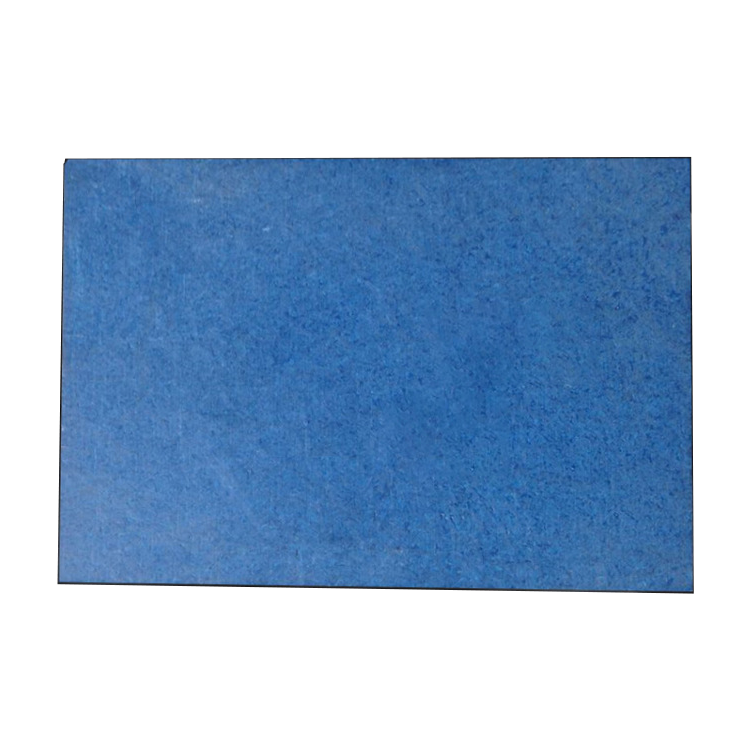
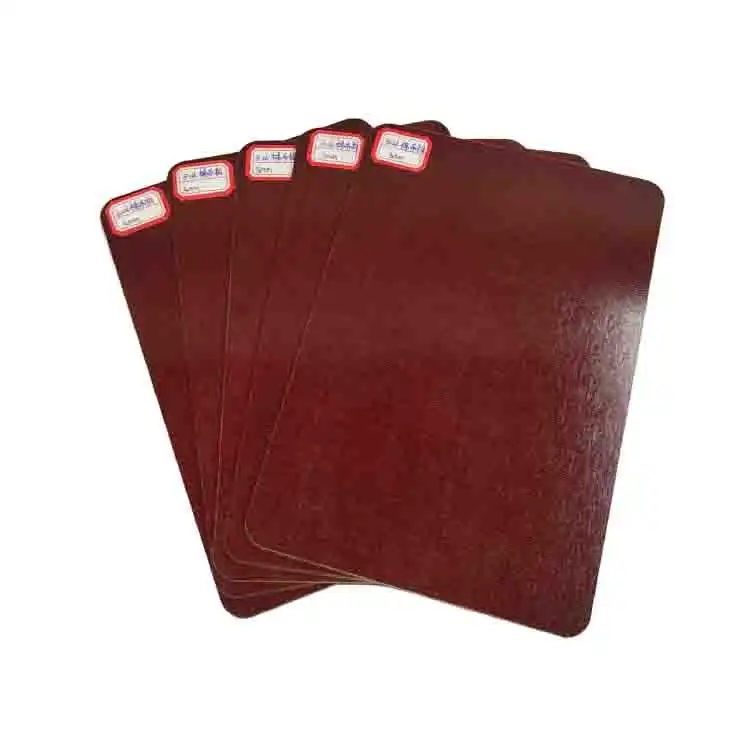
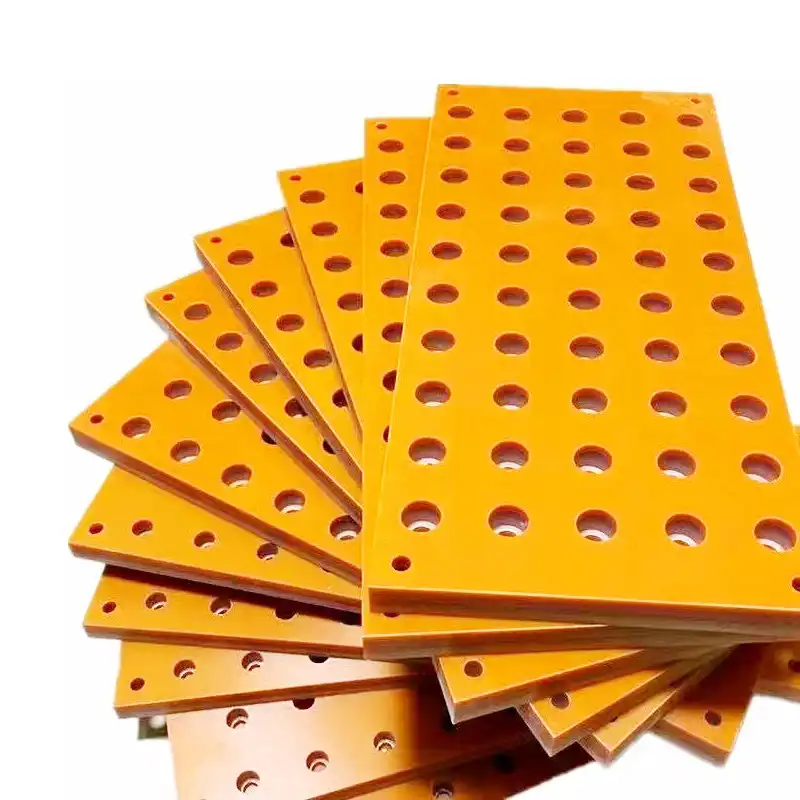
Bakelite Sheet has long been a go-to material for engineers who need dependable electrical insulation without overspending. Made from phenol-formaldehyde resin cured under heat and pressure, this thermoset plastic delivers strong dielectric performance, solid mechanical strength, and stable behavior at elevated temperatures. Whether you're building switchgear, motor brackets, or PCB support structures, phenolic laminated sheet gives you a material that holds its shape and resists electrical breakdown where standard plastics simply fail. In this guide, I'll walk you through everything you need to know before making a procurement decision.
Understanding Bakelite Sheet and Its Key Properties
Bakelite was one of the first fully manufactured plastics used in electrical engineering. It was first sold to the public in 1907 by Leo Baekeland. The science behind today's phenolic paper laminated sheet is the same, but better production processes make the tolerances smaller and the performance more reliable.
Chemical Composition and Structure
When layers of phenolic resin-soaked paper or cellulose fiber are pressed together under high heat (usually 150°C to 180°C) and pressure (70 to 100 kg/cm²), Bakelite Sheet is made. The hardening process makes a network of cross-linked polymers that can't be put back together. This makes it a true thermoset material. Because the structure can't be changed, it has structural rigidity that thermoplastics can't match.
Electrical Insulating Capacity
Standard phenolic paper sheet has a dielectric strength of 15 to 40 kV/mm, but this can change based on the grade and thickness. It can be used for switchboards, motor input boards, and arc shields in power distribution panels because of this. Moisture absorption levels that are below 1% make sure that insulation works the same even in damp working conditions.
Mechanical Strength and Available Thicknesses
Bakelite Sheet has a compression strength of more than 200 MPa, which means it can handle mechanical loads well in fixing and spacer roles. Commercial sheets are usually between 0.5 mm and 50 mm thick, which gives engineers a lot of options for both thin layers of insulation and thicker structural parts. Another useful feature is that it can be machined with a CNC, so it has clean edges, exact hole placement, and the same results across production runs.
Comparing Bakelite Sheet with Alternative Insulation Materials
To pick the right insulation sheet, you need to know what each material offers and what it doesn't offer. This is how phenolic plywood stacks up against some other popular options.
It's helpful to know that each material has a different cost-performance position before looking at these similarities. There isn't a single best material. The best one for you relies on the temperature range, price, and mechanical needs.
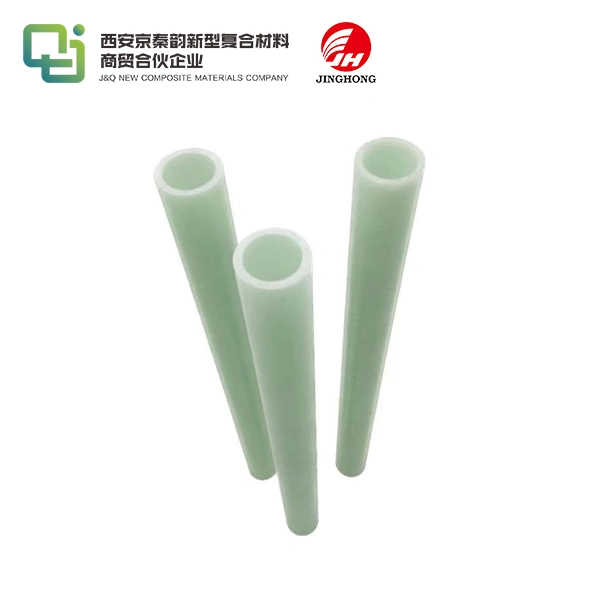
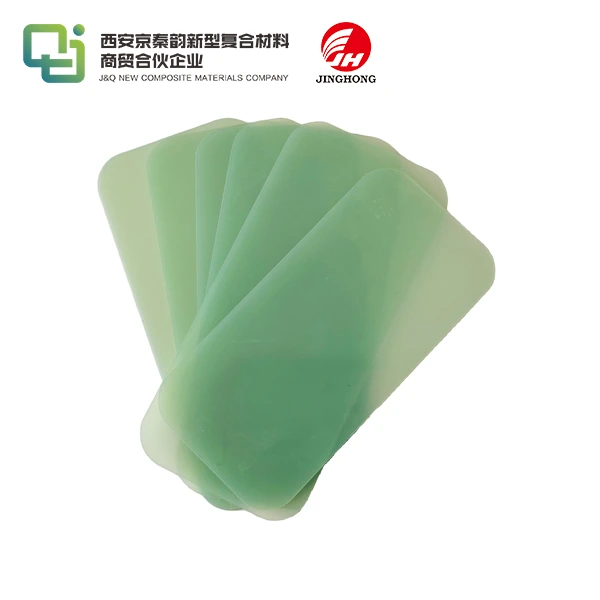
- Bakelite Sheet vs. Fiberglass (FR4): FR4 epoxy glass laminate handles higher continuous temperatures — up to 130°C or beyond — and offers better moisture resistance. However, phenolic paper sheet costs significantly less and machines faster, making it the preferred choice for less thermally demanding applications such as low-voltage insulation panels and general-purpose motor components.
- Bakelite Sheet vs. Mica Sheet: Mica delivers superior performance above 500°C and is used in furnace insulation and high-frequency applications. Phenolic laminate cannot match mica at extreme temperatures, but it outperforms mica in mechanical rigidity and machinability, and it costs a fraction of the price for standard electrical insulation duties.
- Bakelite Sheet vs. Epoxy Laminate (3240): Epoxy-based 3240 boards carry better chemical resistance and slightly higher dielectric ratings. For applications where chemical exposure is limited, and cost control matters — such as appliance motor brackets or switchgear components — phenolic sheet remains the more economical and practical option.
Compare Bakelite Sheet and Epoxy Laminate (3240): Epoxy-based 3240 boards are more resistant to chemicals and have slightly higher dielectric ratings. Phenolic sheet is still the cheaper and more useful choice for uses where chemical contact is limited, and cost is important, like appliance motor frames or switchgear components.
How to Select and Use Bakelite Sheets for Optimal Performance?
It really does make a difference in how the material works over time, which grade you choose. Before you place an order, here are the most important things to think about.
Grade and Certification Standards
Sheets made of paper-based phenolic (NEMA Grade XX, XP, or XXP) can be used for general electrical shielding. Fabric-reinforced grades can handle more mechanical stress and wear. Always make sure the sheet has the right approvals. In the U.S. technology and power industries, buyers usually need to see proof that the sheet is UL recognized and RoHS compliant.
Thickness Selection by Application
1 mm to 3 mm sheets are usually enough for PCB support and low-voltage panels. Most motor insulation rings and gaps need between 5 and 10 mm. For medium-voltage circuits, arc shields may need 10 mm to 25 mm. By matching the thickness to the real electrical and mechanical load, you can avoid over-specification and cost that isn't necessary.
Cutting, Finishing, and Maintenance
When the parameters are set correctly, a Bakelite Sheet can be machined cleanly with carbide tools, leaving smooth edges that don't delaminate. When cutting, don't use too much heat because phenolic dust is irritating and needs good airflow. For upkeep reasons, don't let the sheet stay in water for long periods of time. Checking for surface cracks or delamination on a regular basis can help keep things from breaking down too soon, especially in places with a lot of vibration.
Procurement Insights for Bakelite Sheets: How to Buy Smart in the B2B Market?
It's not enough to just compare quotes to get the right stuff at the right price. These buying habits will help you make smart choices.
Evaluating Supplier Credentials
Always make sure that a supplier has quality certifications that are recognized. ISO 9001 is the standard. Ask for material test records (MTRs) that prove the dielectric strength, the ability to absorb moisture, and the size tolerances. If your suppliers keep production records that can be tracked, you're less likely to get materials that don't meet your specifications.
Pricing Strategy: Custom Cuts vs. Bulk Orders
Standard sheet sizes usually have lower unit costs when they are bought in full stacks. Custom-cut parts cost more to machine, but they cut down on the steps you have to take to handle them. When making a lot of something, like appliance motor clamps or switchgear parts, it's often cheaper and faster to negotiate blanket purchase orders with planned deliveries instead of buying things as they come up.
Logistics and Lead Time Management
Lead times for normal phenolic sheet from reputable sources are usually between 7 and 15 business days for orders from outside of the United States. If a supplier has its own logistics department, it can combine shipments, lower freight costs, and track them in real time. Making sure that packing meets standards, especially for long-distance ocean shipping with moisture barrier wrapping, preserves the quality of the sheets when they arrive.
Conclusion
Over many years of use, a Bakelite Sheet phenolic paper-layered sheet has won its place as an electrical insulation material. Few materials at the same price can match its dielectric strength, mechanical rigidity, and ability to be machined with a CNC. Purchasing managers in the electronics, power, industrial machinery, and auto supply chains need to pick the right grade and work with a certified supplier to make sure consistent production quality. If they don't, costly material failures will happen. You can protect both the performance of your product and your budget by taking the time to look over the material specs, seller credentials, and purchasing terms.
FAQ
What thickness of Bakelite sheet is best for electrical insulation?
For most low-voltage electrical insulation applications — such as terminal boards and motor mounting plates — sheets between 1 mm and 6 mm are standard. Medium-voltage arc barriers typically require 10 mm or thicker. Always cross-reference your application's dielectric requirements against the sheet's published dielectric strength rating before specifying a thickness.
How does phenolic laminate perform at high temperatures?
Standard paper-based phenolic sheet maintains structural integrity at continuous operating temperatures up to approximately 120°C. For sustained exposure above that range, glass-reinforced phenolic grades or epoxy laminates are more appropriate. Temporary exposure to higher temperatures during short overload events generally does not cause permanent damage if the sheet is otherwise within its rated range.
Is Bakelite sheet compliant with RoHS and UL requirements?
Many phenolic paper laminated sheets are available in RoHS-compliant formulations, free of restricted heavy metals. UL recognition varies by manufacturer and specific grade. Always request the relevant compliance documentation from your supplier before finalizing a purchase for products entering the U.S. market.
Can Bakelite sheet be customized for specific dimensions?
Yes. Most B2B suppliers offer custom cutting, drilling, and milling to customer drawings. This is particularly useful for OEM applications where standard sheet sizes do not match component geometry.
Partner with J&Q for Certified Bakelite Sheet Supply
J&Q has been making insulation sheets for more than 20 years and has been trading with other countries for more than 10 years. As a reliable Bakelite Sheet manufacturer, we offer certified phenolic laminate in both standard and custom sizes. We also have our own logistics network to make sure that your order gets to you on time. Today, ask for samples, bulk prices, or a custom quote. You can email our team at info@jhd-material.com or go to jhd-material.com to see all of our products.
References
1. Handbook of Thermoset Plastics — William Andrew Publishing, 2014
2. Electrical Insulation for Rotating Machines — IEEE Press, 2004
3. NEMA Standards Publication LI 1: Industrial Laminating Thermosetting Products — National Electrical Manufacturers Association, 2020
4. Plastics Technology Handbook — CRC Press, 2007
5. IEC 60893: Specifications for Industrial Rigid Laminated Sheets Based on Thermosetting Resins for Electrical Purposes — International Electrotechnical Commission, 2003
6. Phenolic Resins: A Century of Progress — Springer, 2010