How Does FR4 94V0 Epoxy Board Protect Components from Heat and Flame?
2026-09-22 17:22:17
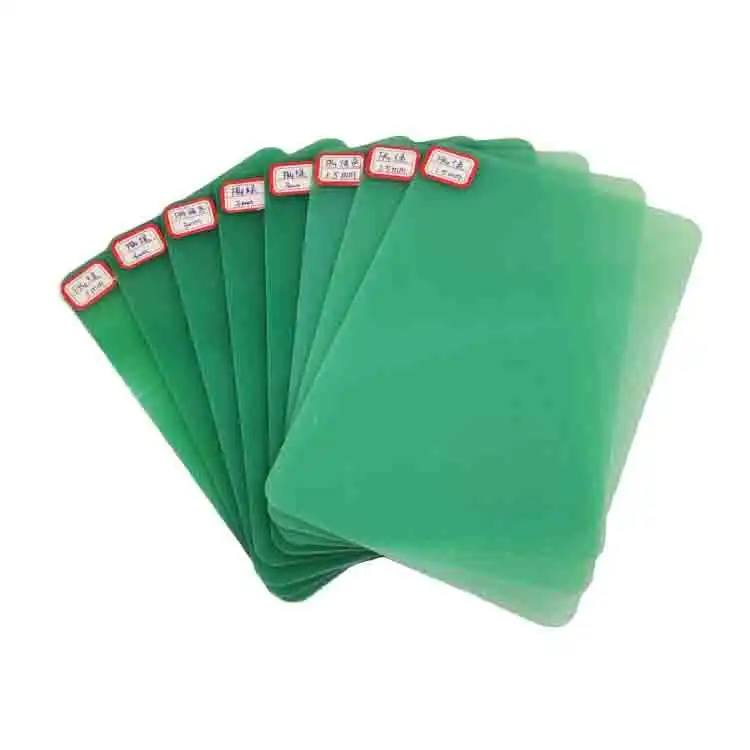
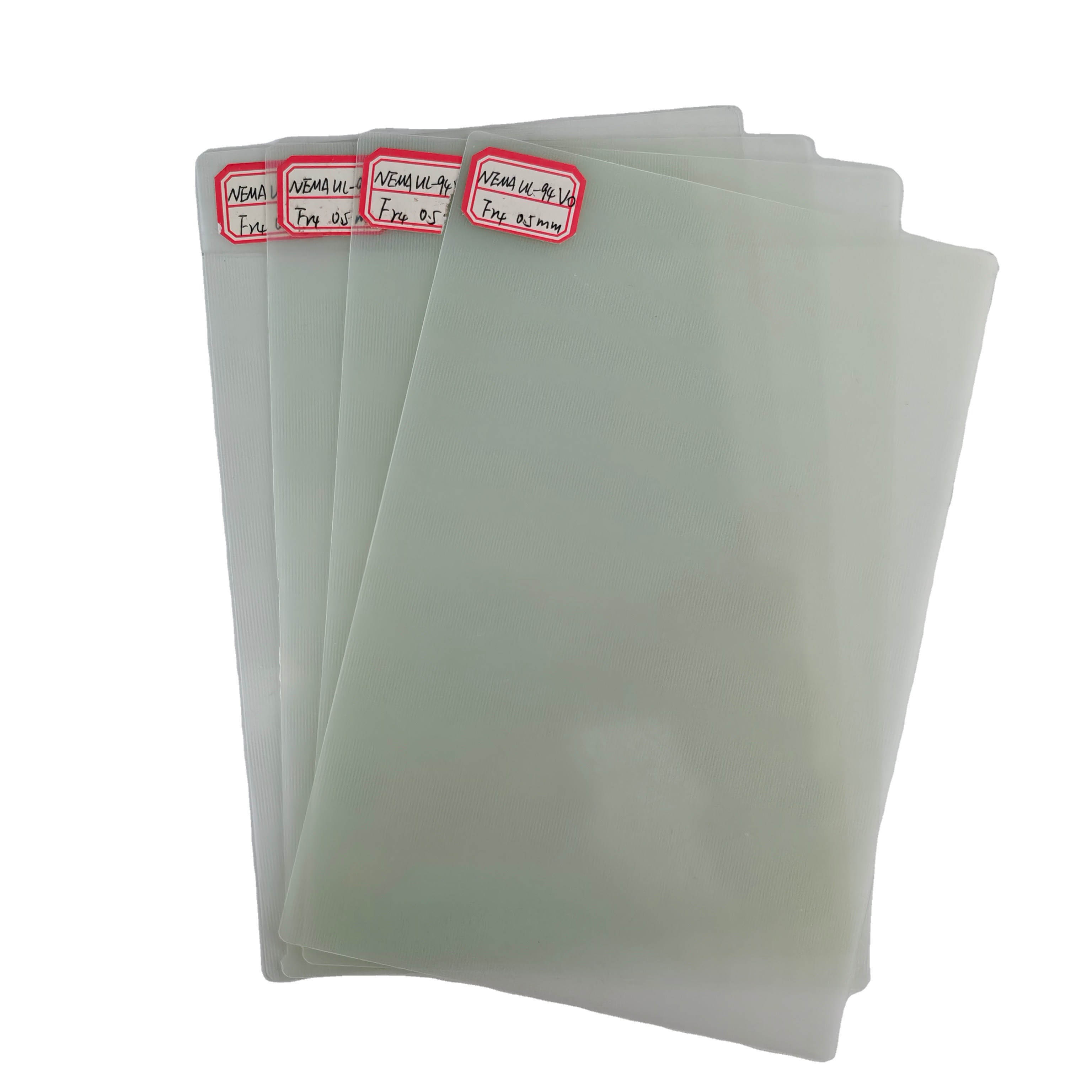
FR4 94V0 epoxy board protects components through a combination of flame-retardant chemistry and reinforced glass fiber structure. When exposed to heat or an open flame, the material self-extinguishes within 10 seconds and produces no dripping particles—meeting the UL 94 V-0 classification. The woven glass cloth reinforcement holds structural shape under thermal stress, while the epoxy resin binder resists chemical breakdown. With a dielectric breakdown voltage exceeding 40 kV and a Glass Transition Temperature (Tg) of 130°C–170°C, this material keeps electrical components insulated and mechanically stable in high-risk environments.
Understanding the Heat and Flame Protection Properties of FR4 94V0 Epoxy Board
What Is FR4 94V0 and How Is It Classified?
"FR4" stands for "Flame Retardant Grade 4." The 94V0 number refers to the UL 94 vertical burn test, in which the sample must put itself out within 10 seconds of each attempt to light it and make no flaming drips. Based on the UL 94 method, this puts it at the top level of safety. This license is a must for engineering managers and buying teams looking for PCB substrates or insulation materials; it's not an extra.
Thermal and Electrical Insulation Performance
At 1 MHz, the epoxy resin matrix in this blend has a Dielectric Constant (Dk) of about 4.4–4.8 and a dielectric breakdown voltage above 40 kV. It works well for high-voltage switches, motor parts, and layered PCBs because of these numbers. Standard grades stay strong up to a Tg of 140°C, while High-Tg versions can withstand temperatures that stay high for longer than 170°C, meeting the needs of transformer makers and people who use them for automotive insulation.
Mechanical Strength Under Thermal Stress
The board has a bending strength of more than 400 MPa in the long direction because of the woven glass fiber support. In real production, this is important because parts don't just have to deal with heat; they also have to deal with vibration, mechanical load, and repeated thermal cycling. Under these conditions, the material doesn't delaminate (white spot delamination) or bend, which is why OEM buying managers in the power and industrial machinery sectors keep asking for it year after year.
How FR4 94V0 Is Made to Ensure Optimal Heat and Flame Resistance?
Core Materials: Glass Cloth and Epoxy Resin
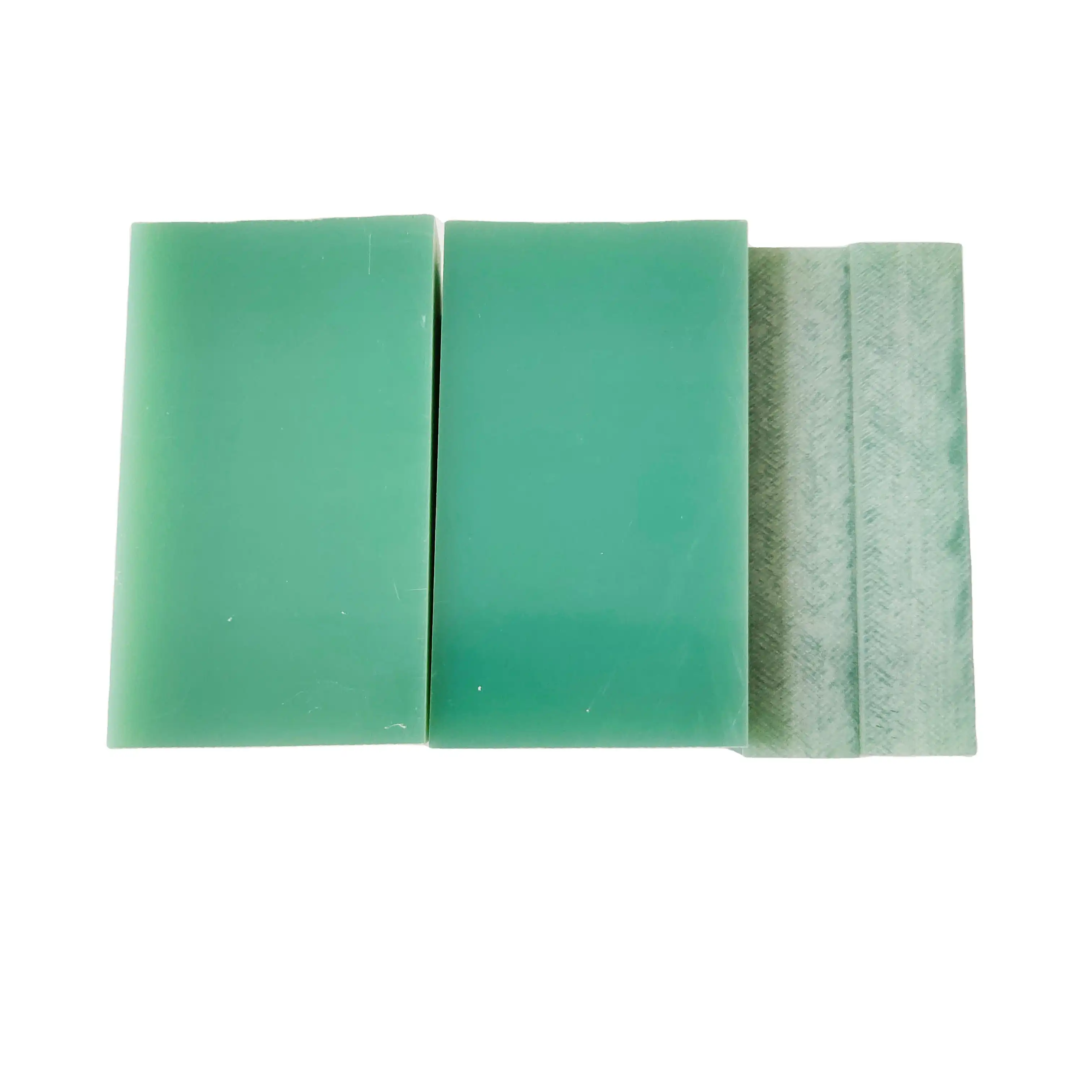
Continuous filament woven glass fabric that is fully saturated in a thermosetting epoxy resin system is used to start the production process. To meet 94V0 standards, flame retardants based on bromine or phosphorus are mixed into the plastic. The glass content—usually 40 to 50 percent by weight—is what keeps the laminate's shape after it has dried. Without this support, epoxy would expand and distort on its own when exposed to long-term heat.
Lamination and Curing Process
In a hydraulic press for a Fr4 94v0 Epoxy Board, different layers of prepreg are stacked while the temperature and pressure are controlled. During the curing cycle, the epoxy chains are permanently linked together, which locks the glass reinforcement into a rigid structure with no gaps. This layering method has a direct impact on peel strength, heat conductivity, and layer separation resistance. These properties are important for wave soldering or reflow processes in electronics assembly.
Quality Verification Before Shipment
Each batch of goods made by reputable companies is tested for its ability to resist heat and flame (according to UL 94 routine), its bending strength (according to ASTM D790), and its ability to absorb water. Boards that don't pass are thrown out and not worked on again. Before approving a supplier, B2B buyers usually ask for batch test reports and third-party certifications. This keeps your production line safe from material that doesn't meet standards.
Comparing FR4 94V0 Epoxy Board with Alternative PCB Materials
FR4 94V0 vs. FR1 and FR5 Grades
FR1 has a phenolic core made of paper, which is less solid in terms of shape and absorbs more water. This is fine for simple single-layer boards, but not for high-precision electronics. For temperatures above 170°C, FR5 uses glass cloth with a stronger glue. FR4 94V0 is in the middle. It's cheaper than FR5 and works better than FR1 in terms of mechanical and electrical integrity, so it's good for most commercial and industrial uses.
FR4 94V0 vs. Polyimide and CEM1
Polyimide boards can withstand temperatures above 250°C for long periods of time and can bend many times without breaking. They are perfect for aerospace flex circuits but are much more expensive. CEM1 has a paper core with a glass layer on top of it. It is easier to work with than full-glass FR4, but it doesn't resist water as well. FR4 94V0 is the best choice for most electrical insulation, switchgear, and PCB support jobs because it has the right amount of thermal performance, machinability, and cost without being too specific.
When Is FR4 94V0 the Right Choice?
FR4 94V0 is the standard choice for multilayer PCBs, electrical insulation frames, busbar supports, motor spacers, and battery pack barriers. Because it's cheap, it can be used for both testing and mass production. If you need a UL-certified, RoHS-compliant substrate that cuts cleanly on CNC equipment and the operating temperature stays below 140°C, FR4 94V0 is the material that always meets your needs without costing too much.
Procurement Considerations for High-Quality FR4 94V0 Epoxy Board
Certifications That Matter in B2B Sourcing
Any seller of Fr4 94v0 Epoxy Board that you want to do business with should have UL approval (specifically UL 94 V-0), RoHS compliance, and REACH registration. These aren't just formalities for the paperwork; they determine whether your finished product passes safety checks, can be sold in regulated markets, and stays out of costly recalls. Companies that distribute electricity and make transformers often have to get flame-proof approval from the companies that buy from them.
Thickness Options, Custom Cuts, and Lead Times
Standard thicknesses range from 0.5 mm to 100 mm, and most qualified suppliers can cut to your exact measurements. Before sending a buy order, the purchasing team should make sure they understand the thickness tolerances (usually ±10% for standard grades), the surface finish choices, and the minimum order amounts. Bulk pricing and stocking agreements can lower the cost per unit and protect against supply problems. This is especially important for companies that make home appliances and have continuous production lines.
Building Long-Term Supplier Relationships
Quality isn't always consistent when you source items in single orders. Machinery builders and tier-1 auto suppliers usually make lists of approved suppliers that are audited every year. When looking for a new FR4 94V0 supplier, you should ask for sample boards to try in-house, look over their quality control paperwork, and make sure they have experience exporting. Suppliers with their own foreign trade teams and shipping departments can cut down on wait times and make customs paperwork a lot easier.
Practical Applications and Benefits of Using FR4 94V0 Epoxy Board in Electronics
Fr4 94v0 Epoxy Board is used in almost every industry that works with heat or electricity. Here are some of the most popular uses for this material and why they are good for them:
- Multilayer PCB Substrates: In server and telecom hardware, FR4 94V0 acts as the core dielectric layer. Its resistance to delamination during thermal cycling ensures long-term signal integrity and structural reliability in high-density boards.
- High-Voltage Switchgear Components: Machined parts such as busbar supports, arc chutes, and phase barriers rely on the material's high Comparative Tracking Index (CTI) to prevent conductive surface paths from forming under voltage and humidity.
- Test Fixtures and Solder Pallets: CNC-machined FR4 94V0 fixtures withstand repeated localized heating cycles and mechanical pressure without warping—making them a preferred choice in electronics assembly and quality control environments.
All of these uses need the same thing: a material that stays in shape, keeps electricity from flowing, and doesn't catch fire when there is a fault. All three are regularly met by FR4 94V0 across all production levels.
Conclusion
FR4 94V0 epoxy board protects electronic components through verified flame retardancy, structural thermal stability, and reliable dielectric performance. It meets UL 94 V-0 standards, withstands temperatures up to 170°C in high-Tg variants, and resists deformation under mechanical and thermal load. From PCB substrates to switchgear insulation and automotive battery barriers, it performs across demanding B2B environments. For procurement teams evaluating insulation materials, it offers a combination of certifications, machinability, and cost that few alternatives match at scale.
FAQ
What does UL 94 V-0 mean for an epoxy laminate?
UL 94 V-0 means that the material goes out on its own within 10 seconds of two flame applications and doesn't drip with flame. It is the top level in the UL 94 vertical burn test series and is needed for parts of consumer electronics, switchgear, and vehicle insulation that are going to be sold in regulated markets.
What is the maximum operating temperature for standard FR4 boards?
It takes 130°C to 140°C for standard FR4 94V0 to turn into glass. When you go above this point, the epoxy material gets softer and less stable in its shape.
Is FR4 94V0 RoHS compliant?
Yes, FR4 94V0 boards from approved suppliers are made without using restricted dangerous substances and come with proof that they comply with RoHS. If your product is meant for European or other controlled markets, make sure your seller confirms this before you buy it.
Can FR4 94V0 be CNC machined for custom shapes?
Yes. FR4 94V0 is often CNC machined for seals, spacers, test fittings, and structural insulators, even though it contains rough glass fiber. To get a clean edge and make the tool last longer, use carbide tools and make sure the chips are properly extracted.
How do I verify a supplier's FR4 quality before bulk ordering?
Ask for batch test results that include information on dielectric breakdown voltage, flame retardancy, and bending strength. Request samples of the material to be tested in-house, and make sure that the supplier's quality control system meets the standards of your business.
Get FR4 94V0 Epoxy Board from J&Q — Trusted Supplier with 20+ Years of Experience
Certified insulation laminates have been sold by J&Q for more than 20 years, and the company has directly exported to North American markets for more than ten years. Our Fr4 94v0 Epoxy Board comes in both standard and special sizes, and we can provide UL, RoHS, and REACH paperwork upon request. We run our own logistics company, so from the time you place your order until it arrives, we take care of everything. To get samples or a quote, email our technical team at info@jhd-material.com or go to jhd-material.com.
References
1. UL Standards & Engagement. UL 94: Standard for Tests for Flammability of Plastic Materials for Parts in Devices and Appliances. Underwriters Laboratories, 2021.
2. NEMA. NEMA LI 1-1998: Industrial Laminating Thermosetting Products. National Electrical Manufacturers Association, 1998.
3. ASTM International. ASTM D790: Standard Test Methods for Flexural Properties of Unreinforced and Reinforced Plastics and Electrical Insulating Materials. ASTM International, 2017.
4. IPC Association Connecting Electronics Industries. IPC-4101: Specification for Base Materials for Rigid and Multilayer Printed Boards. IPC, 2017.
5. Harper, Charles A. Electronic Packaging and Interconnection Handbook. McGraw-Hill, 2004.
6. Jawitz, Martin W. Printed Circuit Board Materials Handbook. McGraw-Hill, 1997.