
Bakelite Sheet Supplier for Electrical Equipment Makers
2026-05-19 16:56:03
When engineering managers and technical buying teams need phenolic laminate solutions that are both reliable and good at what they do, they always go to well-known sources with a track record of success. For more than twenty years, J&Q has supplied high-quality Bakelite sheet to companies that make electrical equipment. These sheets must meet strict standards for dielectric strength, heat resistance, and cutting precision. Our phenolic paper laminates are used in important places, like PCB boards, switchgear insulators, and motor components. They help makers keep their operations safe while keeping production costs low across global markets.
Understanding Bakelite Sheets: Properties and Applications
Bakelite sheet represents one of the most durable new materials in industrial history. They were made by phenol and formaldehyde reacting together, which makes a thermosetting glue that is very stable. While thermoplastics soften when heated, phenolic laminates forever harden into thick, stiff structures that keep their shape and ability to insulate even when heated for a long time.
Core Material Properties That Matter
The unique performance profile of Bakelite sheet comes from the molecular structure of phenolic resin. The dielectric strength is usually higher than 12 kV/mm, which lets it work safely in high-voltage areas where an electrical breakdown would be dangerous. Heat deflection temperatures can hit 300°F (149°C), which keeps the shape stable in situations where regular plastics would melt or bend. Chemical resistance to oils, weak acids, and most chemicals makes sure that the product will last in tough industrial settings.
These electrical properties are complemented by mechanical qualities. Tensile strength varies from 5,000 to 9,000 psi based on grade. It doesn't change size in wet places because it absorbs less than 1% of its weight in water. Because of this, phenolic laminates are very useful in places where material failure could be very bad, like transformer insulation, busbar spacers, and circuit breaker parts.
Common Applications Across Electrical Manufacturing
Bakelite sheet is used to make spark shields and insulating walls that keep electricity from moving between phases in switchgear systems. The material can handle short-term problems without breaking because it has a high arc resistance grade. PCB makers use phenolic laminates as backing boards for single-sided circuits because the material is easy to work with and has uniform thickness limits that make sure parts are placed correctly.
As commutator end rings, slot wedges, and terminal blocks, motor makers use Bakelite sheet components. Because the material is thermally stable, it doesn't break down when heated by I²R, and its mechanical strength lets it handle rotational forces during fast spinning. Builders of distribution transformers use phenolic sheets for the support structures and covering of the coils because the material has a low thermal expansion rate that keeps tolerances tight even when temperatures change.
Why Bakelite Outperforms Alternative Materials
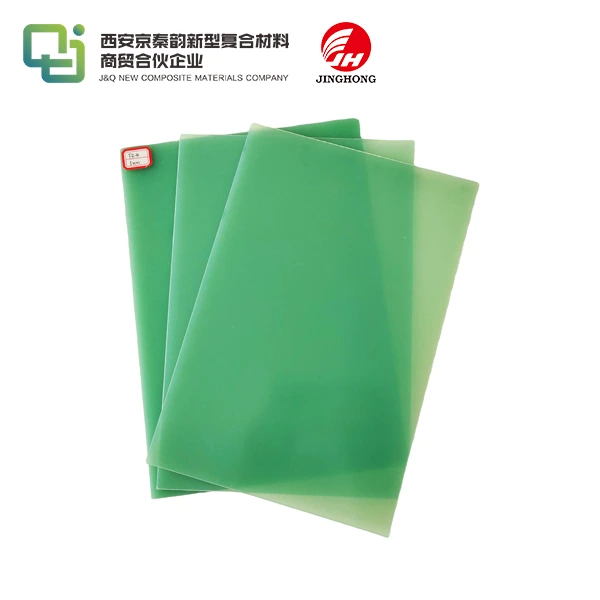
Bakelite sheet is better at resisting pressure than melamine laminates, and it can be machined more easily without breaking the edges. Compared to FR4 epoxy boards, phenolic sheets are cheaper and can be used in places where the high heat protection of glass-reinforced composites isn't needed. PVC and polyethylene aren't hard enough or can't handle high temperatures well enough for solid electrical components. Ceramics, on the other hand, are better at handling heat, but they are more difficult to work with and cost more to make.
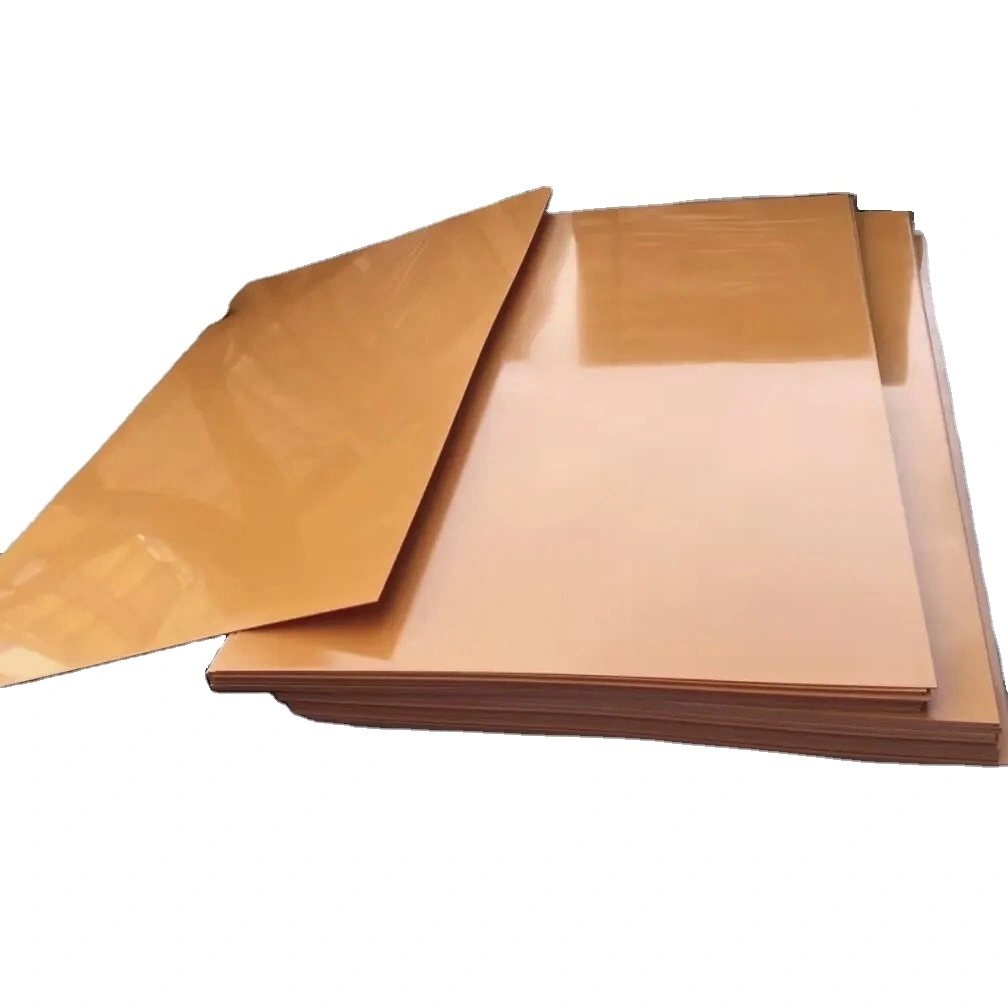
Why Choose Bakelite Sheets for Electrical Insulation?
To choose the right insulation material, you have to weigh a lot of performance factors against cost concerns and government rules. In all of these areas, phenolic laminates constantly show their worth.
Technical Superiority in Demanding Environments
Keeping the resistance high during operation is important for electrical protection to work well. In order to avoid leakage currents that lose energy and pose safety risks, Bakelite sheet has volume resistance above 10¹⁰ ohm-cm. Surface resistivity stays the same even in dusty or slightly dirty places, while hygroscopic materials lose their ability to insulate when moisture films form.
The comparative tracking index (CTI) scores show that phenolic laminates are not easily carbonized on the outside by electrical shocks. As per the IEC 60664 guidelines, Bakelite sheet can be used in pollution degree 2 settings because their CTI values are usually between 175-250V. This means they can be used with electrical tools inside of industrial settings where conductive pollution happens from time to time.
Regulatory Compliance and Safety Standards
UL-approved phenolic laminates have 94V-0 flammability ratings, which means they go out on their own in 10 seconds after the flame is taken away and don't make burning drips. This fire safety feature keeps nearby parts safe and lowers the chance of a catastrophic failure. RoHS-compliant formulations get rid of lead, mercury, and other banned chemicals. This lets companies that make tools serve markets in Europe and North America without having to switch out materials.
The MIL-I-24768 standards set the standards for commercial grades of phenolic sheets that are used in aircraft and defense uses. To meet these standards, resin chemistry must be uniform, curing times must be controlled, and quality must be thoroughly tested. These are the skills that set professional sellers apart from cheap purveyors.
Environmental and Lifecycle Considerations
Even though phenolic resins don't break down quickly, their high toughness means that parts don't need to be replaced very often, which saves material overall. Because it is thermoset, it can't be recycled by melting it down. However, it can be used again as filler material in less demanding uses after being ground up. When they are made, they use less energy than glass-reinforced composites, which need higher hardening temperatures and more complicated processes.
Procuring Bakelite Sheets from J&Q: What B2B Clients Need to Know
When working with providers who know what is needed for electrical manufacturing, the buying process is easier to handle. Our method stresses openness, flexibility, and the dependability of the supply chain.
Product Portfolio and Customization Capabilities
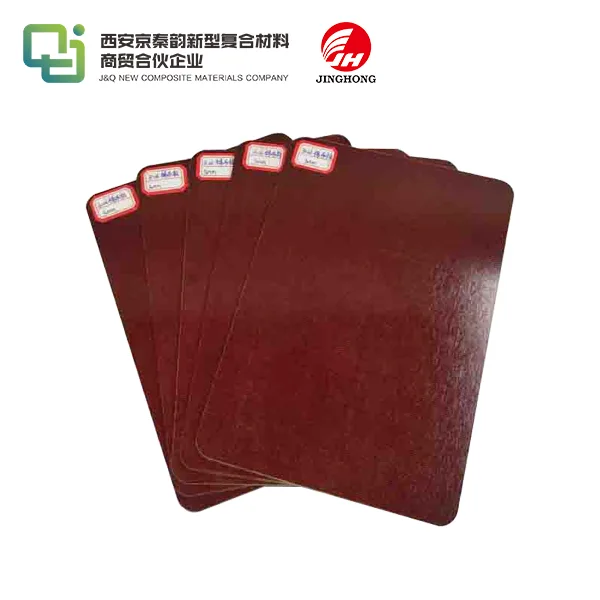
We keep stock of materials with standard thicknesses ranging from 0.5mm to 50mm, so we can meet the needs of both accurate electronics uses and heavy industrial machinery parts. The largest sheet size is 1020mm × 1220mm, and custom cutting services are offered for specific needs. Different grades come in different types, such as paper-based laminates for general electrical use, sheets reinforced with cotton fabric for better strength, and special formulas with better arc protection for high-voltage uses.
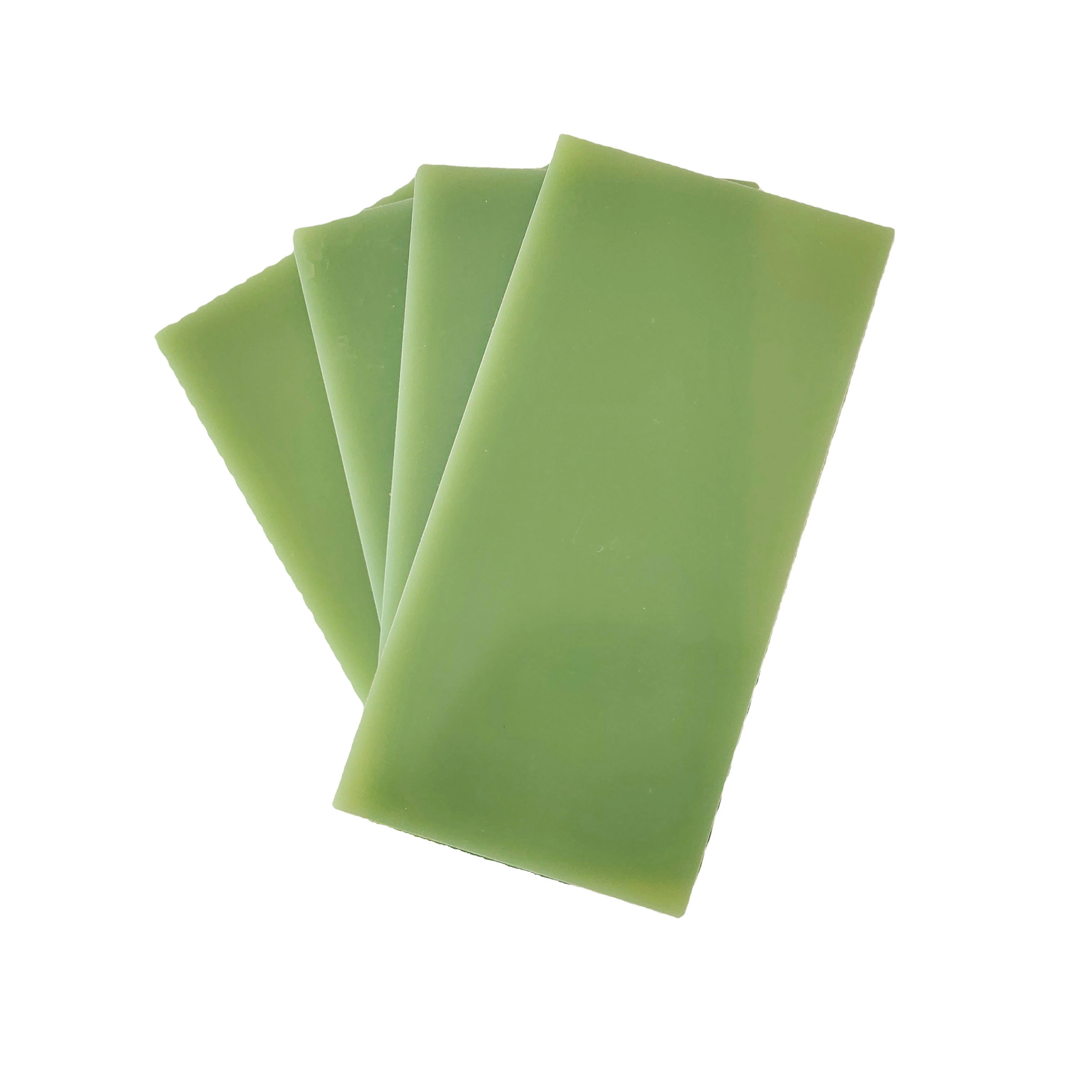
The color can be natural brown, black, or special dyes for easy identification. The surface finish can be matte or semi-glossy, and the tolerance bands can be standard commercial or precision-machined. The minimum order quantity stays the same, so it can be changed to fit both prototype testing and large-scale production runs. Technical data sheets give full information about a material, such as the electrical, mechanical, and heat qualities that were tested according to ASTM standards.
Pricing Structures and Supply Chain Logistics
Cost-effectiveness comes from planning production well and integrating different levels of a business. Our factories make sure that the standard of their products stays high while also getting economies of scale that allow them to offer Bakelite sheet at competitive prices to their customers. Volume prices are a way to reward long-term relationships without making it harder for smaller buyers to get high-quality products.
Global operations make sure that goods get to markets in North America, Europe, and Asia on time. Our connected logistics business handles customs paperwork, freight forwarding, and last-mile delivery, which makes buying things from other countries easier. Lead times for normal grades are usually between two and four weeks, but faster processing is possible for pressing needs. Sheets are protected during shipping by moisture shields and strengthened crates, so they arrive ready to be put together right away.
Seamless Procurement Experience
The process of buying starts with a technical meeting, during which our application engineers look over your unique needs and suggest the best grades. Requesting samples lets you try something out for yourself before committing to large quantities. Once the specs are confirmed, online quote requests get answers within 24 hours, with full price breakdowns and delivery plans.
Support after the sale lasts as long as the goods does. We have technical hotlines handled by materials experts who can help with machining problems, suggest processing settings, or answer questions about certification paperwork. Quality assurance rules include batch traceability, which lets ISO-certified production settings keep full records of all the materials that have been used.
Technical Guidance and Best Practices for Using Bakelite Sheets
To get the best performance, you need to know how to machine, handle, and put phenolic laminates correctly in the creation of electrical equipment.
Machining and Fabrication Techniques
When using carbide tools and slow cutting speeds (3,000 to 6,000 RPM for routing), CNC routing and milling work well with Bakelite sheet. Edge chipping is less likely to happen with sharp tools, and phenolic dust that can hurt breathing systems doesn't build up with dust extraction systems. Brad-point bits and backing boards help with drilling because they support the material during breakthrough and keep the bottom from delaminating.
Laser cutting is accurate for cutting out complicated shapes, but it needs to be done in a way that lets the phenolic combustion leftovers escape. Cutting with a water jet gets rid of heat stress and leaves clean lines without worrying about tool wear. Traditional punching and shears work well for making a lot of simple forms, but die care is needed to keep the quality of the edges from getting worse.
Insulation Performance Optimization
To get the rated dielectric strength, you need to pay attention to how the surface is prepared and how the surroundings is controlled. When you clean something with isopropyl alcohol, you get rid of machine oils and fingerprints that could make conductive tracks. Keeping the relative humidity below 70% during storage and assembly stops insulation from absorbing water, which lowers its resistance.
In high-voltage situations, how the edges are treated is important. For example, rounding off sharp corners gets rid of field concentration places that cause electrical breakdown. IEC guidelines say that minimum creepage distances should be 3.2mm per kilovolt for pollution level 2 settings. Thermal cycling tests find possible weaknesses before they are put into use in the field and make sure that the performance is stable across a range of working temperatures.
Maintenance and Longevity Strategies
The surface state and physical stability of phenolic components are checked on a regular basis. Carbonized tracking patterns mean that there is too much voltage stress or a pile of contamination that needs to be cleaned or replaced. If a material gets cracks or delamination, it means that it has been overloaded mechanically or thermally beyond its limits.
Harsh solutions that break down phenolic resins should not be used for cleaning. Mild soaps or cleaners with alcohol keep the surface's qualities without breaking them down. When sheets are stored correctly, they are protected from UV light (which can change the color of the surfaces) and big changes in temperature that could cause thin parts to bend.
Why J&Q is Your Go-To Bakelite Sheet Supplier
When picking a materials partner, you need to look at more than just the product specs. You also need to look at how committed the seller is to quality, innovation, and customer success.
Quality Assurance and Industry Certifications
Statistical process control is used in our manufacturing processes to make sure that the qualities of the materials stay the same from one production run to the next. Inspection of the resin as it comes in, monitoring of the lamination process, and testing of the finished product all make sure that every sheet meets the written specs. Our ISO 9001 approval shows that we handle quality in a structured way, and our UL recognition shows that we meet electrical safety standards for Bakelite sheet.
We buy high-tech testing tools that check for dielectric strength, bending qualities, flame resistance, and accurate measurements. Shipments come with test papers that you can use for your quality records and to meet legal requirements. Traceability systems connect each sheet to a unique production batch, lot of raw materials, and test results. This is very important for aircraft and medical device uses that need to know the full history of the materials they use.
Customer-Centric Service Philosophy
When we first talk to you, we listen to your application needs instead of pushing standard goods, which is the first step in technical consultation. Our systems engineers have decades of experience working with insulation problems in a wide range of fields. This consultative method often shows ways to lower costs by improving grade or making design changes that keep performance the same but make manufacturing easier.
Flexible MOQs help with product development processes where it's not clear what materials will be needed. For prototyping, development teams can buy small amounts without having to worry about the prices being too high. As designs get better, they can easily switch to larger numbers for production. When you get your deliveries on time, you can keep your production plans and avoid costly line stops caused by lack of materials.
Proven Track Record with Electrical Manufacturers
In our twenty years of experience in the phenolic laminate business, we've worked with transformer makers who need exact specs for coil insulation assemblies, circuit breaker makers who need consistent arc resistance properties, and motor builders who need reliable commutator parts. These partnerships last because we don't just provide materials; we also offer answers by offering ways to improve processing, different design options, and quick responses to problems that come up out of the blue.
Conclusion
Because their property balance is still hard to replicate with newer materials, phenolic laminates are still very important in the production of electrical equipment. When you need a provider of Bakelite sheet that knows how to meet the technical needs of switchgear insulation, motor parts, and power distribution equipment, working with experienced makers will make sure you get materials that work reliably in a wide range of situations. Long-term relationships that work well for buying industrial products are built on reliable supply chains, responsive customer service, and high-quality manufacturing.
FAQ
What thickness ranges are available for Bakelite sheets?
We keep standard thicknesses from 0.5mm to 50mm in stock. These thicknesses can be used for a wide range of tasks, from making thin electrical shields to building insulation parts. For bulk sales with specific tolerance needs, thickness specs that are made just for you are possible for Bakelite sheet.
How does Bakelite compare to melamine for electrical uses?
Compared to melamine sheets, phenolic laminates are better at resisting impacts and are easier to machine. Both are good at insulating electricity, but Bakelite typically stays the same size better when temperatures change, which makes it better for uses where temperatures change.
Can J&Q provide custom-cut shapes and sizes?
Of course. CNC turning, laser cutting, and precise punching are some of the manufacturing techniques we can use to make finished parts that exactly match your needs. If you send us CAD files or technical drawings, we can give you an exact price on custom fabrication services that cut down on the work you have to do in-house.
Partner with J&Q for Premium Phenolic Laminates
Our combined method gives electrical equipment makers looking for a reliable Bakelite sheet manufacturer a lot of benefits. We have been making things for over twenty years and operating foreign trade partnerships for over ten years, so we know both the technical needs of your applications and the complicated logistics of buying things all over the world. Our affiliated logistics business handles all of the delivery details, and our technology support team is always available to help with application questions. Email info@jhd-material.com to talk about your unique insulation needs, get samples of the material, or get full quotes for your next job. Visit jhd-material.com to explore our complete product portfolio and technical resources designed to support your engineering and procurement decisions.
References
American Chemical Society. "Bakelite: The First Synthetic Plastic - National Historic Chemical Landmark." Journal of Chemical Education, 1993.
Harper, Charles A. "Handbook of Plastics, Elastomers, and Composites: Fourth Edition." McGraw-Hill Professional Publishing, 2002.
International Electrotechnical Commission. "IEC 60893: Insulating Materials - Industrial Rigid Laminated Sheets Based on Thermosetting Resins for Electrical Purposes." 2019 Edition.
Underwriters Laboratories. "UL 94: Standard for Safety of Flammability of Plastic Materials for Parts in Devices and Appliances." Current Edition.
ASTM International. "ASTM D709: Standard Specification for Laminated Thermosetting Materials." Annual Book of Standards, Volume 08.01.
Biron, Michel. "Thermoplastics and Thermosetting Polymers: Technical Properties and Economic Analysis." Elsevier Science & Technology, 2018.
_1754967691873.webp)
