
Why FR4 Board Is Ideal for Precision Machining?
2026-05-19 16:56:08
FR4 board is the best material for accurate machining because it stays the same size, is easier to work with, and has consistent mechanical qualities. This epoxy laminate with fiberglass reinforcements keeps its tight specs during complex CNC operations and doesn't expand or absorb water, which are important qualities to look for when designing complex parts for electronics, cars, and factories. The uniform structure of the material makes it possible to make clean cuts with no burrs, which lets makers regularly achieve accuracy within microns.
Understanding FR4 Board and Its Core Properties
What Makes FR4 Board the Industry Standard?
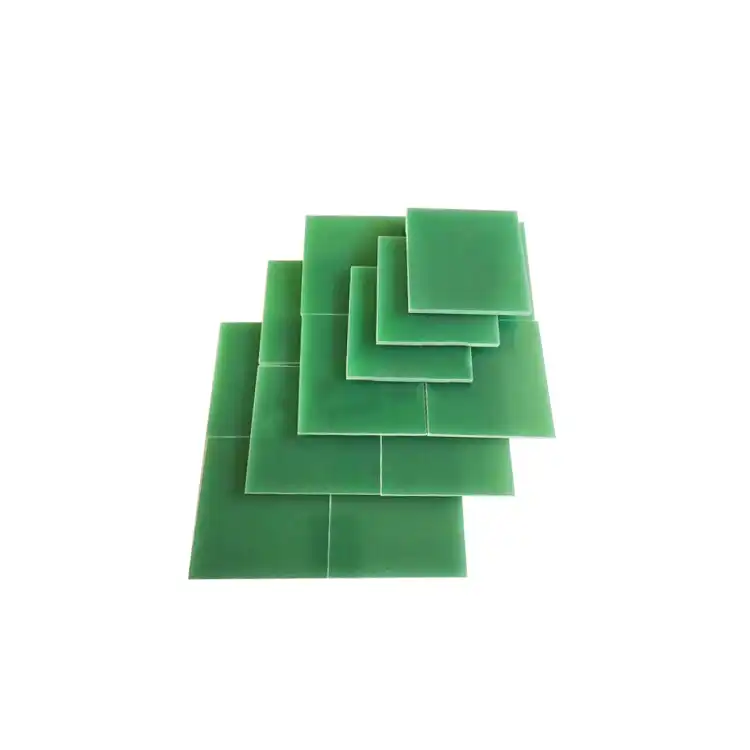
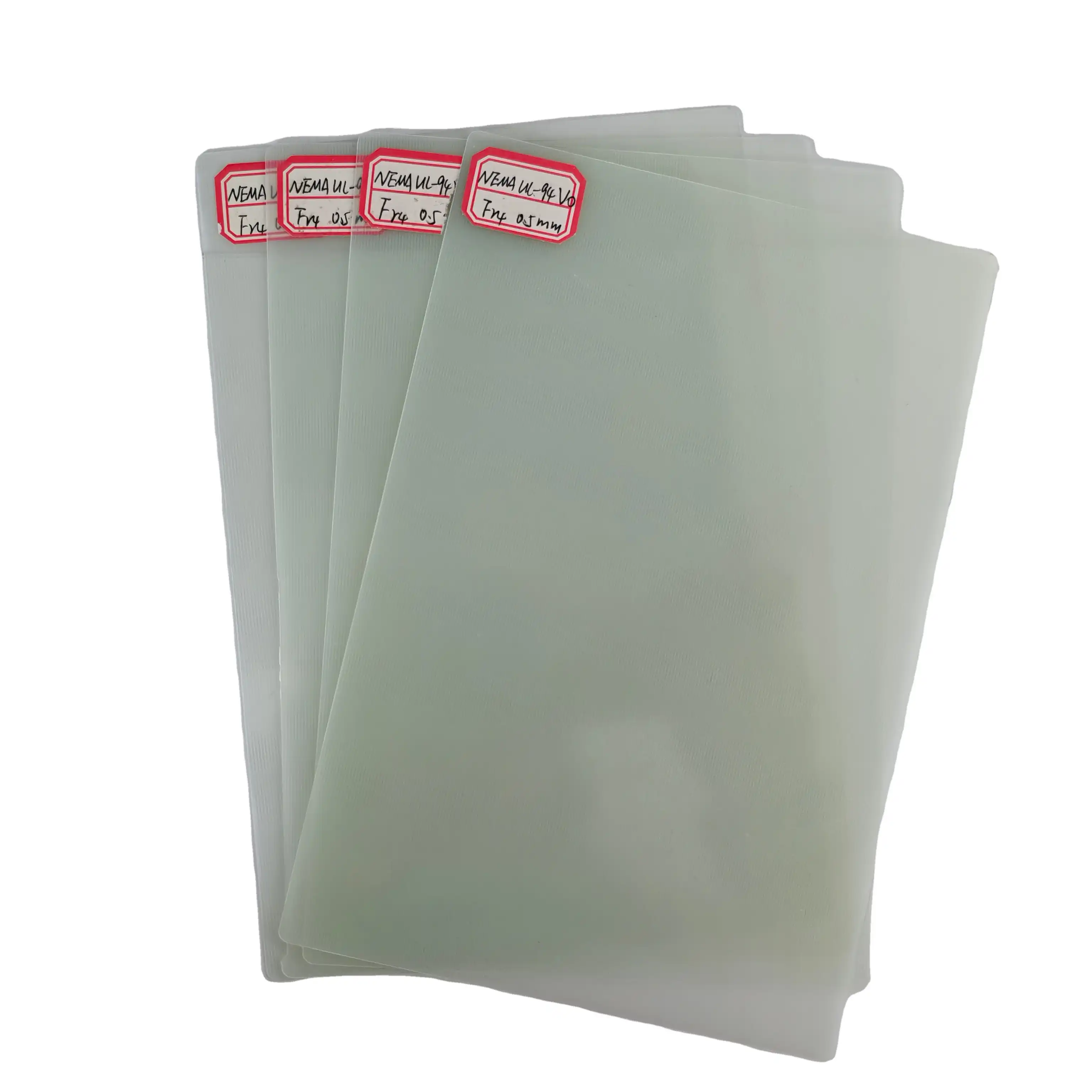
FR4 board is an industrial material made of continuous filament glass cloth that has been mixed with epoxy resin glue under high pressure. 'FR' means that the material is Flame Retardant according to UL94 V-0 standards. This means that it goes out on its own within 10 seconds of being removed from a fire source. This mixture solves three engineering problems at the same time: structure failure in high-humidity areas, dielectric breakdown under high voltage, and changes in size during thermal cycle. In contrast to other organic insulators, this glass-epoxy combination offers the best balance between mechanical strength and electrical isolation, which makes it a must-have for precise uses.
Core Material Characteristics for Machining Excellence
Because it is made of weaved fiberglass cloth, the material has a high tensile strength and is very unlikely to bend or break during cutting. As both a glue and an electrical insulation, the epoxy resin matrix stops current flow while keeping the structure together. The Glass Transition Temperature (Tg) for normal grades is between 130°C and 140°C, and for high-Tg types, it's 170°C or higher.
Water absorption rates stay very low, usually between 0.1% and 0.2%. This keeps the dielectric strength above 30 kV/mm even when it's wet outside. When making parts that will work in harsh environments, this resistance to moisture is very important. The material keeps its shape even when the temperature changes, which is a quality that engineering teams value when setting manufacturing limits for fine parts.
Mechanical and Electrical Property Balance
The dielectric constants are good for high-frequency uses, and the electrical insulation qualities stay the same during machining processes. The material can withstand constant mechanical stress and still insulating, so electrical current doesn't leak out of switches, motor parts, and PCB assemblies.
Thermal stability means that the material can be heated and cooled many times without breaking down. This is very important for wave soldering and automatic assembly processes. Because of this steadiness, machining will behave in an expected way. This lets manufacturing teams set up reliable process settings that give consistent results across production runs.
Why FR4 Outperforms Alternatives in Precision Machining Applications
Comparative Material Analysis Across Industries
When procurement experts look at substrate materials, they consider more than just the starting cost. Rogers materials work better at high frequencies, but they cost more, which can make budgeting difficult. Aluminum surfaces are great at getting rid of heat, but they don't have the electrical insulation qualities that are needed in many situations. Polyimide has great temperature protection, but it's hard to work with because it's so tough. Costs go down with CEM-1 board, but they lose mechanical strength and heat stability.
FR4 board has a key role to play in this situation because it provides fair performance across important factors while still being cost-effective. Electrical engineers like how the material keeps signals intact even when the board has multiple layers, and mechanical engineers like how it keeps its shape even when it's under a lot of stress. Because it can be used in so many different ways, it is the most popular choice for everything from household electronics to industrial control systems.
Real-World Performance in Demanding Sectors
Manufacturers of automotive parts use FR4 board for battery pack dividers and heat-resistant fittings, where exact tolerances make sure that the parts fit together correctly. The stable batch quality of the material supports high-volume production needs, and its ability to be customized meets changing design needs. When R&D engineers test samples, they rely on materials with consistent properties because they know that production runs will accurately reproduce test results.
FR4 board is used as a phase divider and a support for busbars in power distribution equipment. This material can withstand huge electrical forces during short-circuit events. Critical infrastructure doesn't fail in terrible ways because it has both mechanical power and arc protection. Transformer makers count on the material's dimensional stability to keep the exact spacing between coil units, which has a direct effect on how well and how reliably the equipment works.
Cost-Benefit Analysis for Procurement Teams
The total cost of ownership, not just the single price, is what matters most when choosing a material. FR4 board is easier to machine than rough materials, so it cuts down on tool wear and cycle times. Consistent quality leads to lower scrap rates, which saves money across all output levels. Lead times stay competitive because the product is widely available, which lowers the cost of keeping stockpiles and helps just-in-time manufacturing tactics.
Quality standards, such as UL and RoHS compliance, get rid of legal hurdles in foreign markets. This makes it easier to buy things and lowers the cost of running the business. All of these things make FR4 board the practical choice for businesses that need to balance performance needs with limited budgets.
Optimizing FR4 PCB Design and Manufacturing for Precision Machining
Best Practices for Machining Operations
To get the best results when cutting FR4 board, you need to pay attention to certain technical details. The fiberglass content makes it very rough, so diamond-coated or carbide tools are needed to keep the edges sharp during production runs. Wet grinding or dust extraction systems keep workers safe from dangerous glass particles while still letting them see where the cuts are being made.
Feed rates and spinning speeds need to be calibrated based on the width of the material and the finish you want on the surface. When cutting pressures are higher than the epoxy resin's joining strength, delamination at the board edges can happen. Conservative limits stop this from happening. Using the right methods for holding work prevents uneven tightening forces that cause warping that affects the accuracy of measurements.
When making holes or routing patterns, exit tactics are very important. Supports under the object keep fibers from tearing out when it breaks through, which is important for keeping the sides clean for assembly work. Most of the time, climb milling lines produce better edge quality than regular cutting tracks. However, on thin features, you need to keep an eye on tool deflection.
Stack-Up Configuration and Layer Management
For multi-layer board designs, thickness limits and material types need to be carefully thought through. High-Tg versions are good for uses that need to work at high temperatures or with difficult reflow patterns. Standard FR4 board grades are good enough for consumer gadgets and low-cost uses where heat needs aren't too high.
Copper coating weights affect both how well it conducts electricity and how well it cuts. Heavier copper layers improve current capacity and heat reduction, but they need to be machined with different settings to avoid burrs. Balanced copper distributions on the upper layers reduce the tendency for bending, keeping the flatness during the next steps of assembly.
Quality Control and Inspection Protocols
Defects are caught before they spread through the building process by checking the dimensions at several stages of production. Coordinate measuring tools give objective data that proves that tolerances are being followed. A close-up look through a magnifying glass shows flaws in the surface, the quality of the edges, and the chance of delamination that machines might miss.
Electrical testing verifies the material's dielectric strength and insulation resistance, showing that it keeps its protective qualities even after being mechanically processed. These steps of checking make it more likely that finished parts will work well in the ways they were meant to, which lowers the number of guarantee claims and failures in the field.
Procurement Considerations for FR4 Boards in B2B Contexts
Supplier Evaluation Criteria
To find good FR4 board providers, you need to carefully look at a lot of different aspects of their abilities. Quality management certificates show that a company is dedicated to using consistent methods and making improvements all the time. Signs of ISO registration include standard ways of keeping records that make them easier to find and make sure they follow audit rules. UL listings check that flame retardancy claims are true, which protects finished goods from fire risk lawsuits.
Production capacity affects how reliably deliveries happen, especially when demand goes up quickly or when orders go up without warning. When lead times get shorter, suppliers with specialized inventory stocks keep production plans going even if there are problems in the supply chain. Technical support helps solve problems with applications and speeds up the development of new products by giving engineers extra help.
Customization options let you meet particular size needs, copper weight requirements, or thickness requirements that aren't common. When suppliers offer CNC machining services, they send finished parts instead of raw sheets. This streamlines supply chains and cuts down on the number of steps needed to handle materials internally. This unified method makes purchasing easier while keeping quality control high throughout the whole manufacturing process.
Strategic Order Planning and Logistics
Bulk buying deals get you better prices and make sure that you can get the materials you need for the production volumes you plan. Blanket orders with planned releases keep the cost of keeping stockpiles in check and reduce the risk of running out of materials. Just-in-time delivery plans cut down on the need for warehouse room, which frees up cash for other business needs.
When sending things internationally, you need to think about how to package things so that they don't get damaged or wet during travel. Suppliers that have been around for a while know what these needs are and take the right precautions to keep materials' traits safe until production starts. Complete documentation makes it easier to get goods through customs, which keeps production plans from getting thrown off.
Risk Mitigation Through Dual Sourcing
When you depend on just one source, you leave yourself open to changes in quality, limited capacity, or events that affect your business stability. Using qualified alternative sources protects against supply problems and makes prices more competitive at the same time. Regular quality checks on a number of different providers keep performance standards high and make sure that materials from different sources have the same traits.
When handling various supply agreements, it's important to make sure that the specifications are clear. Clear technical standards make it possible to compare materials from different manufacturers in a fair way. Performance testing proves similarity, making sure that switching suppliers won't affect the usefulness or dependability of the final product.
Future-Proofing Precision Machining with FR4 Boards
Emerging Material Innovations
As material science progresses, FR4 board formulas are getting better to meet the changing needs of the business. Halogen-free flame retardants meet environmental standards and keep up with UL94 V-0 performance. Concerns about sustainability are addressed by these changes, which get rid of bromine chemicals without losing safety.
Filler materials that improve thermal management make it easier for heat to escape in power electronics uses by making the materials more thermally conductive. These improved types close the performance gap with metal surfaces while keeping its better electrical insulation qualities. These mixed traits are useful for situations that need both good heat performance and high dielectric strength.
Signal integrity improvements are aimed at high-frequency uses where regular FR4 board is getting close to its performance limits. Changing glue systems lowers dielectric loss, which makes higher frequency ranges possible without using rare materials. These improvements make it possible to find cost-effective ways to use telecommunications tools and advanced driving aid systems.
Scalability for Volume Production
Manufacturing technologies keep getting better at making big batches of products more consistent. Statistical process control methods find patterns of difference before they go beyond the limits set by specifications. This keeps the tolerances tight, which is important for precision machining tasks. Automated material handling systems lower the risk of contamination while increasing output. This helps device makers and car providers meet their high-volume needs.
Supplier ties move from being transactional to being ways of working together to build products. Engineering teams work together to find the best material specs for each job, changing the qualities to meet the individual needs of the job. These relationships speed up the process of innovation, which means that new products can be sold faster than with standard procurement methods.
Long-Term Supply Chain Strategies
To build long-lasting relationships with suppliers, both parties must be dedicated to quality greatness and constant improvement. Performance measures are looked at in regular business reviews to find ways to cut costs and improve capabilities. Technology plan talks make sure that the development of materials is in line with the evolution of products. This makes sure that supply capabilities can meet future needs.
Geographic diversity makes global supply networks more balanced by balancing the powers of different regions. Asian suppliers usually have lower prices and can quickly grow with your needs. North American sellers are closer and have easier processes. European suppliers bring strict quality standards and knowledge of how to protect the earth. Strategic sourcing across areas lowers overall costs and protects against global threats and changes in the value of the dollar.
Conclusion
Due to its unique mix of mechanical strength, electrical insulation, heat stability, and low cost, FR4 board continues to be the most popular choice for precision cutting. This material is used by engineers in the electronics, industrial gear, power distribution, automobile, and appliance industries to meet high performance standards while keeping costs low. A good buying strategy focuses on evaluating suppliers' skills, making sure the quality is good, and building long-term relationships with them. As research in materials leads to better formulas and production technologies make consistency better, FR4 board will still be the practical choice for companies that need to balance performance, dependability, and cost in precision machining operations.
FAQ
What distinguishes G10 from FR4 Insulation Board?
Both materials are made of a glass-epoxy blend and have about the same tensile strength. What makes them different is that FR4 board has bromine compounds that meet UL94 V-0 self-extinguishing standards, but G-10 board doesn't have these fire protections. Its flame resistant qualities are usually required for safety reasons in situations involving electrical equipment.
Can FR4 withstand continuous elevated temperature exposure?
Standard FR4 board grades have Glass Transition Temperatures of 130°C to 140°C, which are good for most electrical applications. High-Tg versions go beyond 170°C, so they can be used in harsh temperature conditions without getting softer or changing their shape. Long-term success is guaranteed by choosing the right types based on the temperatures that will be encountered.
Does FR4 color variation affect functional properties?
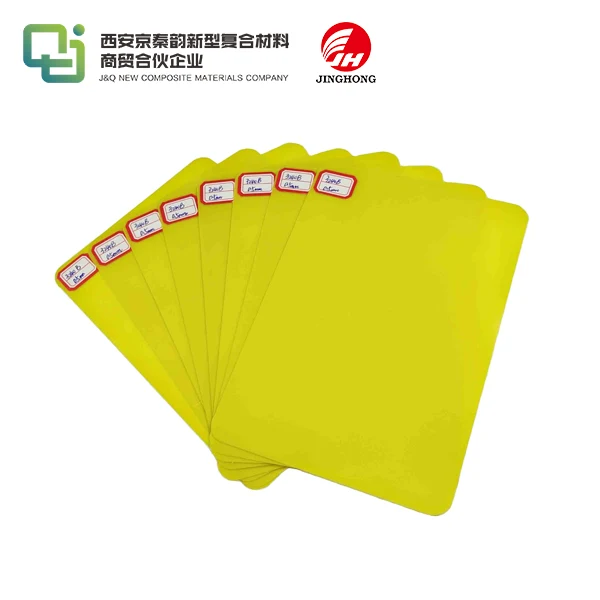
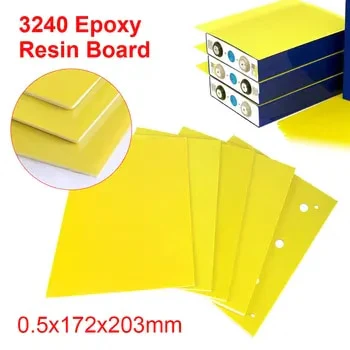
FR4 board is naturally a yellowish-green color, but makers can make it black, blue, or white by adding dyes to it. Changes in color don't affect the dielectric strength or mechanical features unless the dyes contain electrical materials like carbon black for ESD uses. Color choice is usually made for recognition or aesthetic reasons rather than for practical ones.
Partner with J&Q for Your FR4 Board Requirements
J&Q has been making insulation sheets for more than twenty years and has been trading internationally for more than ten years. Our wide range of services goes beyond just supplying materials. We also work with trade companies in both the United States and other countries and run our own transportation network, which lets us provide a truly one-stop service. This combined method makes your supply chain run more smoothly and makes sure that quality stays high throughout production.
We know that your engineering choices are based on the need for precision. Together with customers, our expert team chooses the best FR4 board grades, sizes, and working conditions for each application. Quality assurance methods make sure that every shipment meets the stated requirements. This keeps your production plans from being interrupted by problems with materials.
No matter if you need standard sheets for CNC machining or unique shapes for specific uses, our production options are open enough to meet your needs. Get in touch with us at info@jhd-material.com to talk about your needs. We give you clear scientific information, fair prices for large orders, and quick help at every step of the way during your buying process. Find out how working with a skilled FR4 board provider can help your manufacturing go more smoothly and your products last longer.
References
Coombs, C.F. (2008). Printed Circuits Handbook, 6th Edition. McGraw-Hill Professional.
Harper, C.A. (2006). Electronic Materials and Processes Handbook, 3rd Edition. McGraw-Hill.
Institute of Printed Circuits (2015). IPC-4101 Specification for Base Materials for Rigid and Multilayer Printed Boards.
Khandpur, R.S. (2005). Printed Circuit Boards: Design, Fabrication, Assembly and Testing. Tata McGraw-Hill Education.
Prasad, R. (1997). Surface Mount Technology: Principles and Practice, 2nd Edition. Chapman & Hall.
Swanson, D.G. and Hoefer, W.J.R. (2003). Microwave Circuit Modeling Using Electromagnetic Field Simulation. Artech House Publishers.
 拷贝_1755500211555.jpg)
_1753951194967.jpg)

