Bakelite vs Phenolic Board: Key Differences Explained
2026-04-24 17:07:37
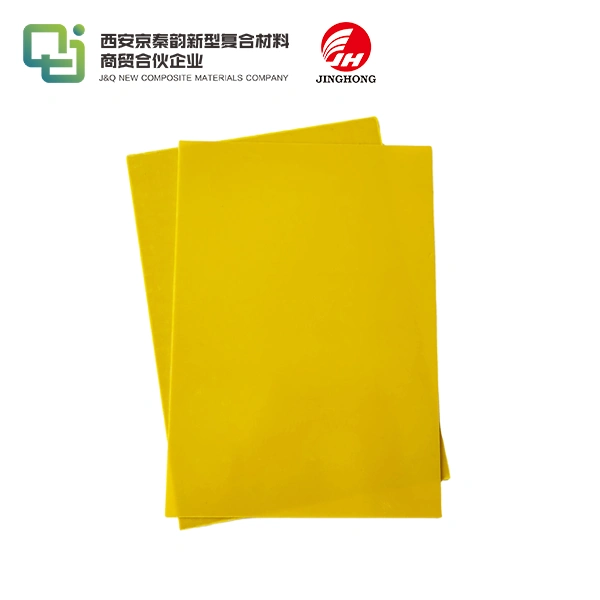
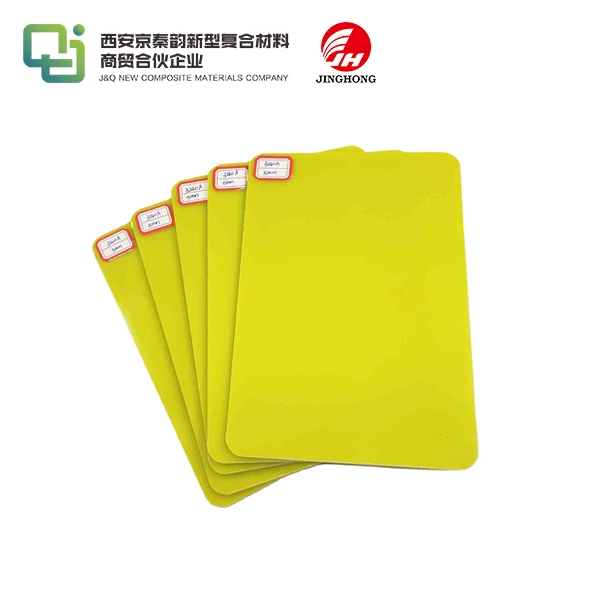
If you are looking for industrial insulation materials, it is very important to know if Bakelite board and phenolic board are two different goods or if they can be used interchangeably. The truth is easier to understand than most people think: Bakelite board is just a brand name for phenolic bonded sheets. Both terms refer to the same thing: rigid thermoset laminates. These are made by putting phenolic resin on cloth or paper and then heating and pressing them together to harden them. When chemist Leo Baekeland invented this material in 1907, it made electrical insulation completely different. It was also the first fully synthetic plastic ever made. Many years later, engineering managers and buying teams still use these phenolic laminates because they are very strong, don't melt in hot temperatures, and last a long time mechanically.
Understanding Bakelite and Phenolic Boards: General Overview
The Historical Foundation of Phenolic Laminates
The 1907 invention for phenol-formaldehyde resin by Belgian-American chemist Leo Baekeland was a turning point in the field of materials science. In contrast to earlier plastics that were made from natural materials like cellulose, this one was made entirely from industrial chemical processes. To make it, phenol from coal tar was mixed with formaldehyde under controlled heat and pressure. The finished product had unmatched heat protection, electrical insulation, and moldability that natural materials and shellac couldn't match.
Manufacturing Process and Material Structure
The steps used to make modern phenolic boards are very carefully managed. Manufacturers begin by adding liquid phenolic glue to base materials like bleached wood pulp paper or cotton cloth. After being carefully stacked, these wet layers are put through high-pressure compression at high temperatures. The heat starts a chemical process that permanently connects the molecules, turning the resin into a rigid, non-fusible thermoset matrix. In contrast to thermoplastics, which can be remelted, this structure that has hardened stays the same size even when heated.
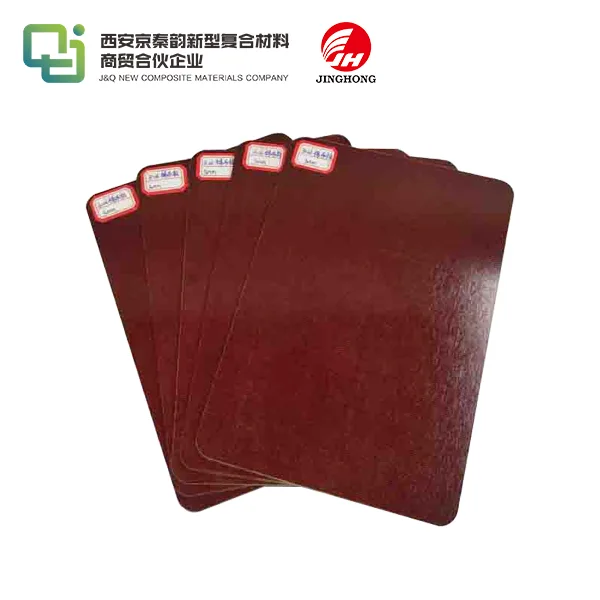
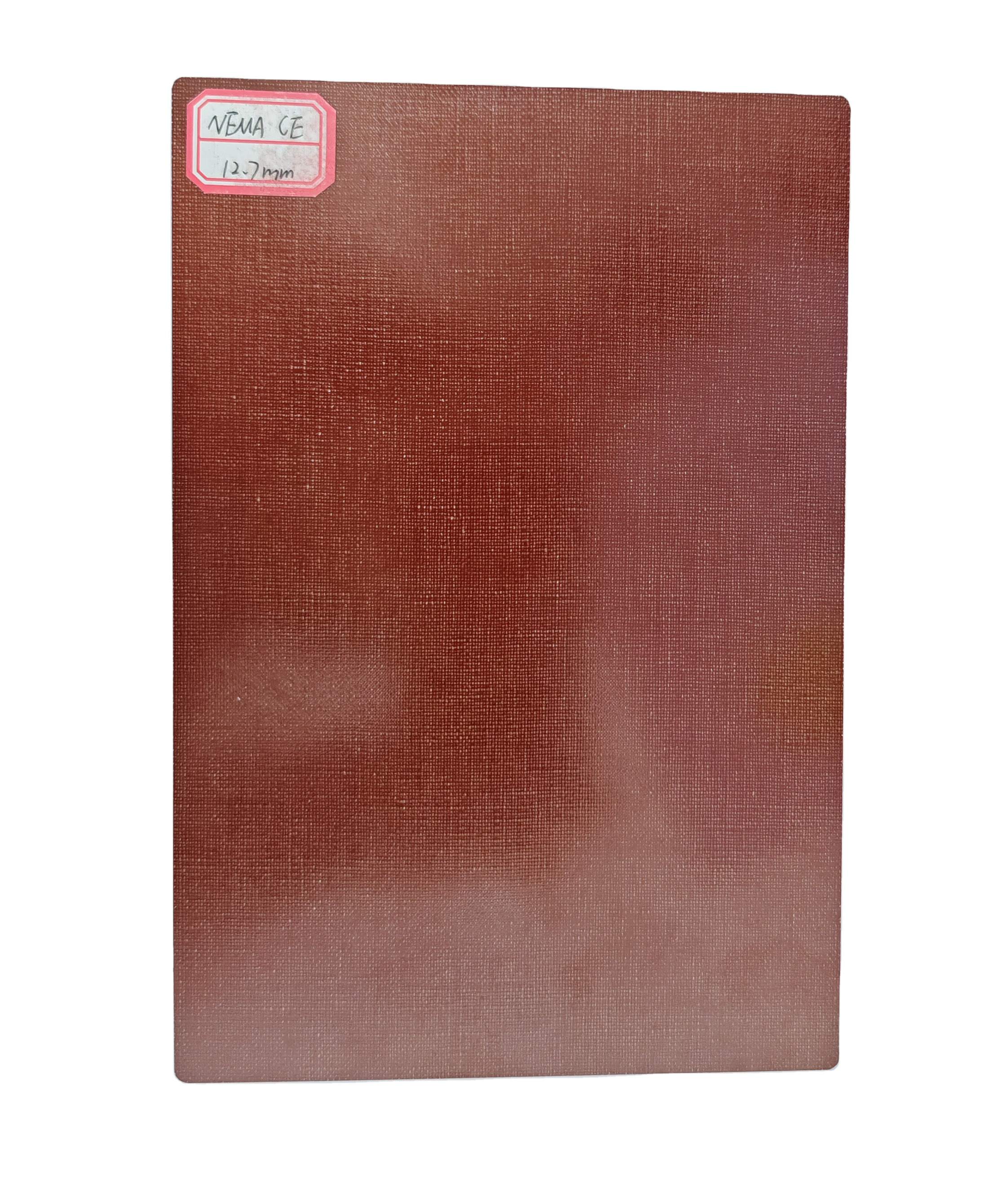
The base reinforcement material has a big effect on the end properties. It is best to use paper-based phenolic laminates for PCB drilling backup boards and electrical insulation because they offer better electrical insulation and are easy to machine. Fabric-reinforced forms of cotton, which are sometimes called phenolic cotton sheets, offer better mechanical strength and impact resistance, making them ideal for gears, wear pads, and structural parts in industrial machinery.
Core Technical Specifications
Standard phenolic laminates have great performance measures that show why they will always be useful. The specific gravity is usually around 1.45, which is a good value for the strength-to-weight ratio. Warpage stays low—usually less than 3‰—which keeps the dimensions accurate, which is important for precision engineering. The material's dielectric strength allows it to work with medium to high voltages, and its electrical properties stay fixed even when the humidity changes because it doesn't absorb water.
Tolerance for temperature goes up to constant use above 120°C, with short trips to higher temperatures for soldering or processing. The mechanical strength depends on the type of reinforcement used. Paper-based grades can usually handle flexural loads of more than 100 MPa, while cotton cloth grades can double that. Because of these rules, phenolic laminates meet the UL and ROHS standards that makers of electronics and electrical goods need.
Key Differences Between Bakelite and Phenolic Boards
Terminology and Branding Distinction
The main "difference" for Bakelite board is only in the language used. It's kind of like how "Xerox" became shorthand for photocopying: Bakelite became the first commercial brand name for phenolic resin goods. Over the years, Bakelite became so well-known that engineers and purchasing teams now use it the same way they use "phenolic board" or "phenolic laminate." When technical specs call for Bakelite board, suppliers know that this means standard phenolic laminated sheets that meet certain grade requirements.
Regional tastes affect language use as well. In North American procurement records, "phenolic board" or NEMA grade designations like XX, XXX, or CE are often used. These describe paper versus cloth reinforcement and different levels of performance. In European markets, Bakelite may still be used more often, while in Asian markets, makers usually use "phenolic laminate" or "insulation board" in their technical writing.
Composition Variations Within the Phenolic Family
Even though all phenolic boards use the same resin chemistry, the performance is very different depending on the reinforcing materials used. Paper-based phenolic laminates are great for electrical uses because they have even dielectric qualities and a smooth surface that keeps copper burrs from showing up when PCBs are drilled. These grades are about half the price of FR4 epoxy glass boards, but they offer the same level of insulation protection in many situations.
Cotton cloth-reinforced phenolic boards are stronger and last longer than other types of boards because they are made of phenolic. The cloth structure has internal reinforcements that keep it from falling apart completely when it's hit. These grades are chosen by machinery makers for silent gears, cam followers, and bearing retainers where dimensional stability and low noise are more important than dielectric strength.
Economic Considerations for Procurement Teams
One big reason people choose phenolic laminate is that it saves them money. The cost of the raw materials is a lot less than that of industrial thermoplastics like ABS or polycarbonate or epoxy glass composites. When you need strong mechanical properties and electrical insulation but not the high temperature or chemical resistance of expensive materials, phenolic boards are the best choice.
Different manufacturers have different minimum order numbers, but for standard grades and sizes, they usually start at around 50 sheets. For custom thicknesses or sizes, you may need to make more of them in order to justify making changes to the tools. Lead times are usually between two and four weeks for stock sizes and up to six weeks for special sizes. Established suppliers with combined logistics, like our business, can cut these lead times by a large amount by improving production scheduling and coordinating freight.
Practical Applications and Industry Use Cases
Figuring out how phenolic boards are used in real life makes it easier to understand how they solve specific technical problems in a wide range of fields. Because it has a special mix of qualities, the material is essential when more than one performance requirement comes together.
Electrical and Electronics Manufacturing
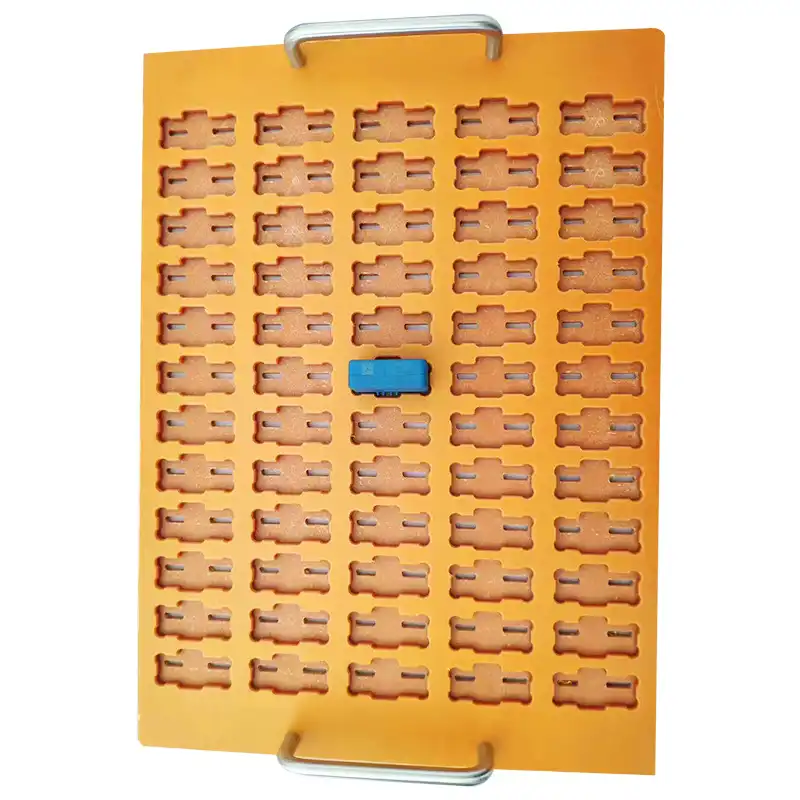
Making PCBs is probably the most difficult thing that paper-based phenolic boards are used for. When high-speed drilling is used to make through-holes in layered circuit boards, the laminate acts as both the entry material and the backup material. Its surface hardness stops the drill bit from twisting, which would make the holes not line up correctly. Its thermal conductivity gets rid of friction heat that could damage copper traces or wear out the drill bit too quickly.
Bakelite board is used to make spark barriers, phase separators, and busbar supports for switchgear and electrical panels. The material keeps its high insulation resistance even when it's wet or exposed to transformer oils. This stops dangerous current leaks that could put workers in danger or make equipment less reliable. Every year, millions of square meters of phenolic insulation are used in power distribution systems across North America.
Industrial Machinery and Equipment
When parts are going to be worn out, vibrated, or loaded mechanically, mechanical engineers choose cotton cloth phenolic boards. Metal gears make noise and need to be oiled all the time, but phenolic gears don't make noise and don't need much upkeep. The natural damping properties of the material reduce vibration, which makes nearby parts last longer and keeps workers from getting tired in industrial settings.
In high-load, low-speed situations, wear pads, thrust washers, and bearing retainers made from phenolic cotton sheets work better than many industrial plastics. The material can handle some dry running better than nylon or acetal, and its structural stability stops the creep and cold flow that happen when thermoplastics are compressed for a long time.
Automotive and Transportation Components
More and more, automakers are using phenolic laminates as battery pack insulation walls in electric cars. The material is resistant to flames and meets strict safety standards. It also keeps high-voltage cells from touching each other electrically. Machinability makes it possible to make complicated shapes with the tight tolerances that automated assembly processes need at a low cost.
Under-the-hood uses phenolic boards' ability to handle heat to make insulation pads that keep sensitive electronics from getting too hot in the engine area. Unlike organic fibre composites, phenolic laminates don't change size when they are heated and cooled, so they don't leave gaps that would make insulation less effective.
Power Generation and Distribution
Phenolic laminate sheets are used by transformer makers to insulate coils, separate layers, and keep heat out. The material's dielectric strength and thermal conductivity work together to make it safe and efficient to use while getting rid of the heat that is made when power is converted. Long-term ageing stability makes sure that the product will work reliably for decades, even in harsh settings.
These different uses show why procurement teams in many different industries rely on phenolic boards to solve hard engineering problems where no other material has the right mix of electrical, mechanical, and thermal qualities.
How to Choose Between Bakelite and Phenolic Boards for Your Business?
Aligning Material Selection with Application Requirements
Before you can choose the right phenolic grade, you need to be clear on what the most important performance factors are for your application. Paper-based grades are great for electrical insulation uses that need high dielectric strength, low surface resistivity, and low arc resistance. In mechanical uses, compressive strength, impact resistance, and wear tolerance are important. This suggests that cotton cloth reinforcement is a good choice.
The operating temperature for Bakelite board affects how long something will last. Standard grades of phenolic can withstand constant exposure to 120°C, which is enough for most home appliances and business equipment. The thermoset structure of phenolic doesn't soften or deform like thermoplastics do when there are short temperature spikes during soldering or bonding.
Evaluating Supplier Capabilities and Certifications
Working with skilled manufacturers makes sure that the materials are consistent and that the rules are followed. Look for suppliers that use ISO 9001 quality control systems and let you track all of your materials. Documentation for UL recognition and ROHS compliance should be easy to find, especially for electronic uses that need proof of approval.
When evaluating a company's manufacturing capabilities, it's important to look at their precise machining equipment, inspection protocols, and quality control sampling procedures. Suppliers who offer CNC cutting can send you finished parts instead of raw sheets, which will make your supply chain easier and lower the cost of processing inside your company.
Balancing Performance with Economic Realities
Even though phenolic boards are much cheaper than high-end materials like epoxy glass or ceramic composites, the choice to buy them must take into account both the initial cost of the materials and the total costs over their entire lifecycle. A cheaper material that needs to be replaced more often might end up costing more in the long run than a more expensive one that lasts longer in tough circumstances.
Volume purchasing agreements can save you a lot of money and make sure you always have a stock of goods. Setting up preferred supplier relationships with manufacturers and keeping enough inventory on hand can help protect against supply problems that could stop production lines.
Buying Guide: Where and How to Purchase Bakelite and Phenolic Boards?
Global Supply Network and Regional Considerations
The phenolic laminate supply chain spans major industrial regions, with significant production capacity concentrated in Asia, North America, and Europe. Depending on your procurement objectives, each region has its own unique benefits.
Because their supply lines are more integrated and their production is bigger, Asian manufacturers of Bakelite board can usually offer the best prices. Many of them have the same ISO and UL certifications as Western companies, which makes them good sources for uses that need to save money. Time zones make it hard to communicate and keep track of wait times.
Customers who need responsive supply chain partners often find that North American suppliers are great at technical help, rapid prototyping, and just-in-time delivery. Premium pricing shows higher labour costs, but it may be worth it if it means lower inventory carrying costs and fewer risks of running out of stock.
Ordering Processes and Lead Time Management
Most well-known suppliers offer more than one way to place an order. For big accounts, they have direct sales teams; for smaller amounts, they have distributor networks; and more and more, for standard sizes and grades, they have online platforms. Custom specifications usually need to be talked over directly with the maker to go over technical requirements, minimum quantities, and tooling issues.
Standard lead times for stock dimensions are two to four weeks, but during supply chain disruptions, faster production may be possible for an extra fee. Keeping a safety stock of important materials on hand can help you deal with sudden increases in demand or delays from suppliers.
Quality Assurance and Compliance Verification
Demanding material certifications and test reports guards against substandard materials that could compromise product safety or performance. Reputable suppliers provide mill test reports showing electrical, mechanical, and thermal properties for each output lot.
Verification testing by a third party through separate labs adds another level of assurance for mission-critical apps. Setting clear quality standards with acceptance criteria in buy orders, like minimum dielectric strength or maximum warpage tolerance, lets you know what to do if materials don't meet your needs.
Conclusion
Thermoset laminates made of phenolic resin and paper or fabric support are what Bakelite board and phenolic boards are made of. By understanding this basic equivalence, you can avoid confusion in the buying process and choose materials based on technical needs instead of naming conventions. Paper-based types offer better electrical insulation and lower costs, while cotton cloth reinforcement gives stronger mechanical performance for tough uses. Both types are resistant to heat, stable in size, and easy to machine, which makes them useful in a wide range of industries since they were first made in 1907 and are still useful today in modern manufacturing settings. To do good procurement, you need to make sure that the properties of the materials you're buying match the needs of the application, work with approved suppliers who keep up with quality systems, and balance performance requirements with the cost of ownership to get the best overall value.
FAQ
After they are used, can phenolic boards be recycled?
Because their molecules are forever linked together, phenolic boards can't be recycled in the same way that thermoplastics can. Under normal conditions, the material won't melt or break down chemically once it's been fixed. Some companies grind up production waste to use as filler in lower-grade composites, but this still doesn't happen very often. Getting rid of things that are no longer useful usually means putting them in a dump or burning them in a controlled way with the right emission controls to handle the phenolic breakdown products. Concerns about the environment are partly eased by the fact that the material is very durable—a single phenolic component often lasts longer than several new parts made from less durable materials.
Can paper-based and cotton cloth phenolic boards be used instead of each other?
Even though both use phenolic resins, the performance profiles of paper and cotton supports are different, making them hard to switch out. Paper-based grades are better at blocking electricity, have smoother surfaces for precise machining, and are less expensive. They are perfect for PCB uses and electrical panels. Some dielectric properties of cotton cloth types are given up in exchange for much higher mechanical strength, impact resistance, and wear tolerance, which are needed in gears and structural parts. If you use one instead of the other, you might lose speed or have to pay more than you need to.
What kind of thickness limits should you expect from a good supplier?
Standard phenolic sheets usually keep thickness tolerances of ±0.2mm for sheets less than 10mm thick. These tolerances get bigger to ±0.5mm for thicker materials. For uses that need precise control over dimensions, high-end makers that offer precision-ground sheets can make tolerances as small as ±0.1mm. Tolerances should be made clear in the procurement specs, since tighter control can make production more expensive and cause lead times to grow.
Partner With J&Q for Reliable Bakelite Board Supply
J&Q has been making phenolic laminates and electrical insulation materials for demanding B2B users around the world for more than 20 years. Our integrated production facilities and dedicated logistics company provide a real one-stop service, from choosing the materials to delivering them. As a well-known company that makes Bakelite board, we have strict quality control systems that make sure every sheet meets the UL and ROHS standards that the electrical, automobile, and industrial machinery industries need.
Our technical team works closely with engineering managers and procurement specialists to get the best material grades for your purpose while staying within your budget. Our service is different from commodity suppliers because we offer competitive bulk prices, flexible minimum order quantities, and shorter wait times by planning production efficiently. Get in touch with our team at info@jhd-material.comto talk about your phenolic laminate needs and get thorough technical specifications, material certifications, and competitive quotes that are made to fit your project.
References
Baekeland, L.H. (1909). "The Synthesis, Constitution, and Uses of Bakelite." Journal of Industrial and Engineering Chemistry, 1(3), 149-161.
Harper, C.A. (2006). Handbook of Plastics, Elastomers, and Composites (4th ed.). New York: McGraw-Hill Professional.
Biron, M. (2013). Thermoplastics and Thermosets (2nd ed.). Oxford: William Andrew Publishing.
National Electrical Manufacturers Association (2017). NEMA LI 1-1998: Industrial Laminated Thermosetting Products. Rosslyn, VA: NEMA Standards Publication.
Mazumdar, S.K. (2002). Composites Manufacturing: Materials, Product, and Process Engineering. Boca Raton: CRC Press.
Goodman, S.H. & Dodiuk, H. (2014). Handbook of Thermoset Plastics (3rd ed.). Waltham: William Andrew Publishing.