
Vulcanized Fibre Sheet vs Phenolic Cotton Cloth Laminated Sheet
2026-04-24 17:07:35
Vulcanised fibre sheets and phenolic cotton cloth laminated sheets are usually the only two strong options when choosing insulation materials for commercial use. While both provide solid electrical insulation, the phenolic cotton cloth laminated sheet is the better choice because it is stronger, can handle temperatures up to 120°C better, and lasts longer even in tough working conditions. This thorough comparison makes it clear which materials meet your unique buying needs, which helps technical teams and engineering managers make smart choices.
Understanding Vulcanized Fibre Sheets and Phenolic Cotton Cloth Laminated Sheets
What Defines Vulcanized Fibre Material?
Vulcanised fibre is an insulating material made from cellulose that is made through a special chemical process. When cotton or wood pulp is submerged in a zinc chloride solution, the cellulose structure changes into a thick, stretchy sheet. This way of making things makes a biodegradable insulation material that isn't too dielectric and can be used in lighter electrical uses. The material can be machined easily and has a good tensile strength, so it can be used for seals, washers, and low-voltage electrical parts.
Composition and Manufacturing of Phenolic Cotton Laminated Material
Textolite is what technical people call phenolic cotton cloth layered sheet. It is made up of several layers of cotton fabric that have been saturated with thermosetting phenol-formaldehyde resin. The controlled temperature and pressure of hot pressing join these layers together, making a hybrid structure with amazing mechanical strength. This man-made material combines the natural strength of cotton fibres with the chemical and thermal resistance of phenolic resin. The result is an industrial part that can be used for both structural and electrical shielding.
Technical Specifications That Matter for Procurement
Knowing the technical factors helps the people who buy things match the materials to the needs of the application. Phenolic cotton laminated sheets can work steadily in temperatures ranging from -65°C to +105°C, and some grades can even work reliably up to 120°C. The dimensions of these sheets stay the same even when the humidity changes, and the dielectric strength stays the same at 50 Hz. The thickness ranges that are usually available are between 0.5 mm and 100 mm, so they can meet a wide range of technical needs. The material's compression strength is much higher than that of regular vulcanised fibre, especially when mechanical loads are applied for a long time.

Comparing Performance: Vulcanized Fibre vs Phenolic Cotton Cloth Laminated Sheet
Mechanical Strength and Durability Analysis
When these materials are put through stress tests, the differences in how well they hold together become clear. Comparing phenolic cotton cloth laminated sheets to vulcanised fibre options, they show better compression strength and impact resistance. The laminated construction spreads mechanical loads across several strengthened layers. This keeps the structure from delaminating and keeps it strong even after being exposed to vibrations for a long time. This toughness is very important for machine parts like bushings, cams, and bearing supports that have to deal with repeated mechanical pressures. While vulcanised fibre works well for static uses, it tends to permanently compress under sustained pressure, which makes it less useful for high-load settings.
Electrical Insulation Capabilities
The electrical performance of these materials makes them different in a variety of operating situations. Both materials have enough dielectric strength for most shielding needs, but phenolic cotton sheets keep their electrical properties more consistently over a wider temperature range. The thermosetting resin core doesn't break down when heated, so the insulation works well even when the temperature changes. While vulcanised fibre is sensitive to absorbing water, it can lose its electrical strength in damp places. Manufacturers of power distribution equipment and transformers like phenolic laminates because they have stable electrical properties that make them good for insulating coils and blocking arcs.
Chemical and Environmental Resistance
In industrial settings, the stability of materials is greatly affected by how long they last in harsh environments. Transformer oils, lubricants, and common industrial cleaners can't damage phenolic cotton laminated sheets, so they stay the same size for as long as they're used. This chemical resistance includes mild acids and bases, which means it can be used in more chemical processing plants. The material doesn't absorb much water, so it doesn't swell or warp. This keeps the clearances in precision assemblies constant. Since vulcanised fibre is made of cellulose, it doesn't hold up well to long-term chemical exposure and easily absorbs water, which could cause changes in size that threaten the stability of the assembly.
Real-World Application Examples
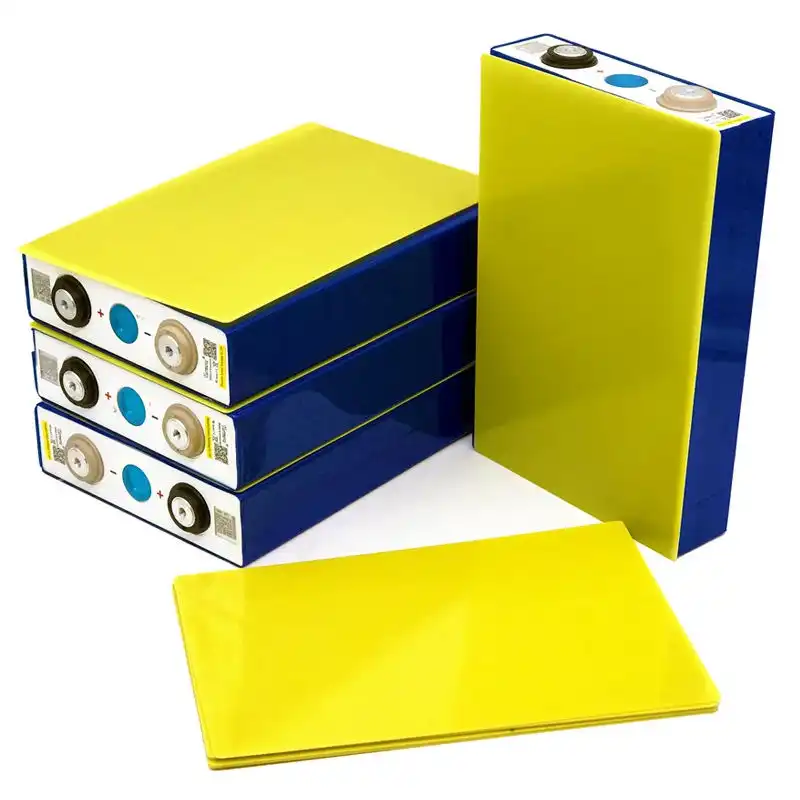
Different businesses use these properties of the material in smart ways. Manufacturers of automotive battery packs are using phenolic cotton sheets more and more as heat barriers between cells, because they are resistant to fire and strong mechanically. These laminates are used by people who make electrical panels to support bus bars and separate phases in high-voltage switchgear. If they fail, the effects are very bad. OEMs of industrial machinery cut phenolic sheets into precise gears and wear plates that last longer than other materials in rough conditions. Due to its flexibility and ease of manufacturing, vulcanised fibre is well suited for low-stress parts like card guides, identification tags, and protective covers.
How to Choose Between Vulcanized Fibre Sheets and Phenolic Cotton Cloth Laminated Sheets?
Matching Material Properties to Application Requirements
A thorough study of the application is the first step in choosing the right material like phenolic cotton cloth laminated sheet. When parts are exposed to oils, heavy mechanical loads, or high temperatures, phenolic cotton layered construction works better. Because it absorbs vibrations and has a low friction coefficient, the material is perfect for dynamic uses with moving parts. Vulcanised fibre may be enough and cheaper for applications that only need basic electrical separation at room temperature. When comparing choices, engineering teams should look at the whole working environment, such as extreme temperatures, chemical exposure, mechanical stresses, and the length of time the product needs to last.
Evaluating Supplier Credentials and Quality Systems
The choice of supplier has just as much of an effect on the uniformity of the material as the choice of material itself. Manufacturers of phenolic laminates with a good reputation have strict quality control measures in place, such as checking each batch for dielectric strength, flexural strength, and dimensional tolerances. Certification to foreign standards shows that you are committed to using consistent methods when making things. Suppliers that have been around for a while give out thorough material data sheets that list the mechanical properties, thermal characteristics, and compliance with rules like UL and ROHS. Long-term supply partnerships allow for customisation, which makes sure that materials can adapt to changing application needs without affecting the dependability of delivery.
Cost Considerations and Total Ownership Analysis
Material price includes more than just the cost per kilogram; it also includes the total cost of ownership. When first bought, phenolic cotton laminated sheets usually cost more than vulcanised fibre sheets because they are made in a more complex way and work better. Total cost analysis, on the other hand, shows benefits when you look at things like longer service life, less upkeep, and higher safety margins. In challenging situations, parts made from phenolic laminates often last a lot longer, which lowers the number of replacements needed and the costs of downtime. Instead of just looking at the buy price, procurement managers who have to balance tight budgets with performance needs should figure out the lifecycle costs.
Advantages of Phenolic Cotton Cloth Laminated Sheets Over Vulcanized Fibre
Superior Fire Safety and Thermal Performance
For safety-critical uses, you need materials that will behave reliably when heated. Phenolic cotton cloth laminated sheets naturally don't spread fires when they come into contact with sources of ignition. Instead, they burn and char. This fire-resistant quality is very important in places like electrical enclosures, motor systems, and transportation where a single component failure could cause a chain reaction of safety problems. The material stays mechanically sound at high temperatures of up to 120°C when it is used continuously, keeping its shape and electrical insulation qualities. Vulcanised fibre starts to break down at much lower temperatures, which makes it less useful in places with strict temperature requirements.
Enhanced Chemical Stability for Harsh Environments
Parts are often exposed to harsh chemicals in industrial settings that break down cheap materials. Petroleum products, hydraulic fluids, and industrial cleaning agents that are common in factories can't get through the phenolic resin structure because it acts as a barrier. Because the material is chemically stable, there are no worries about it swelling, softening, or dissolving, which could affect the limits of the assembly. Components keep their machined sizes over long periods of time, which makes sure that clearances in precision systems are always accurate. The material works well when submerged in transformer oil, which makes it the best choice for electrical distribution equipment that needs to be reliable for a long time without any upkeep.
Manufacturing Quality and Consistency
Today, automated methods are used to make phenolic laminates that are very consistent from batch to batch. Constant quality checks, exact curing cycles, and controlled resin impregnation make sure that the properties of the material are the same throughout production runs. This way of making things lets CNC machines work with very tight tolerances without having to worry about internal gaps, delamination, or changes in hardness. This consistency is especially useful for procurement teams that are looking for materials for automatic assembly operations because it gets rid of the need to sort the materials and lowers the rate of machining scrap. The predictable mechanical properties make engineering calculations easier during the creation of parts, which helps make sure that products are made correctly the first time.
Long-Term Value Proposition
The longer life that phenolic cotton coated sheets offer directly translates to lower total costs of ownership. Components don't wear out, keep their electrical properties, and can handle environmental stresses that would make it necessary to change less durable materials often. Getting maintenance done less often saves money on labour and keeps production from stopping when a part fails. Following strict safety rules gets rid of any worries about liability, which protects both operations and the company's image. Engineers like how these materials allow for a lot of design freedom, which helps them come up with new ways to meet the tough insulation and structure needs of many different industries.
Conclusion
When choosing between vulcanised fibre and phenolic cotton cloth laminated sheets, you need to carefully consider the needs of the application and the capabilities of the material. Phenolic laminates are great for harsh industrial settings because they are strong, stable at high temperatures, resistant to chemicals, and insulating against electricity. Their better performance makes up for their higher starting costs by giving you more years of use and fewer maintenance needs. It is still good to use vulcanised fibre for lighter-duty tasks where its flexibility and low cost make it a good choice. Partnering with experienced suppliers who understand material science and application engineering is key to successful procurement. It's also important to make sure that specs match operational realities and regulatory requirements.
FAQ
What different thicknesses of phenolic cotton cloth laminated sheets are there?
Phenolic cotton laminated sheets come in a range of thicknesses, from 0.5 mm to 100 mm, so they can meet a wide range of industrial needs. Standard stock widths are 1 mm, 2 mm, 3 mm, 5 mm, 10 mm, and smaller sizes that can be used for different types of machining. For big orders, custom thickness specifications can be made, but the lead times are longer than for standard dimensions. Tighter tolerances may affect price and supply, so procurement teams should set thickness tolerances based on what the application needs.
How do phenolic laminates stack up against FR4 and fibreglass?
When it comes to machinability and impact strength, phenolic cotton cloth laminated sheets are better than FR4 epoxy fibreglass laminates. However, FR4 can handle higher temperatures (up to 140°C continuous operation). Phenolic materials are better at damping vibrations, which makes them better for mechanical uses that have cyclic stresses. FR4 is the standard for printed circuit board substrates because it has better electrical qualities at higher frequencies. Which material to use relies on whether the application needs high mechanical resilience or high electrical performance.
What factors affect buying in bulk and making changes?
When you buy in bulk, you usually have to place a minimum order quantity based on the sheet's measurements and thickness. Custom sheet sizes that need special production runs take longer to ship than standard sheet sizes. Lead times vary from right away for common standards to several weeks for custom orders during busy production times. Building ties with suppliers gives you access to technical help for choosing materials, getting help with assembly, and keeping quality records. When procurement managers commit to buying in bulk, they can often get better prices and more flexible schedules for production, which helps them plan for long-term material needs.
Partner with J&Q for Your Phenolic Cotton Cloth Laminated Sheet Requirements
J&Q has been making electrical insulation materials for more than twenty years and has also been dealing internationally for ten years, helping procurement teams around the world. As a reliable provider of phenolic cotton cloth laminated sheets, we keep strict quality control systems in place to make sure that the material properties stay the same and that shipping goes smoothly. Our integrated logistics services make shipping easier, cut down on wait times, and make managing the supply chain simpler. You can email our technical sales team at info@jhd-material.com to talk about your specific application needs, get samples of the material, or get detailed quotes for bulk orders at reasonable prices.
References
National Electrical Manufacturers Association (NEMA). "Industrial Laminated Thermosetting Products Standards." NEMA LI 1-2019, Arlington, VA, 2019.
Harper, Charles A. "Handbook of Plastics, Elastomers, and Composites." Fourth Edition, McGraw-Hill Professional, New York, 2002.
Tanaka, Toshikatsu. "Dielectric Materials for Electrical Insulation." IEEE Transactions on Dielectrics and Electrical Insulation, Vol. 23, No. 4, August 2016.
Campbell, F.C. "Structural Composite Materials." ASM International, Materials Park, Ohio, 2010.
Underwriters Laboratories. "Polymeric Materials - Industrial Laminates, Filament Wound Tubing, and Fabricated Parts." UL 746C Standard for Safety, Northbrook, Illinois, 2018.
American Society for Testing and Materials. "Standard Specification for Laminated Thermosetting Materials." ASTM D709-18, West Conshohocken, Pennsylvania, 2018.
_1754967691873.webp)
