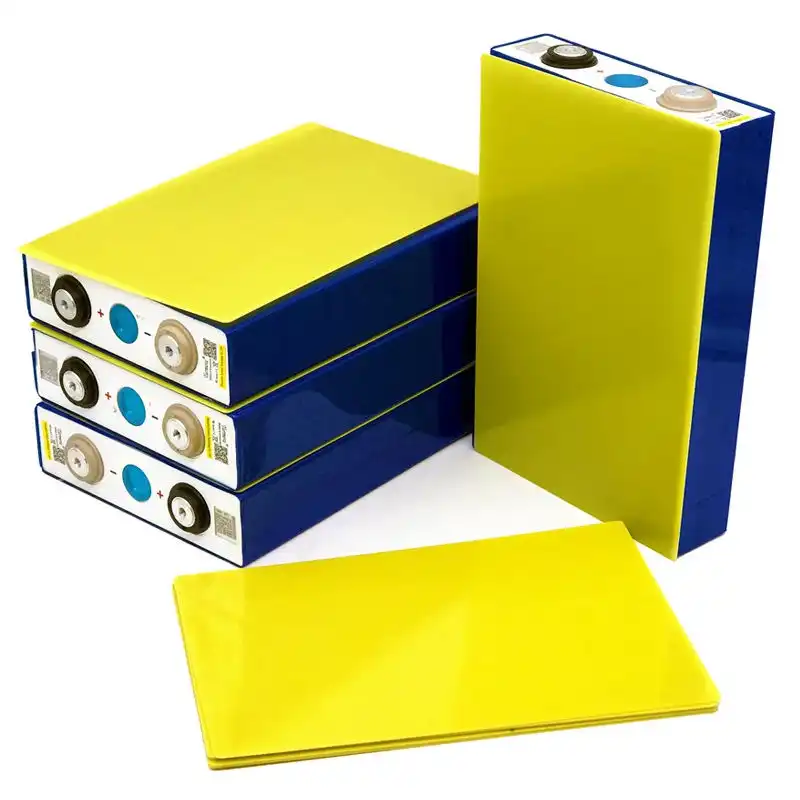
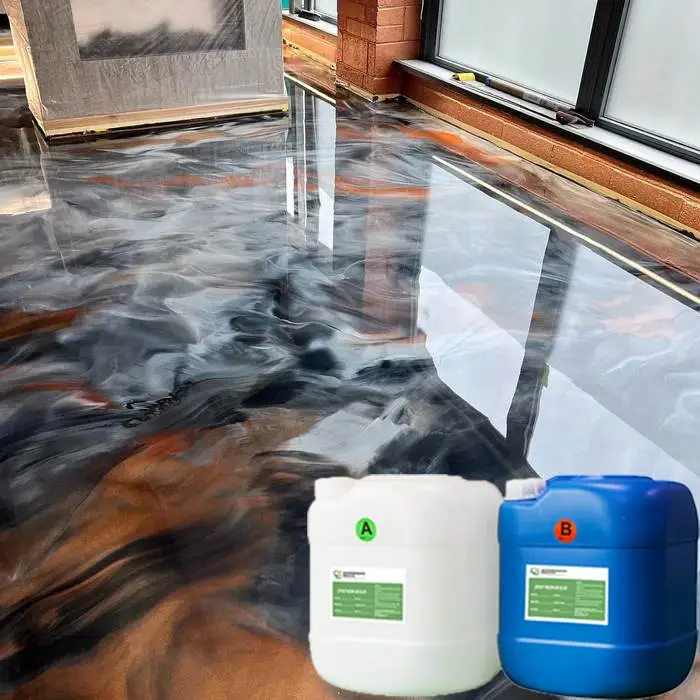
Best Epoxy Laminates for Your Project: FR4, G10, G11, or 3240?
2026-04-09 16:58:11
Picking the correct insulation material can make the difference between your electrical system working perfectly and breaking down too soon. Engineering managers and buying teams need to know the basic differences between FR4, G10, G11, and 3240 types in order to choose epoxy laminates. FR4 is perfect for PCB boards and switchgear uses because it has good electrical and mechanical properties and doesn't catch fire. G10 is great for mechanical uses that need to be resistant to water, and G11 can handle temperatures up to 180°C. The 3240 version can handle higher temperatures (up to 155°C) better and is easier to machine for motor and generator parts.
Understanding Epoxy Laminates: Properties and Manufacturing
Core Material Composition and Structure
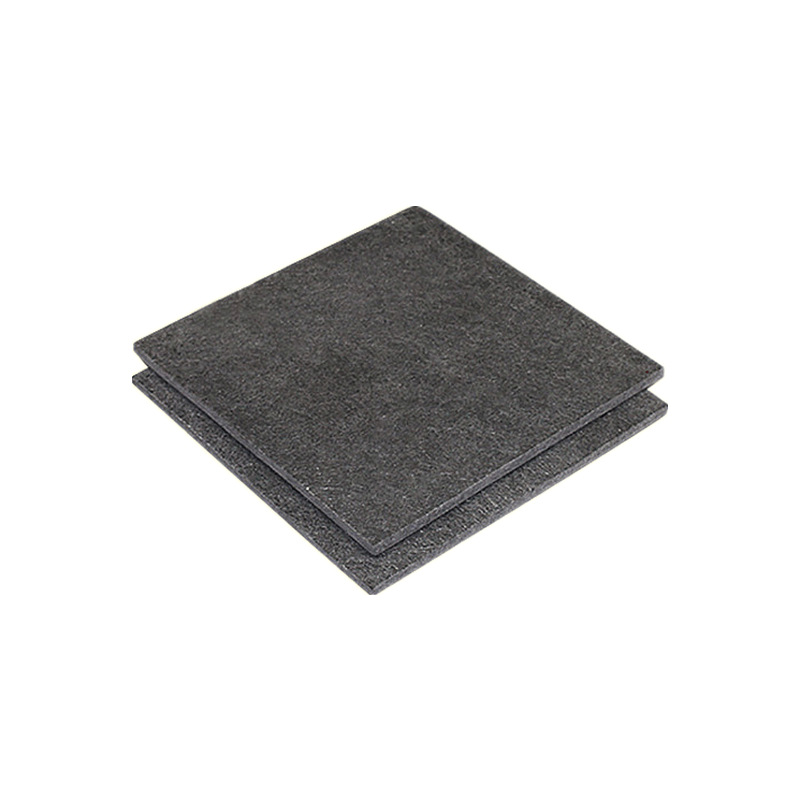
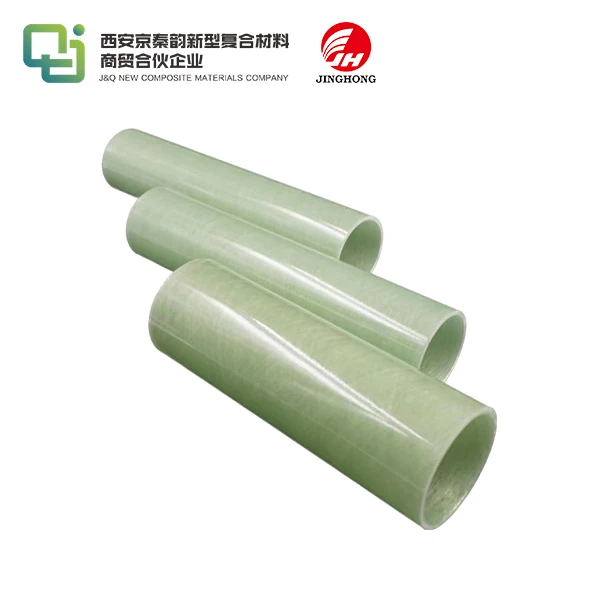
Epoxy laminates are made up of several layers of woven fiberglass cloth that is fully soaked with epoxy resin systems. The layers of cloth are stacked, soaked in liquid resin, and sealed with controlled heat and pressure during production. This method makes a stiff hybrid whose strength changes depending on the direction of the fibers. Electrical protection and chemical resistance come from the resin matrix, and tensile strength and dimensional stability come from the glass strands. Alkali-free glass strands keep ions from getting into the material, so the dielectric qualities stay the same in damp places.
Critical Performance Properties
By knowing about some important technical factors, you can better match laminate types to the needs of your product. At 1 MHz, the dielectric constant is usually between 4.2 and 5.4, which changes how signals travel in high-frequency circuitry. The glass transition temperature (Tg) is the temperature at which a material changes from being stiff to being flexible. Values for Tg range from 130°C to 170°C, based on the type of plastic used. Voltage withstand power is found by measuring the dielectric strength, which is usually more than 20 kV/mm. Flexural strength values between 340 and 450 MPa show how much weight the material can hold in structural uses.
Manufacturing Standards and Certifications
For global procurement to work, set industry norms must be followed. The BS EN 60893 standard divides epoxy laminates into groups based on the types of materials they are made of and their performance levels. For example, EPGC201 describes glass cloth epoxy types. The UL 94V-0 flame rating approval proves that the material can put out a fire on its own within 10 seconds, which is important for electrical enclosures and PCB uses. RoHS compliance makes sure that materials don't contain dangerous chemicals like lead and brominated flame retardants that aren't allowed. The IPC-4101 standards set the requirements for laminate characteristics on printed circuit board surfaces. These include the peel strength, the coefficient of thermal expansion, and the ability to absorb moisture.
Manufacturing Process and Quality Control
To make something, the glue has to be carefully mixed with hardeners, additives, and epoxy oligomers to get the right qualities. Before going into resin impregnation equipment, fiberglass cloth is cleaned and dried. This equipment controls the viscosity and covering thickness. In hot hydraulic presses, multiple prepreg layers are stacked in a certain way and put between polished steel plates. For 60 to 90 minutes, curing processes usually keep temperatures between 150 and 180°C and pressures between 7 and 14 MPa. Post-cure heat processes reduce pressures inside the material and make the mechanical features better. Quality control tests check how regular the thickness, resin content, void fraction, and electrical qualities are from one production batch to the next.
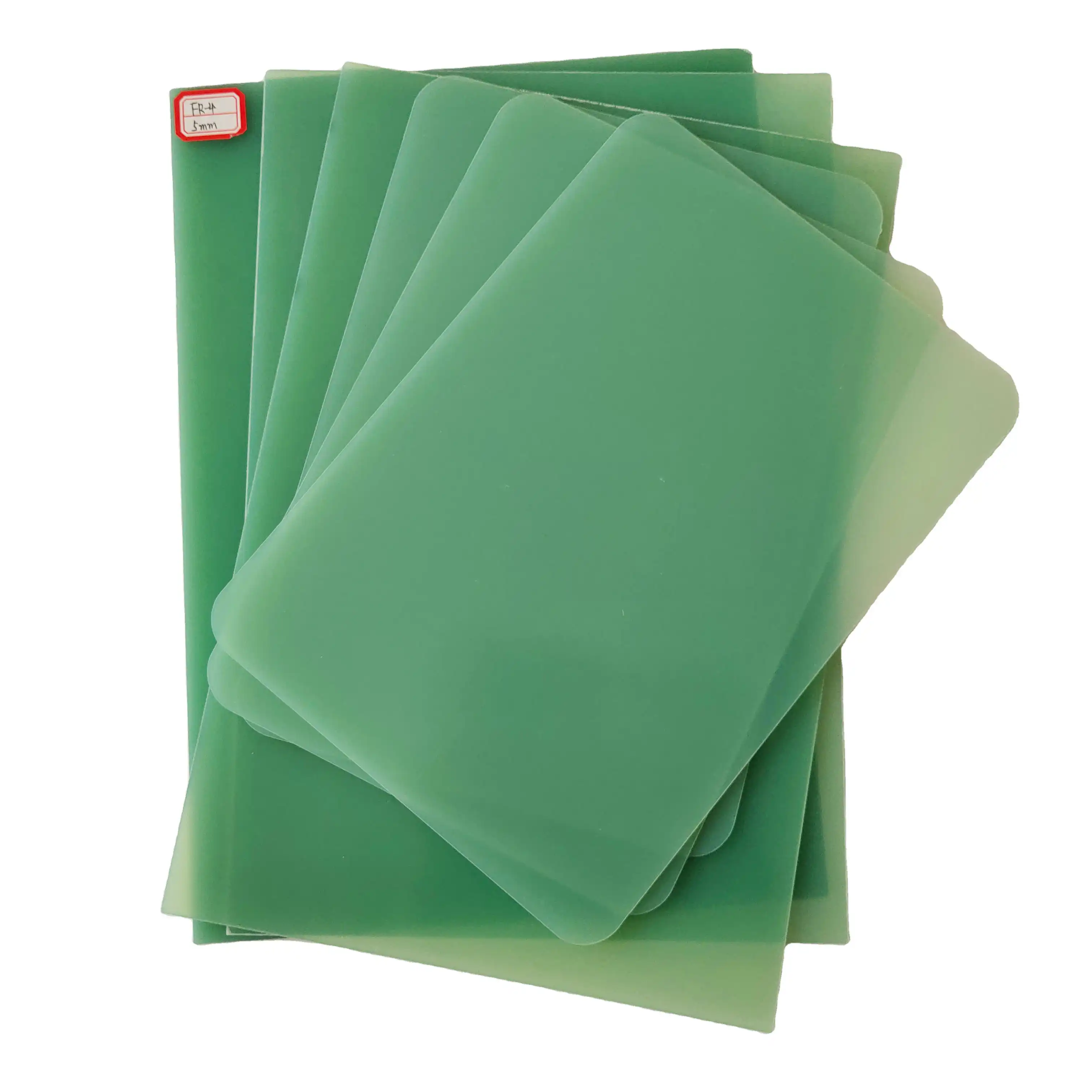
Detailed Comparison of FR4, G10, G11, and 3240 Laminates
FR4: The Industry Standard Workhorse
The most common grade of epoxy laminates is FR4, which has halogen-based flame retardant chemicals and a good mix of electrical insulation and mechanical strength. The name comes from NEMA standards, where "FR" means flame-resistant qualities that meet UL 94V-0 standards. This grade's electrical features stay steady at temperatures ranging from -50°C to 130°C, and it can work continuously at 120°C. Water absorption stays below 0.15% after 24 hours of soaking, so the dielectric function stays the same in damp places. Standard carbide tools can be used to neatly cut the material, which lets complicated geometries be made with great accuracy. Because it is cheap and easy to find all over the world, FR4 is the standard choice for PCB boards, electrical switchgear, and general shielding.
G10: Mechanical Strength Without Flame Retardants
G10 epoxy laminates are made of the same fiberglass-epoxy mix as FR4, but they don't contain any brominated flame retardants. This means that they have better mechanical qualities and keep their natural color. The bending strength of this grade is better than that of FR4, usually between 410 and 450 MPa. Not having any flame retardant substances makes the shape more stable and less likely to absorb water, which is good for precision mechanical parts. Temperature resistance goes up to 130°C for constant use and up to 180°C for short periods of time. G10 is used a lot in marine uses, aircraft fixtures, and industry machines where mechanical loads are higher than electrical needs. The natural amber clarity of the material lets you see through to the internal laminations.
G11: Enhanced Temperature Performance
G11 improves G10's abilities by changing the chemistry of the resin in a way that raises the glass transition temperature to around 170°C. This lets it work continuously at 180°C. This temperature increase is very important for uses that will be exposed to heat for a long time, like generator coil insulation and motor slot wedges. When heat and electrical stress are applied to the material together, it keeps its mechanical integrity and doesn't bend or creep at high temperatures. When compared to standard G10 grades, these grades' electrical qualities stay stable over a bigger range of temperatures. Even though G11 costs more than G10, the extra money is worth it when thermal cycling or long-term high-temperature running is part of the plan.
3240 Laminate: Precision Machining and Thermal Performance
The 3240 epoxy glass laminate is made of a modified resin system that has been fine-tuned for great cutting properties and heat stability. For 1-3 mm nominal thickness, this grade keeps thickness errors tight across big sheets, usually within ±0.05 mm. It can withstand temperatures up to F-class (155°C continuously), which means it can be used for motor insulation parts and generator structure parts. During CNC processes, the material doesn't wear down the tools very much, so the edges are clean and don't split or delaminate. Chemical resistance to generator oils, coolants, and cleaning agents is better than what is expected from FR4. When heat and moisture are added together, they don't change the electrical properties, so they meet the needs for coil insulation and arc barriers in power distribution equipment.
Temperature Ratings and Thermal Stability Comparison
Temperature power has a direct effect on the choice of material for uses that need to withstand high temperatures. FR4 works all the time at 120°C and can go up to 130°C for short periods of time without losing its properties. G10 is the same as this baseline and has irregular capability up to 180°C, making it good for uses that have regular temperature spikes. G11 raises the constant working temperature to 180°C, which lets it work in hot places for long periods of time. The 3240 grade has an F-class rating at 155°C constant, which is a good balance between cost-effectiveness and heat performance. Glass transition temperature (Tg) tests show how a material reacts to heat stress. For example, FR4 is at 130°C, G10 is at 140°C, G11 is at 170°C, and 3240 versions are at 145–155°C, based on the resin formulation.
Electrical Insulation and Dielectric Properties
How well epoxy laminates work electrically determines whether they can be used in high-voltage situations and meet data security standards. All four grades have a dielectric breakdown strength greater than 20 kV/mm perpendicular to the laminations, which is strong enough for most industry voltages. At 1 MHz, the FR4 dielectric constant is between 4.4 and 4.8, and the dissipation factor is less than 0.02. This means that it can be used on circuit boards that work below 1 GHz. G10 and G11 have similar insulating properties, but G11 is more stable over time because it absorbs less water. The 3240 grade keeps its electrical properties the same across a wide range of temperatures, which keeps motor and transformer systems from losing function. When properly dried and kept, all grades have surface resistance values that are higher than 10^12 ohms. This means that the insulation will work well in clean areas.
How to Choose the Best Epoxy Laminate for Your Application?
Defining Technical Requirements by Industry Sector
Electrical and electronics companies choose materials for PCB support structures, switchgear insulation, and motor parts based on their dielectric strength, flame resistance, and ability to be machined on a CNC machine. These uses usually involve voltages between 400V and 35kV, so they need materials that have been shown to be resistant to electrical breakdown and tracking. FR4 is good for most PCB uses, and 3240 grade is good for motor parts that need to be precisely machined and have stable dimensions. For gears, spacers, and structural insulation parts, industrial machinery builders look at how strong they are, how well they fight wear, and how much weight they can hold. For these uses, G10 gives the best mechanical performance, while G11 is used when the system is exposed to high temperatures during operation.
For transformer insulation, arc shields, and coil separation parts used in the power industry, materials must meet strict standards for resistance to heat and flame. Oil-filled transformers need the 3240 epoxy laminates because it is stable at high temperatures and doesn't react with chemicals. G11 is better for dry-type transformers that need to work at higher temperatures all the time. For insulation pads, battery barriers, and heat-resistant fixings, makers of automotive parts need materials that can be precisely machined, have stable batch quality, and can be customized. FR4 meets the cost and performance goals for insulating battery packs in electric vehicles, where flame resistance and consistent size are very important.
Selection Criteria: Balancing Performance and Cost
When choosing materials, you have to think about a lot of things that affect both the initial cost of buying them and their long-term costs of use. Performance requirements set the standard and say what the lowest numbers for dielectric strength, flexural strength, temperature rating, and chemical protection should be. Some certifications, like UL recognition, RoHS compliance, and industry-specific standards like IPC-4101 for PCB materials or IEC 60641 for transformer boards, make it harder to choose. Supplier capability reviews look at things like how consistently the products are made, whether they have ISO 9001 quality system certifications, and what expert support resources are available during the planning and production stages.
One part of cost analysis that isn't just the unit price is machining efficiency, scrap rates, and insurance costs that are based on reliability. In most cases, FR4 has the lowest acquisition cost, which makes it a good choice for high-volume output where efficiency needs are met. G10 has modest premiums that are supported by its better mechanical qualities and easier machining. G11 pricing is based on the fact that it uses special resin formulas that work well at high temperatures for purposes that need to handle a lot of heat. The 3240 grade is in the middle, offering good temperature performance and a reasonable price for motor and generator uses.
Practical Procurement Considerations
To handle lead times, you need to know how suppliers plan their production and keep track of their stock. Standard thickness grades and popular sheet sizes usually ship within one to two weeks. Custom thicknesses or special resin recipes, on the other hand, may take four to eight weeks to schedule production and cure. Minimum order numbers depend on the provider and the grade of the material. Standard goods come in smaller quantities than specialty formulations. When buyers commit to buying in bulk, they can often get better prices, but they have to weigh the costs of keeping goods against price drops per unit.
Customization skills set sellers apart in markets with lots of competition. When they are used with the needs of later manufacturing, sheet size choices, thickness tolerances, surface finish specifications, and edge preparation services all add value. Precision cutting, CNC grinding, and assembly services from suppliers can make the supply chain simpler and improve the quality of the parts that are supplied. Technical support tools, such as help choosing materials, suggestions for processing, and the ability to look at failures, are useful for both developing products and fixing problems in production.
Conclusion
Selecting the optimal epoxy laminates grade requires balancing technical performance, certification requirements, and cost considerations against specific application demands. FR4 serves as the versatile standard for electronics and general electrical insulation where flame retardancy and balanced properties meet requirements. G10 delivers enhanced mechanical performance for structural applications, while G11 extends temperature capability for thermally demanding environments. The 3240 grade provides exceptional machinability and thermal stability for motor and transformer components.
Successful procurement strategies emphasize supplier evaluation, quality verification, and supply chain reliability alongside material specifications. Working with experienced manufacturers offering comprehensive technical support, flexible customization, and proven delivery performance reduces project risk and accelerates time to market. Material selection decisions made during design phases impact manufacturing efficiency, product reliability, and long-term operational costs throughout equipment service life.
FAQ
What distinguishes FR4 from G10 epoxy laminates?
FR4 has halogen-based flame retardant additives that meet UL 94V-0 flammability standards. This makes it necessary for PCB substrates and electrical covers that need to be able to put out fires on their own. Because G10 doesn't have these additives, it has higher mechanical strength, less moisture absorption, and better stability in its shape. Applications that care more about mechanical performance than flame retardancy typically ask for G10, while electrical systems that need fire safety certifications ask for FR4.
How does laminate selection affect PCB reliability?
Material qualities have a direct effect on how well a PCB works when it is exposed to heat, humidity, and mechanical shaking. The glass transition temperature (Tg) decides how stable the dimensions are during operation and bonding. Materials with higher Tg don't warp and copper traces don't crack. Matching the base and copper foil's coefficient of thermal expansion (CTE) stops them from coming apart when the temperature changes. Moisture absorption changes the dielectric properties and can lead to problems in places with a lot of humidity. This makes choosing the right material very important for outdoor and vehicle uses.
Can I order custom-sized epoxy laminate sheets?
Most makers can make dimensions, thicknesses, and edge preparation specs that are specific to the needs of an application. Standard production runs usually give sheets that are up to 1000 mm x 2000 mm and have a width of 0.5 mm to 100 mm. Depending on the thickness and size requirements, custom orders may need to be placed in larger amounts and take longer to process. Talking about requirements with suppliers during the planning phase helps find standard products that meet useful needs while keeping customization costs low.
Partner with J&Q for Premium Epoxy Laminate Solutions
J&Q has been making high-quality products for over 20 years and has also exported a lot. They make epoxy laminates that meet strict international standards. Our factories are certified by UL, RoHS, and ISO 9001, which means that the quality of all of our FR4, G10, G11, and 3240 types is always the same. We provide custom solutions that meet the exact needs of electrical makers, machinery builders, power production companies, car suppliers, and appliance manufacturers all over the United States.
During product development cycles, technical support teams provide samples, test data, and application advice while working directly with engineering managers and procurement experts to make the best choices about which materials to use. Our unified logistics services guarantee dependable arrival times, low freight costs, and easy customs clearance for foreign exports. Minimum order amounts that are flexible can be used for both concept development and high-volume production. Our epoxy laminate supplier team can be reached at info@jhd-material.com for full technical advice, unique quotes, and material samples that show how committed we are to manufacturing excellence and client success.
References
National Electrical Manufacturers Association (NEMA). "Industrial Laminating Thermosetting Products Standards Publication LI 1-1998." Washington: NEMA Standards Publication, 1998.
Institute for Interconnecting and Packaging Electronic Circuits. "IPC-4101 Specification for Base Materials for Rigid and Multilayer Printed Boards." Bannockburn: IPC Association, 2020.
British Standards Institution. "BS EN 60893: Insulating Materials - Industrial Rigid Laminated Sheets Based on Thermosetting Resins for Electrical Purposes." London: BSI Standards, 2019.
Underwriters Laboratories. "UL 94: Standard for Safety of Flammability of Plastic Materials for Parts in Devices and Appliances." Northbrook: UL Standards & Engagement, 2021.
Zhao, J., and Zhang, L. "Thermal and Mechanical Performance of Epoxy-Glass Fiber Composites in High-Temperature Electrical Applications." Journal of Composite Materials for Industrial Applications, vol. 45, no. 3, 2022, pp. 287-304.
Williams, R., and Thompson, M. "Comparative Analysis of Dielectric Properties in FR4 and G10 Laminates Under Environmental Stress." International Conference on Insulating Materials and Systems Proceedings, Philadelphia, 2023, pp. 156-171.