Why FR4 Fiberglass Sheets Are a Game-Changer for Accessory Makers?
2026-04-09 16:58:18
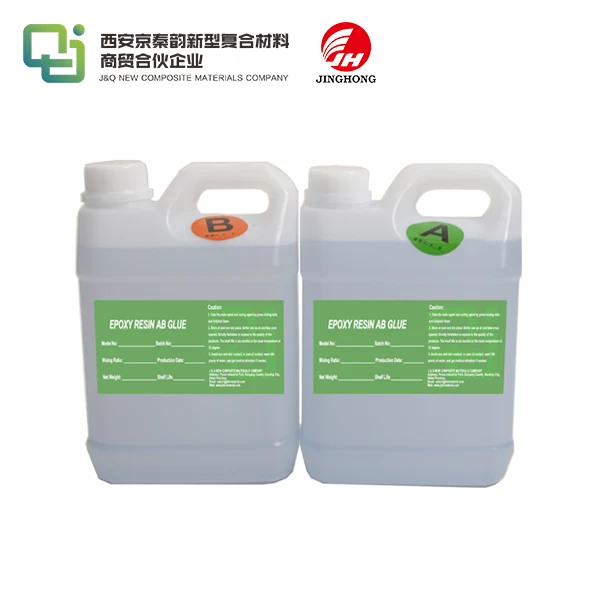
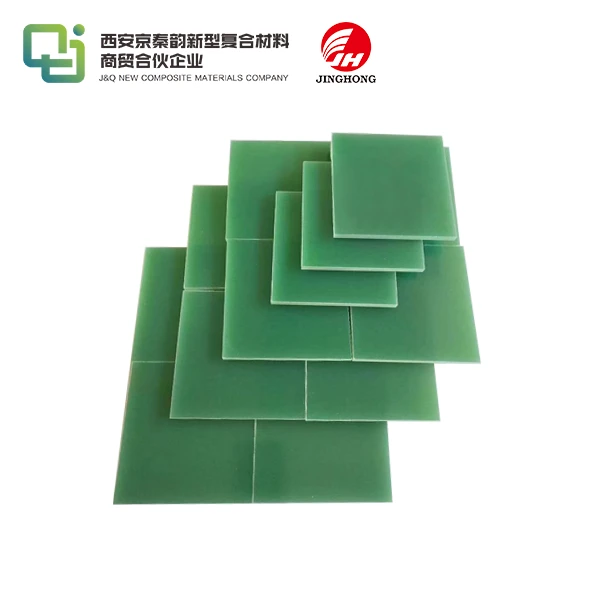
FR4 fiberglass board has changed the way accessories are made by combining the best mechanical strength, heat stability, and electrical protection into a single material. This composite, which is made of woven fiberglass cloth that is saturated with flame-retardant epoxy resin, solves some of the most important problems that accessory makers face every day: keeping the dimensions stable when temperatures change, stopping dielectric breakdown in damp conditions, and making sure that fire safety rules are followed. The FR label proves that the sheets have UL94 V-0 self-extinguishing qualities. This makes them essential for both high-precision engineering and high-volume production settings that can't compromise on consistency and dependability.
Understanding FR4 Fiberglass Sheets: Properties and Manufacturing
Core Composition and Structure
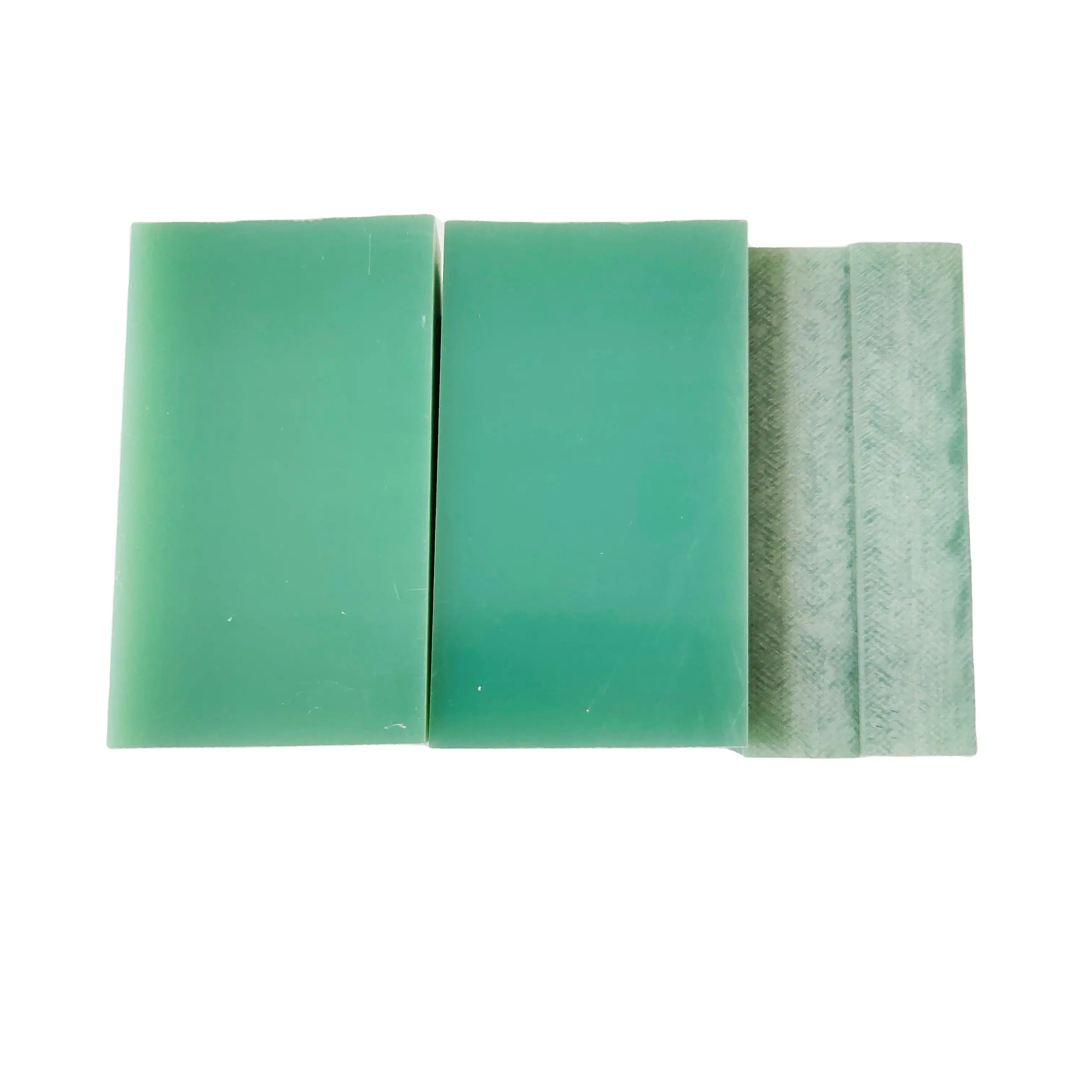
The woven fiberglass cloth in FR4 fiberglass board is joined together with epoxy glue to make a composite material that is strong and can be used in many ways. The process of making it involves putting down several sheets of fiberglass fabric on top of each other, carefully covering them with epoxy glue, and then putting the whole thing under a lot of pressure and heat. With this curing process, exact thickness standards and structural stability are reached, which accessory makers rely on to make sure that parts are always the same size.
Critical Performance Characteristics
Some of its most important features are its ability to withstand high temperatures (up to 130°C for constant use), its high dielectric strength (more than 20 kV/mm), its long-lasting mechanical strength (about 415 MPa), and its chemical resistance to most industrial acids and oils. There is almost no water absorption by the material, so it doesn't change size or lose its electrical properties in damp places. Because of these qualities, FR4 sheets are perfect for uses that need stable protection and mechanical support even when temperatures change and there is electrical stress.
Why Material Specifications Matter
Knowing these technical details helps business-to-business buyers decide if FR4 can be used in different production settings for accessories. FR4's Comparative Tracking Index stops surface tracking in dirty high-voltage settings, and its low thermal expansion rate keeps it stable when placed next to metal parts. Mechanical engineers like how CNC machinability lets them work with complicated shapes without breaking or cutting them when they drill or mill.
Comparing FR4 Fiberglass Board with Alternative Materials
Evaluating Competing Laminate Options
When comparing FR4 fiberglass board to other types of fiberglass like CEM-1, FR1, FR5, and FR6, or to metal core and aluminum PCBs, it is important to look at how they handle heat, how strong they are, how flexible they are, and how much they cost. The CEM-1 has layers of paper and fiberglass, but it isn't very stable in terms of size, which is needed for accurate tools. Instead of epoxy, FR1 uses phenolic glue, which is cheaper but not as good at withstanding heat or moisture.
FR5 and FR6 types have better thermal performance above 170°C, but they cost a lot more, so you might not want to buy them unless you regularly work with extreme temperatures. Even though metal core PCBs are better at getting rid of heat, they are heavier and less flexible than FR4, which means they can't be used in applications that need to be light or that move around a lot.
Performance Trade-offs in Real Applications
FR4 fiberglass board stands out because it has well-balanced performance. It doesn't just insulate well; it also has better mechanical durability and is less expensive than specialized options. Because the material can keep its dielectric qualities over a wide range of temperatures, it can be used in switchgear parts that must have arc protection. FR4 is both flame-resistant and strong, so it can be used to make shields for automotive battery packs that protect cells while adding very little weight.
This comparison helps people who buy things choose materials based on the needs of specific applications instead of general requirements. Knowing when FR4 works well and when premium options are needed stops problems with over-engineering and poor performance that cause mistakes in the field.
Procurement Guide: How to Choose and Buy FR4 Fiberglass Sheets
Essential Selection Criteria
When choosing the right FR4 fiberglass board, you need to think about its thickness, which can range from 0.5mm to 100mm based on whether it's for structural or insulation purposes, its standard sheet sizes that keep CNC cutting waste to a minimum, and certification standards like fire retardant rates meeting UL94 V-0. The glass transition temperature tells you when the epoxy matrix starts to soften, which can change the shape of the material if it is heated for a long time.
Different types of sheets are used for different things. Copper-clad sheets are used to make PCBs, while bare sheets are used for building parts, tools, and mechanical spacers. Teams in charge of buying things should say whether they need single-sided or double-sided copper covering and how much copper they need, measured in ounces per square foot. Bare FR4 is cheaper than coated FR4 and has better mechanical qualities for non-electrical uses like test tools and wear parts.
Supplier Evaluation and Quality Assurance
Product uniformity is affected by how reliable the supplier is and how well-known the name is. Tough process controls at well-known makers make sure that the dielectric strength, flexural strength, and physical tolerances are the same from batch to batch. Quality standards, like ISO 9001 and ISO 14001, show that a company is serious about quality control and caring for the environment. Reports on tests for flame protection, moisture absorption, and peel strength should be easy to get from sources you can trust.
Strategic Sourcing Approaches
When looking for supplies, smart buyers compare what's available in their own country versus what's available in other countries, negotiate bulk purchases to get better prices without slowing down inventory turnover, and know that lead times can be anywhere from two to six weeks, depending on the thickness and finishing needs. When you import things, shipping operations are very important because the right packaging keeps things from getting wet or damaged during travel.
Long-term buying experts often make framework deals with qualified suppliers. This makes sure that prices are stable and that suppliers are given priority when supplies are low. Technical support from providers helps engineering teams choose the best materials and set the best processing settings. This lowers the amount of waste and speeds up the product development cycle.
Real-World Applications and Case Studies in Accessory Manufacturing
Electronics and Electrical Equipment
FR4 fiberglass board has been very helpful in increasing the safety and life span of products in many fields, from tech tools to industrial parts. When making switchgear, FR4 arc barriers stop flashover between stages, which keeps workers and equipment safe while keeping box designs small. The material's dielectric strength stays the same even when the humidity changes, unlike phenolic options that lose their effectiveness in warm or coastal areas.
Industrial controls use FR4 fiberglass board's dimensional stability to keep the orientation of the circuit boards' tracks accurate even when the temperature changes from -40°C to +85°C. Epoxy laminates used to cut motor part insulators stop shorts between the windings and the frame. These insulators can also withstand mechanical pressure and heat stress that would break ceramic insulators.
Industrial Machinery and Automotive Applications
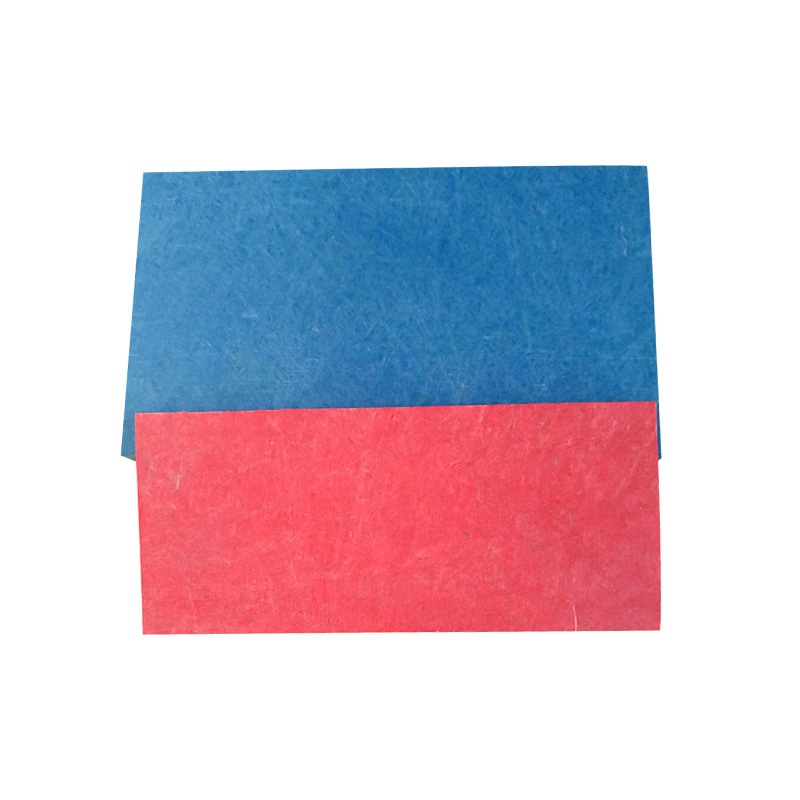
Machine builders use phenolic cotton sheets and FR4 laminates as mechanical spacers, gears, and wear-resistant parts in places where metal parts would be too heavy or carry electricity. In positioning systems, FR4 gears that are CNC-machined work quietly and don't react chemically with oils. The material's ability to lubricate itself means that it doesn't need to be maintained as often as plastic gears do.
FR4 materials are bought by companies that make parts for cars to put under battery modules as shielding pads. This stops heat from spreading when a cell fails. FR4 clamps that are resistant to heat can handle wave soldering temperatures during electronics assembly, making sure that each batch is the same size. Researchers and developers like that they can quickly make prototypes of special clamps and mounting plates using standard CNC equipment, so they don't have to spend money on making new tools.
Power Distribution and Home Appliances
Insulation sheets are used by transformer makers to separate coils and form arc shields. The ability of these sheets to fight flames and keep their temperature stable has a direct effect on safety ratings and insurance certifications. The tracking resistance of the material stops carbon paths from forming on surfaces that are subject to electrical stress and external contaminants.
Appliance brands use Bakelite and epoxy sheets to make frames that insulate heating elements, motor clamps that keep windings away from metal housings, and thermal separation parts that keep hot parts away from plastic cases. Stable mass production lets automatic punching and assembly work, and quick delivery processes support just-in-time manufacturing strategies that keep working capital from getting stuck in inventory.
Future Trends and Why FR4 Will Remain Indispensable in Accessory Making
Material Innovation and Performance Enhancement
As compound formulas get better, FR4 fiberglass board's thermal and mechanical performance keeps getting better, keeping it useful in markets that are changing. Halogen-free flame protection systems are good for the environment and still meet UL94 V-0 standards, so brands that care about sustainable sources will be interested in them. Better plastic systems raise the glass transition temperature above 180°C, which means they can be used in more places, like under the hood of an automobile and in industrial heat handling equipment.
Thinner laminates with better tensile strength make it possible for consumer electronics items to get smaller. Each millimeter of thickness changes how the product looks and how it works. Surface treatments that make conformal coatings and potting solutions stick better last longer in harsh settings, which cuts down on guarantee claims and failures in the field.
Market Dynamics and Supply Chain Evolution
As the need for high-performance items grows, so does the need for materials that are both long-lasting and affordable. FR4 is used in battery management systems, charging facilities, and power circuits because there are more electric vehicles on the road. For sensor housings, control panels, and robotic end effectors that work in harsh workplace conditions, industrial automation projects need reliable insulator materials.
Supply managers should keep up with changes in the industry and make sure that their plans are aligned with new technologies and environmentally friendly ways of getting supplies. Having ties with several qualified suppliers lowers the risk of supply problems in the area and promotes competitive pricing. Working together technically with the people who make the materials can lead to the creation of custom mixtures that are best for certain additional uses. This can help you stand out in a crowded market.
Conclusion
FR4 fiberglass board has the right amount of electrical insulation, mechanical strength, thermal stability, and flame protection for making accessories. This material is very useful because it can be used for many things, from PCB substrates and switchgear components to car barriers and device insulation. It solves real engineering problems and meets strict quality and safety standards. Because it is better than other materials in many ways, has solid global supply chains, and is always getting better, FR4 is an essential tool for procurement teams that care about performance, cost-effectiveness, and supply chain stability. When engineering managers and procurement specialists know about the traits of materials, the abilities of suppliers, and the specific needs of an application, they can make the best product designs and manufacturing processes that give their companies a long-term competitive edge.
FAQ
What temperature range can FR4 fiberglass board withstand?
Standard FR4 fiberglass board can be used continuously from -50°C to about 130°C and still keep its structural stability and electrical qualities. The point at which a substance starts to soften is called the glass transition temperature. It is usually between 130°C and 140°C. Specialized high-Tg versions take this temperature range up to 170°C or higher, making them good for uses that will be exposed to heat for a long time, like car electronics and industrial heat zones.
Can FR4 sheets be customized for specific dimensions?
CNC turning, laser cutting, and waterjet methods are all common ways for manufacturers to cut FR4 to specific sizes. To change the thickness, you must choose from the various laminate types or place a special order. Tight margins make it possible to make holes, slots, and complicated shapes. Many companies offer development services for small amounts before committing to large amounts of production. This lets you test the design without having to buy expensive tools.
How do I evaluate supplier credibility for FR4 procurement?
Check out providers by looking at their quality qualifications, such as ISO 9001, UL recognition, and ROHS compliance paperwork. Ask for test results on the material that show its dielectric strength, bending strength, flame rating, and ability to absorb water. Case studies and examples from customers show that delivery success has been proven. Having access to technical support helps answer program questions. Long-term ties with suppliers based on consistent quality and open communication lower the risk of buying and help with efforts to keep getting better.
Partner with J&Q for Premium FR4 Fiberglass Board Solutions
J&Q can give you the best FR4 fiberglass board for your accessory production needs. With more than 20 years of experience making things and 10 years of experience trading internationally, our expert team knows exactly what electrical equipment makers, machinery builders, and car sellers need in terms of performance and tolerances. Through our integrated supply chain, we are able to give reasonable prices while still working with the biggest names of materials in the world. Our in-house logistics business handles all of the delivery coordination, so you don't have to worry about the hassles of foreign shipping and customs clearance. J&Q is a reliable supplier that offers full technical support. They can help you with small prototype runs with custom machining or large production runs with regular batch quality. Email our team at info@jhd-material.com to talk about your unique application needs, get certified material samples, or look into custom solutions that will help your industrial processes and products work better.
References
National Electrical Manufacturers Association. "Industrial Laminating Thermosetting Products: NEMA LI 1-2020 Standards Publication." NEMA, 2020.
Harper, Charles A. "Electronic Materials and Processes Handbook." McGraw-Hill Professional, Fourth Edition, 2018.
Underwriters Laboratories. "UL 94: Standard for Safety of Flammability of Plastic Materials for Parts in Devices and Appliances." UL Standards & Engagement, 2021.
Coombs, Clyde F. "Printed Circuits Handbook." McGraw-Hill Education, Seventh Edition, 2016.
International Electrotechnical Commission. "IEC 61249-2-21: Materials for Printed Boards and Other Interconnecting Structures – Reinforced Base Materials Clad and Unclad." IEC, 2019.
Myer Kutz. "Handbook of Materials Selection." John Wiley & Sons, 2002.