Innovative Uses of Bakelite Sheets: From Electronics to Art
2026-04-09 16:58:22
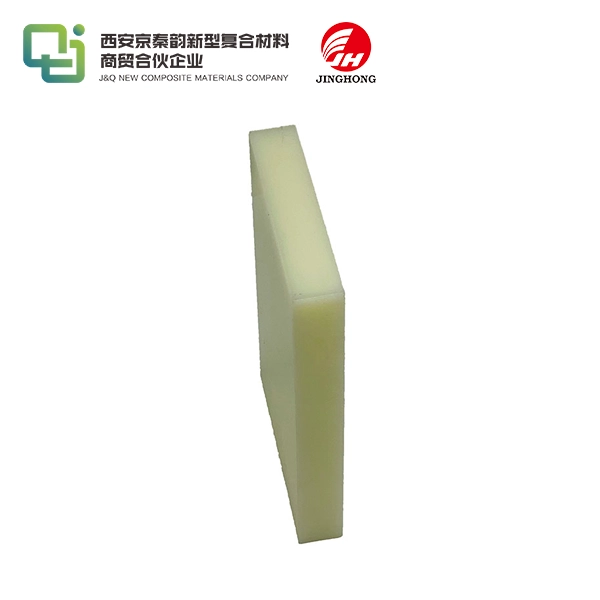
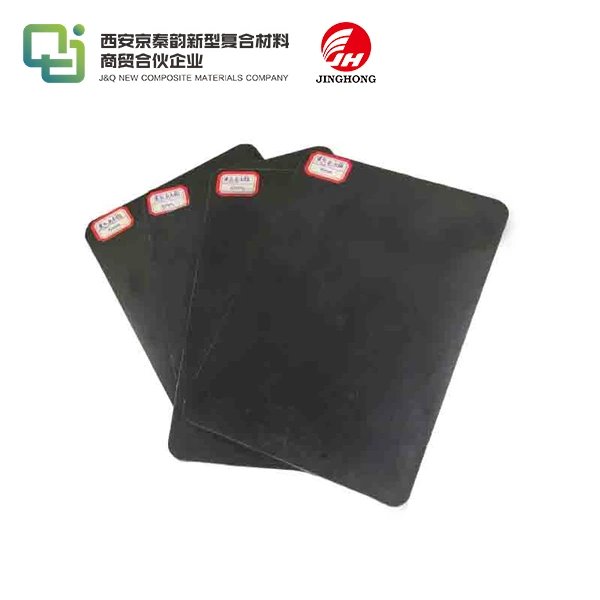
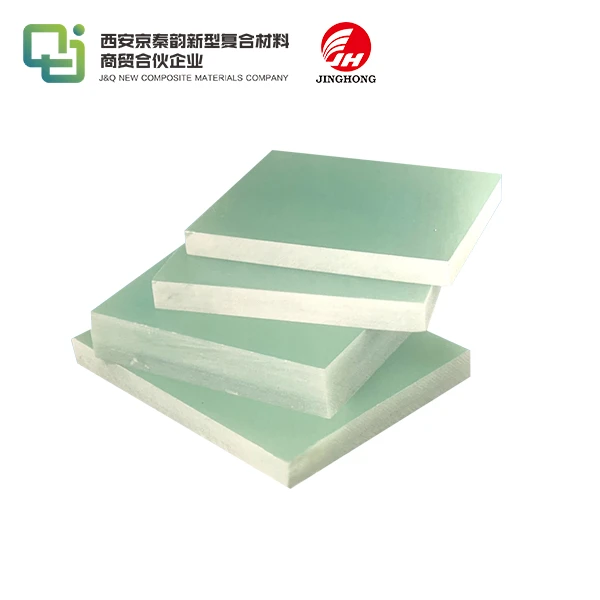
Bakelite sheet technology has evolved far beyond its original electrical applications, now bridging industrial precision and creative expression. This thermosetting phenolic laminate delivers unmatched dielectric strength and thermal stability for electronics manufacturing while captivating artists and designers with its unique aesthetic properties. From transformer insulation to handcrafted jewelry, Bakelite sheets demonstrate remarkable versatility across sectors demanding both technical performance and visual appeal, making them an enduring choice for engineers and artisans alike.
Understanding Bakelite Sheets and Their Key Characteristics
The Origins and Evolution of Phenolic Laminates
When Leo Baekeland patented his groundbreaking synthetic glue in 1909, he didn't know that he was making a material that would still be useful today. We've seen how this condensation process between formaldehyde and phenol changed the way many businesses make things. Before the 1900s, most things were made from early celluloid materials. Bakelite, on the other hand, was the first material that could harden forever under heat and pressure, making molecular ties that couldn't be broken.
To make it, phenolic resin is layered on top of cellulose paper or cotton cloth. Then, controlled heat and pressure are used to start polymerization. This thermoset property sets Bakelite apart from thermoplastics: once it's hardened, the material stays the same size even when heated over and over again. With today's better production methods, this process can now make sheets that are between 0.5 mm and 50 mm thick and have thickness tolerances of ±0.1 mm.
Core Material Properties That Define Performance
Bakelite sheets are still widely used because they work well in three important areas. The dielectric strength is higher than 12 kV/mm, so it can reliably protect against electricity in high-voltage areas where newer plastics might break down. Because of this feature, phenolic laminates are needed for busbar isolators, switchgear parts, and transformer gaps.
Continuous thermal resistance up to 300°F (149°C), with higher levels of short-term contact tolerance. This resistance to heat keeps motor assemblies, device housings, and under-hood uses in cars from warping. In places where injection-molded plastics would weaken or bend, this material keeps its mechanical integrity.
Longevity in industrial settings is ensured by chemical resistance to oils, weak acids, and solvents. Low moisture absorption—usually less than 1% after 24 hours of immersion—keeps the electrical qualities and stops changes in size in damp conditions. These factors work together to explain why facilities in industrial hubs keep asking for Bakelite even though modern materials are becoming more popular.
Sustainability Considerations in Material Selection
Environmental effect review is now an important part of buying things. Bakelite sheets have a complicated sustainability profile that needs to be looked at honestly. Waste management teams are worried about the material because it doesn't break down easily. But because it is so durable, it will last for decades, which means it won't need to be replaced as often and saving money and resources.
Formaldehyde is used to make phenolic resin, so controlled industrial conditions and good ventilation are needed. Reputable makers use closed-loop methods that reduce pollution and follow ROHS and REACH rules. After curing, the material is non-toxic, so it can be used in food-contact uses and in market goods.
When compared to petroleum-based plastics that need to keep getting new materials, Bakelite sheet's long life is a benefit. A transformer with a single Bakelite part that lasts 30 years has a smaller environmental effect than one with many new parts made from "greener" materials that last less time. We tell buying teams to look at the whole lifecycle effect instead of just looking at how the product will be thrown away at the end of its useful life.
Innovative Applications of Bakelite Sheets Across Industries
Electrical and Electronics Manufacturing Solutions
Electrical applications are still Bakelite's main market, and when the material fails, bad things happen. Phenolic sheets are used in circuit breaker housings because they avoid arcing, which stops catastrophic fails from happening when the circuit is overloaded. The material goes out on its own and doesn't spread flames, which are important qualities when electrical problems need to be contained in parts.
Bakelite support frames for PCBs keep the boards stable during wave soldering processes that hit 500°F. The steadiness of the dimensions keeps the board from warping, which would damage the solder joins. CNC machinability lets you place holes precisely so that you can mount components, and the tolerances meet IPC standards for professional electronics assembly.
Manufacturers of switchgear rely on Bakelite to separate components that carry power. The material cuts neatly and doesn't delaminate, making smooth surfaces that stop voltage creep across insulators. UL-listed grades meet strict flammability standards (usually a V-0 rating), which means that finished goods are safe. Applications for motor parts use both their electrical and mechanical qualities. For example, commutator shielding can handle brush friction while keeping current from leaking to motor housings.
Creative and Artistic Applications
Bakelite has caught the attention of artists and designers who are looking for unique materials outside of industrial settings. Jewelry makers like the look of old things, so they cut, clean, and join sheets of metal to make works of wearing art. The density of the material gives it a pleasing weight and feel that current acrylics don't have.
Sculptors like that it can be machined, which lets them add fine details without needing special tools. While the grain hardness of wood changes and special tools are needed to work with metals, normal cutting and shaping tools work well with Bakelite. The natural brown-to-black coloring turns into rich patinas, and some grades can be colored during production to get different shades.
Phenolic sheets are used by furniture makers as both decorative accents and structural parts. The material's compression strength lets chair frames and table parts hold mechanical loads. Fans of mid-century modern design really like how Bakelite is linked to that era. You can use real antique sheets or new production that exactly matches the original specs. Parts for musical instruments, like guitar pickguards and saxophone mouthpieces, are made so that they are stiff enough to affect the sound and durable enough to last for decades.
Industrial Machinery and Automotive Integration
The places where machinery builders work are tough; parts have to deal with constant shaking, chemical exposure, and changes in temperature. Phenolic cotton laminates are used as gear blanks in equipment used to process food. The FDA-approved material can be directly in touch with food and doesn't break down easily when cleaned with chemicals. Many engineering plastics don't have as much wear resistance as this one, so upkeep times are longer.
In hydraulic and gas systems, precise gaps are kept by mechanical spacers and insulating standoffs made of Bakelite sheet. The material won't cold-flow when it is compressed for a long time, which stops the slow changes in size that lead to misalignment. Machinists like it when the qualities of a material stay the same from one production batch to the next. This makes it easier to predict cutting parameters and cut down on setup time.
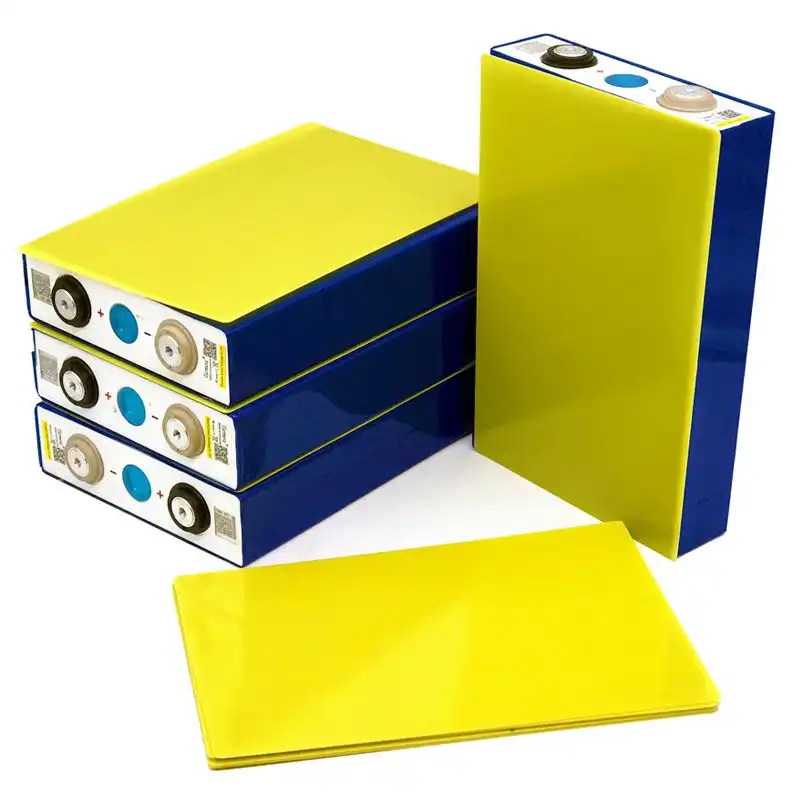
As more people buy electric cars, more uses for them have grown. Battery pack shields need materials that are electrically insulating, strong, and don't catch fire. Bakelite meets all three of these requirements. Phenolic sheets are used as heat screens in thermal management systems to keep sensitive electronics from getting too hot from the engine. Because the material can be changed, tier-1 providers can define accurate thicknesses and dimensional limits that meet the needs of the assembly line. Precision cutting makes it possible to make a lot of things with little waste.
Procurement Insights: Sourcing and Customizing Bakelite Sheets
Evaluating Supplier Credibility and Capabilities
Checking the Bakelite sheet supplier's reputation and skills requires looking at multiple factors. Manufacturers from North America, Europe, and Asia are all part of the global supply environment. When deciding if a seller is right for you, you need to look at more than just price. Production capacity tells you if a seller can grow with your needs. Large OEM contracts are handled by facilities that process multiple tons of material every day, while niche uses and prototyping are handled by smaller operations.
Technical help is what sets competent sellers apart from distributors who are just selling things. Suppliers who help engineering teams choose materials, make suggestions for cutting, and solve problems specific to an application are very helpful. This discussion method is very helpful when changing current designs or fixing problems with performance.
Quality approvals show that regular checks are done on the producing process. ISO 9001 shows that a company is committed to consistent processes, and UL certification makes sure that materials meet electricity safety standards. MIL-SPEC credentials show that you can meet the strict needs of the defense and aircraft industries. Request copies of qualifications and check lists through the organizations that issued them. Real certifications can stand up to scrutiny, but fake claims fall apart when they are looked into.
Transparency in manufacturing Bakelite sheet boosts trust. Suppliers who are willing to let site checks happen and provide process paperwork show that they have nothing to hide. Finding out where their raw materials come from, how they control the plastic mixture, and how they test helps you figure out how consistent they are. Supply chain risk is lower when you have long-term ties with known suppliers instead of switching suppliers all the time just because of small price differences.
Customization Options and Value-Added Services
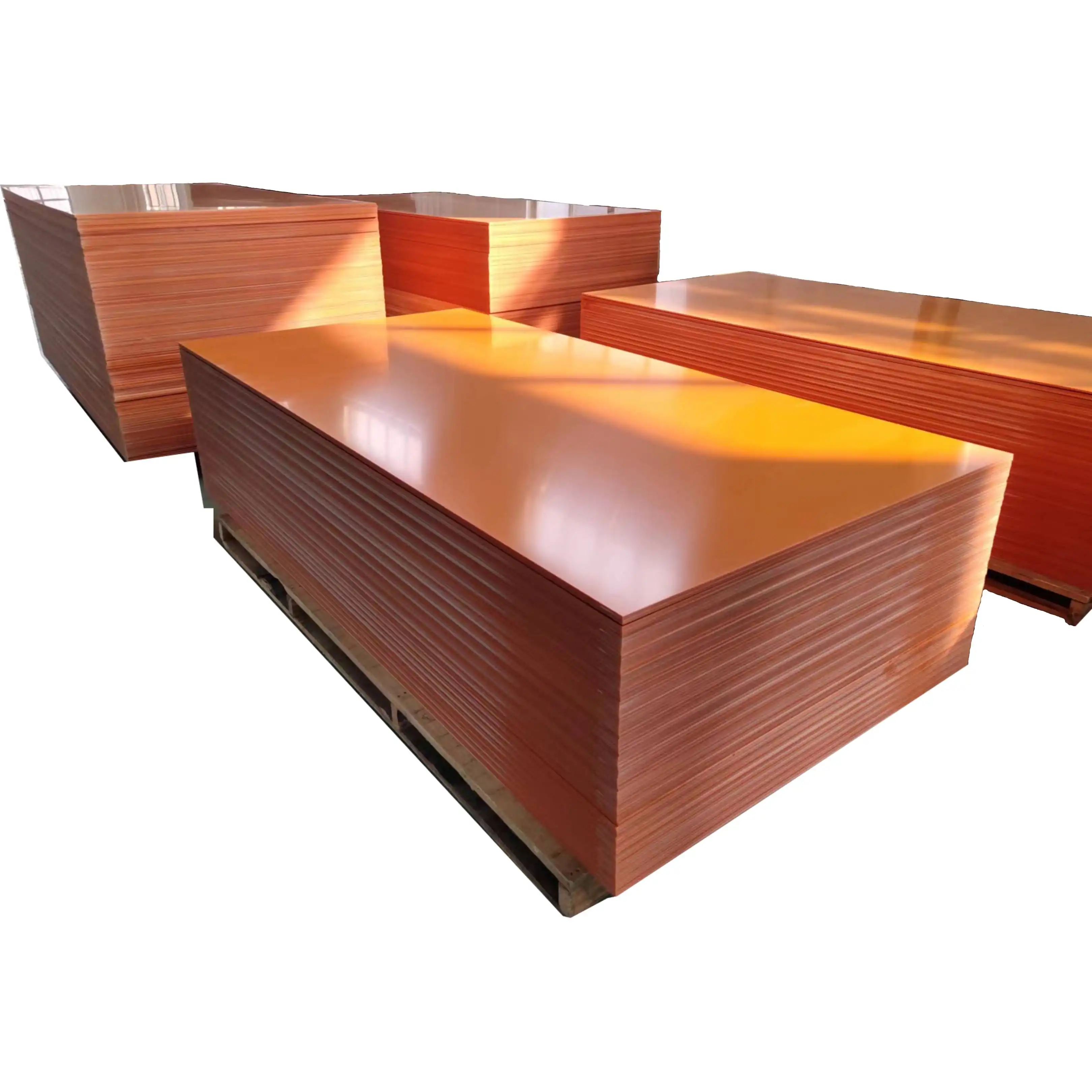
Standard sheet sizes are 1000 mm x 2000 mm or 1220 mm x 2440 mm, which are the same sizes as most manufacturing tools. When production needs specific sizes, custom sizing cuts down on waste, and buying blanks that are already cut removes the need for in-house sawing and the scrap that comes with it. You can change the thickness to anything from very thin 0.3mm foils for specialized electronics to 75mm plates for building uses.
Finishing the surface changes both how it looks and how it works. For named parts, sanded surfaces help paint stick better, while polished finishes are better for artistic uses. Some providers do CNC cutting, drilling, and profiling and send out final parts instead of raw sheets. By combining suppliers and cutting down on internal working steps, this vertical integration makes buying things easier.
Testing and approval services for materials are valuable in more ways than one. When suppliers give engineers material test records (MTRs) that show dielectric strength, flexural strength, and thermal qualities, they can check that the specs are correct without having to do their own testing. In cases where project delays would cost more than faster delivery, rush handling is worth the extra cost to meet urgent project needs.
We've teamed up with makers who offer design-for-manufacturability reviews. These reviews find problems before they happen during production. Their experience making thousands of parts shows them places to improve—small changes to the design can raise yield rates and lower unit costs without affecting how well the parts work.
Conclusion
Bakelite sheet products continue to show amazing relevance in both commercial and artistic fields. Their special mix of electrical insulation, temperature stability, and mechanical longevity makes them useful for engineering tasks that newer materials find hard to match on a cost-effective level. The material's long history of reliability over novelty gives trust for long-term uses where dependability is more important than novelty. Phenolic laminates have measured value, whether they're used to support high-voltage electrical systems, make structural parts for tough machinery, or let artists express themselves through their unique visual qualities. Professionals in procurement can make better choices when they understand both technical specifications and practical application issues. This helps them balance performance needs with budget facts.
FAQ
What thickness options are available for industrial applications?
A standard Bakelite sheet can be as thin as 0.5 mm or as thick as 50 mm. The most popular sizes are 1 mm, 2 mm, 3 mm, 5 mm, 10 mm, and 20 mm. Custom thicknesses can be made to meet specific technical needs, but wait times are longer than for stock sizes. Thin sheets are good for insulating electrical systems, while thick plates support the structure of machinery units. Suppliers usually keep common sizes in stock so they can ship right away.
How does Bakelite compare to FR4 for circuit board applications?
FR4 epoxy glass laminates are better for multilayer PCBs that need fine-pitch lines because they have higher dielectric strength. Bakelite is much cheaper than FR4 and works well for simple circuits and single-sided boards that don't need the high performance of FR4. The choice relies on how much electricity is needed, the temperature at which it will be used, and your budget. Most of the time, FR4 is needed for high-frequency circuits, while phenolic materials work well for power distribution boards.
Can Bakelite sheets be machined using standard equipment?
Yes, phenolic laminates can be easily worked with standard metal and woodworker tools. When cutting, blades with carbide tips last longer and wear less, and normal drill bits work well at low speeds. Fine particles made by cutting can't be breathed in if the dust is collected properly. Some metals get stuck on cutting tools, but this material doesn't. This lets you get clean lines and exact measurements. CNC routing makes complicated shapes that are very accurate every time.
Partner with J&Q for Your Bakelite Sheet Requirements
Every time J&Q works with a Bakelite sheet provider, they bring more than 20 years of experience making things and ten years of experience in foreign trade. Because we are vertically integrated, we have specialized logistics skills that allow us to offer a true one-stop service from choosing the materials to delivering them. Engineering managers and buying teams can use our technical consulting services to help them choose the best grades and sizes for their needs. We have strict quality controls that meet UL and ROHS standards, and we can back up your compliance needs with full material approval paperwork.
Our manufacturing capabilities are flexible enough to handle projects of any size, from standard sheets for testing to custom-machined parts for mass production. You can email our team at info@jhd-material.com to talk about your needs, ask for samples, or get full quotes. We know how hard it is for electrical makers, machinery builders, and industrial original equipment manufacturers (OEMs) to find the right suppliers. Let our experience make your supply chain easier while still giving your operations the quality they need.
References
Baekeland, L. H. (1909). "The Synthesis, Constitution, and Uses of Bakelite." Industrial & Engineering Chemistry Research, Vol. 1, No. 3, pp. 149-161.
Kaufman, M. (1993). "The First Century of Plastics: Celluloid and Its Sequel." London: The Plastics and Rubber Institute.
Crespy, D., Bozonnet, M., & Meier, M. (2008). "100 Years of Bakelite, the Material of a Thousand Uses." Angewandte Chemie International Edition, Vol. 47, No. 18, pp. 3322-3328.
National Electrical Manufacturers Association (2019). "Industrial Laminated Thermosetting Products Standards Publication." NEMA LI 1-1998 (R2019).
Bijker, W. E. (1995). "Of Bicycles, Bakelites, and Bulbs: Toward a Theory of Sociotechnical Change." Cambridge: MIT Press.
American Chemical Society (1993). "Bakelite: The World's First Synthetic Plastic - National Historic Chemical Landmarks Program." Washington, DC: American Chemical Society Publications.