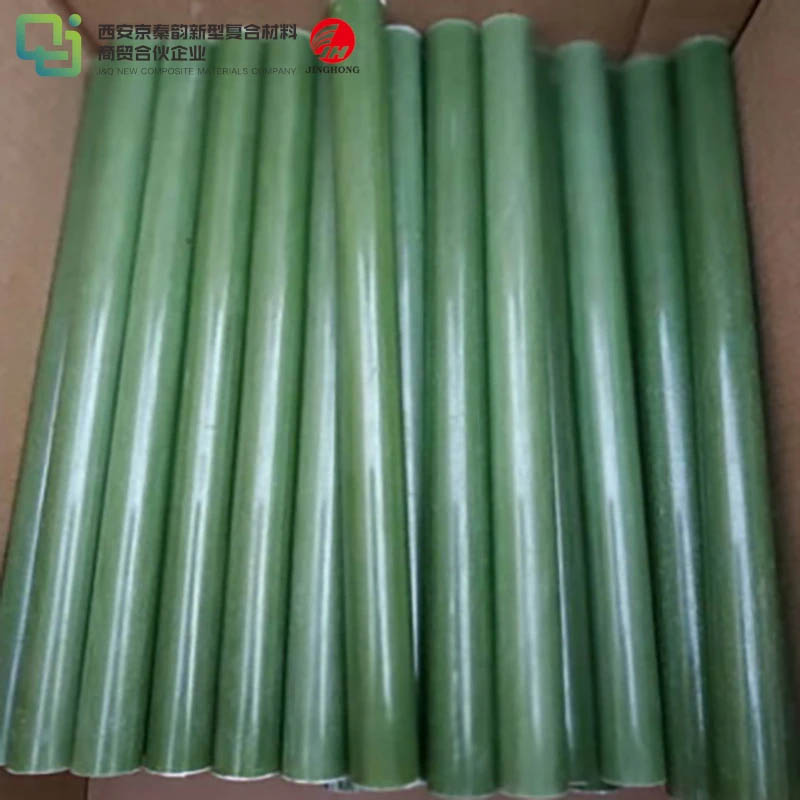
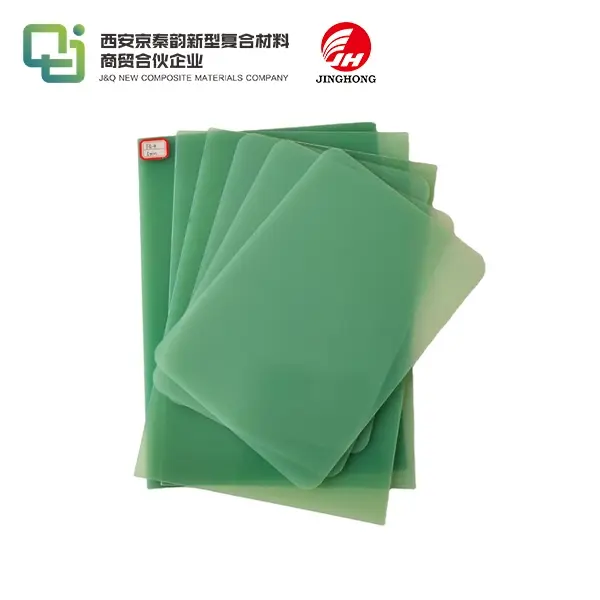
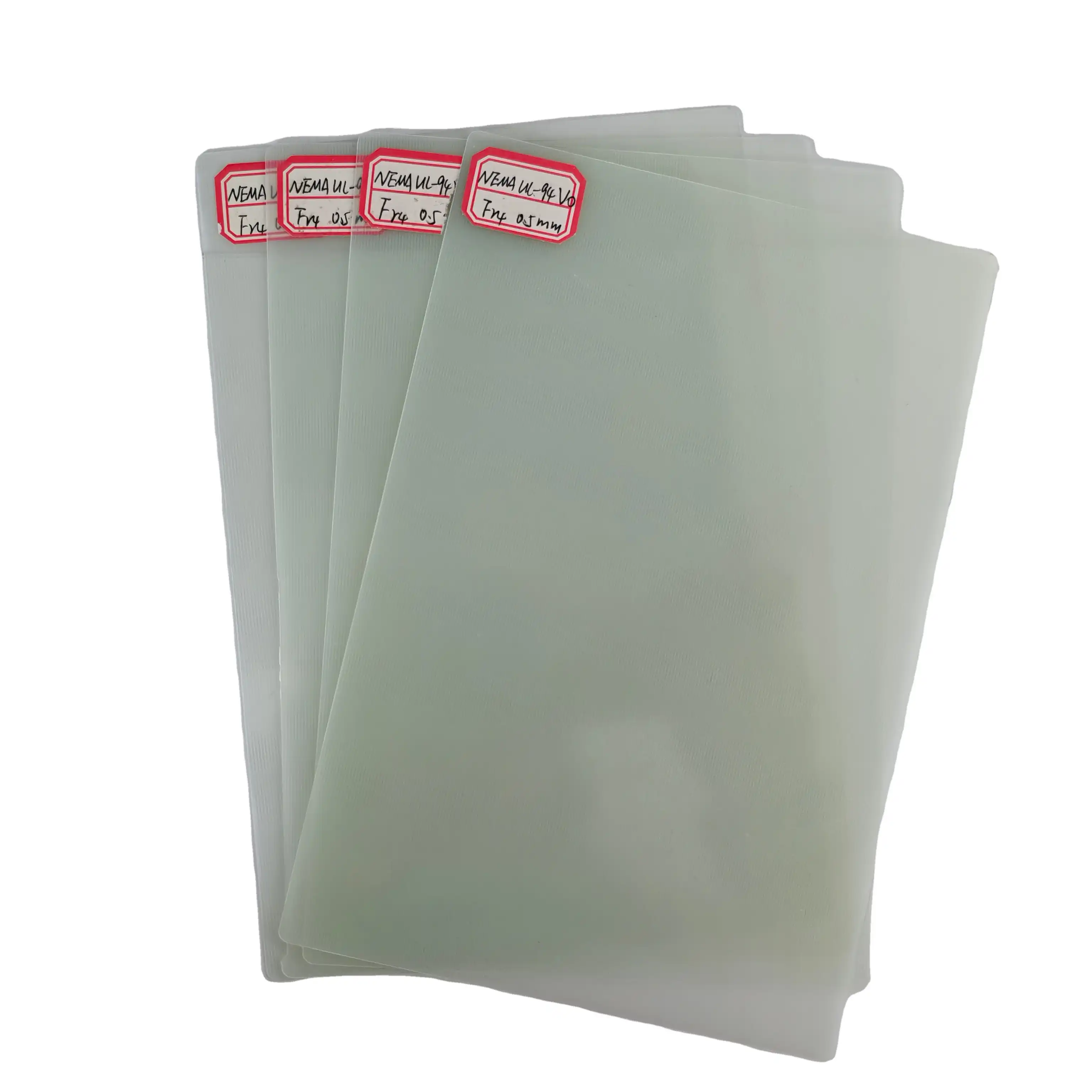
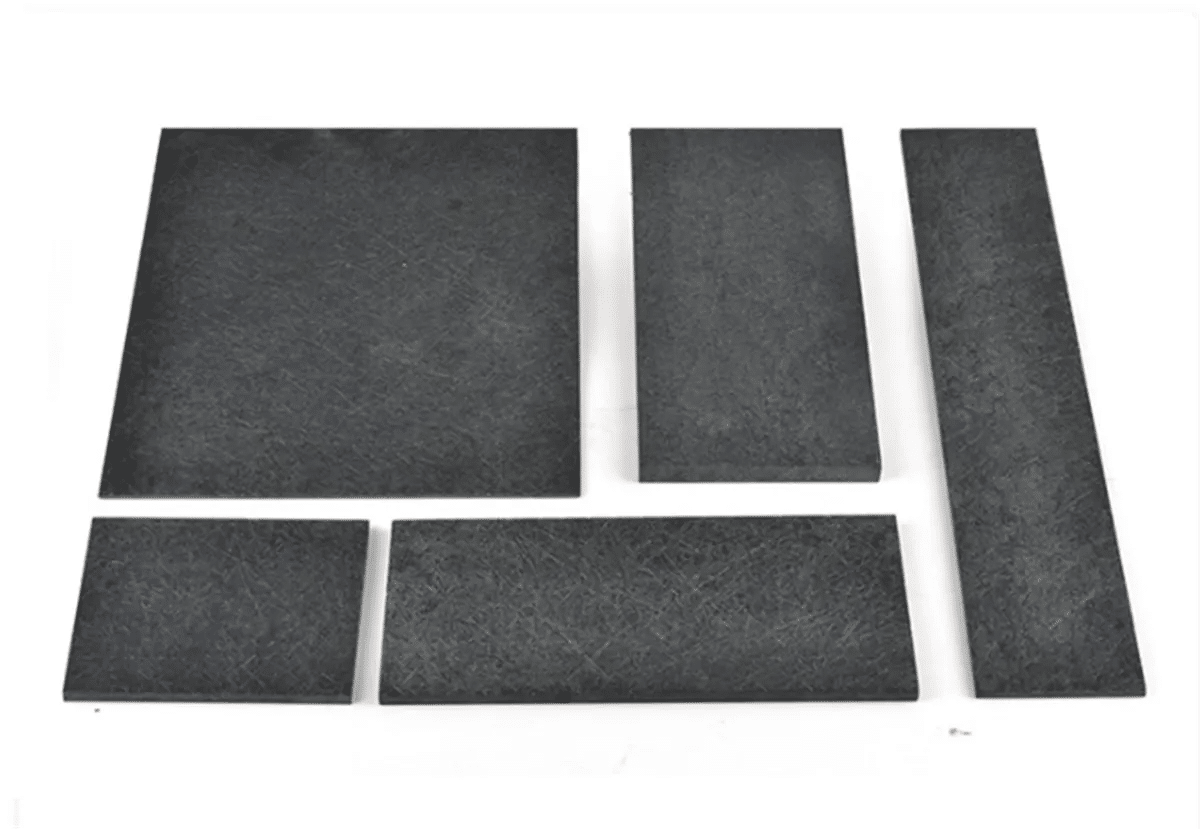
3240 Epoxy Laminate Sheets: Setting the Standard in High-Pressure Laminates
2026-04-10 14:41:04
When purchasing managers and electrical engineers are looking for solid insulation materials that work well even in harsh situations, 3240 epoxy laminates stand out as the best choice. Epoxy resin and electrical-grade glass cloth are mixed in these high-pressure laminates to make a hybrid material that is perfect for uses that need high dielectric strength, thermal stability, and mechanical toughness. This material keeps showing its worth as an important insulator in a wide range of fields, from power distribution to car making.
Understanding 3240 Epoxy Laminate: Properties and Specifications
When epoxy glass cloth laminates are made, they are put together using an exact method that determines their outstanding performance qualities. Before being worked on under controlled heat and pressure, epoxy phenolic resin is thoroughly soaked into E-glass cloth. This method makes a dense, uniform structure that works the same way in all kinds of working settings.
Core Material Composition
The backbone of the structure is made of glass cloth reinforcement, which gives it great tensile strength and dimensional stability. When you weave glass threads together, you get a stable material that doesn't change shape when mechanical stress is applied. The epoxy resin system holds these strands together and gives the material its important electrical insulating qualities, which make it a must-have for electrical uses. This mix strikes a balance between mechanical toughness and electricity safety that isn't often found in other materials.
Electrical Performance Standards
The dielectric strength is one of the most important things to look for in electrical equipment shielding. Even when they are wet or the temperature changes, these laminates keep their high volume resistance, which is very important for switchgear and transformer uses. Because it has a low dielectric constant, it doesn't lose much information in high-frequency circuits. This means that the material can be used for both power distribution tools and sensitive electronic assemblies. Engineers can choose thicknesses from 0.5 mm to 50 mm, and for special uses, up to 150 mm can be made because of specialized production.
Thermal and Mechanical Characteristics
Temperature resistance hits Class B level, which means it can be used continuously in places where most other materials would break down. The glass transition temperature stays high enough to keep the material from softening during heat cycles, which happens a lot in motor parts and power electronics. The material's mechanical qualities include high flexural strength and impact resistance, which means it can handle installation stresses and operating loads without breaking or delaminating. The surface finish meets high standards for quality. Flat, smooth panels that don't have any bubbles, wrinkles, or cracks make sure that precision manufacturing processes work reliably.

Comparing 3240 Epoxy Laminate with Other Popular Materials
When buying teams know how 3240 epoxy laminates stack up against other insulation materials, they can make smart choices that meet technical needs and stay within budget.
Performance Against Standard FR4
Standard FR4 laminates work well for most PCB uses, but epoxy glass materials are better for places where temperatures stay high for a long time because they can handle more heat. When transformer oils, hydraulic fluids, or industrial solvents come in contact with equipment, chemical protection is better. The mechanical strength benefit becomes clear in structure uses where the laminate has to hold actual loads in addition to its electrical insulation role.
Positioning Versus Premium Materials
Polyimide and Rogers materials are examples of high-performance laminates that are perfect for a wide range of uses, especially in aircraft and advanced telecommunications. These high-end options come with much higher prices. 3240 epoxy laminates are a good compromise because they offer good temperature stability and electrical performance for demanding industry uses without being too expensive for mass production. In cases where budgets are tight, this economic edge is very important when choosing materials for making appliances or parts for cars.
Advantages Over Phenolic and CEM-1 Options
Traditional phenolic cotton laminates are strong, but they don't work as well with electricity or resist water as epoxy-based options. When used for simple tasks, CEM-1 materials are cheaper, but they don't have the heating or machining properties that are needed for accurate parts. The glass cloth support in epoxy laminates makes it possible for CNC machines to work with tighter tolerances. This lets them make parts that are consistently the right size, which is important for automated assembly processes.
Procurement Guide for 3240 Epoxy Laminate Sheets
To find real materials that meet the standards, you have to pay attention to the skills of the suppliers and the dependability of the supply chain. Purchasing managers who are in charge of buying electrical insulation have to think about a number of strategy issues for sourcing 3240 epoxy laminates.
Supplier Selection Criteria
Manufacturers that have been around for a while and have clear quality processes provide the stability that is needed in production settings. Certifications like UL recognition and RoHS compliance proof should be things that can't be skipped. Suppliers who offer full expert support help engineering teams choose the best materials for each purpose. Long-term supply deals with reliable vendors lower the risk of buying things and often lead to better pricing for large orders, which improves the general economics of the project.
Logistics and Order Planning
Different sellers have different minimum order amounts. Sheet goods usually come in standard sizes that may need to be cut to the exact size needed. Lead times rely on the thickness and surface finish requirements. Standard setups can usually be shipped from stock, but custom versions may need more time to be made. When shipping internationally, it's important to use the right packing to keep the edges from getting damaged and the contents from getting wet during transit. Working with suppliers to keep storeroom stock in key markets cuts down on supply times and freight costs for urgent needs.
Quality Verification Protocols
As soon as something is received, it should be inspected to make sure it meets standards for external appearance. This means looking for surface flaws, correct color consistency, and good edge quality. Dimensional verification makes sure that the tolerances for width meet the standards of the specification. For important uses, buying teams might ask for material certificates that show the results of electricity tests and thermal performance data. Setting clear acceptance standards with sellers before placing an order stops disagreements and makes sure the material will work in the intended way.
Why Choose 3240 Epoxy Laminate: Value and Practical Benefits?
3240 epoxy laminates are widely used in many different industries because they have real benefits that affect both how efficiently they are made and how reliable the finished product is.
Durability in Harsh Operating Environments
Electrical equipment works in a lot of situations that put its materials like 3240 epoxy laminates to the test. In sealed switchgear, high ambient temperatures, mechanical vibration in motor assemblies, and chemical contact in industrial machinery all call for insulation materials that keep their features over long periods of time. The epoxy resin system keeps the electrical properties stable even when the environment is stressed, and the glass cloth support doesn't wear down easily. This means that the tools will last longer and need less maintenance, which are both factors that have a big effect on the total cost of ownership estimates.
Machining and Fabrication Advantages
The constant material qualities that these laminates offer are helpful for CNC machining processes. When you cut, drill, or route, you get clean lines without wearing out your tools too quickly. When the right tools and settings are used, the material can be machined without delamination, which lets complex shapes that are needed in modern electrical equipment be made. Fabrication shops like how predictable it is—each sheet acts the same, which cuts down on setup time and scrap rates compared to materials whose properties change more.
Versatility Across Application Types
These laminates can be used for a wide range of purposes, from insulation barriers in power generators to structural parts in industrial machines. They are used by appliance makers as motor clamps and thermal separation parts when both electrical protection and mechanical support are needed. Automotive makers use them to insulate battery packs and make parts that can handle high temperatures for electric vehicles. This makes inventory management easier for companies that make more than one product line, since one grade of material can meet many design needs.
Technical Considerations and Best Practices in Using 3240 Epoxy Laminates
To get the most out of a material's performance, you need to pay attention to the design rules, handling instructions, and legal requirements that make sure 3240 epoxy laminates work reliably for a long time.
Design and Layering Strategies
When engineers say how thick a laminate should be, they have to weigh the needs for electrical room against the needs for mechanical strength and space. Different sizes can be put together in multilayer systems to get the best performance in certain areas while keeping material costs low. When edges are properly treated, moisture can't get in when it's wet outside, which extends the life of things like outdoor electrical covers. Design reviews should make sure that the mounting holes and cutouts keep the right amount of creepage and clearing space according to the electrical codes that apply.
Protocols for Storage and Handling
When sheets are stored in controlled settings, their qualities stay the same. Surface resistance properties may be changed by being exposed to too much water before production. Flat storage keeps things from shifting, which could make cutting more difficult. If laminates are going to be stuck together with glue, protective wrapping during shipping and storage keeps the surface clean so that it doesn't get dirty during bonding. These basic rules protect the money spent on good materials and stop problems with the creation process that slow down production.
Regulatory Compliance and Safety Standards
The traits of flammability must meet the needs of certain application settings. UL94 grades give standardized flame resistance categories that help choose the right materials for electrical equipment. RoHS compliance makes sure that materials don't contain any restricted chemicals, which is a rule that many global markets demand for equipment. These standards should be clearly stated in the procurement specs, and sellers should provide proof that they are followed. This care saves makers from problems with the government and helps companies keep their sustainability promises, which are becoming more important to customers.
Conclusion
3240 epoxy laminates have been used for many years to keep electrical wires safe and support structures in fields where dependability is very important. Because they have a good mix of electrical performance, heat stability, mechanical strength, and low cost, they are still the first choice for engineering teams that need to make equipment that works reliably in tough circumstances. Even though electricity systems are getting more complicated and working conditions are getting tougher, these high-pressure laminates will still be useful because of their basic benefits. When procurement teams work with qualified sellers, they can get materials that help with both present production needs and plans for developing new products in the future.
FAQ
What temperature range can 3240 epoxy glass laminates withstand?
With a Class B temperature grade, these products can be used continuously at temperatures up to 130°C. The glass transition temperature is higher than this practical limit, which protects against melting when temperatures change. When the right thermal management practices are used, short-term exposure to higher temperatures during soldering or heat-staking processes usually doesn't damage the structure of the material.
How does moisture affect electrical properties?
Epoxy resin systems are good at resisting water, but if they are exposed to high humidity for a long time, the surface insulation resistance may slowly decrease. When protective coats or conformal treatments are used in design, they make things last longer in tough circumstances. Material that is stored correctly before it is fabricated keeps certain electrical properties. For reliable results, it is important that the material is stored correctly before it is fabricated.
Can these laminates be machined to tight tolerances?
When the right tools and cutting settings are used, CNC machining processes can usually get tolerances within ±0.1mm. The glass cloth reinforcement keeps the ends straight and prevents fraying or separation. When compared to high-speed steel options, carbide gear lasts longer. When dust is collected properly during cutting, glass fiber particles don't get into the tools or affect the comfort of the workers.
Partner with J&Q for Reliable 3240 Epoxy Laminate Supply
J&Q has been making high-quality insulation products for more than 20 years. They have a lot of technical understanding and great customer service, which procurement teams really value. Our factories have strict quality controls that make sure every sheet of 3240 epoxy laminate meets the standards that have been set. We know how difficult it is for buying managers to keep production plans while meeting cost goals and quality standards. Our experienced export team handles all the details, and our connected shipping partners make sure that your goods get to you safely. Our professional staff works directly with your engineering team to make sure the material will work, whether you need standard shapes or unique thicknesses. Email our team at info@jhd-material.com to talk about your particular needs with a 3240 epoxy laminate provider who is dedicated to your success.
References
Harper, Charles A. Handbook of Plastics, Elastomers, and Composites. McGraw-Hill Education, 2002.
Lubin, George. Handbook of Composites. Van Nostrand Reinhold Company, 1982.
Skeist, Irving. Epoxy Resins: Chemistry and Technology. Marcel Dekker Inc., 1985.
Pascault, Jean-Pierre et al. Thermosetting Polymers. Marcel Dekker Inc., 2002.
Margolis, James M. Engineering Thermoplastics: Properties and Applications. Marcel Dekker Inc., 1985.
Goosey, Martin T. Plastics for Electronics. Springer Netherlands, 1999.