Understanding G10: The Superior Material for Rail Covers
2026-04-10 14:41:06
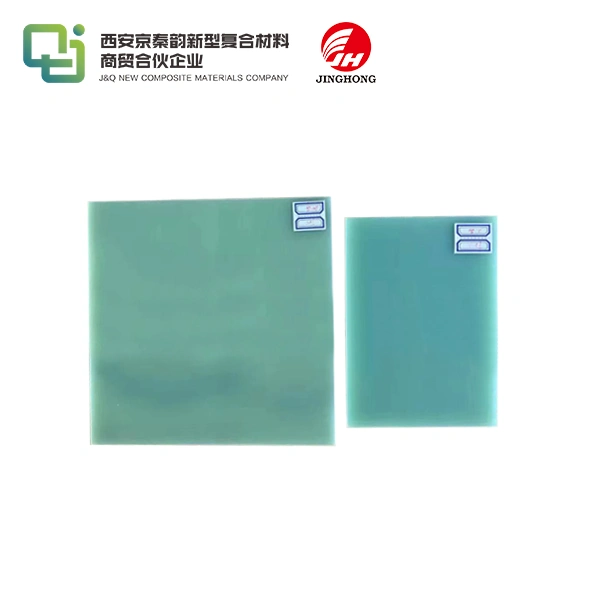
When purchasing managers and engineering managers look for materials that work perfectly in train cover uses, G10 sheet stands out as the best choice. Due to its high mechanical strength and excellent electrical insulation, this high-pressure fiberglass-epoxy laminate is an essential part of train infrastructure that can't skimp on safety, sturdiness, or longevity. With more than 20 years of experience in developing new materials and managing global supply chains, we've seen how this designed blend changes tough uses in the transportation, industrial, and electrical fields.
What is G10 Material? A Comprehensive Overview
The Engineering Behind G10 Composite Structure
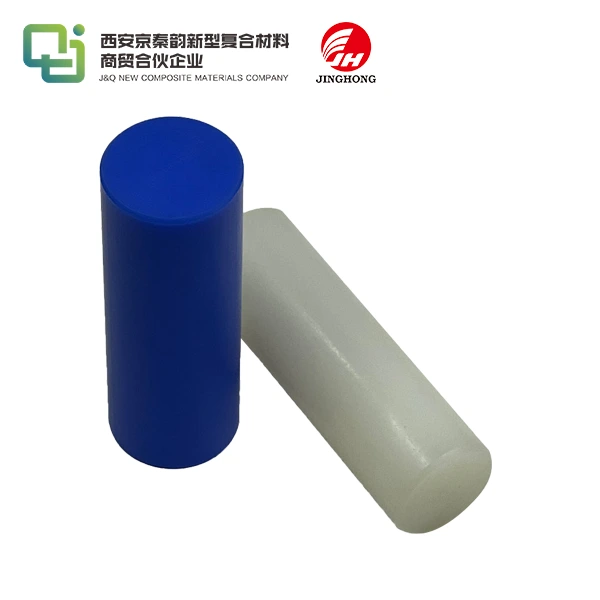
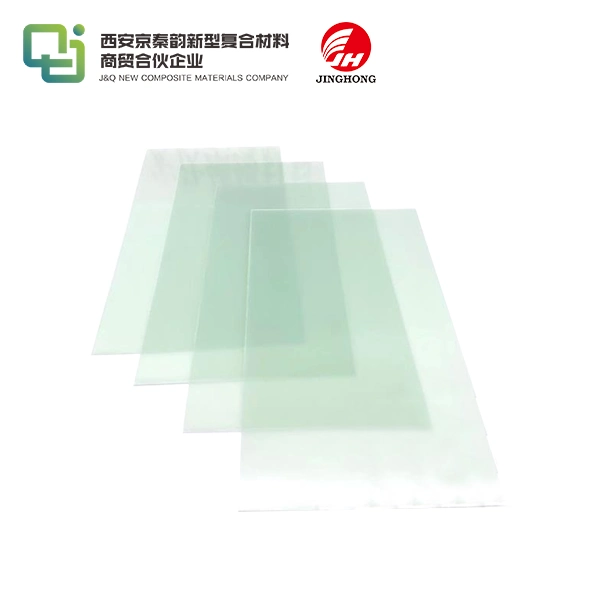
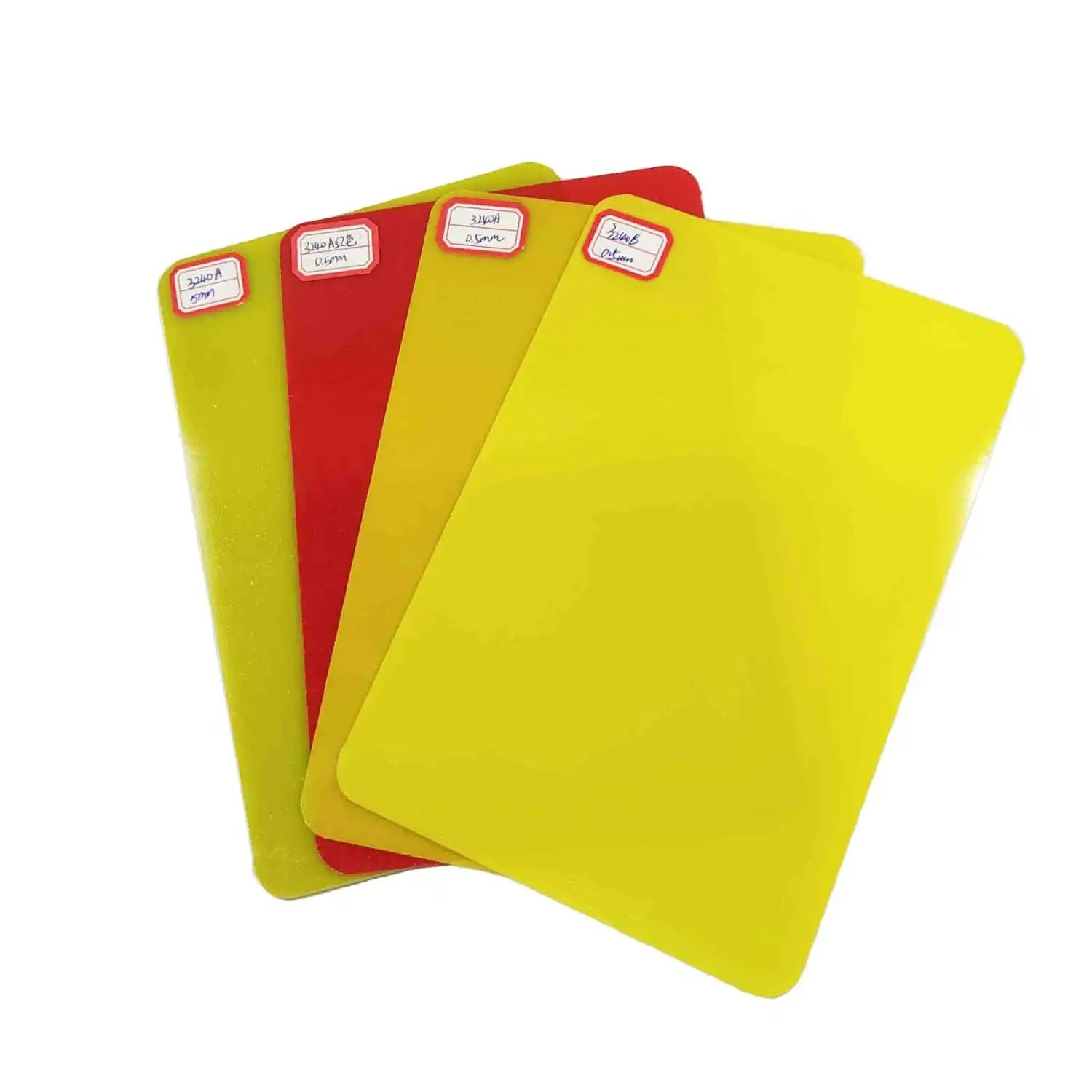
G10 is an industrial thermosetting laminate made by mixing premium epoxy resin binder with continuous filament glass cloth and then heating and pressurizing the whole thing to a high temperature. This process makes a material that is hard, stable in shape, and meets NEMA (National Electrical Manufacturers Association) standards. The epoxy fiberglass laminate doesn't absorb much water compared to metal or paper-based phenolic materials. It usually stays below 0.1%, which means that its electrical and physical stability don't change even in wet settings.
The layered building method lets makers exactly control thickness tolerances, which is very important for uses that need exact specs. Each layer of woven fiberglass cloth links molecularly with the epoxy matrix. This makes a structure that is uniform and spreads mechanical load evenly through the material. This manufacturing accuracy answers common worries about quality control and batch consistency that come up in buying.
Core Properties That Define G10 Performance
The material is stronger than 6061 aluminum in terms of its weight to strength ratio, and it doesn't carry electricity at all. It typically has a volume resistivity value higher than 10^14 ohm-cm, which makes it a good shield against electrical discharge and arc tracking in high-voltage settings. In train cover situations where both structural support and electrical isolation are necessary, this mix works really well.
Stability at room temperature is another feature that sets it apart. Standard grade G10 stays mechanically sound at temperatures up to 130°C (266°F) for long periods of time, with little thermal growth happening during this time. The rate of thermal expansion stays very low, so it doesn't warp or change size in ways that thermoplastic alternatives do when exposed to temperature changes that happen a lot in outdoor train systems.
A wide range of industrial acids, oils, and cleaning agents can't damage the material. Because they are inert, train covers keep doing their job of protecting even when they are exposed to hydraulic fluids, lubricants, and air pollutants that are common in transportation settings. Instead of metal parts that rust or biological materials that break down easily, fiberglass epoxy composite can stand up to chemical attacks and keep its structure properties.

Why G10 is the Superior Choice for Rail Covers?
Overcoming Traditional Material Limitations
Problems with traditional train cover materials keep coming up, which affects both operating safety and lifecycle costs. Metal covers make structures stronger, but they can carry electricity poorly and rust when they come in contact with water and de-icing chemicals. If you use phenolic options, they do keep you warm, but they absorb water, which makes them less stable and weaker over time. Standard plastics don't have the temperature protection and mechanical strength needed for long-term use in situations where they are being stressed mechanically.
Because of its unique set of properties, the G10 sheet makes up for these flaws. The non-conductive nature of the material gets rid of worries about stray currents in electric train systems, stopping electrical problems that could be very dangerous. The dielectric strength and surface resistance stay the same no matter the weather or how the surface is cleaned because moisture can't get through. This level of dependability directly leads to fewer repair tasks and more system performance.
Proven Performance in Demanding Environments
G10 has been shown to be able to keep its shape under long-term mechanical loads and environmental stress in rail infrastructure projects for transportation systems, power distribution networks, and industry sites. The material doesn't break down in UV light, which is what happens to regular plastics. It keeps its impact resistance and bending strength over a longer period of time. This sturdiness is especially useful for outdoor projects, where the sun would quickly break down less durable materials.
Field data from installing transformers and putting together switchgear shows that glass-reinforced epoxy parts keep gaps and stop arc tracking for a lot longer than regular insulation materials. The material doesn't creep when it's under steady load, so mounting points and fastener interfaces stay tight without having to be retorqued every so often. This is a big maintenance benefit for setups with a lot of connection points.
How to Select the Right G10 Sheet for Your Rail Cover Needs?
Matching Material Specifications to Application Requirements
To choose the right epoxy laminate sheets, you must first accurately evaluate the working conditions and performance goals. Both mechanical strength and electrical range distance are directly affected by the thickness specs. For rail cover uses, sheets usually need to be between 3mm and 25mm thick. Thick parts are better at resisting impact and keeping the structure rigid. Custom sizing lets buying teams get the most out of the materials they use while still meeting the exact size needs of current infrastructure.
Surface finish choices affect both how the surface looks and how well it works. Standard industrial finishes are very easy to machine for tasks like cutting, turning, and shaping. Textured surfaces can make them easier to grip for tasks that need to be done by hand. The material works well with CNC machining when the right tools are used, like carbide or diamond-tipped cutting tools, to handle how rough the glass fiber support is.
Quality Certifications and Supplier Evaluation
Reliable suppliers have strict quality control systems that are approved to ISO 9001 standards. This makes sure that the properties of the materials are the same from one production batch to the next. UL recognition and ROHS compliance make sure that goods meet international safety and environmental standards, which are very important for procurement teams that work with controlled industries. The test results should include proof of dielectric strength, measures of bending strength, and data on moisture absorption that shows the product meets NEMA G10 standards.
When evaluating a supplier, more than just licenses are looked at, such as production capacity, inventory access, and logistics skills. When partners in a long-term procurement relationship keep enough stock on hand to support both planned projects and unexpected needs, both parties gain. Another useful thing about a provider is technical support during material selection and application engineering. This is especially helpful when changing standard products to fit unique rail cover designs.
Economic Analysis of Material Investment
Even though the starting prices of materials for G10 sheet may be higher than those for other options, a full lifecycle study shows that they are much more cost-effective in the long run. The material is very durable, so it doesn't need to be replaced as often. This saves money on both materials and work that would be needed for multiple setups. The material's resistance to environmental degradation means that maintenance times are longer, which lowers ongoing running costs.
Electrical safety benefits have a value in lowering risk that is hard to measure but very important. Keeping electrical problems from happening saves both people and equipment and keeps expensive unexpected breaks from happening. Insurance companies and government rules often prefer materials that have been tested for safety and have the right certifications. This means that buying high-quality insulation materials is a smart way to control your risks.
Installation and Maintenance Best Practices for G10 Rail Covers
Safe and Effective Fabrication Techniques
When working with fiberglass-reinforced products, you need to follow certain safety rules and use special tools. During cutting, drilling, and shaping, the glass fiber content makes gritty dust. Proper dust filtration systems keep both people and machines safe from this irritant, which can hurt breathing systems and fine machinery. During all fabrication processes, workers should be required to wear protected gear like respirators, safety glasses, and protection clothing.
Carbide-tipped drill bits and saw blades make tools last a lot longer and make better cuts with less delamination. Compared to welding, the feed rates and cutting speeds need to be adjusted. Slower speeds and enough cooling keep the glue from getting too hot, which can lead to edge burning and errors in measurements. When the right methods are used, the material can be machined to very tight tolerances, which lets it fit perfectly into current rail infrastructure parts.
Mounting Methods and Structural Integration
The main way that epoxy laminate rail covers are attached is by mechanical fixing. When you use the right nuts with through-bolting, you spread out the tightening forces and stop stress from building up in one place, which could lead to cracks. The fastener materials should be chosen so that galvanic rusting doesn't happen when they touch different metals in the system. The clamping power of stainless steel gear stays the same over long periods of time between services and doesn't rust.
The right size holes allow for heat growth without putting mechanical stress on the material. Clearance holes that are a little bigger than the fastener's diameter let the temperature change without sticking, and countersinking or counterboring lets you place something flush when there isn't enough room for clearance. Using structural adhesives that are compatible with epoxy and match the thermal properties of the base material can help mechanical fastening in situations that need extra closing or sound dampening.
Preventive Maintenance Programs
Protocols for regular inspections find possible problems before they get in the way of protecting people. A visual inspection can find surface cracks, edge chipping, or staining that could mean the product has been exposed to more weather conditions than what was intended. Using light soaps and soft brushes for cleaning gets rid of built-up dirt and grime without hurting the finish or causing wear and tear that could lead to failure.
Electrical tests with megohmmeters confirms that the insulation resistance is still there, showing that moisture entry has not changed the dielectric properties. These measures set the standard values during installation and keep an eye on any signs of wear and tear that could mean a part needs to be replaced. Writing down what was found during inspections and maintenance tasks makes history records that can be used to guess how long parts will last and figure out the best times to replace them.
Conclusion
The best performance features of G10 sheet material make it the best choice for train cover jobs that need excellent electrical insulation, industrial strength, and resistance to the environment. Its track record in tough industrial settings shows that it is reliable, which directly leads to higher safety, lower upkeep costs, and longer service life. As we learn more about materials and how they are made, this flexible epoxy fiberglass composite keeps setting new standards for performance while also adapting to new needs in smart infrastructure and sustainable manufacturing. When procurement workers know about these important benefits, they can put their companies in a position to get the best performance and long-term value from their parts.
FAQ
What differentiates G10 from FR4 material specifications?
The main difference has to do with flame retardant chemicals. FR4 has brominated compounds that meet UL94 V-0 self-extinguishing grades, but normal G10 doesn't have these flame retardants. A lot of new goods have dual G10/FR4 grades, which means they meet both requirements. Procurement teams should make sure that sellers understand their flame resistance standards. Most industrial uses can benefit from flame-retardant formulations because they make things safer without affecting their other performance qualities.
Can epoxy laminates handle being submerged in water all the time?
Moisture absorption rates below 0.1% allow submersion for a long time without changing the size or insulating properties. Because it doesn't let water through, the material is great for naval electronics, underwater structure parts, and uses that are constantly wet. Glass-reinforced epoxy stays solid in wet settings, unlike wood or paper-based laminates that grow and separate. It keeps its mechanical strength and electrical insulation properties even after long periods of exposure.
What machining considerations apply to these materials?
Because the glass fiber infill causes a lot of tool wear, carbide or diamond tools are needed for cost-effective production. Glass bits in the air can irritate the lungs, so dust cleaning systems are needed. To keep the resin from getting too hot, the cutting settings should focus on slower speeds with enough chip removal. Even though it's hard to make, the material can be cut to very precise tolerances with the right tools and methods. It can handle complicated shapes and the exact measurements needed for precision parts.
Partner with J&Q for Premium G10 Sheet Solutions
J&Q has been making and selling high-performance insulation products to clients in the electrical, industrial, and transportation sectors for more than twenty years. Our expert team knows the most important things you need to know about the products you're buying, like how strong they are at low and high temperatures and whether they meet the standards for size and approval. As a well-known company that makes G10 sheet and also handles transportation, we offer one-stop solutions that make your supply chain easier while also guaranteeing the quality of the materials and the stability of the delivery.
Our application engineers are here to help you choose the right materials and put them in place, whether you're looking for precision-machined parts, designing electrical insulation systems, or selecting rail covers for infrastructure projects. Get in touch with our technical sales team at info@jhd-material.com to talk about your unique needs and find out how our extensive knowledge of materials and production skills can help your project succeed.
References
National Electrical Manufacturers Association. "Industrial Laminating Thermosetting Products: NEMA Standards Publication LI 1-1998." National Electrical Manufacturers Association, 1998.
Harper, Charles A. "Handbook of Plastics, Elastomers, and Composites, Fourth Edition." McGraw-Hill Professional, 2002.
Lubin, George. "Handbook of Composites." Van Nostrand Reinhold Company, 1982.
IPC—Association Connecting Electronics Industries. "Generic Standard on Printed Board Design: IPC-2221B." IPC, 2012.
Chawla, Krishan K. "Composite Materials: Science and Engineering, Third Edition." Springer Science & Business Media, 2012.
Mallick, P.K. "Fiber-Reinforced Composites: Materials, Manufacturing, and Design, Third Edition." CRC Press, 2007.