G10 vs. Phenolic for Durable, Lightweight Composite Parts
2026-04-10 14:41:08
It is very important to know the main differences between G10 sheet materials and phenolic composites before making a choice. G10 sheet is a combination made of epoxy and fiberglass. It has great mechanical strength, excellent electrical insulation, and resistance to wetness, which makes it perfect for high-performance uses. Phenolic composites, which are made from phenol-formaldehyde resins, are more affordable and have great temperature stability and wear resistance. Both materials are strong and light, but their different qualities meet the engineering needs of the electrical, automobile, and industrial machinery sectors in different ways.
Understanding the Core Properties of G10 and Phenolic Composites
Before you can choose the right insulation material, you need to know what makes each combination different in terms of its ingredients and how it was made.
Composition and Manufacturing of G10 Materials
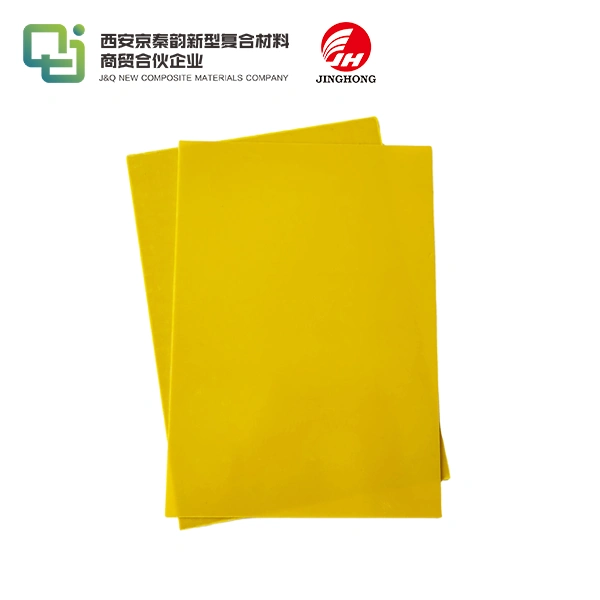
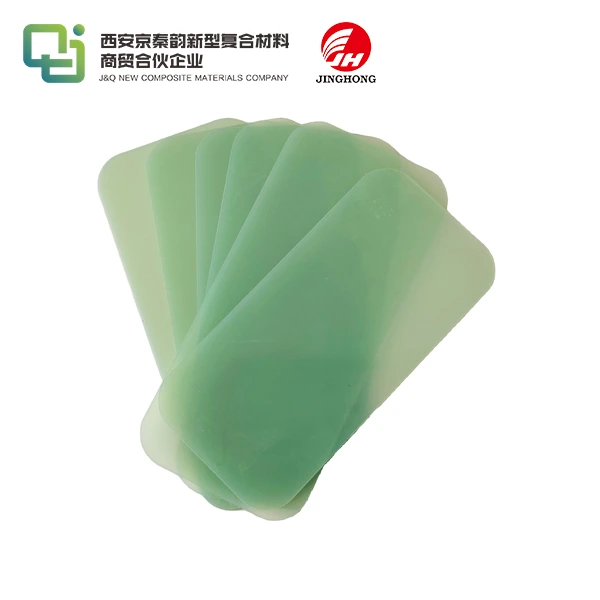
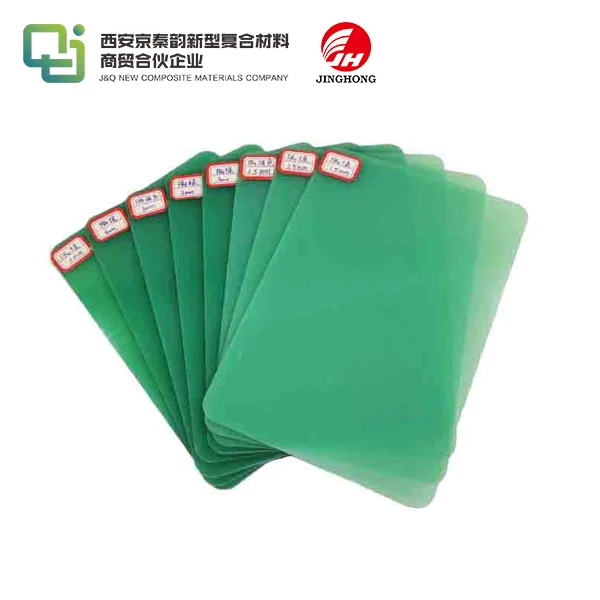
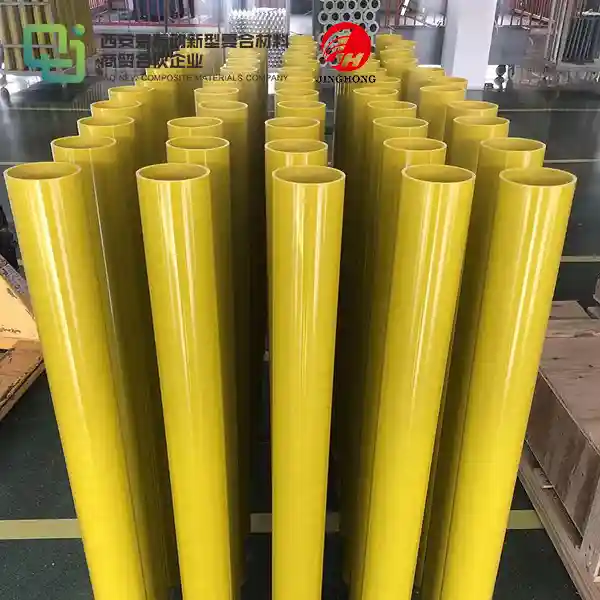
G10 sheet is made up of many layers of knitted fiberglass cloth that has been mixed with epoxy glue and then pressed together under a lot of heat and pressure. According to NEMA guidelines, this thermosetting method makes a material that is rigid and doesn't melt. The strength-to-weight ratio of the continuous fiber glass structure is higher than that of many metals, even 6061 aluminum. The glass cloth basis doesn't delaminate like paper-based laminates do, and it keeps its shape even when the temperature changes. This epoxy glue has great dielectric strength and chemical resistance, and these properties stay the same even when it's wet or exposed to air.
Phenolic Composite Structure and Production
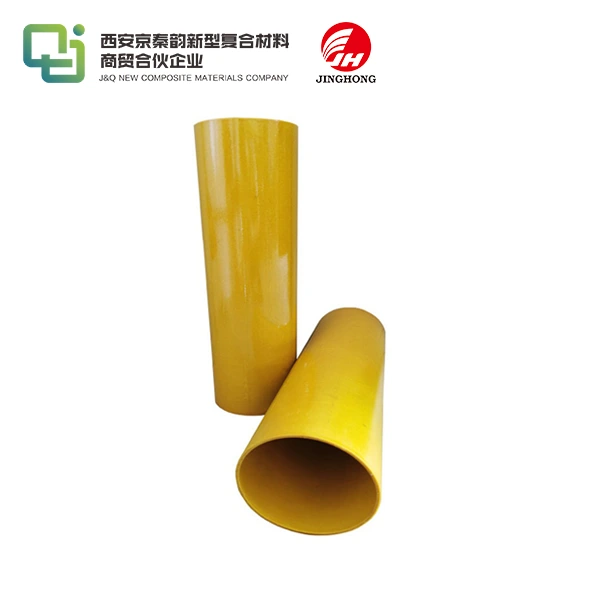
Phenolic composites are made by mixing phenol-formaldehyde glue with different types of reinforcement materials, most often paper or cotton cloth. The process of making it is similar to making G10 sheet, but the chemicals used are different. Resin is mixed in and then heated and pressed to harden. Because phenolic resin is naturally thermally stable, these materials are very good at withstanding heat. The cotton or paper support makes the material stronger and lets you machine it precisely. Phenolic sheets keep their shape even when they are exposed to heat for a long time. This makes them useful for situations where cost is important and heat is needed.
Critical Performance Parameters Comparison
There are a number of factors that engineering managers use to choose which of these materials to look at. The mechanical strength of different materials is very different. For example, G10 sheet has a tensile strength of over 40,000 psi, while phenolic cotton sheets have a range of 8,000 to 12,000 psi, based on the type of support used. Another important difference is dielectric strength. When it comes to voltage breakdown resistance, G10 sheet stay above 400 volts per mil, while phenolic composites are usually between 200 and 350 volts per mil. Moisture absorption has a big effect on performance. G10 sheet takes less than 0.1% water by weight, but phenolic materials may absorb 0.5 to 2%, which could make their electrical and physical stability worse in damp places.
The thermal properties are also very different. Standard G10 sheet works steadily at temperatures around 130°C, while phenolic blends can be exposed to temperatures up to 150°C for a long time without breaking down much. But G10 sheet keeps its mechanical traits more regularly across a wider range of temperatures. This is because it has a lower coefficient of thermal expansion, which makes it more accurate in demanding situations.

Evaluating Performance in Key Industrial Applications
Knowing how these materials work in real life situations helps procurement teams make choices that are based on facts and meet business needs.
Electrical and Electronics Manufacturing Applications
The choice of material has a direct effect on safety and life in switchgear assemblies and transformer building. G10 sheet works great in places with a lot of electricity where arc tracking could be dangerous. Power distribution companies depend on its high dielectric endurance to keep substations that work in wet conditions from failing in terrible ways. Even if the surface gets dirty, the material's spark resistance and tracking resistance keep it electrically isolated.
Phenolic sheets, unlike G10 sheet, work well in low-voltage situations like motor junction boards and device insulation frames. They're good for mass production in home products because they have enough insulating strength and aren't too expensive. The thermal stability of phenolic materials is appreciated by companies that make motor parts because it protects against the heat that is produced during long operation cycles.
Another place where these materials are different is in the PCB support systems. G10 sheet and its flame-resistant version FR4 are the most common materials used to make printed circuit boards because they are easy to cut with a CNC machine and don't change size during the joining process. Epoxy-glass laminates have mostly replaced phenolic boards in high-tech electronics where dependability cannot be compromised. Phenolic boards were once used for single-sided PCBs.
Industrial Machinery and Equipment Integration
When making machinery, the materials they use have to be able to handle mechanical stress and keep electricity from flowing through them. G10 sheet works great in precise jigs, fittings, and structural supports where exact measurements are important. The low thermal expansion of the material makes sure that parts stay within tight tolerances even when temperatures change in production settings.
Phenolic cotton sheets are often used for things that don't break down easily, like gear flats, mechanical spacers, and bearing supports. They are useful in spinning machinery parts because they can lubricate themselves and reduce friction. OEM sourcing managers like that the material is easy to machine, which lets them make complicated shapes without having to buy expensive special tools.
Industrial equipment makers have provided real-world performance data that shows that G10 sheet parts stay structurally sound even when they are under constant mechanical loads of more than 10,000 psi, while phenolic parts work reliably in situations with moderate stress levels and high temperatures. This difference in performance helps mechanical engineers choose materials that are right for the loads they will be working with and the situations they will be working in.
Automotive and Aerospace Component Solutions
More and more, companies that make parts for cars want materials that meet strict quality standards and help with efforts to make things lighter. G10 sheet is very important in battery pack insulation walls, which need to keep electricity from getting in while also supporting the structure. Manufacturers of electric vehicles choose epoxy-glass laminates for thermal management parts because they are strong and don't melt in hot weather.
Phenolic materials are used in vehicle uses that need to block heat and reduce noise. The temperature stability and vibration-absorbing properties of phenolic composites make them useful for parts inside the engine area. The material's good strength-to-weight ratio helps meet fuel economy goals while keeping parts durable.
G10 sheet's ability to work at high temperatures is used in aerospace uses. The material's ability to keep its mechanical qualities at the same level of strength across temperatures ranging from -196°C to 130°C is important for cryogenic equipment and high-altitude systems. The aircraft industry has strict certification standards that favor G10 sheet's track record in mission-critical uses where failure of materials is not acceptable.
Comparing Cost, Availability, and Sustainability Aspects
Buying things involves more than just technical specs; it also involves thinking about things like environmental duty, total cost of ownership, and the supply chain.
Price Structures and Volume Economics
G10 sheet materials usually cost more because they are made with more complicated chemicals and are harder to work with. The costs of raw materials for epoxy glue and fiberglass cloth are higher than those for phenolic parts. For high-volume needs, however, bulk buying deals with well-known providers can lead to low prices. Technical buying teams shouldn't just look at unit price; they should also look at things like lower failure rates, less upkeep, and longer service life.
Phenolic composites are cheaper options, especially for large sales where cost is a big factor in the choice of material. When the performance characteristics of phenolics meet practical needs without being too specific, the price benefit becomes important. This difference in cost is used to keep prices low in mass-production situations for appliances and industrial tools.
Supply Chain Reliability and Lead Times
Material supply depends on where you live and what your provider can do. Building ties with makers who have a lot of production capacity will ensure a steady supply even when demand changes. When suppliers have integrated logistics skills, they cut down on wait times and the risks that come with buying things when there aren't enough materials.
Our more than twenty years of experience making insulation sheets and more than ten years of experience trading internationally show how important it is to work together with suppliers. Procurement managers can avoid expensive production delays by working with makers who keep enough inventory on hand and offer flexible schedules for production. By understanding how regional supply changes in the US market, you can make smart choices about where to buy things that balance cost, quality, and transport trustworthiness.
Environmental Impact and Lifecycle Considerations
Concerns about sustainability are becoming more and more important in B2B buying plans. The creation of G10 sheet uses a lot of energy for curing and making glass fiber, which adds to its impact on the world. But the material is very durable and lasts a long time, so it doesn't need to be replaced as often. This could offset the initial environmental costs by providing longer service life.
When it comes to the climate, phenolic compounds are different. Concerns have been made in the past about the phenol-formaldehyde resin system and formaldehyde fumes during production and possible off-gassing. These problems have mostly been fixed by modern manufacturing methods that use better resin formulas and more controlled production settings. Both thermoset materials are still hard to recycle, but new technologies are looking into ways to recycle them mechanically and recover energy.
Lifecycle studies help buying managers figure out how much a product's extraction, production, shipping, use, and destruction at the end of its useful life affect the environment. Companies that care about their social duty are adding these evaluations to their buying criteria more and more because they know that the materials they choose affect their overall sustainability goals.
How to Choose Between G10 and Phenolic for Your Application?
To choose between these blends, you need to carefully look at the technical needs, working limitations, and business goals.
Decision Criteria for Engineering Managers
The selection of materials is based on their mechanical performance needs. Because it is stronger, G10 sheet is usually better for uses that need to handle high compression or tension loads. Electrical shielding needs to be carefully thought out. For high-voltage uses that need strong dielectric strength and arc protection, G10 sheet materials are needed, but phenolic materials may work in lower voltage situations.
Exposure to the environment has a big effect on how suitable a material is. Parts that work in damp or wet situations benefit from G10 sheet's low moisture absorption, which keeps the parts' shape and electrical qualities. Phenolic materials work well in controlled settings, but they may break down if they are exposed to water for a long time.
Industry-Specific Material Recommendations
Manufacturers of electrical and electronic goods should use G10 sheet for switchgear parts, transformer insulation, and PCB projects that need to meet UL and RoHS standards. The material has been used in electrical systems before, so you can be sure it will work well in the long run.
When performance needs are met at the lowest cost, phenolic cotton sheets can be used to make wear parts, mechanical spacers, and structural insulation for industrial machines. For precise parts that need to stay the same size and withstand heavy loads, G10 sheet should be used.
FR4 grade G10 sheet materials that meet UL94 V-0 flammability ratings are good for uses in the power and energy sector that need approved quality systems and flame protection. Epoxy-glass laminates work really well as arc shields and as coil shielding in transformers.
When making parts for electric vehicles, automakers should use G10 sheet for battery pack barriers and high-voltage insulation. Phenolic composites, on the other hand, work well in heat shields and mounting brackets where thermal stability is more important than ultimate mechanical strength.
Avoiding Common Material Selection Pitfalls
Misusing materials is often caused by not doing enough proof testing. Procurement teams should request that samples be tested in settings that are similar to the real working situations. Accelerated aging tests, temperature cycles, and mechanical stress tests show possible ways that something might fail before it is committed to full-scale production.
Another common mistake is not paying attention to the needs of cutting. Because G10 sheet has glass fibers in it, it needs carbide or diamond tools and good dust separation methods, which makes it more expensive to make than phenolic materials. Knowing these effects on the future keeps costs from going up more than planned.
When width limits aren't taken into account enough, they can mess up the assembly process. Suppliers with a good reputation keep tolerances very tight, but the specs for the purchase must make it clear what ranges of variation are allowed. Verifying a supplier's quality control skills through site checks or third-party certifications lowers the risks that come with inconsistent measurements.
Conclusion
For long-lasting and light-weight uses in the power, industrial, automobile, and electrical fields, both G10 sheet and phenolic composites have their own benefits. When better mechanical strength, excellent electrical insulation, and resistance to moisture make it worth the extra cost, G10 sheet is the best choice. When heat protection and good mechanical function are important, phenolic materials are a cost-effective choice. To choose the right material, you need to carefully think about the performance needs, the surroundings, and the total cost of ownership. Companies can make the best material decisions for long-term competitive edge by forming partnerships with qualified suppliers, enforcing strict quality standards, and keeping an eye on new technologies.
FAQ
Which material offers better electrical insulation properties?
When compared to phenolic compounds, G10 sheet has better dielectric strength and arc protection. The epoxy-fiberglass construction keeps its electrical insulating qualities even in damp places, which makes it ideal for high-voltage switchgear and transformer uses. When tools and motor parts are used in low-voltage situations, phenolic materials provide enough protection.
Can phenolic materials replace G10 in cost-sensitive applications?
Phenolic composites work well when reasonable mechanical strength and temperature stability are enough to meet the needs of the job without needing G10 sheet's top-notch performance qualities. In situations with controlled conditions and standard electrical insulation needs, phenolic replacement is often possible, which saves a lot of money when making a lot of them.
How do these materials perform in moisture-exposed environments?
When G10 sheet is buried or exposed to high humidity, they don't take more than 0.1% of their weight in water. This means that their electrical properties and shape stability stay the same. Phenolic composites can soak up between 0.5 and 2% of their weight in water, which could make them less effective when they're wet. Applications that use marine electronics and outdoor gear should select G10 sheet for solid long-term performance.
Partner with J&Q for Premium Composite Material Solutions
J&Q serves the electrical, industrial, and automobile sectors with more than twenty years of experience in manufacturing and more than ten years of experience in foreign trade. Our large selection of G10 sheet materials and phenolic composites meets a wide range of application needs at a price that is both competitive and approved. As a provider of G10 sheet with combined logistics, we offer a one-stop service from choosing the materials to delivering them all over the world, keeping your procurement schedule on track. Our expert team gives you personalized advice on how to match the specs of the materials you need with your exact performance needs. They are backed by ISO and UL certifications that ensure consistent quality. Email us at info@jhd-material.com to talk about your unique composite material needs and get expert advice on how to make your part designs last longer, work better, and cost less.
References
National Electrical Manufacturers Association. "NEMA Standards Publication LI 1-2019: Industrial Laminating Thermosetting Products." National Electrical Manufacturers Association, 2019.
Harper, Charles A. "Handbook of Plastics, Elastomers, and Composites." McGraw-Hill Education, 2002.
Lubin, George. "Handbook of Composites." Van Nostrand Reinhold Company, 1982.
Mallick, P.K. "Fiber-Reinforced Composites: Materials, Manufacturing, and Design." CRC Press, 2007.
Peters, S.T. "Handbook of Composites: Second Edition." Chapman and Hall, 1998.
Strong, A. Brent. "Fundamentals of Composites Manufacturing: Materials, Methods and Applications." Society of Manufacturing Engineers, 2008.
_1747991245292.webp)