The Comprehensive Guide to Bakelite Sheets: Types, Sizes, and Uses
2026-04-13 17:18:42
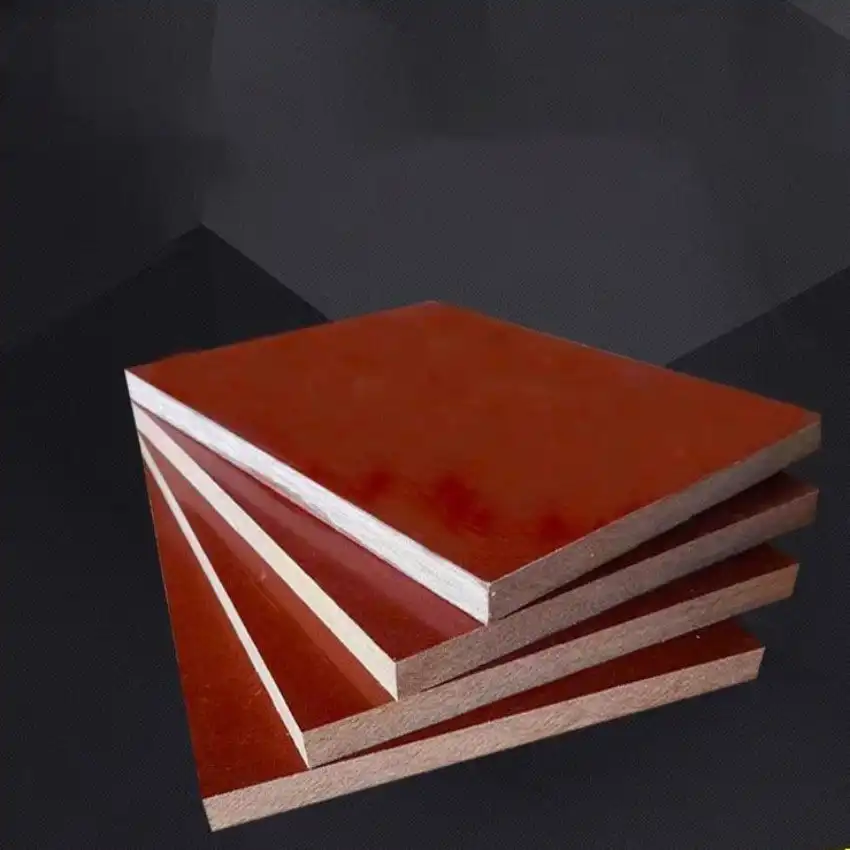
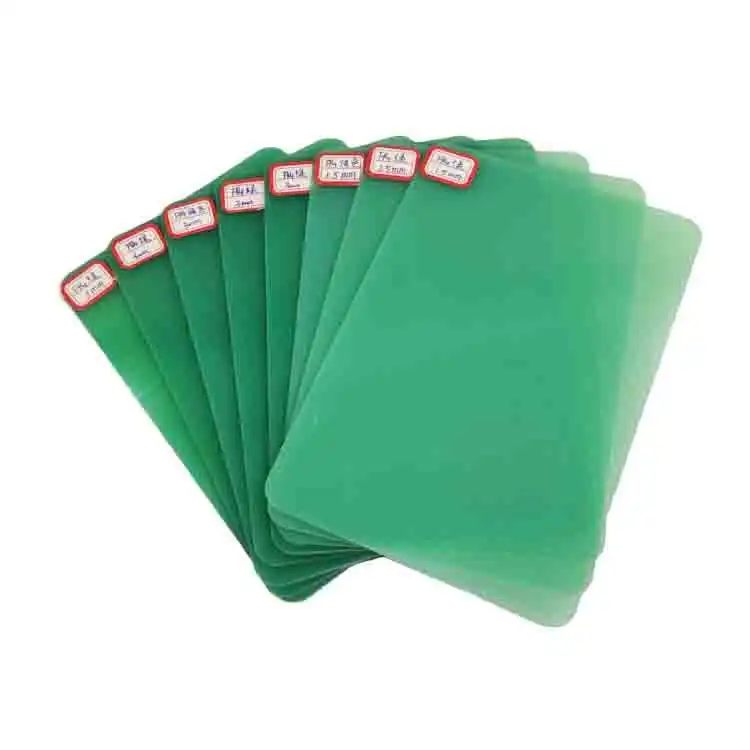
With Bakelite sheet, you can cover something that won't break when heat or electricity is applied. This thermoset phenolic laminate was the first man-made plastic in the world, made more than one hundred years ago. Because it is supported by paper or cloth and phenolic glue, it has a high dielectric strength, can handle heat, and is tough. Find out about the different kinds of Bakelite and their specifications. This will help you pick the right material for tasks that must be done perfectly, like making circuit parts, motor insulation, or fittings that are precisely made.
Understanding Bakelite Sheets: Composition, Properties, and Manufacturing
Polyoxybenzylmethyleneglycolanhydride is the building block for Bakelite sheet. It is a thermosetting material that forms under heat and pressure and can't be undone. Leo Baekeland got a patent for this wonderful material in 1909. In the electrical business, they needed a heat-resistant insulation that could be made better than natural materials like rubber and shellac.
The Chemical Foundation of Phenolic Laminates
Soaking cellulose paper or cotton cloth in liquid phenolic resin is the first step in the process. It is stacked on top of each other before it goes into hydraulic presses that work at temperatures between 138°F and 350°F (280°C to 177°C) and pressures of more than 1,000 psi. While the glue cures, it polymerizes, which means it joins the support layers together to make a hard substance with cross-linked molecule chains that don't melt or break down chemically.
Key Physical Properties That Drive Industrial Adoption
Phenolic sheets made of paper have a dielectric strength of 12 to 16 kV/mm, which means they can protect systems up to 15 kV in middle voltage. They can handle temperatures up to 250°F (121°C), and short exposures to up to 300°F (149°C) are fine. The cloth still only soaks up less than 1.5% water after 24 hours, so it keeps its shape when it gets wet. Most of the time, tensile strength is over 8,000 psi and flexural strength is over 15,000 psi. This makes sure that parts of the structure that are bent can still stay together.
Fabric-reinforced forms, which are also known as canvas phenolic sheets or linen phenolic sheets, can handle shocks and weight better. These kinds don't use paper, but knitted cotton or linen instead. This makes the tensile strength 12,000 psi and the flexural strength more than 20,000 psi. That is because the cloth base makes it easier to machine. This means that CNC processes use fewer tools and last longer.
Manufacturing Variations and Their Impact on Performance
Different grades are made by changing the resin mixes and drying times to meet different needs. Normal-grade sheets are the best choice for transformer spacers and junction boards because they are cost-effective and good at blocking electricity. There are types that are more durable than others. These have tighter weaves and harder resins, so they last longer when they rub or slip. UL 94 V-0 standards are met by flame-retardant types, which have added packages that put out fires. This is safe enough to be used in power transfer tools.
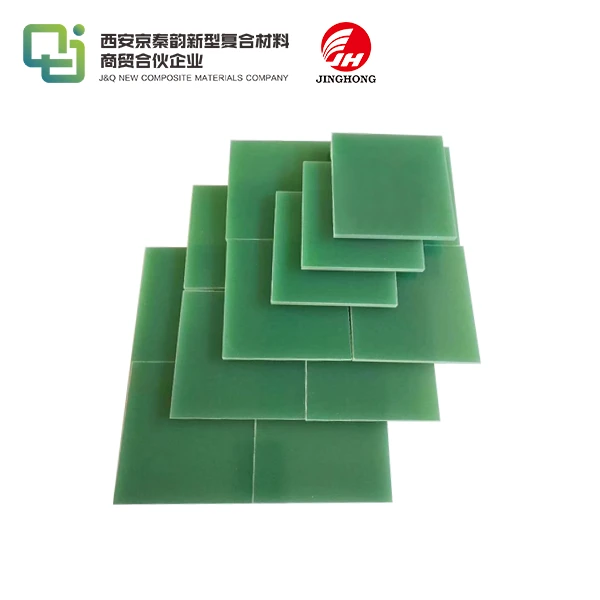
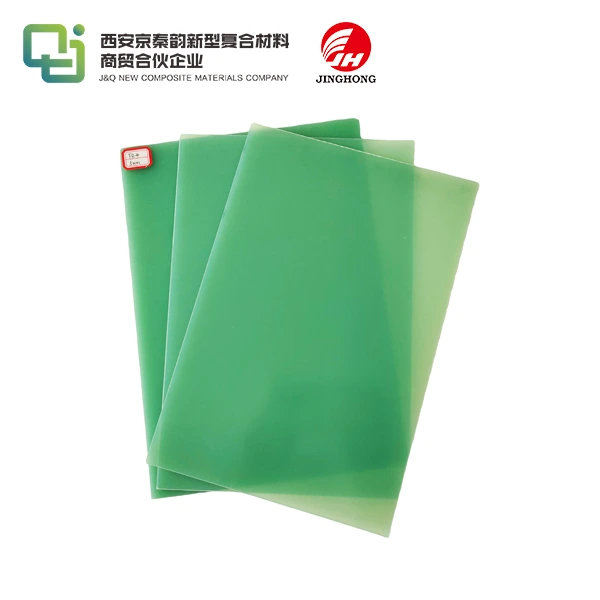
A sheet is usually between 0.5 mm and 50 mm thick, and standard panel sizes of 1,020 × 1,220 mm and 1,020 × 2,040 mm are good for most cutting jobs in the business world. To be exact, custom thickness limits are set to ±0.1 mm, and surface finishes can be matte or polished, depending on what needs to be put together next.
Types and Sizes of Bakelite Sheets: Choosing What Fits Your Needs
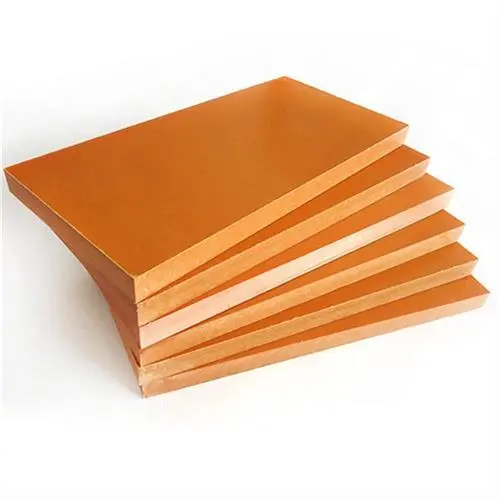
You need to fit the material's features to the job's needs in order to pick the right phenolic laminate grade. Bakelite sheet variants made of paper and cloth are used for different things. You can understand the trade-offs between performance and cost by comparing them to other plastics.
Paper-Based Phenolic Sheets (SRBP)
Paper sheets made of synthetic resin and glue (SRBP) for Bakelite sheet are the least cost option for phenolics. They work well with electricity and are strong enough mechanically. When protecting against electricity is important but there isn't a lot of mechanical stress, these grades work great. People often use them for PCB boards, fuse blocks, and wire strips. They are easier to machine and have better edges than cloth forms because they are made of fine paper. This cuts the cost of post-processing in large-scale production.
Fabric-Based Phenolic Sheets (SRBF)
Fabric sheets made of synthetic resin (SRBF) can be made from cotton duck, linen, or synthetic materials. They make the motor efficiency better for uses that need to hold weight. These types are better for gears, bearing retainers, and structural frames that are hit or loaded all the time because the woven support spreads stress out more equally. Fabric phenolics hold their shape better than paper grades when they are mechanically stressed, but because they are rougher, they may need extra steps to be finished to make them look nice.
Standard Sizes and Thickness Options
Industrial providers keep standard-sized sheets in stock so that customers don't have to wait long and processing costs are kept low. You can thicken in steps of 0.5 mm, 1 mm, 1.5 mm, 2 mm, 3 mm, 5 mm, 8 mm, 10 mm, 15 mm, 20 mm, 25 mm, 30 mm, 40 mm, and 50 mm. Panels that are 1,020 × 1,220 mm can be used with most CNC machines and waterjet cutters. The 1,020 × 2,040 mm sheets are bigger and can fit bigger parts or cutting plans that nest together to get the most material out of them.
A custom cutting service lets purchasing teams buy pieces that are already the right size. This cuts down on the work that needs to be done in-house. CNC machining centers can use carbide tools to cut phenolic laminates so that holes are within 0.05 mm of each other and the quality of the cuts is good enough for tight-fit systems. Some service providers offer laser cutting for difficult forms, but the edges may need to be deburred after they are carbonized.
Authenticating Quality and Compliance
Fake or poor quality phenolic sheets can hurt both safety and effectiveness. According to ASTM D229, material test results from reliable manufacturers show scores for tensile strength, electrical strength, and flammability. Norms like IEC 60893 and UL 94 ensure strict quality controls are being used when there are approval marks like UL recognition, ROHS compliance, and ISO 9001 quality systems. It should look like the color and texture are all the same, and there shouldn't be any cracks, holes, or places with a lot of glue that show the sealing wasn't done right.
Applications of Bakelite Sheets in Various Industries
Bakelite sheet products are used in numerous fields that need strong security that lasts for a long time. They have a history of success with both old and new technologies for cars and power systems.
Electrical and Electronics Manufacturing
It is because of phenolic insulators that live wires stay separate and arcing problems in switchgear systems are avoided. Phenolic laminates are used in busbar supports, circuit breaker barriers, and contactor housings to stop arcs and keep things from setting on fire. It meets the requirements set by IEC 61439 and UL 891 for low-voltage switchboards. The stator windings are exposed to temperatures close to 155°C and mechanical movements that put stress on the insulation system. To protect them, motor manufacturers use phenolic wedges and slot covers.
For both single-sided and double-sided PCBs in low-cost consumer electronics, thinner Bakelite sheet materials are used. Most of the time, FR4 epoxy laminates are used in stacked designs. However, phenolic PCBs are still widely used in toys, appliances, and LED light settings that don't need a lot of complexity or frequency response.
Industrial Machinery and Equipment
Gears and bearings that don't need to be cleaned or made of fabric phenolic sheets are used. This means that conveyor systems and packing tools need less maintenance. Wear plates and guide rails made from high-strength grades can handle rough materials. This means crushing and moving heavy things for longer. Galactic corrosion between metals that are not the same is stopped by phenolic gaps and shims in electronic systems. This keeps electrical links from leaking.
Power and Energy Sector
Between the layers of coils, phenolic shields are put by the people who make transformers. When there is a fault, these walls stop voltage changes and keep electromagnetic forces in check. It's important that these walls can stay strong for a long time at temperatures close to 130°C. This is always true for phenolic laminates. When the medium-voltage switchgear is moving, phenolic plates are used in the arc chutes to keep sparks in check and put them out. The material can handle this because it doesn't easily break down or get hot.
Automotive and Transportation
The battery pack units in electric cars have phenolic barriers and fixing frames that keep the electrolyte from getting wet and the temperature from shifting. The material doesn't let heat move easily, so it helps keep heat inside cell units and keeps close parts from getting too hot or too cold. Phenolic stays the same size from -40°F to 250°F (-40°C to 121°C), which makes it useful for things like ignition coil bolts and sensor housings that are inside the car.
Home Appliances
People can't touch the hot parts of toaster frames, coffeemaker bases, and iron handles because of phenolic molds and sheet stock. The material can be bent, so it can be used to make complicated shapes with wire lines and mounting bosses that speed up the building process. In price-sensitive markets, phenolic's short fix times and low post-processing needs help keep unit prices low during mass production.
Procuring Bakelite Sheets: Supplier Selection, Pricing, and Services
Before you buy phenolic laminates, make sure you know what the supplier can do, if they are qualified, and if they offer any extra services that make the process of putting Bakelite sheet components together easier.
Criteria for Evaluating Suppliers
Suppliers of Bakelite sheet you can trust have quality management systems that are approved by ISO 9001. This makes sure that each batch of the material has the same qualities. Following international safety standards is shown by the fact that UL and IEC 60893 electrical laminate standards are met. The mechanical, electrical, and heat properties that were tested using ASTM standards should be written in the technical datasheets. Lead times depend on how much can be made and how much is already in stock.
Custom Cutting and Fabrication Services
A lot of companies offer services like CNC grinding, waterjet cutting, and punching that make finished parts that are ready to be put together. These extra services mean you don't have to buy your own tools for making things, and by using better building techniques, you can reduce the amount of waste. Custom cutting also speeds up production plans by cutting out internal wait times. This is useful when a new product comes out or demand rises quickly. When you hire a professional fabricator, you can usually get closer standards than you can at home.
Logistics and Delivery Solutions
To make sure they don't break while being shipped, phenolic sheets need to be carefully packed. When suppliers' shipping networks work together, they make sure that the right packing, moisture barriers, and shock absorbers are used. This cuts down on the number of damage claims. The United States has local storage that helps just-in-time production plans. You can ship phenolic sheets with materials that work well together, like FR4 or epoxy bars, when you choose combined shipping.
Leading Manufacturers and Emerging Trends
Some well-known brands of phenolic laminates have been making them for decades and have expert support teams that can help you choose the types that will work best in different situations. To follow the new rules about the environment, flame retardants that don't contain halogens are becoming more popular. Smaller, stronger grades are also becoming popular because they make things lighter for shipping. Digital tracking with QR-coded stickers on materials lets you check for quality and show proof of compliance, which is important in fields like medicine and aviation.
Conclusion
Bakelite sheet products are still very important in the car, electrical, and manufacturing fields because they protect against heat, electricity, and wear and tear better than any other material. The buying teams can easily choose materials if they know the differences between paper-based and fabric-reinforced grades, pick suppliers with quality systems that have been shown to work, and know which classes are best for which uses. As companies try to be more efficient and follow the rules, phenolic laminates change to keep up. They do this by using new recipes and more precise manufacturing. They can be used with both new and old tech. When you source things strategically, with a focus on technical support, customization, and dependable transportation, you can turn raw materials into competitive advantages that help your goods meet strict standards while keeping costs low.
FAQ
What thickness should I choose for electrical insulation?
In this case, the voltage class sets the minimum width requirements. Before 600V, 1 mm to 3 mm sheets are generally enough because they are light, cheap, and have the right amount of insulating strength. Medium-voltage systems with 1 kV to 15 kV need thicknesses between 5 mm and 10 mm to make sure there is enough room for insulation and power. Always use the IEC 60664 clearance and creepage tables along with the dielectric strength of the material.
How does CNC machining affect phenolic sheet properties?
When CNC is used to cut phenolic sheets, the slowest speeds for carbide tools are 300 to 600 surface feet per minute. This way, they don't get too hot and damage the resin bonds near the cuts. Air or coolant helps chips get rid of heat and keep the temperature steady. If you make edges the right way, they keep all of their mechanical and electrical properties. Light deburring gets rid of any free threads. Too high of feed rates can tear or chip sheets that are less than 2 mm thick.
Can phenolic sheets withstand outdoor exposure?
When phenolic resins are exposed to ultraviolet light for a long time, they break down. This causes color loss and surface chalking. This breaks down faster when the weather and amount of fluids change. If the Bakelite sheet is going to be used outside, it needs to be covered or protected from rain and strong sunlight. When it comes to humidity, phenolic sheets work best inside. It will be possible to use them for decades.
Partner with J&Q for Reliable Bakelite Sheet Supply
How well your production runs and how durable your parts are will depend on how well you find a source for phenolic resin. For over 20 years, J&Q has been making things. For the past 10 years, they have been dealing with other countries. Because of this, you can trust us to give you Bakelite sheet that is strong enough for commercial use. We can offer cheap prices on our goods without lowering their quality because we have a lot of connections with trade companies around the world. We also have our own logistics department, which makes it easy for us to handle everything from making an order to sending the finished product. Our large inventory has a lot of different standard sizes and grades, and our CNC manufacturing skills let us cut raw sheets into parts that are exactly what you need. We work with your engineering staff to find the best solutions, whether you need UL-approved insulators for switching systems or spacers that won't wear down on machines. Get in touch with us right away at info@jhd-material.com to talk about your needs and get a full quote that fits your project.
References
Baekeland, L. H. (1909). The Synthesis, Constitution, and Uses of Bakelite. Industrial & Engineering Chemistry Journal, Volume 1, Issue 3.
American Society for Testing and Materials. (2019). ASTM D229: Standard Specification for Rigid Sheet and Plate Materials Used for Electrical Insulation. ASTM International.
International Electrotechnical Commission. (2020). IEC 60893: Insulating Materials - Industrial Rigid Laminated Sheets Based on Thermosetting Resins for Electrical Purposes. IEC Standards.
Underwriters Laboratories. (2021). UL 94: Standard for Safety of Flammability of Plastic Materials for Parts in Devices and Appliances. UL LLC.
Harper, C. A. (2006). Handbook of Plastics, Elastomers, and Composites. McGraw-Hill Professional Publishing.
Strong, A. B. (2008). Plastics: Materials and Processing. Pearson Education, Third Edition.