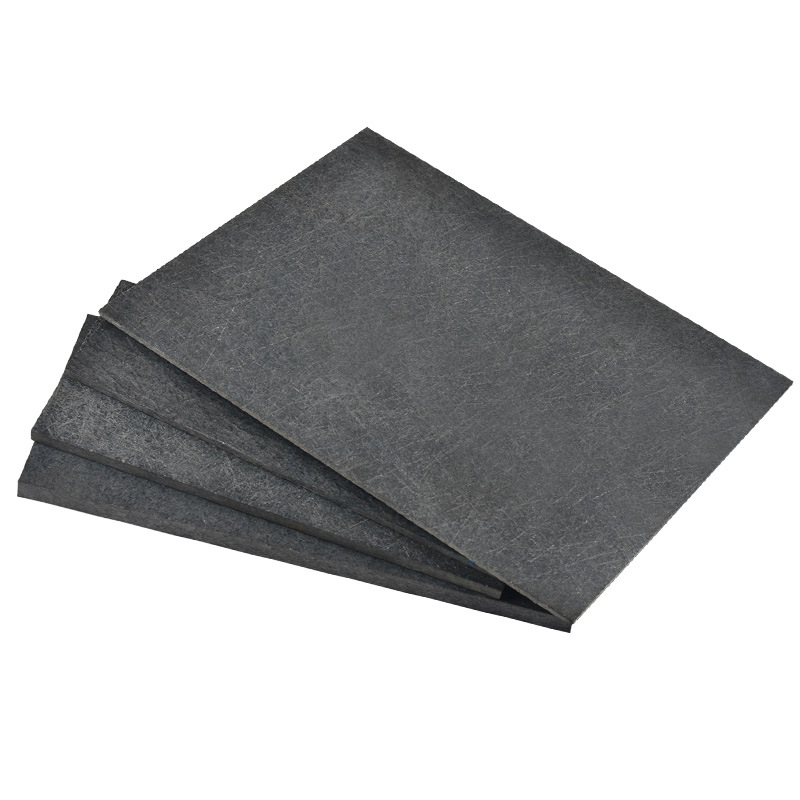
Industrial-Grade G10 Sheet for Solar Panels
2026-04-13 17:18:45
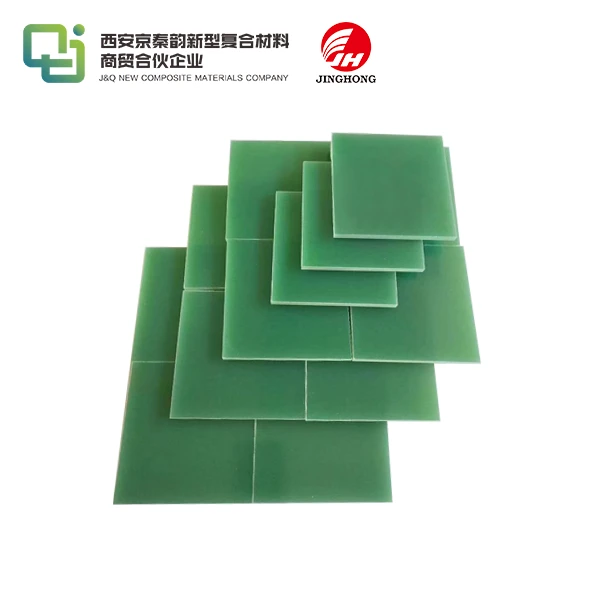
G10 sheet is the best material for making solar panels because it is well-suited for both electrical stability and structural strength. This high-quality composite is made of continuous thread glass cloth that is fully filled with epoxy resin. It has great dielectric strength and mechanical stability. Solar panel makers use these layered sheets to make insulating parts that can last for decades in harsh environments and keep important electrical isolation between sensitive parts.
Understanding Industrial-Grade G10 Sheets for Solar Panels
What Defines Industrial-Grade G10 Material?
Industrial-grade G10 sheet is a thermosetting laminate made by pressing layers of glass cloth together under a lot of pressure to mix with an epoxy resin glue. Multiple layers of fiberglass cloth are bonded together using controlled heat and pressure during the production process. This makes a rigid material that is stronger than aluminum metals in terms of its strength-to-weight ratio. This material doesn't absorb water nearly as much as paper-based phenolic laminates do—below 0.1%. This means that the electrical qualities stay stable even in wet places. The structure of the continuous glass filaments gives the sheet the same mechanical properties throughout its length. This makes it reliable for use in precision engineering tasks.
Evolution and Proven Reliability in Solar Applications
When the solar panel business grew in the 1980s, traditional insulation materials stopped working when exposed to changes in temperature and wetness. This is when epoxy glass laminates came into use. Over 40 years of field data show that properly designed glass-epoxy materials keep insulating for 25 years after the panel warranty ends. Because the material is dimensionally stable, it doesn't bend, which could damage the seal or cause electrical clearance violations. New developments in plastic formulations have made them more resistant to UV light and less likely to expand and contract when heated or cooled. These changes have filled in performance gaps found in earlier installations.
Critical Performance Characteristics for Solar Manufacturing
The material has a dielectric strength of more than 20 kV/mm, which keeps voltages from dropping in high-efficiency panel designs that work with system voltages above 1000V. Its thermal resistance keeps its mechanical properties from changing from -40°C to 130°C, which is the same temperature range that solar sites around the world use. Moisture resistance gets rid of the problems with swelling and delamination that come up with wood-based or cotton-phenolic options in warm or coastal settings. The junction box fixing surfaces stay the same size even though the temperature changes every day because they have a low coefficient of thermal expansion. When stated in FR4 versions, flame resistance meets UL94 standards, meeting safety requirements for placements on rooftops.
When buying teams understand these scientific basics, they can see how epoxy glass laminates help products last longer, have fewer warranty claims, and convert energy more efficiently by providing reliable electrical isolation and structural support.
How to Choose the Right G10 Sheet for Solar Panels?
Matching Specifications to Operating Environments
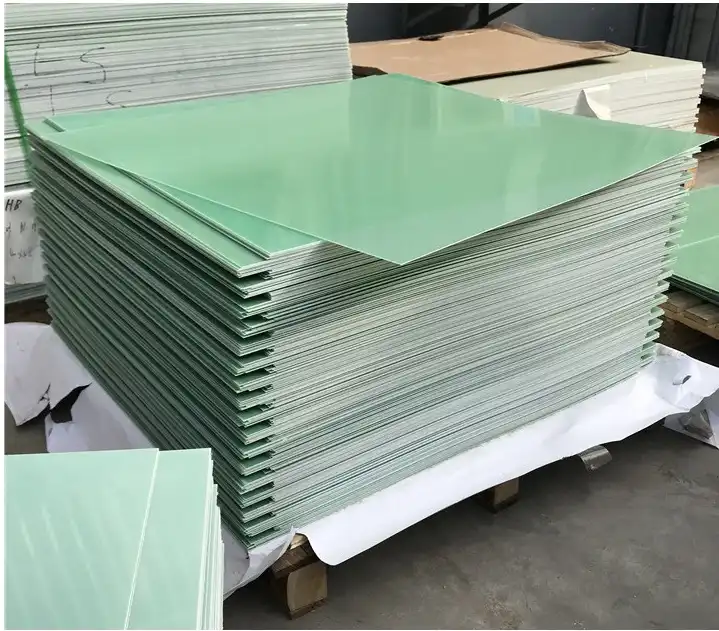
It's necessary to look at the solar panel's placement surroundings and electrical design in order to choose the right laminate grades. Panels that will be used in dry regions need materials that are more resistant to UV light and thermal aging. Marine sites, on the other hand, need materials that don't let any water through. G10 sheet thickness usually runs from 0.5 mm for junction box insulators that aren't very heavy to 6 mm for structural mounting brackets that hold up heavy glass modules. The dielectric strength needs change based on the system voltage. Standard grades can be used for home 600V systems, but business 1500V installations need to have confirmed breakdown voltage values with safety margins. A mechanical load study checks to see if regular woven glass construction is enough or if stronger types with tighter weave patterns are needed.
Comparing G10 Against Alternative Insulating Materials
Procurement teams often compare epoxy glass composites like G10 sheet to FR4, phenolic cotton laminates, and ceramic-filled thermoplastics when they are looking at different types of materials.
Standard epoxy glass and its flame-retardant version FR4 have almost the same basic qualities. The only difference is that FR4 adds bromine chemicals to make it UL94 V-0 self-extinguishing. The difference in performance isn't noticeable in protected junction box situations, but it's a big deal for components that are mounted outside where there is a risk of fire. While phenolic cotton sheets are cheaper to make, they absorb water, which lowers their dielectric strength by 40% in damp conditions. This creates long-term durability risks. Ceramic-filled thermoplastics are very resistant to chemicals, but they are not stiff enough for precision-machined mounting surfaces, and their higher thermal expansion factors make their sizes change when the temperature changes.
For solar systems to last for 25 years, the epoxy-glass base has the right amount of electrical insulation, mechanical strength, structural stability, and resistance to the climate. This combo explains why it's so popular in manufacturing operations that focus on quality.
Evaluating Supplier Credibility and Quality Assurance
Real industrial-grade materials have NEMA grade certifications, thorough material data sheets that describe the chemistry of the glue system, and proof that each batch can be tracked. Suppliers you can trust will give you third-party test results that prove the dielectric strength, flexural strength, water absorption rates, and flammability ratings. Prices that are too low, refusal to give samples for independent testing, and the lack of certifications from known standards groups are all signs that the material isn't good. Teams in charge of buying things should make sure that sellers follow ISO 9001 quality management systems and can show that they have good relationships with well-known solar makers. Valid guarantees that cover material flaws and performance standards keep production from being interrupted by low-quality inputs that cost a lot of money.
Best Practices for Using G10 Sheets in Solar Panel Assembly
Proper Storage and Pre-Assembly Handling
To keep the purity of the material before installation, it needs to be stored in a controlled way that keeps it from getting dirty or wet. G10 sheet units should be kept in their original protective packaging until they are used. They should also be stored vertically in temperature-controlled areas that are between 15°C and 25°C and have a relative humidity of less than 60%. Material should be exposed to the elements of the factory floor for at least 24 hours before it is machined or put together. This will reduce thermal stress during processing. Handling must be done so that the surface isn't contaminated with oils, fingerprints, or dust that could get stuck on the glue. This means that cotton gloves and clean work areas are necessary. Cutting processes create rough glass dust that needs carbide or diamond tools, good air systems, and safety gear for workers' lungs.
Integration Techniques for Optimal Performance
When you want to bond G10 sheet epoxy glass parts to solar cells and metal frames, you need to prepare the surfaces so that they stick well even when the temperature changes. Using 180-grit sandpaper for light rubbing and then cleaning with solvent gets rid of surface dirt and improves the mechanical keying for structural glue. Two-component epoxy adhesives made for gluing glass to metal have the thermal expansion flexibility needed for changes in temperature outside. Using even pressure during the curing process stops the formation of voids that cause stress concentrations. Electrical grounding straps need mechanical fixings instead of just glue to stick them on. The right torque levels keep the laminate material's threads from getting damaged.
Addressing Common Installation Challenges
Most of the time, heat shock during soldering or incorrect cure processes during production cause delamination between layers of glass fabric. Resin doesn't break down when temperature-controlled soldering tools and preheating parts limit localized heating. When thermal expansion mismatch is greater than the material's flexibility, thermal stress cracks show up at sharp corners or holes. These failure places can be eliminated by using radiused corners and holes that are the right size for clearance. A big European solar company cut the number of failed junction boxes by 73% after controlling the preheating process and changing the size of the holes based on estimates of thermal expansion.
These useful methods, which have been tested in the real world, show how the right way to handle and put together epoxy glass laminates can bring out their full performance potential in tough solar uses.
Procurement Guide and Market Insights for Industrial-Grade G10 Sheets
Sourcing Channels and Wholesale Strategies
For business-to-business buyers, industrial laminates can be found through approved wholesalers, direct maker ties, and electrical industry-specific composites providers. When buyers in bulk negotiate annual supply deals, they can usually get 15–25% savings compared to buying things as needed. They can also set regular quality and delivery plans that help lean production. For testing, the minimum order quantity can be as low as one G10 sheet, or as high as a full box for production. Before placing a big order, technical buyers should ask for samples of the material along with full test documents to make sure the specifications match the design needs. A lot of companies offer custom cutting services that cut down on waste and get rid of the need to machine standard part shapes in-house.
Price Analysis and Cost Optimization
The prices of materials change depending on the price of epoxy resin, the supply of glass fabric, and how full the production capacity is. Buying in bulk, combining shipping, and being able to choose when to send help keep total buying costs as low as possible. Purchasing teams that are in charge of more than one production facility can get better prices by arranging regional warehousing, which cuts down on freight costs and wait times. Quality-grade materials are more expensive than regular laminates, but they last longer and have fewer defects, so they have a better total cost of ownership. This is because they don't need as many insurance claims and last longer.
International Logistics and Supply Chain Management
For G10 sheet packages across borders, it's important to follow rules for packing that keep items from getting damaged during transport and for customs paperwork that keeps things moving quickly. Suppliers with a lot of experience can help you with the right export paperwork, harmonized tax classifications, and coordinating freight transfers for delivery from door to door. Standard wait times for stock items are two to four weeks, and they're six to eight weeks for unique orders that need special production runs. To protect themselves against supply problems and keep inventory carrying costs in check, strategic buyers keep a safety stock that covers 4-6 weeks of production. Value-added sellers are different from transactional vendors because they offer expert support after the sale, such as help with choosing materials and fixing problems.
Future Trends of G10 Sheets in Solar Panel Technology
Material Innovation and Enhanced Formulations
Improving thermal conductivity for better heat dissipation while keeping electrical protection is the main goal of research into advanced plastic systems. This is done to get around performance problems in high-efficiency cell designs that produce more waste heat. Adding nanoparticles to materials could make them stronger without making them heavier or thicker. Environmental rules that want halogen-free flame retardants are pushing the creation of phosphorus-based options that work as well as brominated FR4 and are easier to recycle when they're no longer useful. These improvements in composition will make it easier to use these new G10 sheet materials in next-generation panel designs.
Industry 4.0 and Manufacturing Evolution
Using machine vision and spectroscopy, automated quality checking systems can find flaws in laminates in real time, which improves consistency and cuts down on waste. Digital platforms that connect the batches of raw materials to the serial numbers of final panels help with guarantee research and programs that aim to make things better all the time. Tighter tolerances on dimensions and more uniform mechanical qualities are achieved in smart companies that use predictive maintenance on compression molding equipment. These technological connections make manufacturing more efficient and give large-scale solar projects the clear documents they need.
Sustainability and Circular Economy Considerations
The solar industry is becoming more concerned about how its products affect the environment over their whole life. This is leading to interest in bio-based epoxy resins made from plant oils and recyclable laminate designs that make it easier to get the materials back when the panels are no longer needed. When manufacturers look at these options, they have to weigh environmental goals against the need for efficiency and cost concerns. Regulatory systems in European and North American markets require more and more recycled content and paperwork on how to recycle, which affects the choices people make about what materials to use. Sustainable material choices that show companies care about the environment give them an edge in bids for utility-scale solar projects, which look at both technical specs and total carbon footprints.
According to market predictions, the demand for specialty laminates for solar uses will grow by 12 to 15 percent each year until 2030. This is because more panels will be installed and the voltages of those panels will rise, which will require better insulation performance. Strategic buying teams that keep an eye on these trends can put their companies in a good situation to take advantage of new possibilities.
Conclusion
G10 sheet laminates made for industry have the right mix of electrical insulation, mechanical strength, and weather longevity that solar panel manufacturers need. Engineering and buying teams can improve the performance of parts while keeping costs low by learning about material basics, selection criteria, best practices for assembly, and purchase strategies. After decades of use in the field, these composites have been shown to be reliable. This, along with ongoing material improvements to meet new technical needs, makes them important to the growth of the solar industry. Material buying can be turned from a transactional task into a competitive advantage by working with experienced suppliers who offer technical support, quality assurance, and reliable transportation.
FAQ
What makes G10 superior to other insulation materials for solar panels?
G10 sheet composites are the best at resisting wetness because they only absorb 0.1% of water. This keeps the electrical properties from breaking down, which happens with paper-based phenolic or cotton laminates in humid places. When heated from -40°C to 130°C, the material's dielectric strength stays above 20 kV/mm. This is different from thermoplastics and ceramics, which weaken and break when heated. The low thermal expansion rate keeps the dimensions stable even when the temperature changes every day, and the mechanical rigidity makes it possible to machine with great accuracy for tight-tolerance mounting uses.
How can buyers verify supplier authenticity and material quality?
Ask for full material data sheets from recognized labs that include information on the chemistry of the resin, the structure of the glass fabric, and the results of performance tests. Genuine providers offer NEMA grade certifications, ISO 9001 quality system documents, and records of how each batch was made. Material authenticity is confirmed by independent testing of provided samples against written standards. Checking examples from well-known solar companies that use the supplier's materials and are happy with them proves the supplier's reliability. Don't buy from sellers whose prices are much lower than the market average or who won't give you samples for testing.
What customization options exist for solar panel applications?
Custom widths from 0.5mm to 25mm, sheet sizes up to 1000mm x 2000mm, and precise cutting to customer plans are all things that manufacturers can do. Texturing the surface to make it stick better and copper coating to add electrical functions are some of the surface treatments. Color-coded layers help check the direction of the building. Some sellers offer extra services that make the products more valuable, such as CNC machining, drilling designs for mounting holes, and putting together kits with parts for certain panel types. Technical advice helps make sure that the standards are best for the needs of a given application.
Partner with J&Q for Industrial-Grade G10 Sheet Solutions
J&Q is a trusted source for G10 sheet solutions because we have 20 years of experience making precise electrical laminates and 10 years of experience working with solar panel makers around the world. We keep strict quality controls, like checking each batch for dielectric strength, moisture absorption, and mechanical properties, to make sure that every package exactly meets your needs. Our combined logistics services make transfer from the production floor to your building smooth, so you don't have to worry about coordination issues and wait times. Engineering support helps you choose the best materials for your panel designs, and open customization lets you meet specific performance or size needs. You can talk to our expert sales team about your project needs, get material samples, or get full quotes by emailing info@jhd-material.com. You can look through our full list of products at jhd-material.com and learn how our industrial-grade solutions can help your solar manufacturing business succeed.
References
National Electrical Manufacturers Association. "Industrial Laminating Thermosetting Products Standard," NEMA LI 1-1998 (R2020), covering specification and test methods for glass-epoxy laminates.
International Electrotechnical Commission. "Specifications for Individual Materials for Insulation – Glass-Fibre Reinforced Epoxide Resin Laminates," IEC 61249-2-21:2011, defining performance requirements for electrical applications.
Solar Energy Industries Association. "Best Practices in Photovoltaic Module Design for Long-Term Reliability," Technical Report 2019, examining material selection impact on 25-year performance warranties.
American Society for Testing and Materials. "Standard Test Methods for Constituent Content of Composite Materials," ASTM D3171-15, providing analytical methods for laminate quality verification.
Zhang, Y., and Chen, L. "Thermal Stability and Electrical Properties of Epoxy Composites in Photovoltaic Applications," Journal of Applied Polymer Science, Vol. 137, Issue 24, 2020, investigating material aging under solar panel operating conditions.
European Committee for Electrotechnical Standardization. "Insulating Materials – Industrial Rigid Laminated Sheets Based on Thermosetting Resins for Electrical Purposes," EN 60893-3-2:2020, harmonizing performance specifications across member states.
_1732777843529.webp)