FR4 Epoxy Fiberglass Board: What Color Is Right?
2026-04-13 17:18:47
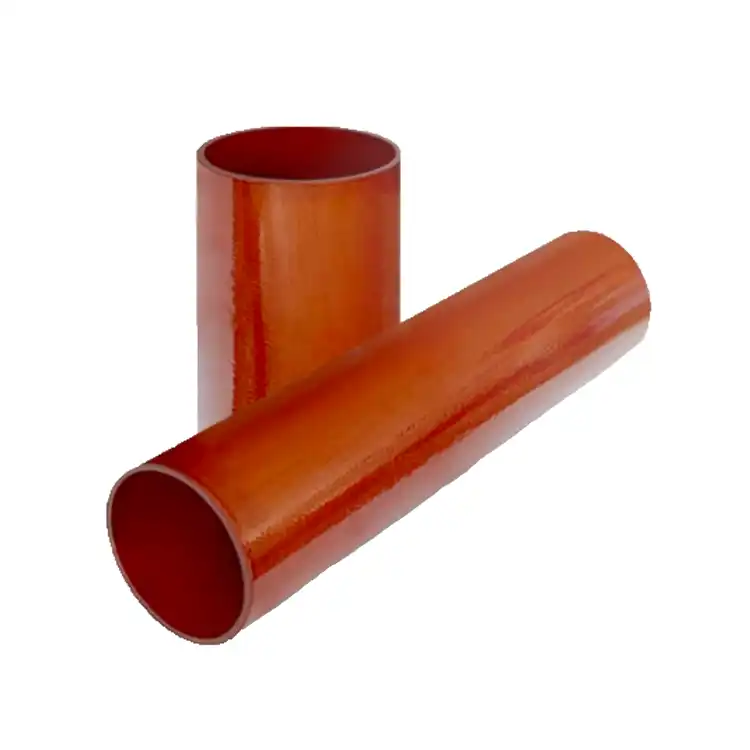
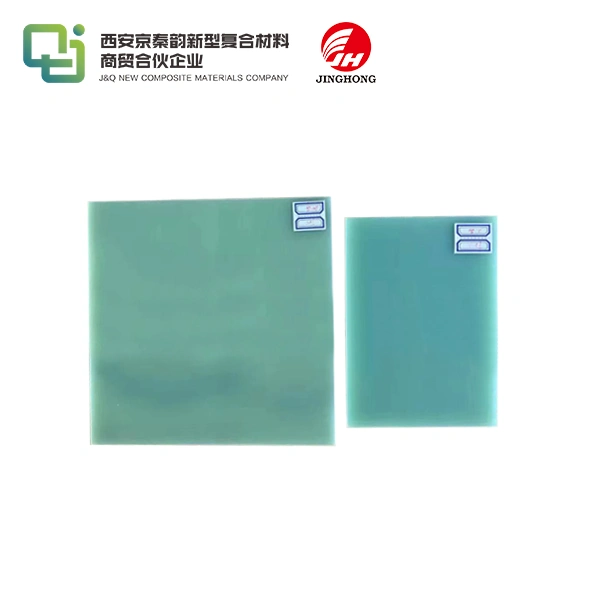
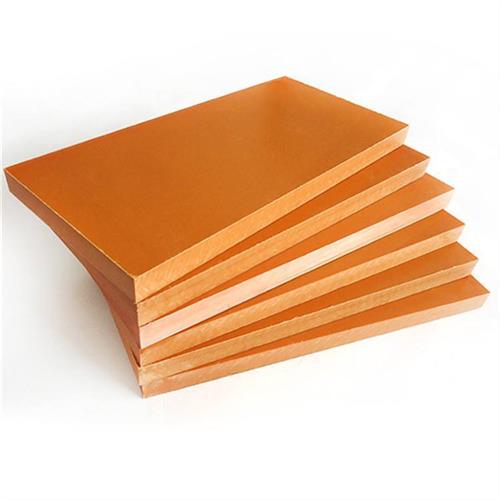
When choosing a FR4 epoxy fiberglass board, color is more than just a way to tell them apart visually; it also shows small changes in the resin mixes, flame retardant ingredients, and ways they are made. Natural amber, green, black, and white are the most common colors. Each one shows a different feature of the makeup. Amber is usually the original state of epoxy resin that doesn't have any extra colors added to it, while green usually has brominated flame retardants in it. Black boards often have carbon added to them to help them dissipate heat better, and white boards have special gaps for optical uses. When procurement teams know about these color-performance relationships, they can choose materials that meet technical standards and output needs.
Understanding FR4 Epoxy Fiberglass Boards: Properties and Composition
Core Material Structure
Glass cloth that is made from a single thread is the base of any good epoxy fiberglass laminate. Its base provides mechanical support and physical stability, and its epoxy resin binder holds the layers together and provides electrical insulation. In the manufacturing process, precise stacking steps are used to soak multiple layers of cloth in resin before they are heated and pressed in industrial presses under controlled conditions. The hardening process changes the liquid resin into a cross-linked thermoset polymer that can't be put back together. This gives the material great resistance to heat and strength.
Key Performance Characteristics
The electrical protection of these laminates comes from their high dielectric strength, which is usually more than 20 kV/mm. This keeps current from leaking even in small circuit designs. The material's mechanical qualities include a tensile strength close to 380 MPa and a bending strength of up to 415 MPa. This means it can handle a lot of physical stress during installation and use. The thermal performance stays the same over a wide temperature range. The glass transition temperature is between 130°C and 140°C, and the material can operate continuously at up to 130°C. Longevity in tough settings is ensured by chemical resistance to common industrial solvents, oils, and cleaning agents.
Color Origins and Variations
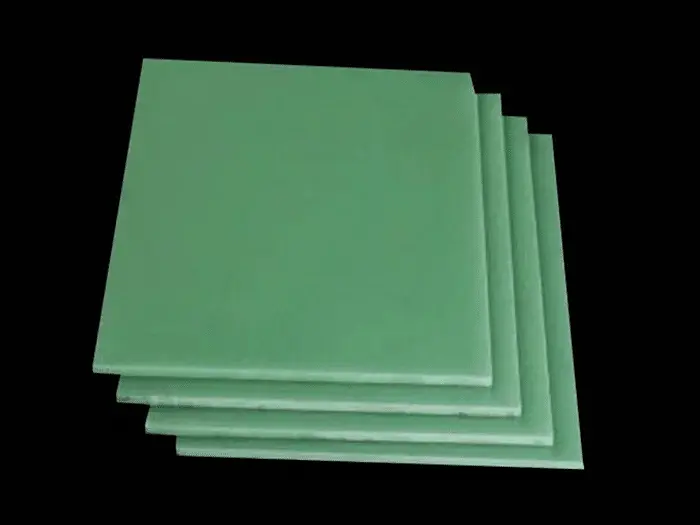
When epoxy resin is fully set, it turns an amber or light brown color. This color is used as a starting point for learning how colors change. When brominated flame retardants became common, a lot of people in the electronics business started using green boards. The familiar green color came from these additives mixed with regular pigments. The black color comes from carbon black chemicals that make them better at transferring heat and blocking UV rays. This makes them perfect for uses that need to get rid of heat or that will be exposed to the sun outside. Titanium dioxide or other reflective fillers are used in white boards to improve the contrast between light and dark areas for eye inspection systems and automatic optical testing equipment.
Color and Performance: Does FR4 Board Color Matter?
Thermal Conductivity Differences
The color of a material can be linked to changes that can be measured in how well it manages heat. Additives that are carbon-based in black versions of the boards slightly better dissipate heat than normal amber or green boards, with 10-15% better thermal conductivity. This is important in high-power situations where part temperatures need to stay within very small ranges. The carbon particles add more ways for heat to move, but they don't have as much of an impact as metal-core surfaces that are designed specifically for heat transfer. For their individual heat management needs, procurement teams should decide if this extra benefit is worth the possible cost increases.
Electrical Insulation Consistency
The dielectric qualities of FR4 epoxy fiberglass boards are mostly the same across color variations because the electrical performance is determined by the core epoxy-glass makeup. No matter the color, the volume resistance is usually higher than 10^14 ohm-cm, and the dielectric constants are about 4.5 at 1 MHz for all color choices. Comparative tests show that color additives make up such a small part of the total makeup that they have almost no effect on the insulation resistance. Because of this, engineers can choose colors based on how easy they are to make instead of how safe they are for electrical use, since they know that the UL94 V-0 flame rates and voltage breakdown properties will stay the same.
Mechanical and Chemical Stability
Choices of pigments can have a small effect on how resistant something is to weather damage. Darker boards with carbon black have better UV stability, which means that the polymer chains don't break when they're outside or in bright light. Chemical resistance tests show that there isn't much difference between colors when they are introduced to common commercial cleaners. However, some white formulations may have fillers that make them slightly less resistant to solvents. The main mechanical strength comes from the woven glass support. This means that the color elements don't have a big effect on the tensile or flexural qualities. These things are most important in situations where the material will be exposed to harsh chemicals or the environment for a long time.
Industry Standards and Certifications
UL recognition and compliance with NEMA LI-1 standards are still the same no matter what color you choose because testing methods look at the features of the core material rather than the color. Both yellow and green boards regularly meet UL94 V-0 flammability standards, putting out fires on their own within ten seconds of the ignition source being removed. RoHS compliance is based on the flame retardant choice, not the color. Halogen-free formulas are offered in all color ranges. Certified material properties and third-party testing documents should be more important than color preferences in procurement standards. This way, boards will meet safety and performance requirements no matter how they look.
How to Choose and Procure the Right Color FR4 Epoxy Fiberglass Board?
Evaluating Color Requirements for Your Application
The first step in making a choice for FR4 epoxy fiberglass board is to look at how choosing a color affects the manufacturing process and the needs of the finished product. Green boards are still the standard for making PCBs because they have been used for decades in set methods and visual inspection standards. Automated visual inspection systems are often calibrated to work only with green surfaces, which means that other colors might not work with them without making changes to the equipment. Black boards may be better for applications that need to get rid of heat, while white surfaces are better for applications that need high visual contrast for component placement. By matching color choices to real practical needs, you can avoid extra problems and possible cost increases.
Supplier Quality and Consistency Standards
Forming partnerships with makers who follow strict color control rules guarantees stability from batch to batch, which keeps production from stopping. Leading providers use spectrophotometric tests to make sure that color standards are met, and between production runs, they usually keep delta-E values below 2.0. When a lot of things need to be made, this consistency is especially important because visible quality checks rely on color being the same everywhere. By asking for samples before making large orders, procurement teams can make sure that the colors are correct and evaluate the general quality of the material, such as the surface finish, dimensional tolerance, and edge condition.
Procurement Logistics and Lead Times
Standard colors like black, green, and amber are usually in stock at major suppliers, which means that wait times are faster and minimum order amounts are lower. Specialized colors like blue, red, or white may need to be made in small batches, which can take up to eight weeks, based on how busy the seller is. The amount of work that needs to be done has a big effect on the price. For bigger orders, economies of scale lower the cost per unit. Coordinating shipping plans with production needs cuts down on the costs of keeping inventory and makes sure that materials are available on time for production.
Customization and Technical Support
We know that some uses may need answers that aren't available in our standard line. When you work with skilled makers, you can get copper cladding that is the right thickness, the right weight, and the right color. Technical support teams can help you choose the right materials and colors so that they meet your needs for performance and your factory's capabilities. Sample testing programs let you confirm the qualities of a material before committing to full production runs. This lowers risk and makes sure that specifications are met.
Practical Applications and Case Studies: Selecting the Right FR4 Color in Electronics
Power Distribution and Transformer Applications
Standard amber or green FR4 epoxy fiberglass board are usually used for transformer coil insulation and arc barriers because they are flame resistant and stable at high temperatures, not because they look good. The self-extinguishing qualities of FR4 types are very important for safety in high-voltage areas where a material failure could cause damage to other equipment that builds on top of itself. In these situations, choosing a color usually means going with what the provider suggests, since the main electrical and thermal qualities are more important than how it looks. Since the performance is the same for all color variations, buying choices can be made based on the trust of the provider, the paperwork for approval, and the processes of delivery, rather than pigmentation.
Automotive and Transportation Components
Taking advantage of their better ability to dissipate heat, the car industry is specifying more and more black boards for battery management system parts and electric vehicle power electronics. In car uses, where temperature changes and vibrations are very important, material consistency is very important. Color is a handy way to check the grade of the material while it's being put together. Tier-1 sources have strict color standards to keep parts from getting mixed up during high-volume production, where even small changes in materials could affect the guarantee. This area shows how color picking fits into bigger quality control systems that make sure things will work reliably for a long time, even in tough circumstances.
Consumer Electronics and Home Appliances
Appliance makers can save money by using standard green boards for motor control circuits and power supply systems. These boards have been used for decades and have a track record of reliable performance that helps designers feel confident in their designs. Because of the need for mass production in this sector, material prices need to stay stable and supply lines need to be dependable. This means that standard color choices are better than specialized ones. When the look of the internal parts of a product with a clear housing is important to the design team, white boards are sometimes requested. This shows that color choices aren't always made for useful reasons, but also for aesthetic ones. Because consumer electronics products are usually made quickly, it's best to choose materials that are easy to get and don't take too long to qualify as a seller.
Industrial Machinery and Equipment
Machine makers need laminates that can stand up to mechanical stress, chemical contact, and changes in temperature in a variety of industrial settings. When these things are used, the choice of color often reflects methods for making inventory easier. For example, standardizing on a single color makes keeping inventory easier and lowers the chance of assembly mistakes. Because of mechanical spacers, insulation barriers, and structural supports that are widespread in industrial equipment, board surfaces are rarely seen by end users. This means that performance is more important than look. This industry is a good example of a practical way to buy things, since standardizing colors across product lines saves time and money without lowering technical quality.
Conclusion
Choosing the right color for FR4 epoxy fiberglass board is a complicated process that involves balancing technical needs with manufacturing issues and the operations of the supply chain. Standard color options all have the same basic electrical and mechanical qualities. However, small changes in how they handle heat and UV light can affect which colors are best for certain uses. Because of well-established production and checking systems, the normal color for PCBs is still green. Black boards are used for specific thermal management needs, and white boards are used for optical contrast needs.
Successful procurement strategies put seller quality control, material certification, and shipping reliability ahead of color tastes, unless functional needs demand a certain color. Over many years of use in many different industries, it has been shown that choosing the right material relies less on the color options and more on knowing what the application needs and working with dependable makers.
FAQ
Does board color affect electrical insulation performance?
The dielectric strength and volume resistance of epoxy-glass laminates don't change much when the colors are changed because the pigments only make up a small part of the total makeup. The electrical qualities are determined by the weaved glass and epoxy resin matrix. This means that amber, green, black, and white boards all perform the same as insulation. When making decisions about purchases, people can focus on other things without affecting electricity safety or meeting voltage breakdown standards.
What lead times apply for custom color boards?
Standard colors usually ship within one to two weeks of having enough in stock, but wait times for custom pigmentation can go up to four to eight weeks, based on when they are made and how many orders are placed. Planning the buying processes around these dates keeps production from being held up. Many sellers keep a lot of stock on hand for customers who buy a lot, which could cut down on lead times even for colors that aren't used very often.
How do companies make sure that the colors are the same from batch to batch?
Manufacturers who care about quality use spectrophotometric testing methods to measure color values in an unbiased way, making sure that tight tolerances are kept between production runs. This testing is usually done twice, once while the product is being made and again before it is shipped to make sure that the given materials match the accepted samples. Asking sellers for proof of color consistency and agreeing on acceptable sample standards is one way to make sure that all orders look the same.
Partner with J&Q for Superior FR4 Epoxy Fiberglass Board Solutions
When J&Q works with a client for FR4 epoxy fiberglass board, they bring over 20 years of experience making great products and 10 years of experience in foreign trade. Because we've worked with electrical makers, industrial machinery builders, and power sector experts all over the world, we have a deep understanding of epoxy fiberglass laminates and can help you choose the right color. We have strict quality control standards that make sure that each batch is the same, whether you need standard green boards for PCB uses or black boards with special features for managing heat.
Our combined logistics skills allow us to offer a true one-stop service from the original review of specifications to final delivery. This takes away the coordination issues that make foreign purchasing more difficult. As a seller of FR4 epoxy fiberglass board with a lot of experience, we carry a wide range of colors and thicknesses and can also meet your specific needs if your uses require it. You can talk to our expert sales team at info@jhd-material.com about your specific needs, ask for samples, or get detailed quotes that show how committed we are to offering reasonable prices without lowering quality standards.
References
National Electrical Manufacturers Association. "NEMA Standards Publication LI 1-2018: Industrial Laminating Thermosetting Products." NEMA, 2018.
Harper, Charles A. "Electronic Materials and Processes Handbook, Fourth Edition." McGraw-Hill Education, 2015.
Coombs, Clyde F. "Printed Circuits Handbook, Seventh Edition." McGraw-Hill Education, 2016.
IPC Association Connecting Electronics Industries. "IPC-4101E: Specification for Base Materials for Rigid and Multilayer Printed Boards." IPC, 2020.
Underwriters Laboratories. "UL 94: Standard for Safety of Flammability of Plastic Materials for Parts in Devices and Appliances." UL, 2013.
Wong, C.P., Moon, K-S., and Li, Yi. "Nano-Bio-Electronic, Photonic and MEMS Packaging." Springer Science & Business Media, 2010.