Best G10 Fiberglass Sheet for Structural Components
2026-05-13 17:29:31
G10 fiberglass sheet stands out as a reliable choice for industrial settings when looking at materials for tough construction uses. Because it is both very strong mechanically and very good at insulating electrically, this high-pressure epoxy-glass blend is essential in all industrial sectors. Engineers and buying managers like that this material doesn't change shape when it's loaded and doesn't react with chemicals. Working with companies that make electronics, machines, and power distribution systems has taught us that picking the right epoxy laminate material has a direct effect on how long a product lasts and how safe it is to use in critical situations.
Understanding G10 Fiberglass Sheet: Key Properties and Advantages
What Makes G10 Fiberglass Sheet Unique
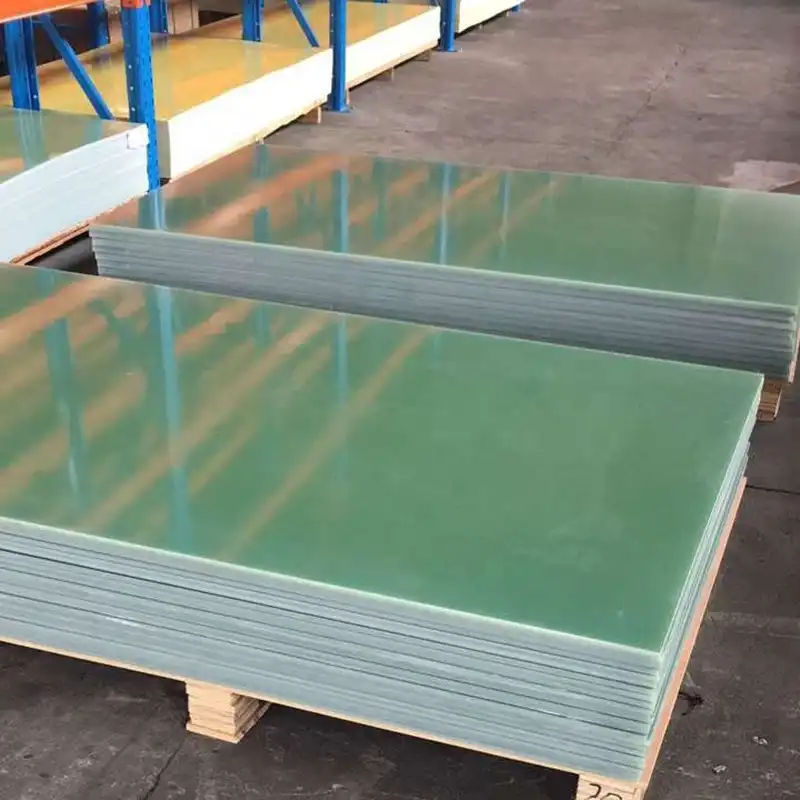
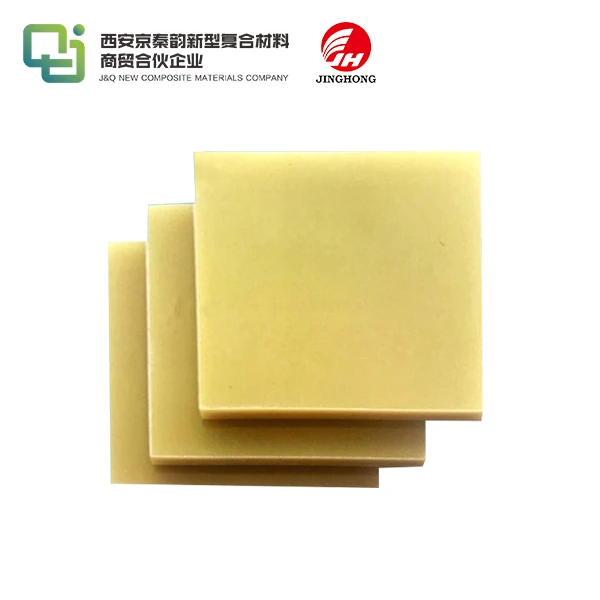
A specific type of thermoset industrial laminates called G10 fiberglass sheet are made using a very exact manufacturing method. After being saturated with epoxy resin glue, woven glass cloth surfaces are pressed together using controlled heat and pressure. The layered mixture turns into a thick, stiff structure that meets NEMA G-10 standards during this curing process. The epoxy-glass mix has qualities that help with problems that often happen in industrial settings, like changes in size when temperatures rise and fall, dielectric breakdown in damp conditions, and mechanical failure from long-term tension loads.
Core Performance Characteristics
There is a special mix of properties in the material that makes it useful for building parts. Its tensile strength is usually around 310 MPa (45,000 psi), which makes it a strong support for mechanical systems that are under constant stress. The dielectric strength is higher than 15 kV/mm, which makes sure that electrical protection in motor and switchgear parts is stable. Temperature tolerance ranges from -50°C to about 140°C, but the qualities of epoxy glue can break down above this point. Chemical resistance to oils, solvents, and mild acids saves parts that are used in places where working fluids are usually present.
For business-to-business buyers, these success traits mean real benefits. The low moisture absorption rate of less than 0.1% in the material is good for companies that make electrical equipment because it keeps the insulation's integrity in situations of changing humidity. Machine builders like how consistently easy it is to cut and shape the material. CNC machines, drill presses, and water jet cutters all cut it smoothly and with little tool wear. The stable rate of heat expansion makes it less likely that things will warp during building or use in the field.
Manufacturing Process and Quality Control
Learning how this laminate is made by makers helps procurement teams figure out how capable a provider is. The first step is to use coating tools to soak E-glass fabric in resin. The fabric is usually woven in a regular or satin design. The prepreg material is then sent to stations for assembly, where workers stack several layers according to the required thickness. For controlled fix processes, hydraulic presses use pressures between 1,000 and 1,400 psi and heat the stack to 150 to 180°C. The post-cure review checks the dimensions, looks for holes or delamination, and tests the electrical properties to make sure it meets NEMA grade requirements.
Quality approvals play a big role in buying choices. Suppliers with a good reputation use ISO 9001 quality management systems and give test results on materials that show their electrical, mechanical, and thermal features. UL certification makes sure that safety standards are met, which is important for electrical uses. RoHS certification, on the other hand, makes sure that there are no restricted substances, which is needed for exporting to controlled markets.
Comparing G10 Fiberglass Sheet with Alternative Materials
G10 Versus G11 Epoxy Laminates
When choosing a material, G10 fiberglass sheet is often compared to G11, which is its high-temperature version. Both use glass cloth and epoxy glue, but G11 uses a different epoxy formulation that is made to work at higher temperatures. Up to 180°C, G11 keeps its mechanical qualities, so it can be used in places where G10 fiberglass sheet would soften. The trade-off is price; G11 usually costs more because it uses a more advanced glue system. Our work with transformer makers shows this choice: parts of the insulation that are close to the windings that generate heat need G11, but external structure brackets can get by with G10 fiberglass sheet, which is more cost-effective.
Phenolic Laminates and Cotton Cloth Composites
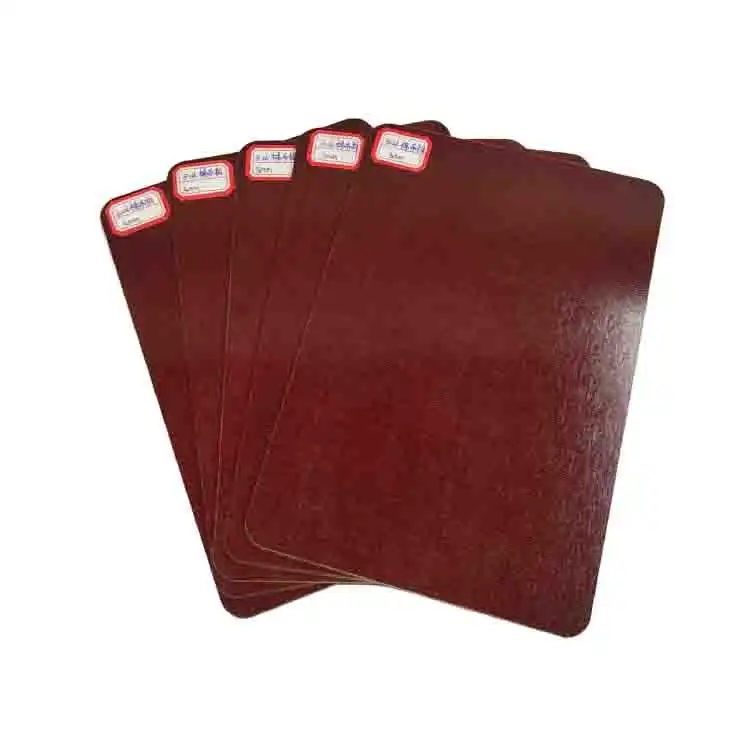
Another option that you might want to think about is phenolic cotton laminates. Paper or cotton cloth is mixed with phenolic resin to make these materials, which are strong and don't cost a lot of money. But compared to epoxy-glass compounds, they are not as good at resisting water and having good dielectric qualities. When electrical protection isn't important, machinery makers often choose phenolic materials for gears and wear parts. Epoxy laminates, on the other hand, are used for situations that need both mechanical and electrical performance. The choice is based on the needs of the application rather than the superiority of the material; each has its own role in industrial design.
Carbon Fiber and Advanced Composites
Carbon fiber composites are stronger than glass-fiber laminates in terms of weight-to-strength ratio. Applications in aerospace and automotive can sometimes support the much higher prices of materials and labor. Carbon is not a good choice for insulation, though, because it conducts electricity. The price difference is shocking: carbon fiber products can cost three to five times as much as epoxy-glass laminates of the same thickness. If lowering weight doesn't lead to visible improvements in performance or fuel savings, glass-fiber laminates are a better choice for fixed equipment's structural parts.
How to Choose the Best G10 Fiberglass Sheet for Structural Components
Evaluating Application Requirements
The first step in choosing the right specs is to carefully look at the working conditions. Load-bearing uses need to make sure that the tensile and bending strengths of the material are higher than the pressures that are being applied, with enough safety factors. Parts that are exposed to high or low temperatures need to be carefully rated for those temperatures. For uses that get close to or go over 140°C, G11 or other high-temperature options should be considered. It is important to match chemical exposure patterns with resistance data. Epoxy-glass laminates usually do well against typical industrial fluids.
Dimensional Specifications and Tolerances
Choosing the right thickness for G10 fiberglass sheet affects both cost and function. Standard sheet widths run from 0.5 mm to 50 mm. Thinner gauges are good for insulation walls, while bigger plates are used for building. For normal production, the thickness range is usually around ±10%. However, when assembly needs it, precision grinding can get even tighter tolerances. Because custom grinding takes longer and costs more, procurement managers should be clear about the sizes they need. Sheet sizes vary from supplier to supplier, but typical sizes are 1000mm x 2000mm and 1220mm x 2440mm panels, which are the same size as most CNC machines.
Supplier Evaluation Criteria
When looking for trusted providers, you need to look at more than just price. Manufacturing skills are important. Suppliers with their own pressing and milling tools are more likely to be able to meet unique needs. Certification of a quality system gives people trust in its uniformity, especially when it comes to ongoing production needs. Technical help is what sets real partners apart from commodity providers. Being able to talk to applications experts who know your industry's needs speeds up the process of choosing materials and fixing problems. Logistics are affected by geography. Buyers who are in charge of multiple project sites can simplify their purchases by working with sellers who have established delivery networks or shipping capabilities that are built in.
Twenty years of making things and ten years of exporting have taught us that clear communication and on-time delivery are key to building strong relationships. When procurement teams look at possible sources, they should ask for proof of the materials they offer, compare the minimum order numbers to the needs of the project, and get clear on lead times for both standard and unique specs.
Practical Fabrication Methods and Application Scenarios of G10 Fiberglass Sheet
CNC Machining and Cutting Techniques
To make parts out of epoxy-glass laminates, you need the right tools and know-how. When CNC cutting, carbide tools with positive rake shape are used to keep heat from building up and dust from being made. Feed rates and spindle speeds should be set so that clean cuts are made. Too much speed causes heat that can affect the accuracy of measurements near the edges of cuts, and not enough speed makes tools wear out faster. Cooling with water mist or air blast makes the surface finish better and tools last longer. When drilling, brad-point or spiral-flute bits work best because they effectively remove chips, which stops binding that could lead to delamination.
Application in Electrical and Electronics Manufacturing
Electronics companies use these laminates a lot for motor terminal boards, PCB support structures, and insulation shields for switchgear. The material's insulating strength and spark resistance stop electricity from tracking, and it keeps its shape even when temperatures change. Custom-machined terminal blocks show common uses—precisely placed mounting holes and conductor paths make construction easier while maintaining safe electrical gaps. Component designs often include flame-resistant features that work with building safety systems and meet the UL 94 standards for flammability that are popular in electrical enclosures.
Industrial Machinery and Equipment Applications
Epoxy-glass parts are used by machinery builders as gear blanks, bearing supports, and structural spacers in places where electrical protection is needed to help the machine work. As an example, redesigning gear systems in packing equipment and replacing metal gears with machined laminate parts solved problems with electrical conductivity near sensors while also lowering noise levels. In some situations, the material's ability to lubricate itself means it needs less upkeep than metal options. Wear resistance is good enough for moderate-duty uses, but in highly loaded situations, hybrid designs with metal support may be needed.
Automotive and Transportation Components
Because of the rise of electric vehicles, auto makers have increased their use of G10 fiberglass sheet as a composite insulation material. Precision-cut barriers are used between cell sections in battery pack systems to keep electricity from flowing while adding little weight. Electronics that make heat are kept away from temperature-sensitive parts by thermal control components. The car industry puts a lot of stress on batch consistency and traceability, which fits well with providers who have strict quality processes. R&D teams like providers who can quickly make prototypes in large numbers. This lets them make changes to the design several times before committing to making the actual tools.
Procurement and Supply Chain Insights for G10 Fiberglass Sheets
Sourcing Strategies and Supplier Types
When B2B buyers look for industrial laminates, they come across a number of different types of suppliers. Direct connections with manufacturers can help with tailoring, technical support, and maybe even better prices for large orders. Because they carry a wider range of products and require smaller minimum orders, distributors make it easier for buyers who need different kinds of materials for different tasks. With the rise of online industrial marketplaces, there are now more ways to find suppliers. However, to judge a supplier's trustworthiness, you need to carefully check their manufacturing qualifications and quality certifications.
Cost Factors and Pricing Dynamics
Material prices are based on more than just the cost of raw materials. The price is directly related to the width of the sheet; bigger plates use more material and take longer to press. Processing costs go up when you need custom sizes, close specs, or extra work like cutting or grinding. The amount of an order has a big effect on the price per unit; buyers who commit to container loads usually get better deals than buyers who only buy small numbers. Resin prices are sometimes affected by changes in the market, but long-term agreements with suppliers usually include price stable clauses for agreed-upon amounts.
Logistics and Lead Time Management
Knowing when things will be made and delivered helps buyers plan their purchases well. Standard sheet standards from stocked inventory may ship within days, but wait times can be up to several weeks for special thicknesses or sizes that need to be pressed. When you ship something internationally, there are more things that can go wrong. Availability of containers, clearing customs, and transportation within the country all affect total arrival dates. Managing project timelines is easier for buyers who work with sellers who keep goods in-stock locally or run distribution centers that cut down on transportation time. Our years of experience with exporting have given us the combined logistics skills that show you why it's good to work with sources who can do everything for you.
Conclusion
When choosing the right construction materials, especially G10 fiberglass sheet, you have to weigh the technical performance against the cost of buying them. Epoxy-glass laminates have been shown to be reliable in industrial, mechanical, and electrical settings where strength, insulation, and resistance to the environment are important. It's important to be clear about what the application needs, know how different materials compare in terms of their features, and work with providers who can meet those needs and provide consistent quality and quick service. The evaluation method has a direct effect on the project results, from creating the original specifications to choosing a supplier and coordinating delivery. Technical sellers and procurement managers who take the time to carefully evaluate materials and check out suppliers set their companies up for good component performance and supply chain reliability.
FAQ
Can G10 Be Used in High-Temperature Environments?
Standard grade G10 fiberglass sheet epoxy glue starts to soften above 140°C, which limits their use in situations where temperatures are high. For parts that will be constantly subjected to temperatures above this limit, you should choose G11 grade material, which uses modified epoxy formulas that keep their properties up to 180°C. G7 silicone-glass laminates can handle even higher temperatures, but they cost more because they use more materials. When deciding on a temperature grade, it's important to look at both steady-state conditions and short-term thermal events that happen when equipment is starting up or when there is a problem.
How Does Material Thickness Affect Performance?
Both mechanical and electrical qualities are affected by thickness. For structural uses, thicker pieces are better because they offer higher flexural stiffness and load capacity. It is important to know that the electrical breakdown voltage goes up with thickness when it comes to high-voltage insulation walls. Thick materials, on the other hand, are harder to make exactly and cost more per unit area. Based on the application study, the smallest thickness that meets performance standards should be found. This will improve both functionality and cost-effectiveness.
What Quality Certifications Should Buyers Require?
Reliable sellers give test results on the materials they sell that show they meet NEMA grade requirements and include information on electrical strength, flexural strength, and other specification parameters. ISO 9001 approval means that quality control systems have been set up and are used to make sure that production is consistent. UL recognition is important for electrical uses where acceptance at the component level makes certification of the finished product easier. Documentation that shows a product meets RoHS requirements is necessary for it to be sold in places that follow environmental rules. Asking for these qualifications when evaluating a supplier helps separate qualified makers from people who just sell goods.
Partner with J&Q for Reliable G10 Fiberglass Sheet Supply
J&Q helps companies that make electrical equipment, machines, and industrial buying teams. They have more than twenty years of experience in manufacturing and ten years of experience in foreign trade. Our long-term partnerships with trade partners in both the United States and other countries show that we are dedicated to providing consistent quality and dependable service. As a full-service provider of G10 fiberglass sheet, we keep a large stock of standard thicknesses and can also make sheets to your exact specs because we have manufacturing facilities on-site. Our combined logistics services, which we created by running our own transportation business, make it easy to coordinate everything from placing an order to delivering it. This gets rid of the communication problems and delays that often happen in supply chains with multiple parties. Our team is ready to meet the needs of specific applications and meet project deadlines for procurement and engineering managers who need quick technical help and reliable material sources. Get in touch with our technical sales team at info@jhd-material.com to talk about your needs for structural parts and see what a difference it makes working with an experienced producer who cares about your success.
References
National Electrical Manufacturers Association. "NEMA Standards Publication LI 1-1998: Industrial Laminating Thermosetting Products." Rosslyn, Virginia: NEMA, 1998.
Harper, Charles A. "Handbook of Plastics, Elastomers, and Composites, Fourth Edition." New York: McGraw-Hill Professional, 2002.
Lubin, George. "Handbook of Composites." New York: Van Nostrand Reinhold Company, 1982.
Mallick, P.K. "Fiber-Reinforced Composites: Materials, Manufacturing, and Design, Third Edition." Boca Raton: CRC Press, 2007.
Chawla, Krishan K. "Composite Materials: Science and Engineering, Third Edition." New York: Springer Science & Business Media, 2012.
Brydson, J.A. "Plastics Materials, Seventh Edition." Oxford: Butterworth-Heinemann, 1999.
 拷贝_1755500211555.jpg)