Custom Fabrication Services for Phenolic Paper Board
2026-05-13 17:29:33
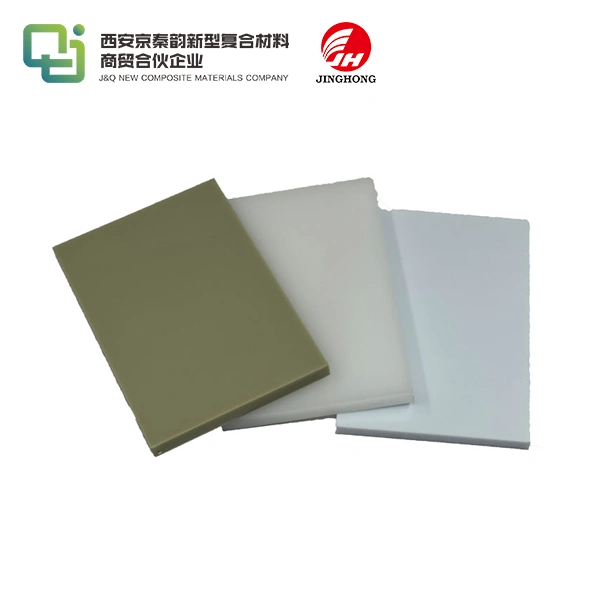
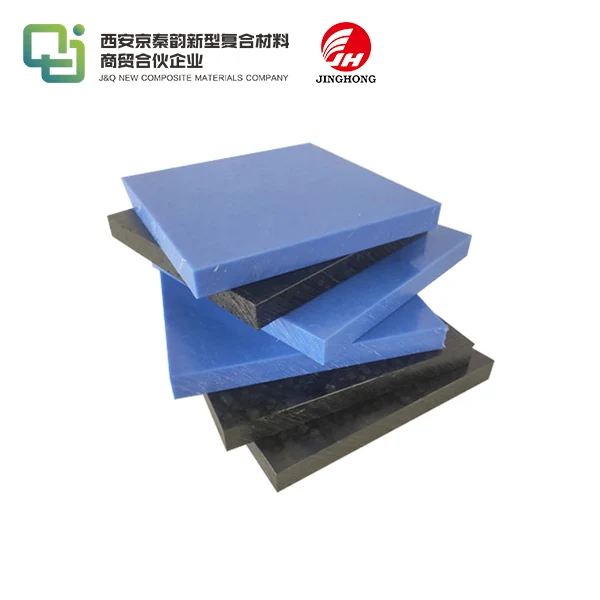
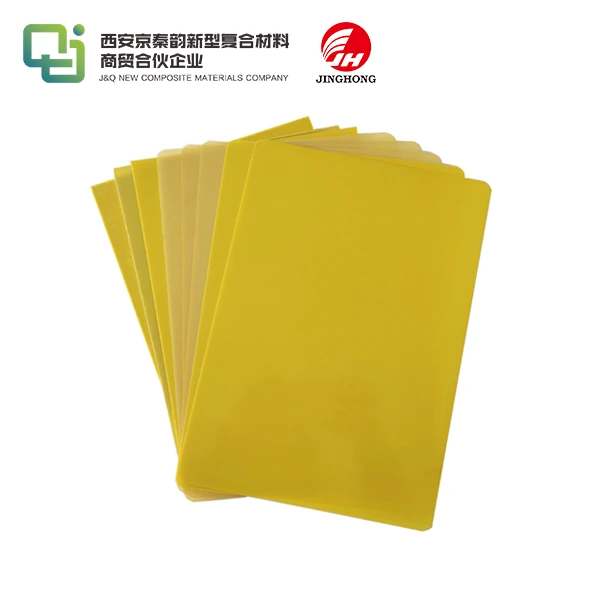
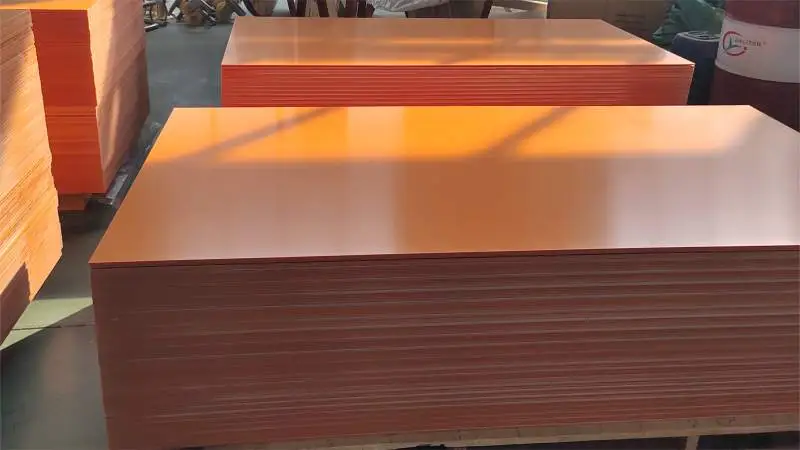
With custom fabrication services for phenolic paper board, normal thermoset laminates can be turned into precisely designed parts that meet the strictest industry standards. This flexible composite material is made by injecting layers of kraft paper with phenolic glue under high temperature and pressure. It has great electrical protection, is stable mechanically, and is very cost-effective. Fabrication experts use special tools and methods to make custom solutions for electrical switchgear, PCB production, industrial machinery, and power distribution applications. This helps procurement teams get the best performance from materials while cutting down on waste and lead times.
Understanding Phenolic Paper Board and Its Properties
phenolic paper board is an important building material in modern industrial infrastructure because it is both cheap and good at insulating, which is what many uses need.
Composite Structure and Manufacturing Process
Several layers of high-quality kraft paper that have been soaked with phenolic resin are glued together and then cured at high temperatures and pressures of about 1000 psi. This thermosetting method makes a hard material whose density is between 1.30 and 1.45 g/cm³. This makes the structure light but strong. The paper base makes it possible to work with machines, and the phenolic resin core makes it resistant to mineral oils and industrial solvents. This mix solves important problems, like providing cheap dielectric strength in controlled settings and making structural insulation for heavy electrical equipment easy to machine.
Industry-Standard Grades and Classifications
Different grades are used for different purposes in different industries. NEMA Grade X has the least amount of plastic and is best for mechanical uses that need to be easy to machine and cut. Grade XX is the electrical grade that can handle average amounts of moisture and is good for normal switchgear and transformer insulation. The largest amount of resin is in Grade XXX, which also has the best protection to moisture, making it perfect for high-voltage uses in damp places. These categories are in line with IEC standards PF CP 201/202 and ASTM D709, which makes sure that quality standards are the same all over the world's supply chains.
Key Technical Properties
The material's bending strength is more than 135 MPa along its length, and its compression strength is very high when it's under load. As part of its electrical qualities, dielectric strength usually exceeds 500 V/mil in short-time tests, especially for NEMA XXX grades. As long as the temperature stays between 110°C and 120°C, the phenolic resin matrix keeps working well (Insulation Class E). One unique benefit is that the board can be punched into complex forms without delaminating. This is a very important property for mass production of electrical parts and insulation supports.
The Custom Fabrication Process for Phenolic Paper Board
To turn raw laminate sheets into precise parts, you need specialized knowledge, high-tech tools, and strict quality standards that make sure the parts are the right size and work properly for phenolic paper board applications.
CNC Machining and Precision Cutting
Computer numerical control machining makes it possible to make parts with complicated shapes and very tight tolerances, which are needed in both electrical and mechanical uses. Carbide or diamond-tipped tools keep their edge quality and dimensions consistent across production runs. This is because the material is rough, and regular high-speed steel cuts get dull very quickly. Fine phenolic particles are made during machining, and dust extractor systems collect them. This keeps both the tools and the workers safe. Water jet cutting is an alternative way to make detailed shapes without putting them under too much heat, which is especially useful for parts that can't handle heat.
Drilling and Punching Operations
With precision drilling, mounting holes, wire channels, and ventilation spaces are made with smooth edges and few burrs. Because of its special feature, the material can be hot-punched to shape parts quickly without separating the layers, which is a big plus over glass-reinforced options that break under the same stress. This feature is very important when making arc chutes, phase barriers, and busbar supports, which need to be made quickly and reliably in large quantities. Picking the right drill bit and adjusting the speed stop fiber pull-out, which damages the insulation.
Surface Finishing and Treatment
Finishing steps improve the practical qualities and the accuracy of the dimensions depending on the needs of the application. By sanding and polishing, you can get the surface roughness you need for electrical contact surfaces and binding interfaces. Edge sealing processes keep wetness from getting into uncovered paper fibers, which can cause the paper to lose its shape and warp. Secondary actions like threading, countersinking, and chamfering make building processes easier and are useful in some situations. Before shipping, quality control procedures check that the surface finish, flatness, and consistency meet customer requirements.
Quality Assurance and Certification Compliance
Strict checking steps make sure that the parts that are made meet the stated requirements and industry standards. Using coordinate measuring tools to check the dimensions makes sure that the limits are correct for length, width, thickness, and hole places. Electrical testing makes sure that the dielectric strength and insulator resistance are correct at a certain voltage. Material certifications show that the product meets the standards set by UL, ROHS, and REACH. Procurement teams need these certifications to get governmental permission. These quality methods make sure that each batch is the same, which is important for planning production and making long-term supply deals.
How to Choose the Right Phenolic Paper Board for Your Fabrication Needs
To choose the right phenolic paper board grades, you need to carefully think about the operating conditions, performance goals, and cost limits that affect the long-term dependability of the part.
Assessing Electrical Requirements
The main requirement for electrical uses is dielectric strength, which is measured in volts per mil of material thickness. For high-voltage switchgear and transformer insulation, Grade XXX materials are needed because they are better at resisting wetness and always performing as an insulator. Grade XX is often good enough for PCB cutting backup boards and low-frequency electrical components, saving money without sacrificing important insulation qualities. Ratings for temperature must take into account long-term conditions, not just short-term ones, because heat above 120°C for a long time makes the paper base carbonize and the dielectric strength decrease.
Evaluating Mechanical Demands
When something is meant to hold weight, its compressive strength, bending stiffness, and impact resistance need to be studied under the stress conditions that are likely to happen. Compared to glass-reinforced materials, this one is naturally lubricious and operates quietly, which makes it better for use in industrial jigs, fittings, and wear plates. Choosing the right thickness affects both mechanical performance and machinability. Thick boards are stronger but need more aggressive cutting settings. Cotton-based phenolic laminates have better tensile strength and lower water absorption rates, so they can be used in places that get wet sometimes or need better crosswise mechanical qualities.
Comparing Material Alternatives
Understanding the trade-offs between efficiency and cost helps buying teams make smart choices. phenolic paper board is much cheaper and easier to make than FR-4 epoxy glass laminates, but they are not as strong mechanically and can't handle heat as well. Melamine laminates are better at resisting arcs, but they can't be punched, which is needed for high-volume production. Plywood is cheaper, but it doesn't insulate well against electricity and is easily damaged by water. Plastic laminates are resistant to chemicals, but they can't handle too much heat for electrical uses. This material is one of a kind because it is affordable, good for electricity performance, and easy to make.
Benefits of Custom Fabrication Services for Phenolic Paper Board Clients
Professional manufacturing partnerships offer big organizational and financial benefits that go beyond just supplying parts for phenolic paper board procurement.
Optimized Material Utilization and Cost Efficiency
Expert makers use nesting tools and cutting techniques to get the most out of standard sheet sizes, which cuts down on waste and the cost of making each part. Precision machining gets rid of the need for extra processes and repairs, which speeds up output while keeping quality standards high. When producers work together on bulk manufacturing, they can get economies of scale that they can't get when they do their own processing. These savings directly lead to reasonable prices that don't hurt the quality of the parts or the dependability of delivery.
Enhanced Component Performance
Specialized methods of production make qualities work best for certain uses. Controlled cutting parameters keep the dielectric strength of the whole component and stop heat damage. Edge treatment stops wetness from getting in, which makes paper-based materials lose their shape. Finishing the surface meets the requirements for smoothness and parallelism, which are important for the stability of electrical contacts and assembly standards. These improvements make sure that parts always work right in harsh industrial settings where failure can have major effects on safety and operations.
Accelerated Time-to-Market
Fabricators with a lot of experience keep popular grades and thicknesses in stock, which lets them make prototypes quickly and help with the testing and approval of designs. Sample manufacturing services let engineering teams check the size, shape, and function of a design before committing to mass production. When compared to handling multiple sellers for raw materials and machining services, streamlined processes shorten the time it takes to buy things, from choosing the materials to the final review. This integration helps project managers a lot, especially when they have to meet tight start and development targets.
Quality Assurance and Reliability in the Supply Chain
When you work with skilled fabrication partners, you can get access to quality systems that are approved and process rules that are written down. Batch traceability connects certified raw materials to produced parts, meeting government rules and customer checks. When you have consistent ties with your suppliers, you can easily talk to them about technical questions and make changes to your specifications. Long-term relationships make it possible to plan for capacity and handle inventory in ways that protect against supply problems and help just-in-time manufacturing efforts.
Procurement Insights: How and Where to Source Custom Fabricated Phenolic Paper Board
During the lifecycle of a product, strategic buying choices have a big impact on the quality of phenolic paper board, the cost of the project, and the reliability of the supply chain.
Supplier Evaluation Criteria
Certification files show that you are dedicated to quality management and following the rules. Getting registered with ISO 9001 means that you follow systematic process rules and practices for ongoing growth. UL recognition for certain types of materials means that the electrical properties and flame resistance scores have been checked by a third party. Documentation for ROHS and REACH compliance talks about rules about the climate that are very important for global supply chains. Fabrication skills, such as the size ranges, minimum and maximum measurements, and machine capabilities, determine whether a part is suitable for a certain application. Production capacity and lead time promises need to match the number needs of the project and the dates for delivery.
Understanding Pricing Structures
The price of materials depends on the grade, thickness, and size of the sheet. For example, NEMA XXX materials cost more than Grade X options. The cost of fabrication depends on how complicated the job is and what kind of tolerances, features, and surface finishing are needed. Usually, the costs of setting up CNC code and tools are spread out over a bigger number of pieces made. This means that larger orders are cheaper per piece. Transportation costs depend on the size, weight, and distance of the part being shipped, which could be a big cost factor for parts that are big or heavy. Asking for thorough quotes with written breakdowns lets you compare costs accurately and plan your budget.
Sample Requests and Quality Validation
Prototype manufacturing checks the supplier's skills before committing to large production runs. Coordinate measuring machines can be used to compare the dimensions of sample parts to the design specs. Mechanical qualities, such as bending strength and impact resistance, are checked physically under conditions that are similar to those that would be encountered in service. Electrical testing shows that the dielectric strength is right for the job at the right voltage levels. This part of checking finds possible problems early on, when fixes are still easy and cheap compared to finding problems after the fact.
Building Strategic Supplier Relationships
Long-term relationships have benefits that go beyond simple buying and selling. Consistent lines of communication make it easier to get answers to technical questions and clarifying details about specifications quickly. When suppliers work together, they can offer changes to the design that make it easier to make or lower the cost without affecting the performance. Capacity pledges and inventory deals keep supplies from running out when demand changes or there aren't enough raw materials. Vendors with more than 20 years of production experience and well-established logistics skills offer complete solutions that include coordinating foreign shipping and helping with customs paperwork.
Conclusion
Custom manufacturing services take phenolic paper board and turn it into precisely designed parts that meet strict electrical, mechanical, and thermal standards in a wide range of industrial settings. Understanding the properties, grade classifications, and manufacturing capabilities of materials helps buying teams come up with the best solutions that meet both performance and cost goals. Professional manufacturing relationships offer quality guarantee, a reliable supply chain, and technical know-how that cuts down on project timelines while still meeting strict standards. Strategic sourcing decisions that take into account supplier certifications, pricing structures, and the possibility of long-term collaboration lay the groundwork for successful component procurement that helps with the production of electrical equipment, power distribution infrastructure, and industrial machinery.
FAQ
What distinguishes NEMA Grade X, XX, and XXX classifications?
The grade names show how much resin is in the material and how well it resists water. Grade X has the least amount of plastic, which makes it easier to machine for mechanical uses. Grade XX is the electricity grade that is good for normal settings because it protects against mild moisture. Grade XXX has the highest amount of resin, which makes it better at resisting moisture, which is needed for high-voltage uses in damp places. The choice relies on the electrical stress levels and the surroundings.
Can this material replace FR-4 epoxy glass laminates?
phenolic paper board is a cheaper option for low-frequency electrical uses that don't need to be very strong mechanically. FR-4, on the other hand, has a Class F/H rating for heat protection (above 130°C), while phenolic only has a Class E rating (120°C maximum continuous operation). Even though they are more expensive, glass-reinforced materials are usually needed for jobs that involve high dynamic loads or high temperatures.
What storage conditions prevent dimensional instability?
The paper substrate takes in water from the air, which makes the fibers expand and cause the substrate to twist. For proper storage, things need to be stacked flat in climate-controlled spaces that keep the temperature and humidity stable. Materials are kept safe until they are made in sealed packaging, but uneven humidity causes differential expansion forces when they are exposed to it. Paying attention to storage practices stops problems with measurements that hurt the accuracy of machining and the fit of the unit.
Partner with J&Q for Expert Phenolic Paper Board Fabrication
J&Q has been making high-quality products for over twenty years and has been dealing internationally for ten years. They can make phenolic paper board options that are exactly what you need. Our in-house transportation services make it easy to coordinate everything from placing an order to delivering it, so you don't have to deal with the problems that come with working with multiple providers. As a well-known company that supplies this material and has certifications like UL recognition and ROHS compliance, we make sure that the parts we supply meet the high quality standards that your uses require. Our engineering team works together with purchase managers and design engineers to find the best materials, standards, and ways to make things that meet both performance and cost goals. Get in touch with our experts at info@jhd-material.com to talk about your project needs, ask for samples, or get specific quotes for production amounts that fit your budget and time frame.
References
National Electrical Manufacturers Association. "NEMA Standards Publication LI 1-1998: Industrial Laminated Thermosetting Products." Rosslyn: NEMA, 1998.
International Electrotechnical Commission. "IEC 60893: Specification for Industrial Rigid Laminated Sheets Based on Thermosetting Resins for Electrical Purposes." Geneva: IEC, 2019.
American Society for Testing and Materials. "ASTM D709-19: Standard Specification for Laminated Thermosetting Materials." West Conshohocken: ASTM International, 2019.
Underwriters Laboratories. "UL 94: Standard for Safety of Flammability of Plastic Materials for Parts in Devices and Appliances." Northbrook: UL LLC, 2013.
Harper, Charles A. "Handbook of Plastics, Elastomers, and Composites, Fifth Edition." New York: McGraw-Hill Education, 2002.
Thrower, Edward N. "Phenolic Resins: Industrial Laminates and Their Properties." Oxford: Butterworth-Heinemann, 1988.