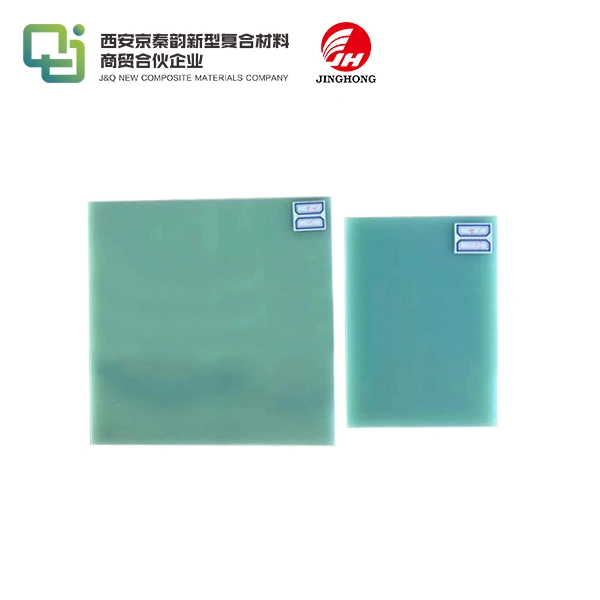
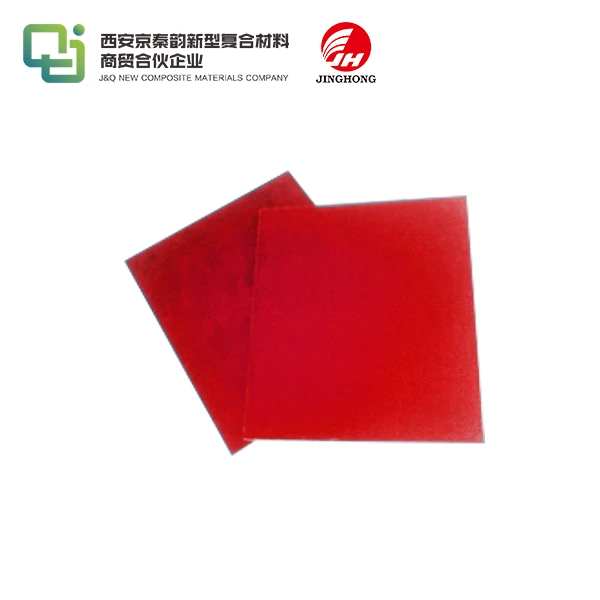
FR4 Board for EV Battery and Electronics Industries
2026-05-14 16:13:39
Because of the rise of electric vehicles, we need materials that can last in harsh circumstances and still be safe and effective. The flame-resistant glass-epoxy laminate FR4 board is now an important part of EV battery control systems and power electronics. This hybrid material is made of woven fiberglass cloth and epoxy glue. It has better dielectric strength, thermal stability, and mechanical stiffness than most insulators. More and more pressure is being put on car engineers to improve charging speeds and energy density. Choosing the right insulation material has never been more important for the safety of battery packs and the dependability of electronics.
Understanding FR4 Board and Its Key Properties for EV Electronics
What Makes FR4 Board Essential for EV Applications
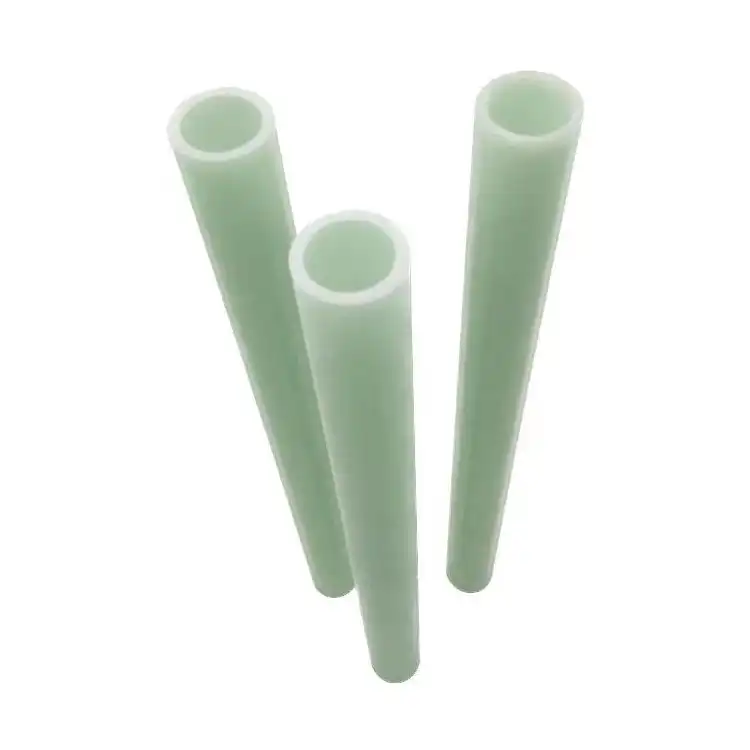
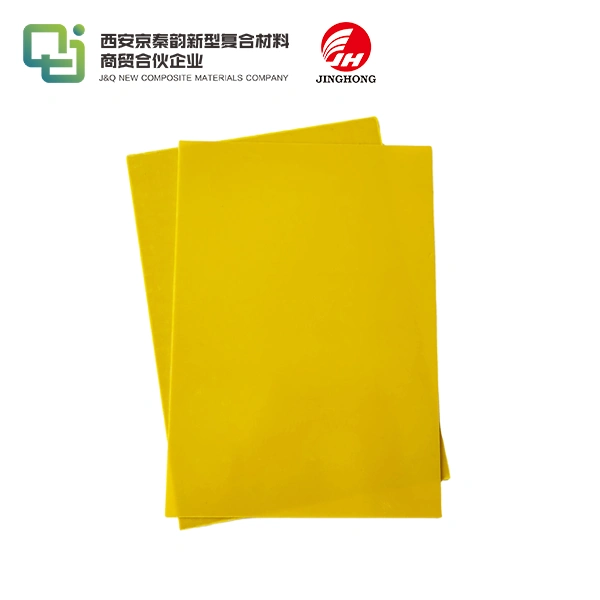
FR4 board is a high-quality thermosetting material that was made to work in harsh electrical settings. The letter "FR" means that the material meets UL94 V-0 flame retardancy standards. This means that it goes out on its own within ten seconds of being removed from the source of burning. This ability to put out fires on its own is very useful in EV battery areas where fires need to be contained right away. The structure of the continuous filament glass cloth keeps its shape even when the temperature changes. This stops the bending that affects the electrical gaps in battery modules.
Critical Physical and Electrical Properties
The material has a dielectric constant between 4.2 and 4.8 at 1 MHz, which makes sure that signals in battery tracking circuits behave in a reliable way. Dielectric strength is higher than 30 kV/mm, which makes solid shields against voltage breakdown in high-voltage battery packs that work above 400V. Water absorption stays below 0.2%, so insulation resistance stays high even in wet places or situations where coolants might be exposed. For normal grades, the glass transition temperature is between 130°C and 140°C. For uses near battery cells during fast-charging processes, high-Tg variants raise this temperature to over 170°C.
Temperature Resistance and Chemical Durability
When EV batteries are discharged and regenerative braking is used, they make a lot of heat. FR4 board resin boards keep their shape even after being heated and cooled many times between -40°C and 130°C, which is the same temperature range that lithium-ion chemistry works in. Battery electrolytes, coolants, and vehicle fluids can't break down the epoxy resin structure. This resistance to chemicals keeps the material from delaminating and losing strength over the course of a normal 10-year car life. IPC-TM-650 standards-based testing methods check thermal expansion factors to make sure they work with aluminum and copper busbars in battery interconnect systems.
Quality Standards and Compliance Requirements
Procurement teams should make sure that sellers follow ISO 9001 quality management systems and give them proof that the materials they provide are certified. UL certification marks show that the product has been tested for flame retardancy, and ROHS compliance makes sure that it doesn't contain any dangerous materials that are needed for global car markets. According to the IPC-4101 standards, performance grades are set. For example, /21 means normal FR4 board and /126 means high-temperature forms. Each package should come with a Certificate of Conformance that lists the width limits, copper cladding weight, and peel strength test results.
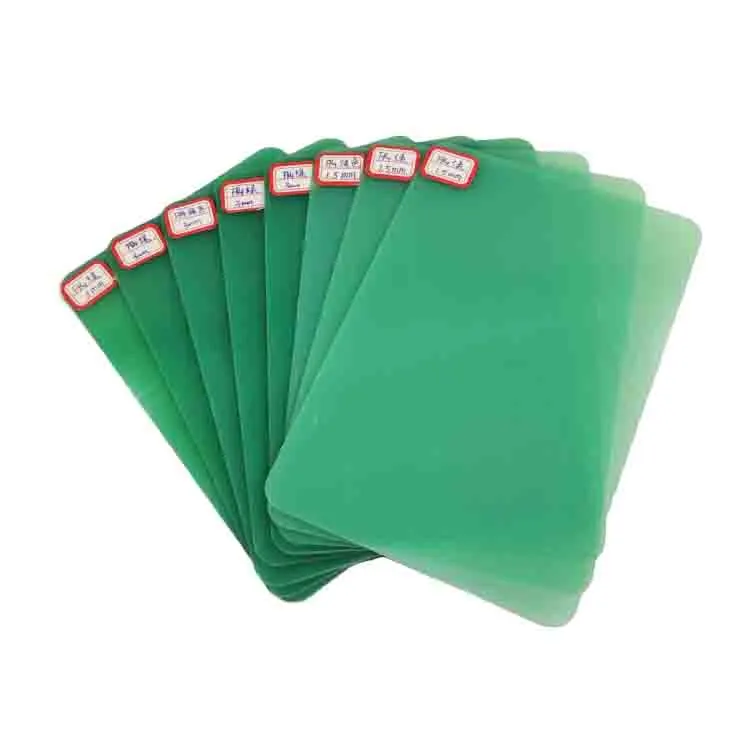
Comparing FR4 Board with Alternative PCB Materials for EV Electronics
Performance Advantages Over Competing Materials
Polyimide boards are better at withstanding temperatures up to 260°C than FR4 board laminates, but they are three to five times more expensive, so they can only be used in very hot places. Rogers' high-frequency laminates have less dielectric loss for RF signals, but they aren't strong enough for solid battery parts. Aluminum-backed boards are great at getting rid of heat for power modules, but they can't compare to FR4 board when it comes to electrical separation for multi-layer circuits. The cost of materials is cut by 15-20% with CEM-3 composite boards, but they don't have the uniform thickness tolerances that are needed for automatic assembly processes.
Cost-Effectiveness for Volume Production
Manufacturers of battery packs usually use a lot of insulation material for a lot of different car systems. FR4 board offers the best mix between efficiency and cost-effectiveness. The prices of materials stay the same because supply lines are stable and production methods are standardized. Costs for secondary processes go down when complicated geometries can be precisely machined without the need for special tools. When looking at the total cost of ownership, the dimensional stability of FR4 board cuts down on the amount of rework and scrap that needs to be done when putting together battery modules, which cancels out any material cost extra compared to cheaper options.
Reliability in Demanding EV Environments
Automotive standards-based vibration testing shows that FR4 board has better fatigue protection than phenolic cotton laminates, which crack into tiny pieces when mechanical force is applied for a long time. The material doesn't absorb much water, so it doesn't lose its dielectric properties like paper-based composites do when they are exposed to wet. Long-term age tests show that after 2,000 thermal cycles, the strength of the battery drops by less than 5%. This means that the safety systems in your car will always work. Because the material doesn't track, electric paths can't form from surface contamination, which is a major failure mode in high-voltage uses.
How to Choose the Right FR4 Board for EV Battery and Electronics Projects
Defining Electrical and Thermal Requirements
Before choosing a material, people who build battery management systems need to know the voltage levels, current densities, and temperatures that the system will be used at. To keep safety gaps, applications using 800V designs need FR4 board options that are thicker and have better dielectric qualities. When used continuously at temperatures above 110°C, high-Tg versions are needed to keep the material from shrinking and changing shape. According to IEC 60664 standards, engineers should figure out the needed creepage and clearance lengths and then choose the right board thickness to keep the electrical isolation even when there is pollution.
Evaluating Supplier Capabilities and Certifications
OEM companies looking for suitable suppliers should make sure that the suppliers' production capacity meets the project's number and schedule needs. Different providers have very different minimum order numbers. Some allow trial runs of less than 100 sheets, while others need pallet quantities. Depending on how complicated the design is and how much demand there is at the moment, lead times are usually between two and six weeks. If suppliers are sending finished parts instead of raw sheets, they should show that they can do CNC cutting. Certification to the IATF 16949 standards for car quality means that the process controls are good enough for safety-critical parts.
Sample Testing and Quality Assurance Protocols
Before making big purchases, buying teams should ask for samples of the FR4 board materials to make sure they are what they say they are. To make sure that thickness standards meet design requirements, which are usually ±10% for business grades, they should be tested. Testing for dielectric breakdown voltage proves that the insulation works, and thermal shock cycle shows any possible delamination problems. Visual inspection with a magnifying glass finds flaws on the surface that might make it harder for the covering to stick or create spots where a partial discharge could start. Setting up standards for arriving inspections with suppliers stops quality disagreements and makes sure that the properties of materials are the same from batch to batch.
Best Practices for Procuring FR4 Boards from Reliable Suppliers
Identifying Qualified Manufacturing Partners
There are specialized FR4 board makers in the global supply base that have been working with the electrical business for decades. Asian suppliers have low prices and a lot of production capacity. They also have quality systems that meet international standards for cars. It is important to check the technical support that a provider offers because engineering help with choosing materials and setting up processing factors is very useful. Long-term relationships let people work together to make grades that are better for certain electric vehicle uses. This cuts down on the time it takes to get new vehicle models on the market.
Verification Steps for Supplier Reliability
Before getting into a lot of depth, ask for copies of the ISO 9001, UL, and any quality certifications that are specific to the car industry. Checking with other EV component makers for customer references can give you an idea of how well they deliver and how quickly they can respond to technical issues. Factory checks, whether they are done online or in person, show what equipment is used for production and quality control. Check the testing tools that providers have to make sure they can check the properties of materials themselves instead of sending them to outside labs. During ramp-up times, supply problems can be avoided by being clear about capacity limits and the availability of raw materials.
Negotiating Terms and Optimizing Logistics
When you commit to a volume that spans more than one quarter, you usually get better pricing and better insight into your suppliers' production plans. Talking about consignment agreements for goods can lower the amount of operating capital needed for high-volume projects. Total landed costs are best reduced by learning about the effects of area tariffs and looking into free trade zone choices. Suppliers who offer combined logistics make the supply chain more efficient by cutting down on the number of times that goods are handled, which lowers the risk of damage. Our company has specialized logistics operations that make sure materials are properly packed and transported in a climate-controlled way, protecting their properties from the plant to your receiving dock.
Why J&Q Stands Out in the FR4 Supply Market
We have been making electrical insulation materials for more than twenty years, which gives us a deep knowledge of the needs of the car and technology industries. With more than ten years of experience in international trade, we've set up strong quality assurance systems that are in line with global standards for purchasing goods. We are better at responding to technical questions and requests for custom specifications because we work with many foreign trade companies. Our combined logistics operation gives you a real one-stop service, so you don't have to worry about coordinating with material providers and freight forwarders. With this wide range of skills, we can ensure the quality of the material from the choice of glue to the final delivery.
Future Trends and Innovations in FR4 Board Use in EV Electronics
Emerging Technical Requirements for Next-Generation Vehicles
As electrical systems move toward 800V and silicon carbide power electronics, they need new types of insulator materials. For motor drives with higher switching rates, FR4 board variants with lower dielectric loss tangent are needed to keep parasitic heating to a minimum. As the energy density of battery cells rises, working temperatures get closer to the limits of the material. This leads to the creation of better high-temperature grades. Integration of thermal management is changing. For example, scientists are looking into making FR4 board formulations that conduct heat better while keeping electrical separation and improving heat transfer to cooling systems.
Sustainability and Environmental Compliance Pressures
As pressure mounts on automakers to lower the carbon impact of their vehicles over their entire lifetimes, materials used in the supply chain are being closely looked at. The main goal of improving FR4 board output is to lower the amount of volatile organic compound fumes that happen during the lamination process. Through recycling, companies try to get back glass fiber and epoxy parts that were used in old gadgets and industrial waste. Bio-based epoxy adhesives made from plants are now being tested in the market. They could help reduce our reliance on oil while keeping the performance of materials the same. RoHS and REACH regulations keep adding more substances to lists of things that can't be used, which means that providers have to set up strict systems for tracking materials.
Material Innovation and Design Optimization
Researchers are working on halogen-free flame prevention systems that are as good as or better than bromine-based ones. Nanoparticle reinforcement could help improve heat conductivity without changing the electrical qualities. High-Tg grades used to be more expensive, but new resin methods with higher glass transition temperatures get rid of that cost boost. For managing high-power batteries, new materials are coming out that combine the good things about FR4 board with the heat-spreading properties of metal cores. New developments in the manufacturing process allow for tighter thickness standards and better surface finishes, which cut down on the need for extra work.
Adapting Procurement Strategies for Future Needs
To get new materials technologies early, supply chain teams should build relationships with sellers who spend money on research and development. Being a part of technical committees in the car business lets you see how standards and testing requirements are changing. By making material specs as flexible as possible, you can keep them from becoming obsolete when better grades come out. Cost efficiency and supply security are both important in dual-sourcing methods because material demand rises as more EVs are made. Compliance problems that could throw off production plans can be avoided by keeping an eye on legal trends in key markets.
Conclusion
FR4 board technology is still very important for EV battery systems and power electronics because it provides the safety, dependability, and performance that current electric cars need. The material's ability to resist flames, keep its shape at high temperatures, and keep electricity from flowing through it meet important needs in battery management, power conversion, and motor control. As the use of electric vehicles grows, it becomes more important to find skilled sources with strong quality systems and a track record of technical success. As car designs change to accommodate higher voltages and power densities, FR4 board laminates will continue to be useful thanks to ongoing material innovations and sustainability improvements.
FAQ
Why do EV manufacturers prefer FR4 board over other insulation materials?
FR4 board is perfect for high-voltage battery uses because it is UL94 V-0 flame retardant, has a dielectric strength of more than 30 kV/mm, and is mechanically stiff. Comparing efficiency to phenolic composites, the material works better and costs a lot less than polyimide options. Its ability to keep its shape even when exposed to changes in temperature keeps it from twisting, which can damage electrical gaps in battery modules.
What quality checks should we perform before large-scale FR4 purchases?
To make sure of the thickness limits, which are usually ±10% for industrial grades, ask for examples of the FR4 board. Test the dielectric breakdown voltage to make sure the insulation fits the requirements. Thermal shock cycling can help you find problems with delamination. Surface flaws can be seen with the naked eye or with a magnifying glass. Look at the supplier's certificates to make sure they have ISO 9001, UL, and ROHS safety paperwork.
What are typical lead times for custom FR4 orders in the EV industry?
Standard FR4 board sizes and widths usually ship in two to three weeks from reputable sources. Depending on the supply of raw materials, it takes four to six weeks for custom thicknesses or formulas. It takes an extra one to two weeks to design and set up production for CNC-machined finished parts. Setting up blanket purchase orders with planned releases makes it easier to plan for deliveries for projects that need a lot of items.
Partner with J&Q for Your FR4 Board Requirements
J&Q offers complete FR4 board options backed by 20 years of experience making high-quality insulation materials and a lot of foreign trade. Because our expert team knows how hard EV battery systems have to work, they can tell you which material types will work best for your needs. Our quality systems are ISO 9001 certified, and we provide full material traceability paperwork that meets the standards of the car business. Since we are a well-known supplier that also handles logistics, we can offer competitive prices for large orders while still being able to support prototype development with low minimum order numbers. Email our team at info@jhd-material.com to talk about the details of your project, get detailed data sheets, or set up a sample review.
References
Institute for Printed Circuits (IPC), "IPC-4101 Specification for Base Materials for Rigid and Multilayer Printed Boards," IPC International Standards, 2021.
Underwriters Laboratories, "UL 94 Standard for Safety of Flammability of Plastic Materials for Parts in Devices and Appliances," UL Safety Standards, 2020.
Society of Automotive Engineers, "SAE J2464 Electric and Hybrid Vehicle Rechargeable Energy Storage System (RESS) Safety and Abuse Testing," SAE International, 2019.
International Electrotechnical Commission, "IEC 60664-1 Insulation Coordination for Equipment Within Low-Voltage Systems," IEC Standards, 2020.
American Society for Testing and Materials, "ASTM D3638 Standard Test Method for Comparative Tracking Index of Electrical Insulating Materials," ASTM International, 2022.
Materials Research Society, "Advanced Composite Laminates for High-Voltage Electric Vehicle Applications," MRS Bulletin, Volume 47, 2023.