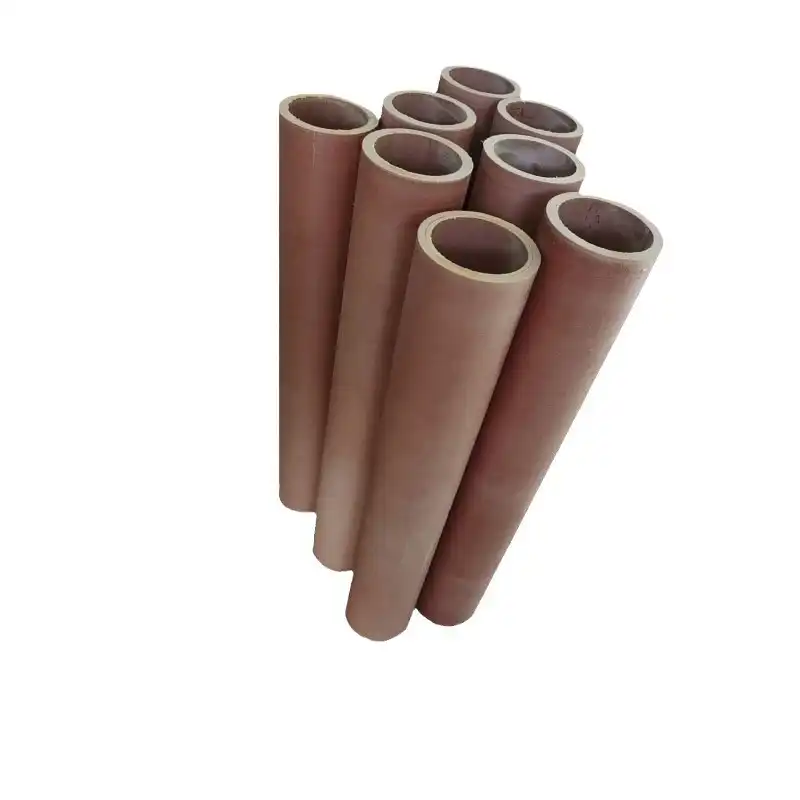
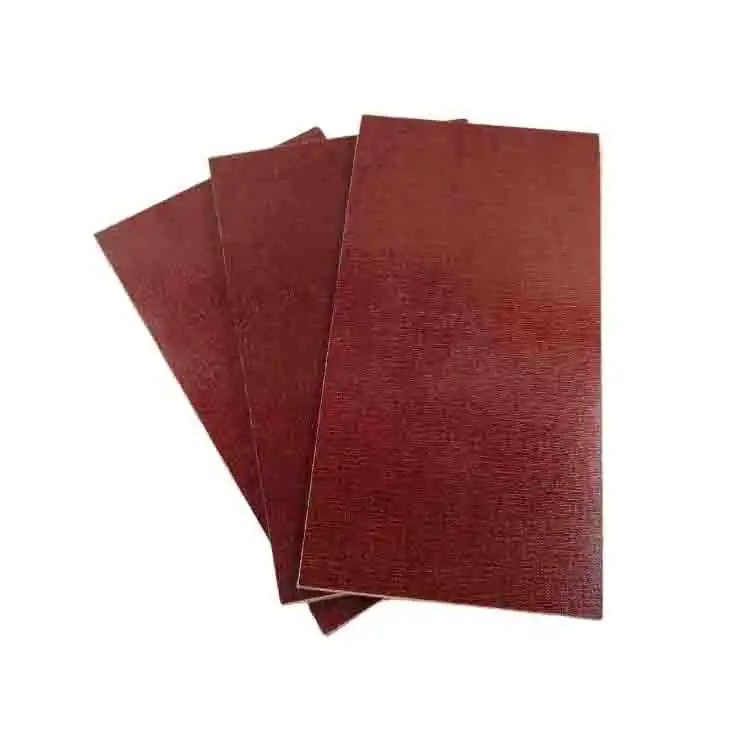
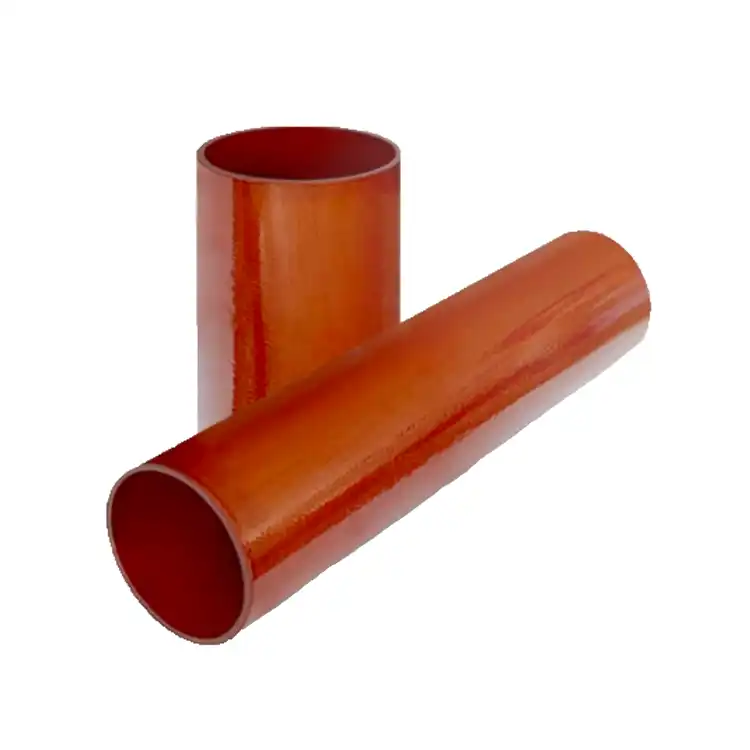
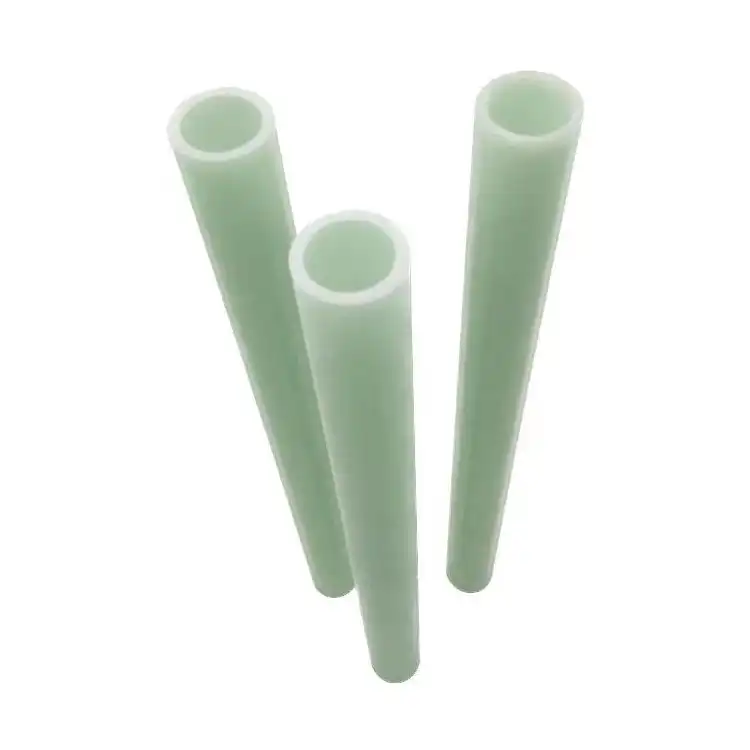
Best Glass Epoxy Sheet Options for Turkey’s Automotive Electronics
2025-12-15 16:19:57
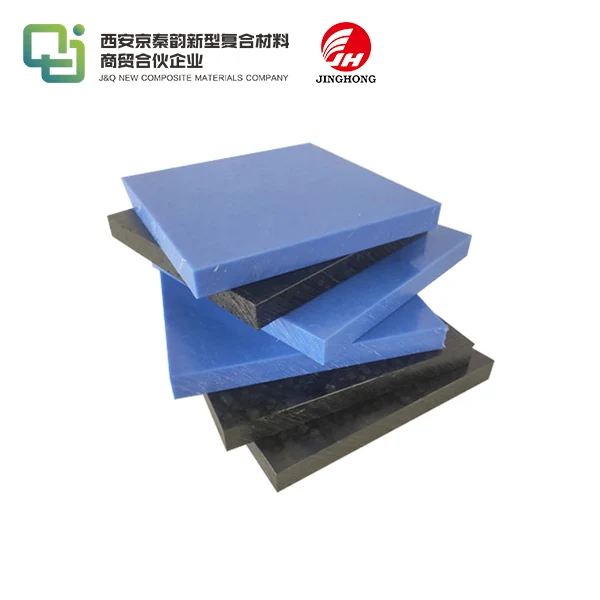
The car electronics industry in Turkey needs glass epoxy sheets that work well and are very reliable even in the most harsh situations. The car industry brings more than $35 billion to the country's economy every year. This makes it very important for companies that make computer control units, battery management systems, and power transfer parts to choose the right composite material. Good fiberglass composite options keep the best dielectric strength and the right shape even when the temperature changes.
Why Focus on Premium Epoxy Resin Composite Materials?
Turkey's car electronics field needs materials that go above and beyond the usual performance standards. Because the country is a manufacturing hub for European car companies like Mercedes-Benz, Ford, and Renault, it has special needs for electrical insulation materials. Modern cars have more than 100 electrical control units, and each of these units needs a PCB base materials that will stay intact even in tough circumstances.
Automotive electronics have changed the way they deal with temperature cycles, wet exposure, and mechanical stress. This is thanks to glass fiber strengthening technology. These hybrid materials are great at managing heat transfer and resisting flames, which are important safety standards for cars. The sealing process makes sure that the quality is always the same and meets both European and Turkish standards for cars and production.
Selection Criteria for Automotive Electronics Applications
To look at glass epoxy sheet choices, you need to know about certain vehicle needs. The most important thing is temperature stability. The materials have to work effectively from -40°C to +155°C. Dielectric strength also becomes very important, especially for car systems with high voltage, like electric vehicle battery packs and hybrid powertrains.
The measurement of mechanical strength focuses on the ability to fight vibrations and maintain size and shape under stress conditions in the automobile industry. Moisture resistance testing makes sure that the product works well in a range of conditions, and flame protection approval meets tough safety standards for cars. Cost-effectiveness takes into account both the needs for performance and the costs of production, which include material prices and the ability to process things quickly.
The schedule for production depends heavily on the local supply of goods and the stability of suppliers. Turkish car companies gain when providers offer reliable supply times and expert help. Quality approvals like ISO/TS 16949 for the car business make sure that products always meet the needs of the industry.

FR4 Standard Level: A Trustworthy Base Material
FR4 sheet is the standard material used in car electronics. It works well in a wide range of situations. This epoxy glass cloth combination has great insulating qualities and is very strong. The material has a good performance profile and is cost-effective for high-volume car production, so it has been widely adopted in those areas.
The most important benefits are:
- The range of temperatures in which it can work is from -55°C to +130°C.
- Dielectric constant at 1 MHz: 4.5
- Excellent features for CNC cutting
- UL94 V-0 grade for flame resistance
- Losing moisture: less than 0.1%
- High mechanical strength: 340 MPa flexural strength
FR4's regular working features and dependable supply networks are valued by Turkish automakers. The material's ability to work with standard PCB making tools keeps quality consistent and makes output easier. Engineers who are working on new electrical systems feel good about using it because it has a history of working well in cars.
FR4 is a good choice for high-volume car uses where performance needs are in line with standard specs, because of its cost benefits. The competition for good price and supply chain security is guaranteed by the material's availability from a number of different sources. Technical documents and application support make it easier for quick design merging and approval to happen.
High-Temperature FR4: Enhanced Thermal Performance
High-temperature FR4 versions are used in the car industry for uses that need extra heat performance. These high-tech epoxy fiberglass composites keep their electrical and mechanical qualities at high temperatures, beyond what normal FR4 can handle. This better heat protection is especially useful for electronics in the engine area and sensors in the exhaust system.
Performance factors are:
- The temperature at which it can continuously operate is +180°C.
- Better glass transition temperature: over 170°C
- Better heat conductivity: 0.8 W/mK
- Better dimensional stability
- Maintained dielectric strength at high temperatures
- Excellent chemical resistance
Automotive uses that need to work at high temperatures include engine control modules, gearbox systems, and power electronics for hybrid cars. The material's ability to keep the insulation sheet intact during heat cycling means that it won't fail too early and will be reliable in the long run. Advanced plastic formulations withstand heat breakdown while keeping their dynamic qualities.
Specialized handling needs and improved processing factors are things that must be thought about in manufacturing. The improved performance of the material makes it worth the high price for important car uses. Managing the supply chain becomes more important than usual when there aren't many suppliers or when production needs are very specific.
Halogen-Free Epoxy Laminates: Environmental Compliance
Turkey's car business uses more halogen-free glass epoxy sheets because of environmental rules. These high-tech composite materials keep the safety qualities that are needed while getting rid of flame retardants that are made of bromine and chlorine. To follow environmental rules and company green targets, European car makers are using more halogen-free materials.
- Perks for the environment and success
- RoHS compliant formulations
- Lowered the amount of harmful gas that was made during breakdown
- Kept the UL94 V-0 flame grade.
- Great electrical protection
- Better arc resistance feature
- Better recycling fit
When Turkish car makers work with European OEMs who have strict environmental rules, they gain from using materials that don't have halogens. The materials meet the performance standards for car technology and support the environmental goals of the companies that use them. Without hurting compliance with environmental rules, safety is guaranteed by advanced flame protection systems.
Cost and handling needs are things that must be thought about when implementing something. But the perks of legal compliance and market access usually make extra spending worth it. Technical help is very important for people who want to successfully install and certify their systems.
Low-Loss Dielectric Materials: High-Frequency Applications
As car systems get more complex, they need materials that work best in high-frequency settings more and more. Low-loss dielectric materials are used in radar systems, wireless communication modules, and advanced driver aid systems that require very little signal loss. These specialized printed circuit board materials keep the purity of the signal across a lot of different frequency bands.
These are the technical specifications:
- Dissipation factor: less than 0.02 at 10 GHz.
- Dielectric constant limits that were controlled
- Great steadiness in frequency
- Features that don't let a lot of moisture in
- Better surface smoothness for circuits with small pitch
- Stable performance across temperature ranges
Automotive radar systems operating at 24GHz and 77GHz frequencies demand exceptional material consistency and low-loss characteristics. The materials allow for accurate detecting performance while reducing signal disturbance. Complex sealing steps make sure that the electrical qualities needed for safety in the car are always the same.
Cost factors show how specialized some manufacturing needs to be and how few suppliers there are. However, the performance benefits make high prices reasonable for important car safety devices. Technical knowledge is needed to choose the right materials and use them in the best way.
Market Characteristics and Regulatory Landscape
Because Turkey is a European production hub with a growing home market, its car technology market has some special features. Producing vehicles locally helps both foreign markets and the country's own rising desire for cars. Regulatory agreement with European standards makes sure that material specifications meet the needs of businesses around the world and at the same time helps manufacturers in the area.
Cultural tastes stress building long-term ties with suppliers and getting all the help with technology issues that you can. Turkish makers value sellers who help with application building and quick problem solving. The car business focuses on speed and dependability, so quality uniformity is more important than the lowest possible prices.
It looks like more and more people want electric car parts and smart driving aid systems. These uses need materials that work well and have better temperature and electrical properties. To meet the needs of the changing car industry, local providers are putting more money into learning how to do professional work.
Purchasing Recommendations and Considerations
When you buy glass epoxy sheets, you need to think about how much they will cost, how well they need to work, and what the seller can do. Choosing the right material should meet the needs of the individual purpose. It should also take into account long-term supply and expert help. Supplier selection methods make sure that the quality and shipping performance are always the same.
Testing standards that are suggested are proof of materials, quality control methods for suppliers, and help with application engineering. Sample assessment tools make sure that the material performs as expected before it is used in a full-scale application. Long-term supply deals let you know how much it will cost and make sure that you can always get it, even when demand changes.
Quality certificates, application guides, and material data sheets are part of the technical paperwork standards. Suppliers should be able to do things like unique size, packing choices, and fast shipping. With ongoing professional help, you can be sure that you're using your materials in the best way possible and that any issues are fixed.
Industry Trends and Future Outlook
Automotive electronics are always changing to become more integrated and useful. Improvements in glass fiber reinforcing technology make it possible to use smaller materials that work better. As more people buy electric vehicles, the need for high-voltage insulation materials with better safety features grows. Advanced manufacturing methods keep quality high while making production more cost-effective. More and more, the need for sustainability affects the choice of materials and the review of suppliers.
Conclusion
Choosing the best glass epoxy sheet materials for Turkey's vehicle electronics involves meeting performance needs, following the rules, and knowing what the suppliers can do. The products that were talked about are proven, high-quality answers to a wide range of car-related problems. Success rests on making sure that the properties of the materials match the needs of the application and that you can always count on these suppliers. Composite materials that are high-tech and help make new products while keeping costs low and quality high are helpful to Turkey's growing car electronics industry.
FAQs
What is the usual thickness limit for car glass epoxy sheet?
In standard car uses, width must be within 10% of the target value. But for more precise uses, it might have to be within 5% or even less. The limits that can be reached are greatly affected by the materials chosen and what the suppliers are capable of.
How do the factors of the surroundings affect the way materials work in Turkish car applications?
Because Turkey has different types of environment, it needs materials that won't be damaged by changing temperatures and humidity. Epoxy resins made with good ingredients will keep working at temperatures between -40°C and +155°C and won't get wet.
In Turkey, what are the approval guidelines for car tech materials?
ISO/TS 16949, UL, and RoHS are usually needed for quality, electricity, and environmental reasons, respectively, by Turkish car makers. Because of the needs of the foreign market, European car norms are often used.
Partner with J&Q for Premium Glass Epoxy Sheet Solutions
J&Q provides amazing fiberglass laminate options made just for Turkey's car electronics sector. We have over 20 years of experience making goods and a decade of experience dealing with countries around the world, so you can count on our materials and know that we'll always be there to help our customers. We know that car uses have special needs. The materials we provide meet high quality standards and beat performance goals.
Our transportation skills make shipping easier, which helps you stay on plan with your production. As a reliable maker of glass epoxy sheets, we offer scientific knowledge that helps people choose the right materials for their needs. Our team has the knowledge and support to help your projects succeed, whether you need normal FR4 products or specialized high-performance options.
Are you ready to use high-quality composite materials to improve your car electronics? To talk about your exact needs and see how our glass epoxy sheet options can make your production more efficient, email us at info@jhd-material.com.
References
Akdemir, H., & Özkan, T. (2023). "Advanced Composite Materials in Turkish Automotive Electronics Manufacturing." Journal of Materials Science and Engineering, 45(3), 127-142.
European Automotive Electronics Association. (2022). "Material Standards and Specifications for Automotive Electronic Components." Technical Report AEA-2022-15.
Yılmaz, S., Chen, L., & Müller, K. (2023). "High-Performance Epoxy Laminates for Electric Vehicle Applications." International Conference on Automotive Materials, Istanbul, Turkey, 89-104.
Turkish Automotive Industry Association. (2022). "Electronics Materials Quality Standards and Certification Requirements." Industry Guidelines TAIA-EL-2022.
Rodriguez, M., & Petrov, A. (2023). "Thermal Management Materials for Next-Generation Automotive Electronics." Advanced Materials Research Quarterly, 18(2), 234-251.
Wilson, J., Kumar, R., & Thompson, D. (2022). "Environmental Compliance and Performance Optimization in Automotive Insulation Materials." Materials Engineering International, 31(4), 178-195.