Can Phenolic Cotton Cloth Board Improve Wear Performance in Industrial Mechanical Components?
2026-10-10 16:59:13
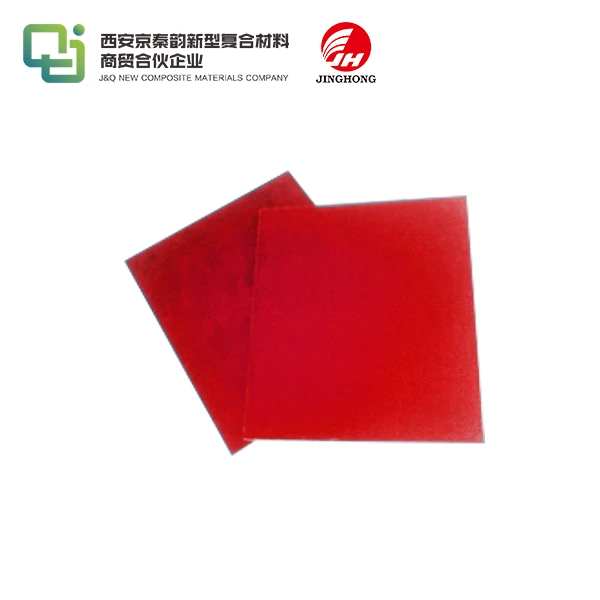
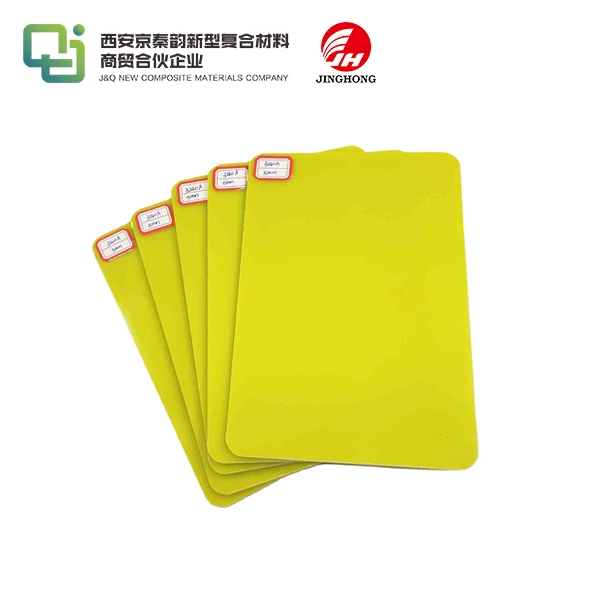
Yes — phenolic cotton cloth board genuinely improves wear performance in industrial mechanical components. This composite laminate, manufactured by impregnating woven cotton fabric with phenolic resin under high temperature and pressure, delivers exceptional mechanical toughness, low friction behavior, and chemical resistance. Designated as PF CC 201 under IEC standards (NEMA Grade C/CE), it addresses a real engineering gap: components that must resist abrasion and impact while maintaining electrical insulation. From gears and bearings to spacers and sealing parts, this material consistently outperforms conventional options in demanding service conditions.
Understanding Phenolic Cotton Cloth Board and Its Wear Performance
What Is This Material?
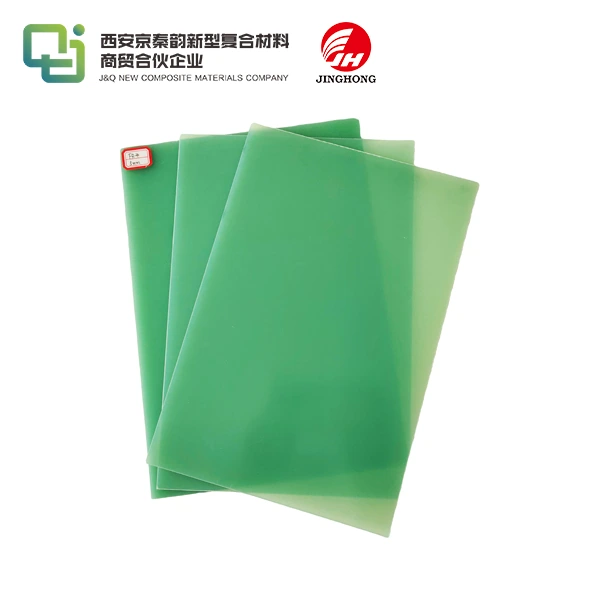
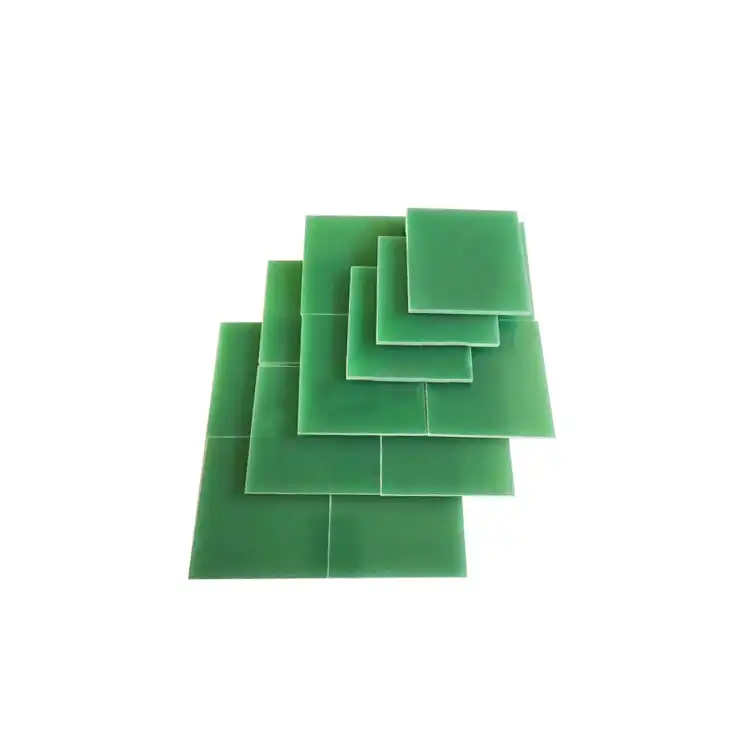
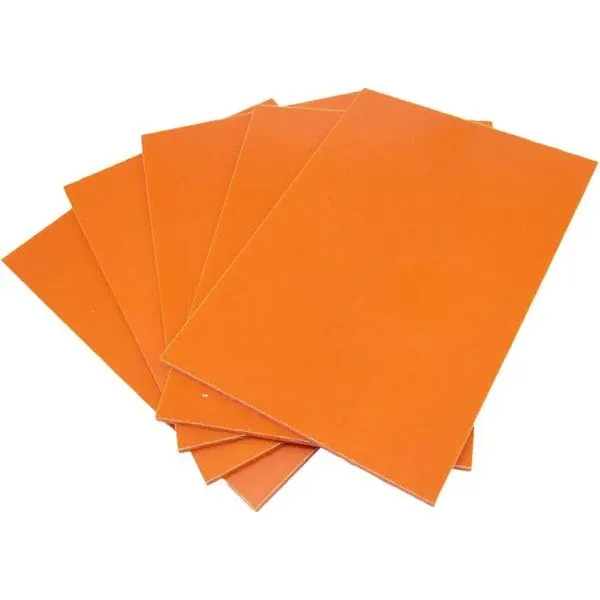
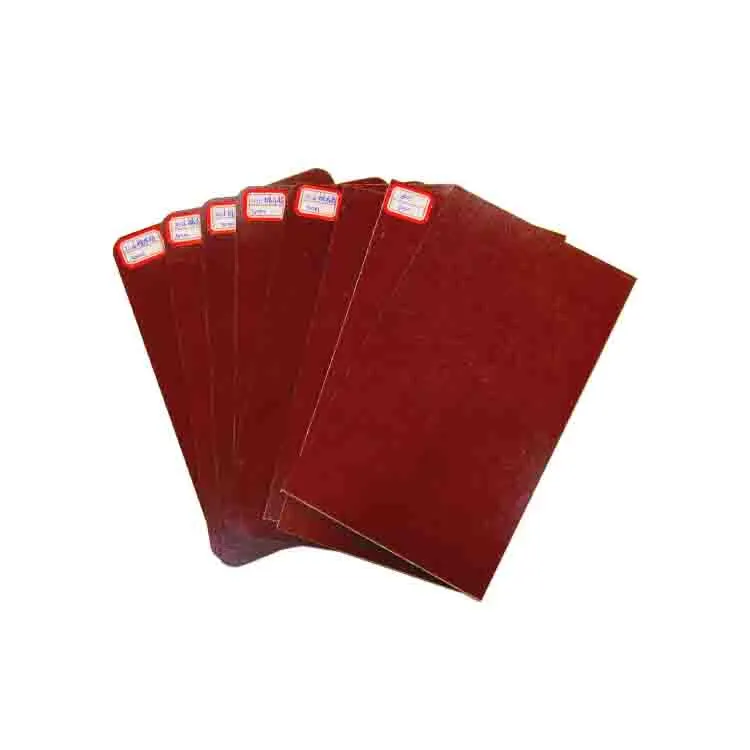
A thermosetting composite called Phenolic Cotton Cloth Board is created by pressing layers of cotton cloth soaked with phenolic resin under high pressure and temperature. The woven cotton base makes it much more resistant to impact than phenolics made from paper. It has a specific gravity of 1.35 to 1.45 g/cm³, and Grade C boards have a Charpy flatwise impact strength of 8.8 kJ/m² and a flexural strength of over 100 MPa. These are great qualities for uses that need to hold weight and wear down quickly.
Key Wear-Related Properties
The material's tribological benefits come from three things that work together. The network of cotton fibers reduces mechanical shock, which keeps the surface from wearing down. Chemical-assisted wear can't happen because the phenolic resin structure doesn't react with oils, solvents, or weak acids. When moving, the textured surface geometry reduces the real contact area, which lowers the friction coefficient compared to metal or glass-epoxy surfaces that are smooth. Grade CE further lowers the amount of moisture that is absorbed to less than 1.6% (at 1.5 mm thickness), which means that the dimensions stay stable even when the environment is humid.
How It Compares to Plywood and Mica Board?
Oil, humidity, or cyclic mechanical load quickly break down plywood, causing it to splinter and lose its shape. Mica board is great at keeping heat in, but it breaks easily when it hits something. A totally different level of performance is reached by cotton-reinforced phenolic laminate. It works quietly in gear and bearing applications with little to no lubrication, absorbs vibration instead of sending it, and keeps its tight size limits as needed by IS 2046 and ASTM D709.
Challenges in Wear Performance of Industrial Mechanical Components
Common Wear Failure Modes
In industrial machinery, three wear modes dominate component failure: abrasive wear from particulate contact, adhesive wear from direct surface-to-surface sliding, and tribochemical degradation caused by lubricant breakdown or chemical exposure. Each mode shortens service life, increases replacement frequency, and raises unplanned downtime costs. Engineering teams managing motor components, mechanical gears, and guide rails know this problem directly with Phenolic Cotton Cloth Board.
Limitations of Conventional Board Materials
Paper-based phenolic boards absorb moisture over time, causing swelling and loss of dimensional accuracy. Standard fiberglass laminates resist heat well but tend to delaminate during precision CNC machining, leaving rough edges that accelerate mating-surface wear. Plywood-based insulators fail under repeated thermal cycling. These material limitations create measurable gaps in mechanical performance that procurement teams must account for when specifying components.
The Cost of Getting It Wrong
When an under-specified insulation board fails in a gearbox spacer or motor bearing slot, the cost isn't just the part — it's the labor, the production stop, and potential secondary damage to metal components. Studies on industrial maintenance economics consistently show that material upgrades in wear-critical positions reduce total lifecycle cost, even when the initial material price is higher.
How Phenolic Cotton Cloth Board Enhances Wear Resistance?
Mechanical Strength and Stability
Because it is made of woven cotton, this laminate is more resistant to impact than paper-based alternatives. When dynamic loads are applied, like in gears, rollers, and drilling jigs, the fabric layer spreads the stress across the surface instead of letting cracks spread. This means that parts won't need to be replaced as often, and rotating systems will have fewer catastrophic breakdowns.
Surface Behavior and Friction Reduction
A micro-structured touch surface is created by the natural roughness of the cotton weave. This lets a thin film of lubricant stick to bearings and bushings regularly, stopping dry contact even when the load is mild. Because of this, the working temperature at the contact surface goes down, which slows the wear process. This makes the material a great option for metal bushings in rough or wet conditions.
Machinability and Dimensional Accuracy
One wear benefit that isn't given enough credit is that it can be machined. When you drill or mill on glass-epoxy laminates, the layers can come apart, but CNC processes don't affect cotton-phenolic laminates at all. It is possible to achieve and repeat tight tolerances, which means that the part that is fitted fits perfectly. A part that doesn't fit properly is one of the main reasons why it wears out quickly. With reliable results, this material can be used for gear machining, mold machining, and slot wedge manufacturing.
Comparing Phenolic Cotton Cloth Board with Alternative Materials
Cotton Phenolic vs. Paper Phenolic
Paper phenolic boards are cheaper up front, but they are less resistant to damage and water. Paper phenolic loses its shape more quickly in situations where it is subject to vibration, load cycling, or humidity. Phenolic Cotton Cloth Board keeps its shape for longer, which means that parts don't need to be replaced as often, saving money on work costs. This difference in lifecycle length is very important for OEM sourcing managers who need to find spacers or gears that won't wear out quickly.
It is clear that cotton phenolic laminate is better than paper-based and glass-reinforced options in the following performance areas:
- Impact resistance: The woven cotton fiber network absorbs shock loads far more effectively than paper-based phenolic, making it appropriate for dynamic applications like gears and mechanical guides where repeated impact cycles occur.
- CNC machinability: Cotton phenolic mills and drills cleanly without delamination risk, allowing engineering teams to hold tight tolerances on custom-profiled parts — a critical requirement for precision gear teeth and bearing housings.
- Moisture stability: With Grade CE moisture absorption below 1.6% at 1.5mm thickness, dimensional integrity is maintained in humid or oil-splash environments where paper phenolic would swell.
-- Resistance to impact: The braided cotton fiber network can handle shock loads a lot better than phenolic made from paper. This makes it suitable for moving parts like gears and mechanical guides that are hit over and over again.
Cotton Phenolic vs. Fiberglass and Mica
Fiberglass (FR4-type) laminates work well in electrical applications that need high dielectric strength and thermal stability. However, when they are machined, they leave behind abrasive cutting edges that can speed up tool wear and encourage part-on-part abrasion. Extreme temps don't hurt mica boards, but they are very fragile. Cotton phenolic laminate is in the middle of these choices. It has a good dielectric strength (about 5.5 kV/mm in oil for Grade CE), can handle mild temperatures, and machines cleanly, making it the most cost-effective choice for mechanical and electrical uses that need to work together.
Procurement Guide for Phenolic Cotton Cloth Board in Industrial Applications
What to Check Before Ordering?
People who work in procurement should make sure that any supplier's materials meet known standards, like IS 2046, ASTM D709, or IEC equivalents. UL approval and RoHS/REACH compliance are musts for use in regulated industries. The phenolic cotton cloth bonded sheet from J&Q has UL recognition (No. E310670) and has been tested and found to be safe for both RoHS and REACH.
Supplier Evaluation and Lead Times
In addition to certificates, you should also look at how consistent each batch is. For example, thickness standards should be checked across production lots, not just on sample pieces. Ask for written records of quality control. J&Q has been making insulating sheets for more than 20 years and has been trading internationally for more than 10 years. With its own logistics department, J&Q offers a one-stop service from production to delivery, making it easier for expert buying teams to coordinate.
OEM and Custom Sizing Options
A lot of industrial uses need sheets with non-standard sizes, specific thickness ranges, or shapes that are cut just for them. J&Q can handle OEM orders with a range of sizes and can also provide samples before committing to a large order. You can talk to the team about your needs by emailing info@jhd-material.com or going to jhd-material.com.
Conclusion
In industrial mechanical components, Phenolic Cotton Cloth Board clearly enhances wear performance. Its phenolic core protects against chemical and oil exposure, its woven support can handle impact loads that would destroy paper-based materials, and its machinability lets you fit it precisely, which stops wear from bad clearances. This material gives engineering managers and procurement teams in the machinery, power, car, and electronics industries a well-documented, standards-compliant way to lower the costs of upkeep caused by wear. The Grade C and CE types can be used for many things, from gears and bearings to coil spacers and slot wedges.
FAQ
What applications benefit most from its wear resistance?
When used in moving contact situations, like gears, guide rails, bushings, bearing sleeves, and mechanical spacers, cotton phenolic laminate works best. It also works well in underwater bearing situations because it doesn't absorb much water and is resistant to chemicals, so the structure stays strong without any greasing.
How does it compare to fiberglass in high-temperature conditions?
Fiberglass (FR4) can handle higher temperatures over time and has better thermal strength for insulating high-voltage electrical systems. Cotton phenolic works better in moderately hot, mechanically demanding situations where resistance to impact and ease of machining are more important than peak thermal rating.
What are typical lead times and minimum order quantities?
Lead times depend on the size and details of the order. J&Q can handle both sample requests and orders for a lot of items. Send your drawing or specification sheet to info@jhd-material.com to get an exact schedule. OEM and custom-sized orders are welcome, and J&Q's own transportation network helps keep wait times low.
Is this material compliant with international standards?
Yes, the Phenolic Cotton Cloth Board from J&Q meets the requirements of IS 2046, ASTM D709, and IEC. The item is recognized by UL (No. E310670) and has been checked for RoHS and REACH.
Request a Quote from J&Q — Trusted Phenolic Cotton Cloth Board Supplier
J&Q has been making things for more than 20 years and has been trading with other countries for ten years. Our Phenolic Cotton Cloth Board for sale is compliant with UL, RoHS, and REACH rules. It comes in OEM sizes and is always of high quality, thanks to our own transportation team. Get in touch with our expert team at info@jhd-material.com or visit jhd-material.com to send us your specs or ask for a sample right away.
References
1. Harper, C. A. (Ed.). Handbook of Plastics Technologies. McGraw-Hill, 2006.
2. Brydson, J. A. Plastics Materials (7th ed.). Butterworth-Heinemann, 1999.
3. ASTM International. ASTM D709: Standard Specification for Laminated Thermosetting Materials. ASTM International, 2017.
4. IEC. IEC 60893: Specifications for Industrial Rigid Laminated Sheets Based on Thermosetting Resins. International Electrotechnical Commission, 2003.
5. Stachowiak, G. W., & Batchelor, A. W. Engineering Tribology (4th ed.). Butterworth-Heinemann, 2013.
6. National Electrical Manufacturers Association. NEMA LI 1: Industrial Laminating Thermosetting Products. NEMA, 2020.