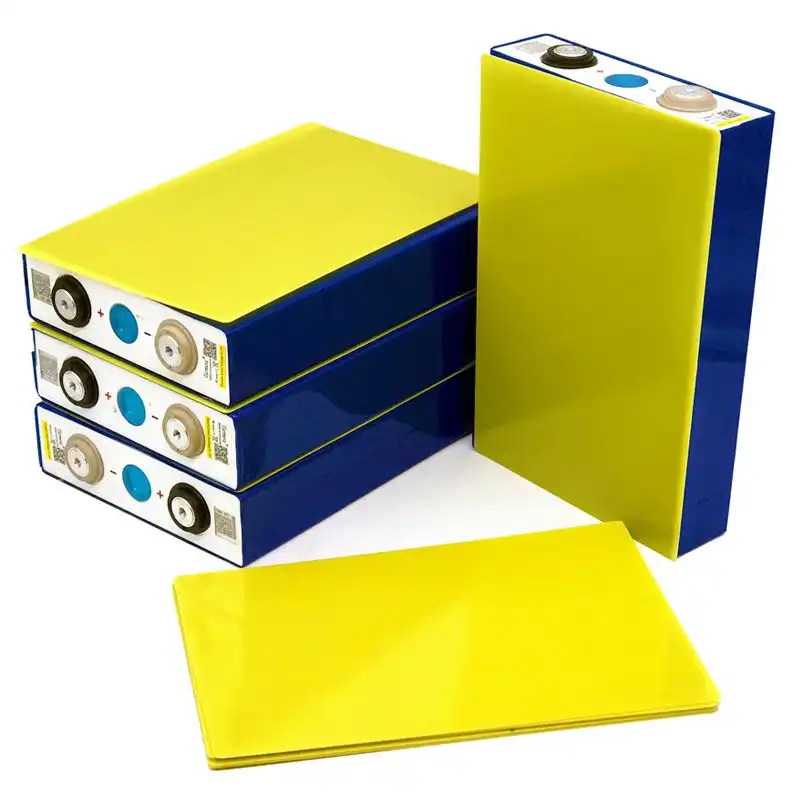
Can 94V0 FR4 Fiberglass Sheet Improve Insulation Safety in Industrial Control Systems?
2026-10-10 16:59:19
Yes, 94V0 FR4 fiberglass sheet can significantly improve insulation safety in industrial control systems. This epoxy resin-based laminate carries the UL 94 V-0 flame rating, meaning it self-extinguishes within 10 seconds on a vertical specimen without producing flaming drips. With a dielectric strength of approximately 50 kV/mm and a Glass Transition Temperature (Tg) of 130°C–140°C for standard grades, it performs reliably under thermal and electrical stress. For engineers specifying arc barriers, phase separators, or PCB substrates, this material addresses fire propagation risks that lesser materials simply cannot handle.
Understanding 94V0 FR4 Fiberglass Sheet and Its Properties
What This Material Is Made Of?
FR4 is a NEMA grade for a woven fiberglass cloth base that has a brominated epoxy resin binding added to it. The "94V0" term directly refers to the UL 94 Vertical Burn flammability rating, which is the strictest classification for electrically-used plastics. This laminate, unlike paper-phenolic grades like FR-1 or FR-2, doesn't absorb more than 0.2% of moisture according to ASTM D570. This means that it keeps its insulating properties even in damp places.
Key Technical Specifications
The density of the material is between 1.85 and 2.08 g/cm³, and its bending strength in the length direction is more than 340 MPa. It can break down at more than 40 kV when connected to laminations, which makes it perfect for insulating high-voltage switchgear and motors. Standard types can work constantly at 130°C (Class B insulation), while High-Tg versions can handle temperatures up to 170°C–180°C, making them useful for things like wave solder pallets.
Certifications and Quality Standards
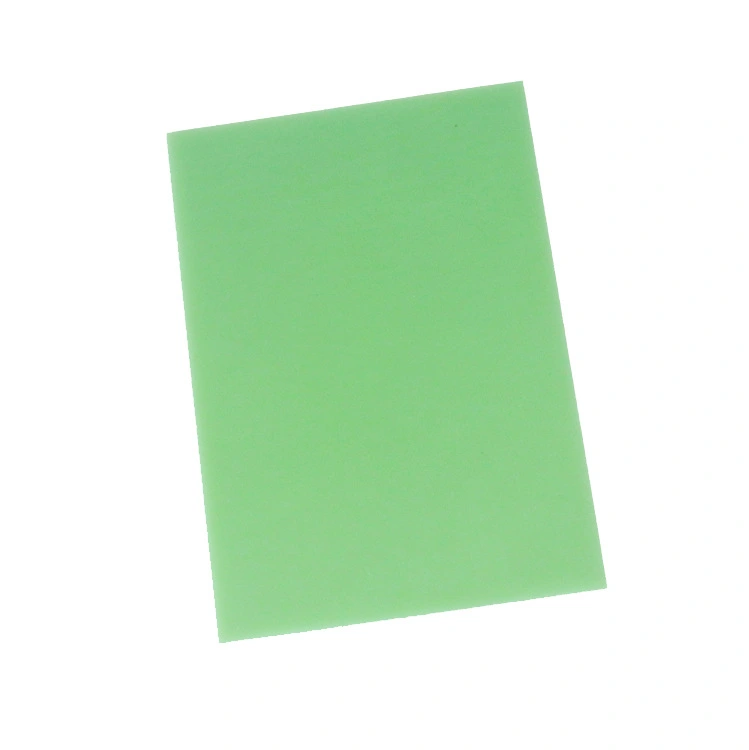
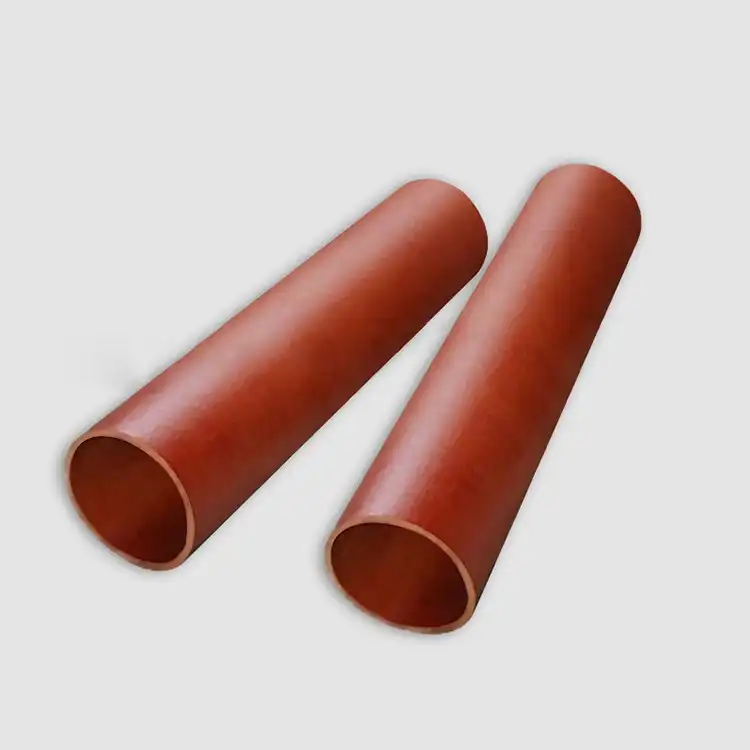
FR4 fiberglass sheets from JingHong are approved to UL 94 V-0 and made with a quality control system that meets ISO 9001 standards. You can get the light green epoxy resin sheets in widths ranging from 0.3 mm to 100 mm and normal sizes of 1030 mm × 1230 mm. You can also get them in custom sizes such as 1220 mm × 2440 mm and 1030 mm × 2070 mm. As required by ASTM D149, each batch is checked for dimensional accuracy (±0.1 mm for thin sheets) and dielectric breakdown.
Comparing 94V0 FR4 Fiberglass Sheet with Alternatives in Industrial Applications
FR4 vs. CEM-1 and Paper-Phenolic Laminates
The CEM-1 has a paper body with fiberglass sections on top of it, which makes it less resistant to fire and water. Paper-phenolic boards are easy to wet and break down more quickly when heated and cooled. FR4, on the other hand, is made of only glass and stays the same size and dielectric integrity even after being heated many times. This is a quality that switchgear and motor drive manufacturers depend on for long service intervals.
FR4 vs. Standard (Non-Rated) Epoxy Laminates
Standard epoxy laminates that don't have the V-0 label might not be able to put out fires on their own. This difference is important in a PLC box or switch panel. A non-rated material can catch fire and cause damage when an arc fault happens, but a UL 94 V-0 approved 94V0 FR4 Fiberglass Sheet stops the flame from spreading in seconds.
Cost-Efficiency Over the Product Lifecycle
Lower failure rates, less downtime, and fewer insurance claims more than make up for the higher cost of the materials at the start. Several industrial OEM sourcing managers have reported fewer warranty claims since switching their busbar support components from generic epoxy boards to certified FR4 stock. When purchasing teams are in charge of multi-year supply agreements, certified flame-retardant laminate always has a lower total cost of ownership than cheaper options that need to be replaced more often or fail compliance tests during audits.
Enhancing Insulation Safety in Industrial Control Systems with 94V0 FR4
Common Insulation Failure Modes This Material Addresses
Continuous arc propagation, creepage along insulation surfaces that have been worn down, and thermal softening of structural components are the three main things that can go wrong with industrial control panels. All three are easier to work with on standard glass-epoxy veneer than on phenolic paper boards. Its high Comparative Tracking Index (CTI) number lowers the risk of surface tracking in dirty settings, and its rigidity keeps it from deforming near parts that generate heat, like contactors and power resistors.
In the main situations where this material makes things safer, they are listed below:
- Arc barriers and phase separators in switchgear: The V-0 rating ensures flame self-extinguishment during arcing faults, preventing fire spread between live bus compartments.
- PCB substrates in control electronics: Dielectric strength above 50 kV/mm provides reliable isolation between circuit traces under voltage spikes.
- Motor terminal boards and insulation pads: Thermal stability up to 140°C sustains mechanical and electrical integrity near heat-generating windings.
When it comes to switchgear, arc barriers and phase separators: The V-0 grade makes sure that the flame goes out on its own during arcing faults, which stops the fire from spreading to other live bus cabins.- For PCB substrates used in control electronics, dielectric strength above 50 kV/mm keeps circuit traces from touching when voltage spikes happen.
Installation and Machining Best Practices
Because the woven glass filler is rough, tungsten carbide or diamond-coated tools are needed for cutting. High spindle speeds and good dust extraction keep the glass from delaminating and keep the operators from being exposed to glass particles. To keep the insulation layer in place at points when you bond sheets together, use adhesives that work with epoxy. Keep sheets dry and flat to keep them from picking up wetness that could affect how well they work as a high-frequency dielectric.
Maintenance Considerations for Long-Term Performance
Looking at the surface for signs of wear and tear like surface tracking, darkening, or edge chipping on a regular basis can help find problems early. Sheets with carbon tracking or physical damage should be thrown away instead of fixed, because hotspots in certain areas can weaken the insulation system as a whole. Keeping the material dry and keeping it away from chemicals that aren't in its stated resistance profile will keep its performance for the full rated service life.
Procurement Considerations for 94V0 FR4 Fiberglass Sheets
Evaluating Supplier Certifications and Batch Consistency
For each production batch, B2B buyers should ask for UL 94 V-0 test reports and ISO 9001 certificates. For sheets less than 3 mm thick, thickness limit values (±0.1 mm) and warping metrics below 0.5% are common ways to measure quality. JingHong can produce 43,000 tons of 94V0 FR4 Fiberglass Sheet goods every year, which means that each batch is the same. This is important for OEM sourcing managers, who can't stand it when big orders have different sizes.
Sizing, Customization, and MOQ
JingHong has regular sizes of 1030 mm x 1230 mm and custom forms that can be up to 1220 mm x 2440 mm. They also offer thicknesses that range from 0.3 mm to 100 mm. The smallest amount that can be ordered is 500 kg, and OEM custom size is available for projects that need measurements that aren't standard. You can pay with T/T, and you can ship internationally via ocean, land, or air freight. As a rule, all packages come in pallet protection packing.
Logistics and Supply Chain Transparency
JingHong has been making things for more than 20 years and trading with other countries for more than 10 years. It also runs its own transportation business to handle all aspects of shipping. This single-source model makes it easier for U.S. buyers with tight project deadlines to keep track of lead times and fill out import paperwork.
Future Outlook: Trends and Innovations in Fire-Retardant Fiberglass Sheets
Regulatory Direction in the U.S. Market
The National Electrical Manufacturers Association (NEMA) and UL are keeping the standards for industrial panels and power distribution equipment more stringent when it comes to fire safety and protection. If procurement professionals choose UL 94 V-0 approved materials now, they'll be ready for future changes to the code that could require higher flame rating minimums in enclosed electrical systems.
Material Science Developments
Researchers in resin chemistry are making halogen-reduced FR4 variants that keep their V-0 performance while lowering the bromine content for uses that are sensitive to RoHS. In EV battery management systems and inverter units, where thermal cycling needs are higher than normal Class B insulation values, high-Tg formulations that can handle temperatures above 180°C are becoming more popular.
Smart Monitoring Integration
Insulation panels with sensors built in are going from prototypes to early business use. In real time, these devices keep track of the surface temperature and dielectric condition. This lets repair teams know before the insulation fails. As this technology develops, buyers who choose FR4 substrates that are stable in size and can be machined now will be able to use their panels with embedded sensors in the future.
Conclusion
Industrial control systems have real, measurable insulation safety gaps that can be filled with 94V0 FR4 Fiberglass Sheet with a UL 94 V-0 rating. Because it doesn't catch fire on its own, has a high dielectric strength, and doesn't change shape when heated, it's a good choice for switchgear, PCB substrates, motor insulation, and arc barriers. The risk that usually comes with getting custom laminates is taken away when you buy them from a source whose production is certified and whose quality data can be tracked. It is normal practice for engineers and procurement teams that are in charge of system safety to ask for approved flame-retardant laminate. It is not a safety measure.
FAQ
What is the difference between G10 and FR4 fiberglass sheet?
G10 uses the same glass-epoxy construction but lacks brominated flame retardants. FR4 adds bromine to the resin system to achieve the UL 94 V-0 rating. For electrical and industrial applications where fire containment is required, FR4 is the standard specification. G10 remains suitable for mechanical applications where flame rating is not a design requirement.
Can FR4 withstand continuous high temperatures?
Standard grades operate continuously at 130°C (Class B). High-Tg variants rated for 170°C–180°C are available for applications involving repeated soldering cycles or proximity to high-current conductors.
How should FR4 fiberglass sheet be cut or drilled?
Use tungsten carbide or diamond-coated tooling with high spindle speeds. Proper dust extraction is required to manage abrasive glass fiber particles and prevent delamination at cut edges.
Does cutting or drilling affect the flame rating?
No. The UL 94 V-0 rating is a property of the resin chemistry throughout the sheet thickness. Machining does not remove or deactivate the flame-retardant mechanism, provided the material is not exposed to chemicals that degrade the epoxy matrix.
Is the light green color a certification requirement?
No. The color reflects the epoxy resin formulation convention but does not determine the flammability rating. The V-0 classification is assigned based on standardized vertical burn test results, not material color.
Get Certified FR4 Insulation Material from J&Q — Request a Quote Today
J&Q sells 94V0 FR4 Fiberglass Sheet directly from the maker. This industrial-grade sheet is certified by UL 94 V-0 and ISO 9001 and can be made to order in thicknesses ranging from 0.3 mm to 100 mm. The company can make 43,000 tons of this sheet every year. Our integrated logistics network sends freight by sea, land, and air to places in the United States. To get a price based on your needs, please email our expert team at info@jhd-material.com or visit jhd-material.com.
References
1. UL Standards & Engagement. UL 94: Standard for Flammability of Plastic Materials for Parts in Devices and Appliances. Underwriters Laboratories, 2021.
2. IPC — Association Connecting Electronics Industries. IPC-4101E: Specification for Base Materials for Rigid and Multilayer Printed Boards. IPC, 2017.
3. ASTM International. ASTM D149: Standard Test Method for Dielectric Breakdown Voltage and Dielectric Strength of Solid Electrical Insulating Materials at Commercial Power Frequencies. ASTM, 2020.
4. ASTM International. ASTM D570: Standard Test Method for Water Absorption of Plastics. ASTM, 2018.
5. National Electrical Manufacturers Association. NEMA LI 1: Industrial Laminating Thermosetting Products. NEMA, 2020.
6. Harper, Charles A. Handbook of Plastics Technologies. McGraw-Hill, 2006.
_1740986340093.webp)