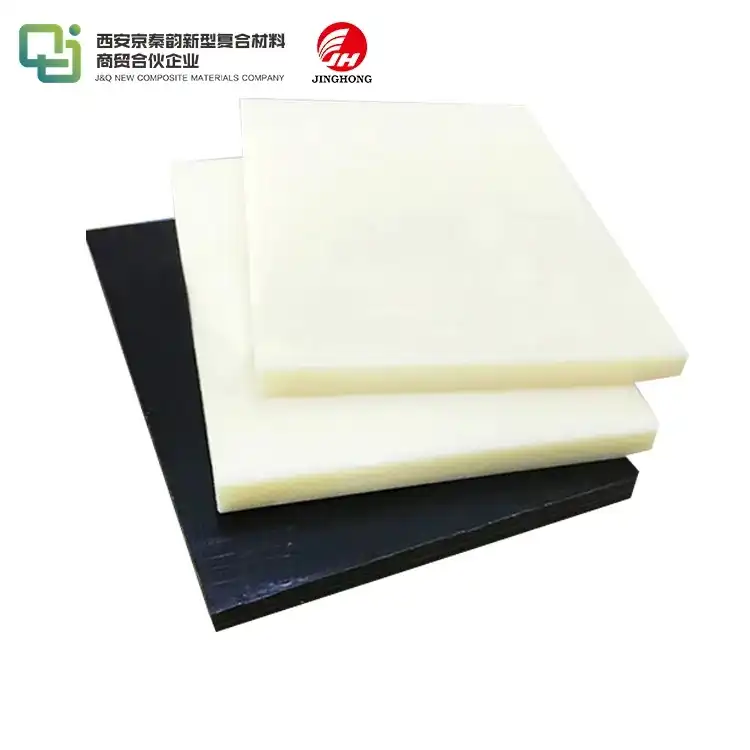
CE Phenolic Sheet for Electrical Panels and Insulating Components
2026-10-23 09:37:12
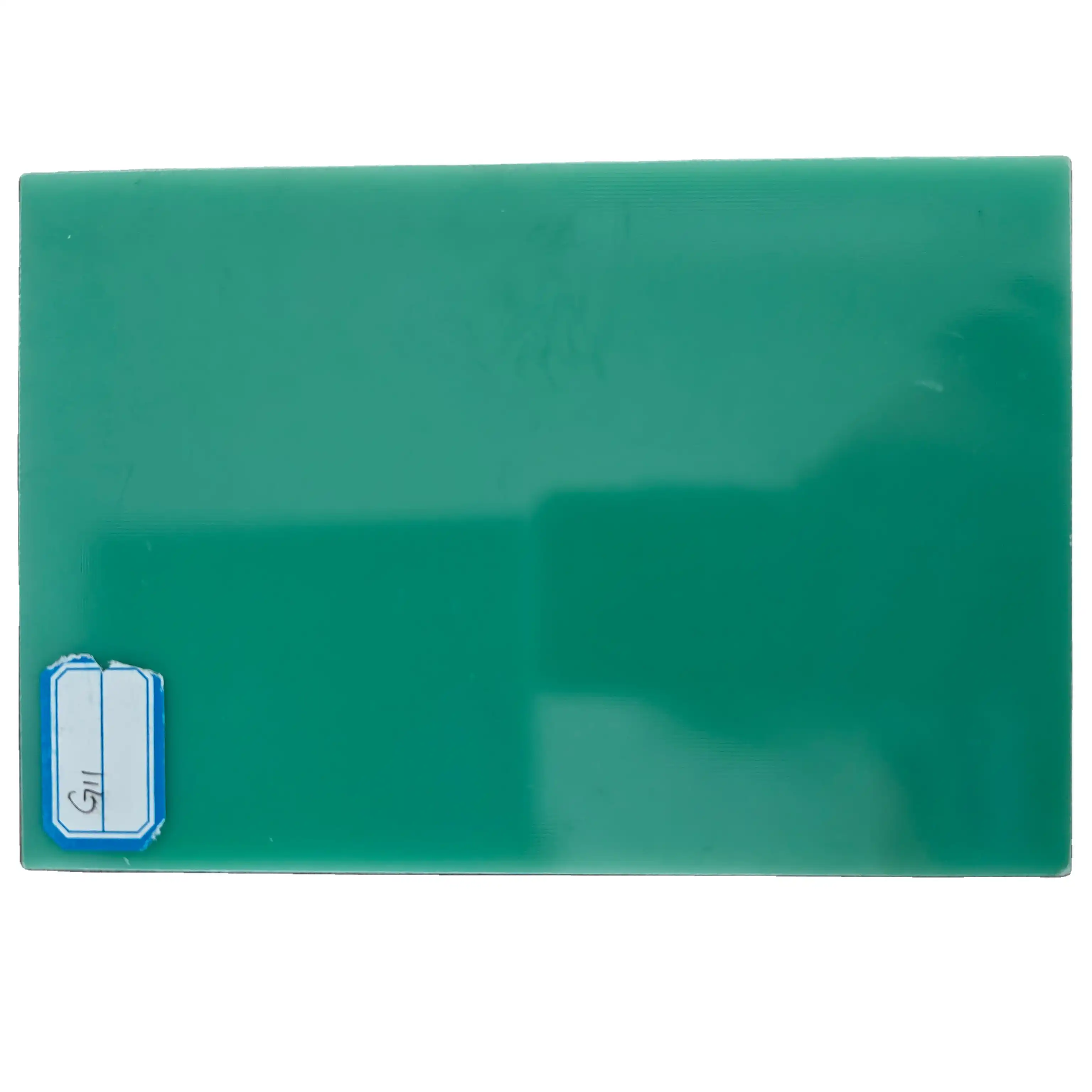
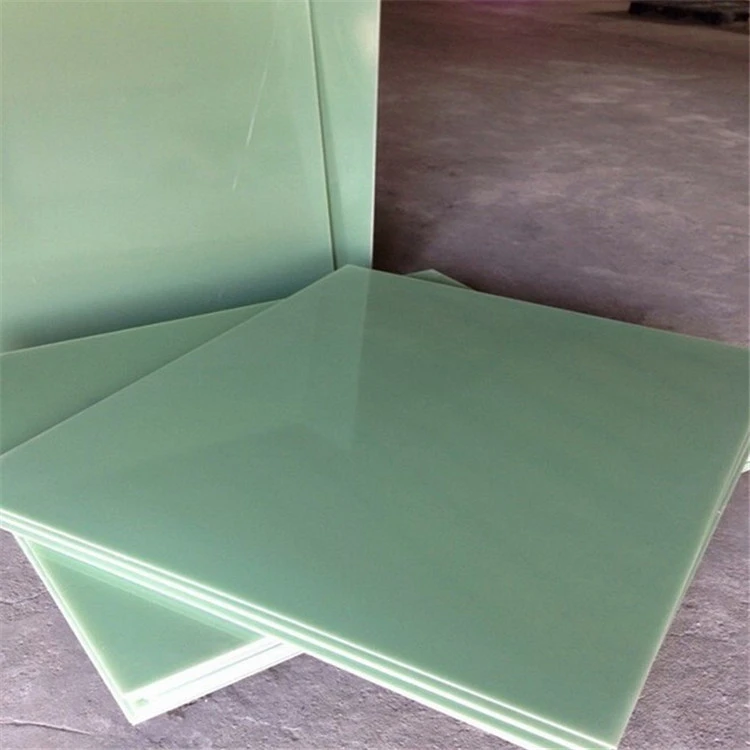
CE phenolic sheet is a high-pressure industrial laminate engineered by impregnating cotton canvas fabric with phenolic resin, then curing it under high heat and pressure. Rated under NEMA Grade CE, this material delivers a proven combination of mechanical toughness, dielectric strength, and thermal stability. For engineering teams sourcing insulation materials for electrical panels, switchgear, and motor components, phenolic canvas laminate offers a dependable, certifiable solution that meets ASTM D709 and UL requirements without compromising on machinability or dimensional consistency.
Understanding CE Phenolic Sheet: Properties and Manufacturing Process
What Is It Made Of?
The medium- to coarse cotton canvas cloth that is soaked with phenolic resin is stacked on top of each other to make CE Phenolic Sheet. At around 150°C and pressures of over 1,000 psi, these layers stick together to make a thick mesh with no holes. This makes something that has a specific gravity of 1.34–1.36 and a Rockwell Hardness (M Scale) of about 105. This is a lot harder than most thermoplastics that are used to make electrical panels.
Key Physical and Electrical Properties
Most CE-grade phenolic laminate can bend more than 15,000 pounds per square inch in the long direction. About 35–40 kV is needed for the dielectric to break (perpendicular, step-by-step method according to ASTM D149). This number makes it good for protecting parts that work in places where power loads change. Alcohol, weak acids, and oils are all common things that can't hurt the phenolic resin structure. Strong acids and bases should stay away from it, though.
Certifications and Standards Compliance
The Hongda-brand CE Phenolic Sheets from J&Q meet all three standards: ISO 9001, UL (Underwriters Laboratories), and ASTM D709 Type II Grade CE. These badges aren't just for show; buying teams at power distribution companies and equipment makers need them to show that the manufacturing process is controlled, that each batch is tested, and that the product is tracked. Items usually come in 1220mm x 2020mm sizes, and their widths range from 0.5mm to 100mm.

Why CE Phenolic Sheets Are Ideal for Electrical Panels and Insulating Components
Flame Resistance and Electrical Safety
Due to the fact that phenolic resin can burn, standard phenolic canvas laminates are naturally resistant to fire. A UL94 V-0 version is also sold by J&Q. It comes in black and brown and is 3mm to 100mm thick. This helps teams that are making sealed electrical panels that need to meet fire safety standards. This meets the requirements set by IEC 60893 for electrical equipment insulation laminates.
Dielectric Strength Under Temperature Stress
It can keep protecting well even when it's very hot, which is one reason why electrical engineers like it. Between 115°C and 125°C is the constant working range. This is the temperature range inside most industrial control panels and transformer housings. When the temperature gets this high, phenolic laminates don't soften or creep as many polymer-based alternatives do. In other words, they can keep their shape when put together in tight panels.
Moisture and Chemical Resistance
It is always a problem to have humidity and condensation in electrical boxes and outdoor distribution lines. Grade X or XX phenolic sheets made of paper are more likely to soak up water than CE Phenolic Sheet. Glass-epoxy laminates like FR-4 are a little more likely to soak up water. For most uses of panel insulation, like arc barriers, busbar supports, and breaker mounting plates, this level of resistance to water is more than enough.
Comparing CE Phenolic Sheet with Alternative Materials for Electrical Applications
CE Phenolic vs. Plywood and MDF
For the backs of some things, plywood and MDF panels are used. These are cheap, don't insulate well, and catch fire quickly. It's harder for CE Phenolic Sheet to catch fire than plywood, and it doesn't grow or split like MDF does when it gets wet, which happens a lot in industrial settings. When the structure needs to be supported and the electricity needs to be protected at the same time, plywood is not a good choice.
CE Phenolic vs. PVC and Other Plastics
PVC walls don't rust, but they don't last long when they get hit or loaded. It can handle the mechanical forces that come from short circuits in switching systems without breaking because its Izod impact strength is about 1.6 ft-lb/in (notch). Also, PVC becomes soft between 60°C and 80°C, so it can't be used in places where heat is likely to build up, like motor control centers.
CE Phenolic vs. Glass-Epoxy (FR-4)
FR-4 epoxy laminate is better at keeping out water and can handle higher temperatures for a longer time. Because of this, it is the best choice for supporting PCBs and building good circuits. But CE phenolic is less expensive and easier to work with when making heavy mechanical parts with large cross-sections, such as gear blanks, bushing bands, and thick safety insulation. When it comes to industrial electricity systems, both materials can be used. Which one is best relies on the job.
Procurement Guide: How to Select and Buy CE Phenolic Sheets for Industrial Use?
You can't just look at price lists to find the right phenolic laminate provider. There are a few things that tech managers and OEM buying teams should think about before they choose a source.
When you buy something, the most important things to look at are:
- Thickness range and tolerance control: J&Q supplies CE phenolic sheets from 0.5mm to 100mm with consistent thickness tolerances, supporting applications from thin insulating gaskets to thick structural spacers.
- MOQ and order flexibility: The minimum order quantity is 500KG, which accommodates both trial orders and full production runs without excessive inventory commitment.
- Certifications on record: Confirm that ISO 9001, UL, and ASTM documentation is current and available for audit — not just listed on a website.
- Production capacity: J&Q operates at 13,000 tons per year, which provides supply continuity for long-term contracts and avoids the lead-time gaps that disrupt production schedules.
- Logistics options: Shipments move via ocean, land, or air freight, with pallet protection packaging. Payment is handled by T/T.
J&Q sells CE Phenolic Sheets in thickness ranges from 0.5mm to 100mm, and these sheets have consistent thickness tolerances. They can be used for a wide range of things, from thin structural spacers to thick insulating covers.
Application Cases and Future Outlook for CE Phenolic Sheets in Electrical Industries
Current Industrial Applications
As well as breaker arms and switching panels, it is used to make busbar insulation blocks, arc shields, and transformer coil dividers. In power distribution systems, these sheets hold up the building and stop the flow of energy at the same time. For the same price, not many other things can do both of these things. Because the sizes have to stay the same even when the temperature changes, Tier-1 auto suppliers also ask for this material to be used for battery pack barriers and heat-resistant fixture plates.
Emerging Trends in Material Performance
More and more is being learned about phenolic resins. Newer formulas have better scores on the temperature index and release fewer volatile organic compounds (VOCs) when they are processed. This is good for both worker safety and protecting the earth. Modernizing the U.S. power grid and the rise of electric vehicles (EVs) will make it more important to insulate batteries with higher densities. This will make it more important to use laminate materials that have been tested and approved.
Why Sourcing Partners Matter
J&Q has been making things for over 20 years and has been dealing with other countries for over 10 years. It has built direct ties with trade firms in both countries and runs its own transportation business. This means that buyers can see the whole process of a shipment from beginning to end and get regular product quality without having to deal with multiple sellers.
Conclusion
One of the best and least expensive ways to insulate things is still to use CE Phenolic Sheet for making industrial parts and electrical panels. It is safe for companies that make power tools, cars, appliances, and dielectrics because it is mechanically strong, doesn't catch fire, and can be made on a CNC machine. J&Q sells Hongda-brand phenolic sheets that are made to meet ISO 9001 and UL standards. They come in thicknesses from 0.5mm to 100mm. Every year, they can make 13 tons of sheets. Buying teams that want to build a reliable supply chain should look for this mix of clear specs and the ability to deliver a lot of stock.
FAQ
What thickness range is available for CE phenolic sheets?
J&Q sells standard sizes of 1220mm x 2020mm CE Phenolic Sheets that range from 0.5mm to 100mm thick.
How does CE grade phenolic compare to FR-4 for electrical insulation?
To fit both accurate insulating seals and thick structural panel parts, sizes and widths can be made to order.
What is the maximum continuous operating temperature?
From 115°C to 125°C, CE Phenolic Sheets can keep working without stopping. The cotton cloth support breaks down outside of this range, which makes the insulation less effective and the structure less strong.
Does the product meet UL flammability standards?
J&Q has a formula with a UL94 V-0 rating that is made for situations where you need to keep a fire under control. This rating is not on the normal NEMA Grade CE, so people who want to use it in an enclosed panel should ask for the flame-retardant grade when they place their order.
What is the minimum order quantity?
You can pay by T/T, and the minimum order size is 500KG. Orders are sent by sea, land, or air freight, and pallets keep them safe while they're being moved.
Get CE Phenolic Sheet Samples and Bulk Quotes from J&Q
Anyone in the United States can buy Certified CE Phenolic Sheet from J&Q New Composite Materials Company. They sell it to electrical manufacturers, OEM machinery builders, and power sector buying teams. We can make and ship 13,000 tons of goods every year, so we can take care of both short-term supply contracts and sample reviews. To get more information, see models, or get a price quote for buying in bulk right now, email our team at info@jhd-material.com or visit jhd-material.com.
References
1. NEMA Standards Publication LI 1 — Industrial Laminated Thermosetting Products, National Electrical Manufacturers Association, 2020.
2. ASTM D709 — Standard Specification for Laminated Thermosetting Materials, ASTM International, 2021.
3. IEC 60893-3 — Specifications for Industrial Rigid Laminated Sheets Based on Thermosetting Resins for Electrical Purposes, International Electrotechnical Commission, 2020.
4. Harper, C.A. — Handbook of Plastics Technologies, McGraw-Hill, 2006.
5. Brydson, J.A. — Plastics Materials, 7th Edition, Butterworth-Heinemann, 1999.
6. UL 94 — Tests for Flammability of Plastic Materials for Parts in Devices and Appliances, Underwriters Laboratories, 2022.