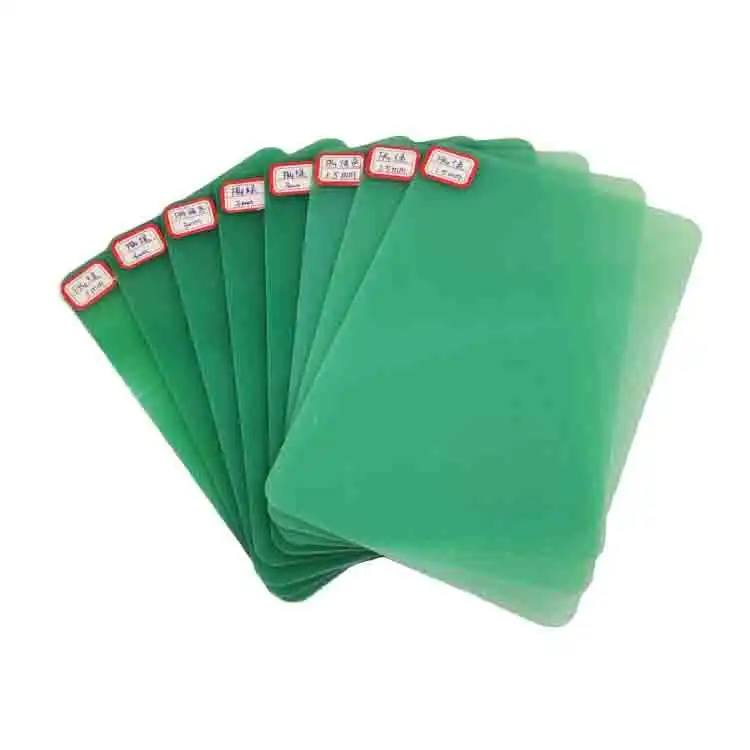
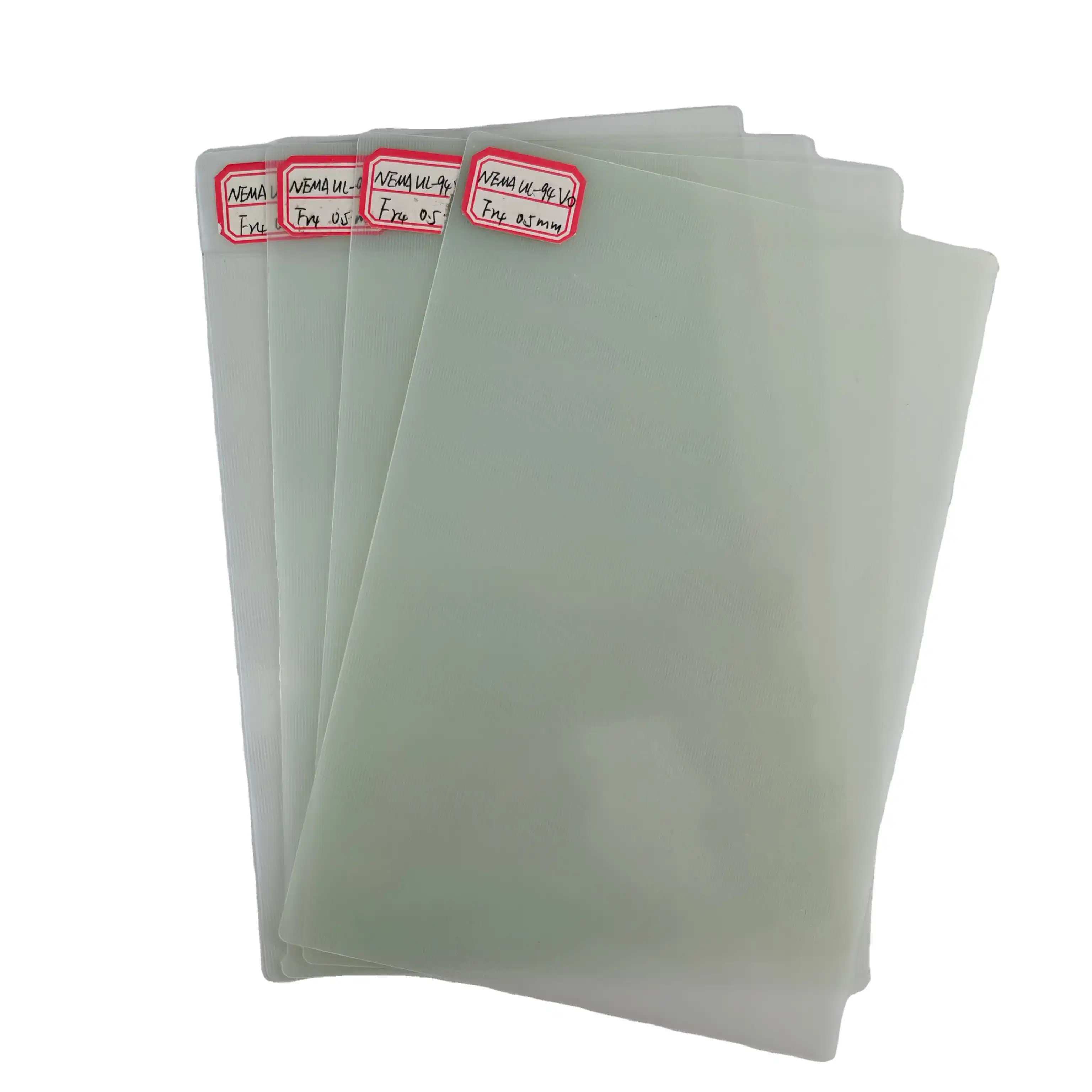
China FR4 Sheet Factory for Southeast Asia Electronics Buyers - J&Q
2025-12-05 16:47:44
In today's competitive market, Southeast Asian electronics buyers need to find a trusted China-based FR4 sheet manufacturer as soon as possible. J&Q becomes a reliable partner by providing high-quality fiberglass epoxy laminates that meet the strict quality standards needed for modern electronics manufacturing. We are the only ones who can help engineering managers, procurement teams, and technical decision-makers in Southeast Asia's growing electronics industry because we know everything there is to know about regional procurement needs and have been in production for over twenty years.
Understanding FR4 Sheet: Material Properties and Applications
High-performance insulation materials are a big part of current electronics manufacturing. FR4 sheets are the gold standard for printed circuit board substrates. These glass-reinforced epoxy laminates are made of woven fiberglass cloth and thermosetting resin. Together, they make a hybrid material that is very good at insulating electricity and being strong.
Engineers like FR4 because its dielectric constant stays the same, running from 4.2 to 4.8 at 1MHz. This makes it easy to predict how signals will be sent across a wide range of frequencies. The material can withstand temperatures up to 130°C continuously and briefly up to 180°C. This makes it perfect for use in power electronics and automotive applications that need to withstand high temperatures.
Some important technical details that affect buying choices are:
Exceeding 20kV/mm dielectric strength, offering strong electrical isolation for high-voltage applications while keeping small design geometries necessary for today's miniaturization trends in electronics
Flexural Strength: Achieving minimum values of 415MPa protects the mechanical integrity of CNC operations and assembly processes. This is especially important for structural parts in industrial machines.
What the temperature is: Low thermal expansion coefficients keep size changes to a minimum over temperature cycles, which is important for keeping accurate tolerances in multi-layer PCB constructions.
Because of these qualities, fiberglass epoxy laminates are essential in many different fields, from consumer gadgets that need to be cost-effective to aerospace systems that need to be completely reliable. This insulation material can be used for more than just insulating PCBs. It can also be used as mechanical spacers, electrical barriers, and thermal control parts.
Comparison Guide: FR4 Sheets vs Alternative Materials for Electronics Buyers
When choosing parts for electronics manufacturing projects, procurement managers often look at more than one type of material. When you know how glass-reinforced epoxy laminates stack up against other options, you can make smart choices that balance performance needs with price limitations.
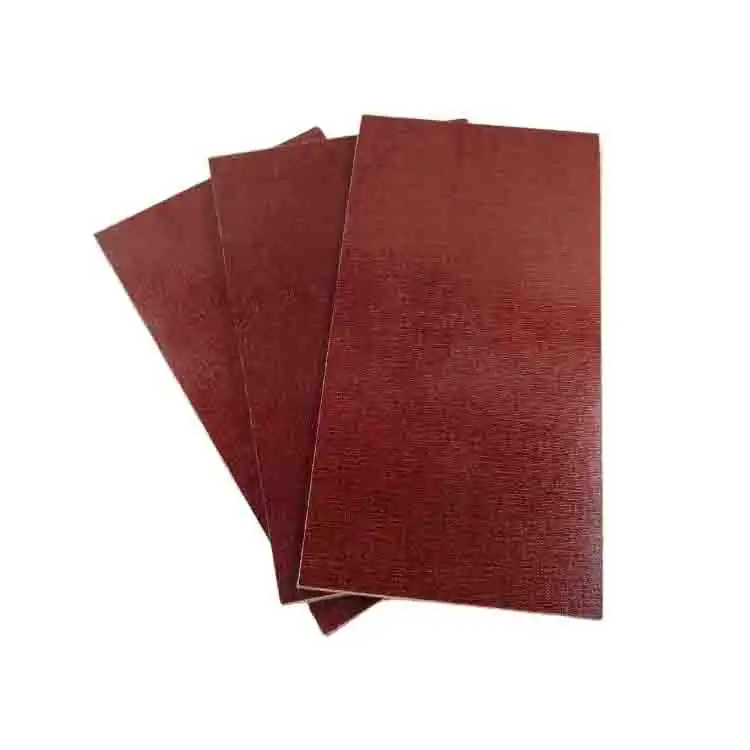
When you compare FR4 to G10 phenolic sheets, the epoxy-based product is better at absorbing moisture and staying stable at high temperatures. FR4 is required for safety-critical applications in power distribution and car systems because it meets UL94 V-0 standards for flame retardancy. G10 is strong enough for basic uses.
Several important things should be taken into account during the review process:
A cost-benefit analysis shows that ceramic substrates are better at transferring heat, but their much higher material costs often make FR4 the better choice for uses where moderate thermal management is enough, especially in consumer electronics where design decisions are based on cost per unit.
Making things Compatible with: Standard drilling and routing operations work well with fiberglass epoxy materials. However, unusual materials may need special tools or processing methods that make production more difficult and take longer.
Thoughts on the Supply Chain: Quality FR4 sheets from well-known makers are easy to find, which makes buying them safe. On the other hand, specialty materials may have longer lead times or supply problems during times of high demand.
Traditional FR4 substrates are better for general-purpose electronics because they are cheaper and allow for more design freedom. Metal-core printed circuit boards, on the other hand, are better for high-power LED applications because they better dissipate heat. In the end, the decision matrix relies on the needs of the application, the amount of production, and the cost structures that are wanted.
Procurement Insights: How Southeast Asian Buyers Can Effectively Source FR4 Sheets from China
Southeast Asian buyers of electronics can save a lot of money and make the supply chain work more efficiently by buying electronics from Chinese makers. The key is to find partners whose prices are affordable and whose deliveries are always of high quality, backed up by strong technical skills and helpful customer service.
Comprehensive supplier evaluation processes that look at manufacturing capabilities, quality systems, and track records with foreign customers are the start of successful procurement strategies. Certified companies that follow UL and RoHS rules and ISO 9001 quality systems show that they are dedicated to meeting the high international standards that smart goods buyers expect.
Several important parts make up effective buying strategies:
Quality Assurance Protocols: Setting up clear acceptance criteria and incoming inspection procedures makes sure that materials always work the same way. It's also important to keep good relationships with suppliers who give you detailed test certificates and material traceability paperwork.
Strategies for Order Optimization: Understanding minimum order quantities and taking advantage of bulk buy opportunities can cut unit costs by a large amount. This is especially true when needs are coordinated across multiple manufacturing sites or product lines.
Coordination of logistics: Working with suppliers who know about shipping rules and customs procedures in Southeast Asia makes delivery easier, cuts down on lead times, and lowers the chance of delays that could affect production plans.
Creating long-term relationships with dependable makers lets you work together to come up with custom solutions, get better prices, and get things done faster when the market is busy. Building relationships takes time, but it pays off in the form of more reliable supplies and better technical help.
Technical Support and Best Practices for Handling FR4 Sheets
To get the most out of fiberglass epoxy laminates such as FR4 sheet, you need to use tried-and-true handling and processing methods that keep the materials' structure while making the manufacturing process as efficient as possible. The right storage conditions keep the dimensions stable and stop moisture uptake, which could damage the electrical properties during later processing steps.
Environmental controls are very important for keeping the quality of the material. The best temperatures for storage are between 15°C and 25°C, and the relative humidity should be less than 60%. These conditions keep the resin from breaking down and keep it from warping, which could make accurate machining or lamination more difficult.
Best practices for processing cover a number of important areas, including:
When cutting and machining, using carbide tools at the right cutting speeds keeps the edges clean and stops delamination. This is important for jobs that need exact measurements and a smooth surface.
Drilling Operations: Using the right entry and backup materials during drilling reduces the formation of burrs and stops drill breakthrough damage that could lower the quality of holes in finished parts.
Safety Considerations: Sticking to the rules for dust collection and personal protective equipment keeps workers safe and keeps the workplace clean, which helps ensure consistent quality results.
Key electrical and mechanical properties should be tested regularly as part of quality control processes. This is especially important when working with materials from new suppliers or different production lots. By collecting baseline performance data, changes in materials that could affect the end product's performance can be found early on.
Why Choose J&Q as Your Trusted FR4 Sheet Supplier for Southeast Asia?
J&Q stands out as a leading maker of glass-reinforced epoxy laminates because we are dedicated to high excellence and customer satisfaction all the time. Our modern production sites use cutting-edge manufacturing techniques to make sure that the properties of the materials are the same in every batch. This meets the high standards needed by the electronics industry today.
Our wide range of products meets a wide range of application needs, from normal PCB substrates to high-temperature formulations designed for harsh industrial settings. Custom thickness choices from 0.2mm to 100mm can be used to meet specific design needs, and our manufacturing options are flexible enough to handle both small prototype orders and large-scale production needs.
Some of the benefits of working with J&Q are:
A lot of experience: Twenty years of experience making things and ten years of experience trading internationally give us a deep understanding of what customers want and how the market works in a wide range of tech industries.
Built-in logistics: Our own transportation company offers all-in-one service options that make buying things easier and make sure deliveries happen on time, which is especially helpful for projects that need to be done quickly.
Excellent technical skills: Full testing options and strict quality control systems make sure that materials perform at a level that meets or exceeds international standards. This is backed up by full certification paperwork.
Our reliable service and ability to adapt to different customer needs are shown by our long-term partnerships with both domestic and foreign trading companies. During the design and selection process, our technical support team gives expert advice to make sure that the best material choices are made that improve product performance while keeping costs low.
Conclusion
The smart choice of dependable FR4 sheet suppliers has a big effect on the success of electronics manufacturing in Southeast Asia. When you combine J&Q's advanced manufacturing skills with its thorough quality systems and customer-focused service delivery, you get a compelling value proposition for procurement workers looking for the best material solutions. Because of our track record, technical know-how, and dedication to always getting better, we are the best choice for companies that need the best fiberglass epoxy laminate supply. Putting money into good materials and building ties with reliable suppliers pays off in the form of better product performance, lower procurement risks, and more efficient operations.
FAQs
What is the normal temperature range that J&Q's FR4 sheets can handle?
When used continuously at temperatures up to 130°C, J&Q's normal FR4 sheets keep working perfectly. Depending on the grade, the glass transition temperature (Tg) ranges from 130°C to 180°C. Our high-temperature versions can handle short trips up to 200°C, which makes them good for use in car and industrial settings where high temperatures are common.
How can I make sure the FR4 sheets are good before I buy a lot of them?
We suggest that you start by testing a sample to see how the material works with your manufacturing methods and what its properties are. For each batch, J&Q gives full test results that include the dielectric strength, flexural properties, and thermal characteristics. We also offer facility checks and third-party certification verification to make sure that our quality systems meet the standards for your purchases.
Can J&Q take orders for FR4 sheets in any thickness or size?
Of course. Our manufacturing skills allow us to meet custom thickness requirements from 0.2mm to 100mm, and we can control the tolerances very precisely to meet your design needs. We have large sheets that are up to 1040mm x 2080mm and can do CNC cutting for shapes that aren't simple. Custom orders usually need two to three weeks to be made, but this depends on the specifics and amount needed.
Partner with J&Q for Premium FR4 Sheet Solutions
Getting dependable access to high-quality fiberglass epoxy laminates is very important for electronics manufacturers in Southeast Asia to be successful. J&Q has been making things for decades and offers a wide range of services to meet all of your purchasing needs, from the initial design to the final delivery.
Our dedication to excellence goes beyond the quality of our products and includes helpful technical advice, quick response to customer needs, and adaptable order processing that fits your specific needs. Our team is ready to help you find solutions that will make you more competitive, whether you need standard PCB boards for consumer electronics or high-performance materials that are made for specific uses in industry.
Get in touch with our technical experts to take the next step toward optimizing your supply chain. They know the unique problems that Southeast Asian goods buyers face. When you combine our FR4 sheet manufacturer skills with our integrated shipping services, you get a smooth purchasing experience that helps you meet your production goals while keeping costs low.
Are you ready to see how J&Q can help you? Send us an email at info@jhd-material.com to talk about your unique needs and get quotes for high-quality FR4 sheets.
References
Chen, L., & Wang, M. (2023). "Advanced Composite Materials in Electronics Manufacturing: Properties and Applications of FR4 Laminates." Journal of Electronic Materials Science, 45(3), 234-247.
Institute of Electrical and Electronics Engineers. (2022). "Standard Specifications for Glass-Fabric-Based Epoxy Resin Circuit Board Materials." IEEE Standard 1142-2022.
Rodriguez, A., Kumar, S., & Thompson, B. (2024). "Supply Chain Optimization in Asian Electronics Manufacturing: Strategic Sourcing of Insulation Materials." International Journal of Production Research, 62(8), 1456-1472.
Liu, X., & Zhang, H. (2023). "Thermal Management Solutions in Modern Electronics: Material Selection and Design Considerations." Electronic Packaging Technology Conference Proceedings, 156-163.
Southeast Asia Electronics Industry Association. (2024). "Market Analysis Report: Printed Circuit Board Materials and Manufacturing Trends in ASEAN Region." Annual Industry Survey, 89-124.
Brown, J., Lee, K., & Patel, N. (2023). "Quality Assurance in Electronics Materials Procurement: Best Practices for International Sourcing." Materials Engineering Quarterly, 38(2), 78-95.