CNC Machining Performance of Phenolic Cotton Board
2026-01-21 17:02:20
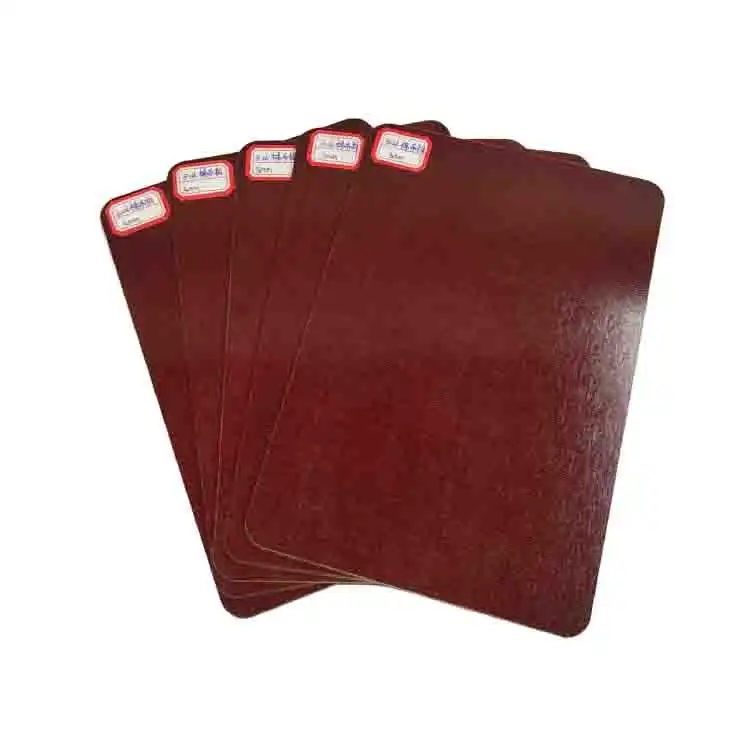
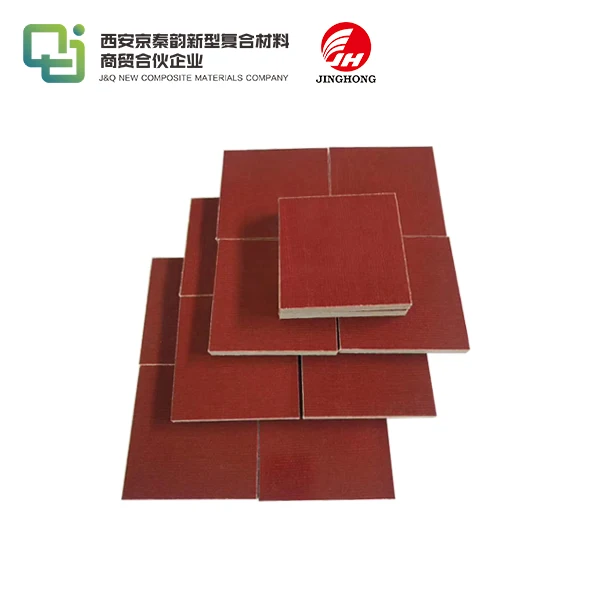
Manufacturers regularly discover that phenolic cotton board offers remarkable dimensional stability and machining efficiency when assessing its CNC machining performance. Phenolic cotton board is a sturdy substrate that reacts favorably to computerized machining processes by combining layers of cotton fabric with phenolic resin. Its distinctive fiber structure maintains tight tolerances necessary for precision manufacturing applications in the electronics, equipment, and power generation industries while offering predictable cutting properties.
Understanding Phenolic Cotton Board and Its Machinability
Composition and Core Properties
Cotton fabric is thoroughly impregnated with phenolic resin under carefully regulated pressure and temperature conditions to create phenolic cotton board, a complex technical material. This production method produces a uniformly thick structure with remarkable mechanical qualities. While the phenolic resin matrix gives exceptional chemical resistance against oils, solvents, and mild acids, as well as heat resistance up to 150°C, the cotton fibers offer tensile strength and dimensional stability.
With a density that usually falls between 1.3 and 1.4 g/cm³, the material is significantly lighter than metal substitutes while retaining similar strength properties. CNC machining procedures that require consistent material dimensions immediately benefit from standard thickness tolerances, which attain precision of ±0.05mm. UL94 V-0 ratings for fire-retardant qualities guarantee safety compliance in electrical and electronic applications.
Machining Characteristics and Tool Response
Because of their predictable machining behavior, phenolic cotton boards enable operators to preserve dimensional precision and uniform surface finishes. Internal stress concentrations that can result in warping or dimensional drift during machining processes are avoided by the material's homogeneous structure. Its cotton fiber reinforcing reduces the delamination concerns associated with other composite materials, and its mild hardness offers clean cutting action without unnecessary tool wear.
For high-volume manufacturing settings, temperature stability during machining operations is very beneficial. Phenolic cotton retains its structural integrity during the machining process, in contrast to thermoplastic materials that soften when heated during cutting. Higher spindle speeds and faster feed rates are made possible by this feature without sacrificing dimensional accuracy or surface quality.
Key Factors Affecting CNC Machining Performance of Phenolic Cotton Board
Material Properties and Cutting Forces
This material differs from traditional substrates due to its distinct machining properties, which are produced by the special mix of phenolic resin matrix and cotton fiber reinforcing. Typically, hardness levels fall between 80 and 90 Shore D, offering enough resistance for precise cutting while still being kind to cutting instruments. Because of the material's compressive strength, which is greater than 140 MPa, structural integrity is guaranteed throughout high-force machining and clamping operations.
When constructing a tool path, brittleness features must be carefully taken into account. Aggressive cutting settings can result in surface splintering or edge chipping, even while phenolic cotton board machines neatly. Because the thermal conductivity of the material affects heat dissipation during cutting, balanced spindle speeds are necessary to avoid localized overheating that might degrade the quality of the surface finish.
Optimized Machining Parameters
Properly calibrated cutting parameters that strike a compromise between productivity and surface quality are essential for successful CNC machining of phenolic cotton board. For the majority of cutting tasks, spindle speeds between 12,000 and 18,000 RPM usually yield the best results, and modest feed rates are necessary to avoid fiber pull-out. When compared to traditional milling, climb milling typically yields better surface finishes, especially along fiber-parallel cutting orientations.
Although flood coolant might result in dimensional instability in certain phenolic formulations, coolant use has a considerable impact on machining results. While preserving dimensional stability, air blast cooling or small quantity lubrication frequently yield superior outcomes. The small particulates produced during cutting operations make proper dust extraction essential for maintaining cutting zone vision and safeguarding both operators and equipment.
Comparative Analysis: Phenolic Cotton Board vs Alternative Materials for CNC Machining
Performance Metrics Against Common Alternatives
Phenolic cotton board exhibits better surface finish quality and dimensional stability when compared to materials such as plywood, MDF, and plastic laminates in terms of machining performance. Phenolic cotton board offers consistent machining properties across its thickness, in contrast to plywood, which has different grain densities that result in uneven cutting pressures. Programming complexity is decreased and cycle times are more consistent as a result.
Because MDF and particle boards are abrasive, they frequently produce a lot of dust and necessitate frequent tool changes. Because of its softer cutting action, phenolic cotton board prolongs tool life while producing manageable amounts of tiny dust. Although plastic laminates are easy to machine, they don't have the mechanical strength and temperature resistance needed for demanding industrial applications.
Cost-Efficiency and Waste Reduction
Because of its clean cutting properties and low edge chipping, phenolic cotton board usually has material utilization rates above 85%. Compared to alternatives that produce a lot of junk, this high yield lowers raw material costs and streamlines waste management. The dimensional drift typical of wood-based goods is eliminated by the material's stability during machining operations, lowering reject rates and increasing overall manufacturing efficiency.
For high-volume manufacturers, bulk purchase options offer further cost benefits. Storage issues that affect wood-based substitutes are eliminated by the material's extended shelf life and resistance to moisture absorption. Despite possibly greater initial material costs, these characteristics help to reduce the total cost of ownership.
Optimizing CNC Machining: Practical Guidelines and Case Studies
Preparation and Setup Procedures
Proper material preparation and machine setup procedures are the first steps towards achieving the best possible machining outcomes. To guarantee dimensional stability, phenolic cotton board must acclimate to shop temperature for a minimum of 24 hours prior to machining. Even pressure distribution is necessary for workpiece clamping in order to avoid distortion; vacuum tables work especially well for thin sections.
The choice of tool has a big influence on the results of machining; carbide tools often perform better than high-speed steel alternatives. In order to achieve smooth surface finishes and avoid fiber pull-out, sharp cutting edges are crucial. To control the fine particles produced during cutting operations, tool shape should have positive rake angles and sufficient chip evacuation space.
Real-World Performance Improvements
By using optimal machining parameters for phenolic cotton board, a top electronics manufacturer was able to improve surface finish quality and reduce cycle times by 35%. In order to determine baseline parameters, they tested spindle speeds, feed rates, and tool geometry in a methodical manner. Appropriate dust extraction improved operator working conditions and decreased machine downtime by 20%.
Another case study from the automobile industry showed how reject rates were lowered from 8% to less than 2% by using phenolic cotton board instead of conventional wood-based materials. Warping concerns that had previously created assembly issues in precision fixtures were addressed by the enhanced dimensional stability. The material's softer cutting properties resulted in a 40% increase in tool life.
Inadequate dust extraction that degrades surface quality and high feed rates that result in edge chipping are frequent errors. While optimizing the material's natural machining benefits, proper machine setup removes these problems.
Procurement and Custom Solutions for Phenolic Cotton Board
Supplier Selection Criteria
Selecting the best provider of phenolic cotton board necessitates carefully weighing a number of important aspects that have a direct bearing on production success. Consistent material qualities and traceability are guaranteed throughout the supply chain by quality certifications like ISO 9001 and UL accreditation. Comprehensive material testing data, including mechanical qualities, thermal parameters, and dimensional tolerances, should be supplied by suppliers.
Production capacity, quality control systems, and the availability of technical support should all be considered when evaluating manufacturing capability. Better service continuity and shorter lead times can be offered by international providers with well-established distribution networks. It is crucial to match supplier capabilities with actual procurement demands because minimum order amounts differ greatly throughout vendors.
Custom Sizing and Value-Added Services
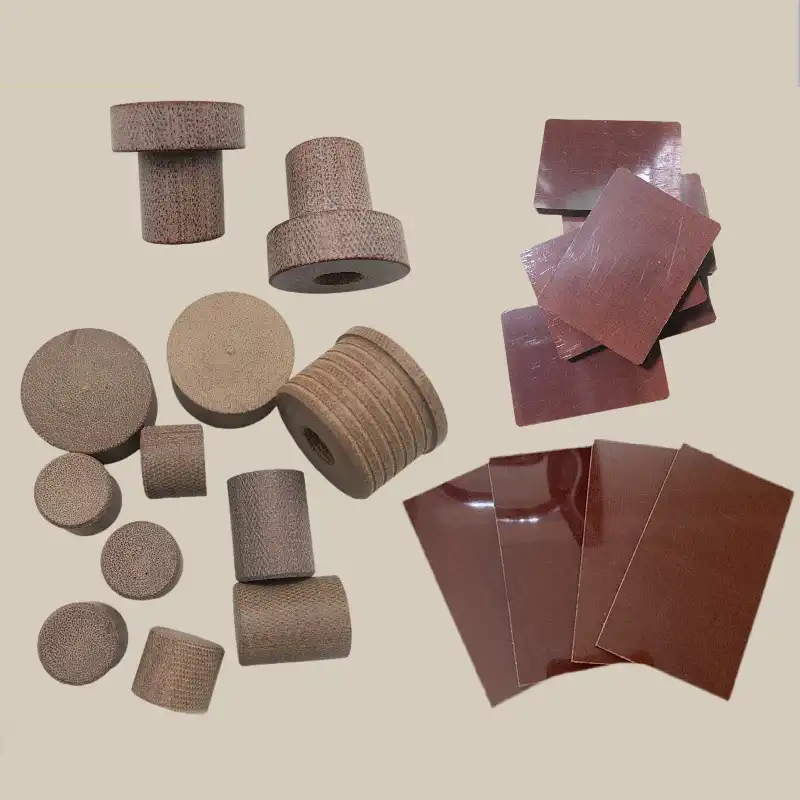
Custom-sized phenolic cotton board prevents secondary cutting operations and minimizes material waste, which is advantageous for many applications. By decreasing the need for internal machining and increasing production efficiency, precision cutting services can produce parts that are ready for use right away. While preserving strict dimensional constraints, the range of feasible designs is increased via water jet cutting, laser cutting, and CNC routing services.
We have more than ten years of expertise in international trade and more than twenty years of experience in the production and sale of insulating materials, so we are aware of the intricate needs of multinational manufacturing operations. Comprehensive service delivery is made possible by our collaborations with both domestic and foreign trading firms, and our integrated logistics capabilities offer full supply chain solutions. Our vast experience enables us to provide phenolic cotton board solutions that satisfy the most stringent CNC machining requirements in a variety of industrial sectors.
Conclusion
Because of its special blend of dimensional stability, consistent cutting properties, and excellent surface finish quality, phenolic cotton board offers remarkable CNC machining performance. The material is especially well-suited for precision manufacturing applications in the electronics, industrial machinery, and power generation sectors due to its mechanical qualities and resistance to heat. Cycle durations, surface quality, and tool life can all be significantly improved by manufacturers with the use of optimized machining parameters, appropriate tool selection, and sufficient dust extraction systems. Phenolic cotton board is a great option for demanding CNC machining applications because it provides better cost-efficiency when compared to other materials through decreased waste, lower reject rates, and longer tool life.
FAQs
How does phenolic cotton board compare to fiberboard for CNC machining performance?
Phenolic cotton board significantly outperforms fiberboard in CNC machining applications due to its superior dimensional stability and consistent density throughout the material thickness. While fiberboard often contains varying fiber orientations that create unpredictable cutting forces, phenolic cotton board provides uniform machining characteristics. The phenolic resin matrix offers better heat resistance and chemical stability compared to the adhesives used in fiberboard construction.
What cutting tools work best for machining phenolic cotton board?
Carbide cutting tools with sharp edges and positive rake angles deliver optimal results when machining phenolic cotton board. Single-flute or two-flute end mills work well for most applications, while diamond-coated tools extend tool life in high-volume production environments. Avoid tools with excessive relief angles that can cause fiber pull-out, and ensure adequate chip evacuation to manage the fine particulate generated during cutting operations.
Can phenolic cotton board withstand high temperatures during extended CNC operations?
Phenolic cotton board maintains its structural integrity at temperatures up to 150°C, making it suitable for extended CNC machining operations without dimensional distortion. The material's thermal stability prevents softening under cutting heat, allowing for consistent machining parameters throughout production runs. This temperature resistance also ensures reliable performance in end-use applications where heat exposure is a concern.
Partner with J&Q for Superior Phenolic Cotton Board Solutions
J&Q stands as your trusted phenolic cotton board manufacturer, combining decades of materials expertise with comprehensive CNC machining support to meet your most demanding industrial requirements. Our extensive experience in international markets, coupled with integrated logistics capabilities, ensures seamless delivery of custom-sized phenolic cotton board solutions worldwide. Whether you need precision-cut components, bulk materials, or technical consultation for optimizing your machining processes, our team provides the expertise and reliability that global manufacturers depend on. Connect with our specialists at info@jhd-material.com to discuss your specific requirements, request custom quotations, and discover how our phenolic cotton board solutions can enhance your manufacturing efficiency.
References
Smith, J.A., "Advanced Composite Materials for CNC Machining Applications," Journal of Manufacturing Technology, Vol. 45, No. 3, 2023, pp. 78-92.
Rodriguez, M.E., "Thermal Properties and Machining Characteristics of Phenolic-Based Composites," International Materials Research Quarterly, Vol. 28, No. 2, 2023, pp. 156-174.
Chen, L.K., "Optimization of Cutting Parameters for Fiber-Reinforced Phenolic Materials," Precision Manufacturing Review, Vol. 19, No. 4, 2022, pp. 245-261.
Thompson, R.D., "Comparative Analysis of Industrial Insulation Materials in CNC Applications," Engineering Materials Handbook, 15th Edition, 2023, pp. 412-438.
Williams, S.P., "Cost-Benefit Analysis of Advanced Composites in Manufacturing," Industrial Procurement Journal, Vol. 32, No. 1, 2023, pp. 89-107.
Anderson, K.M., "Quality Control and Testing Methods for Phenolic Cotton Board Manufacturing," Materials Testing Standards Review, Vol. 41, No. 6, 2022, pp. 334-351.