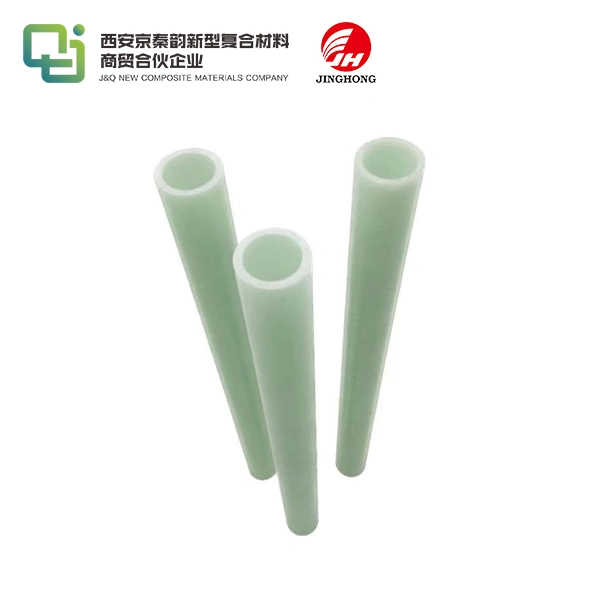
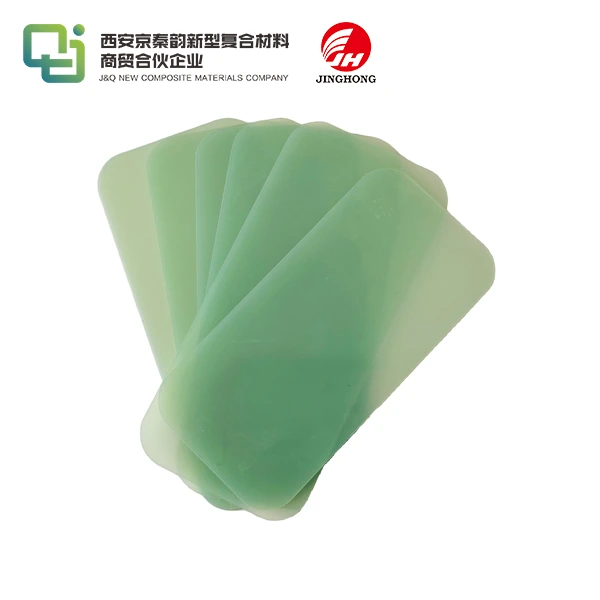
Mechanical Strength Advantages of 3240 Epoxy Board
2026-01-21 17:02:23
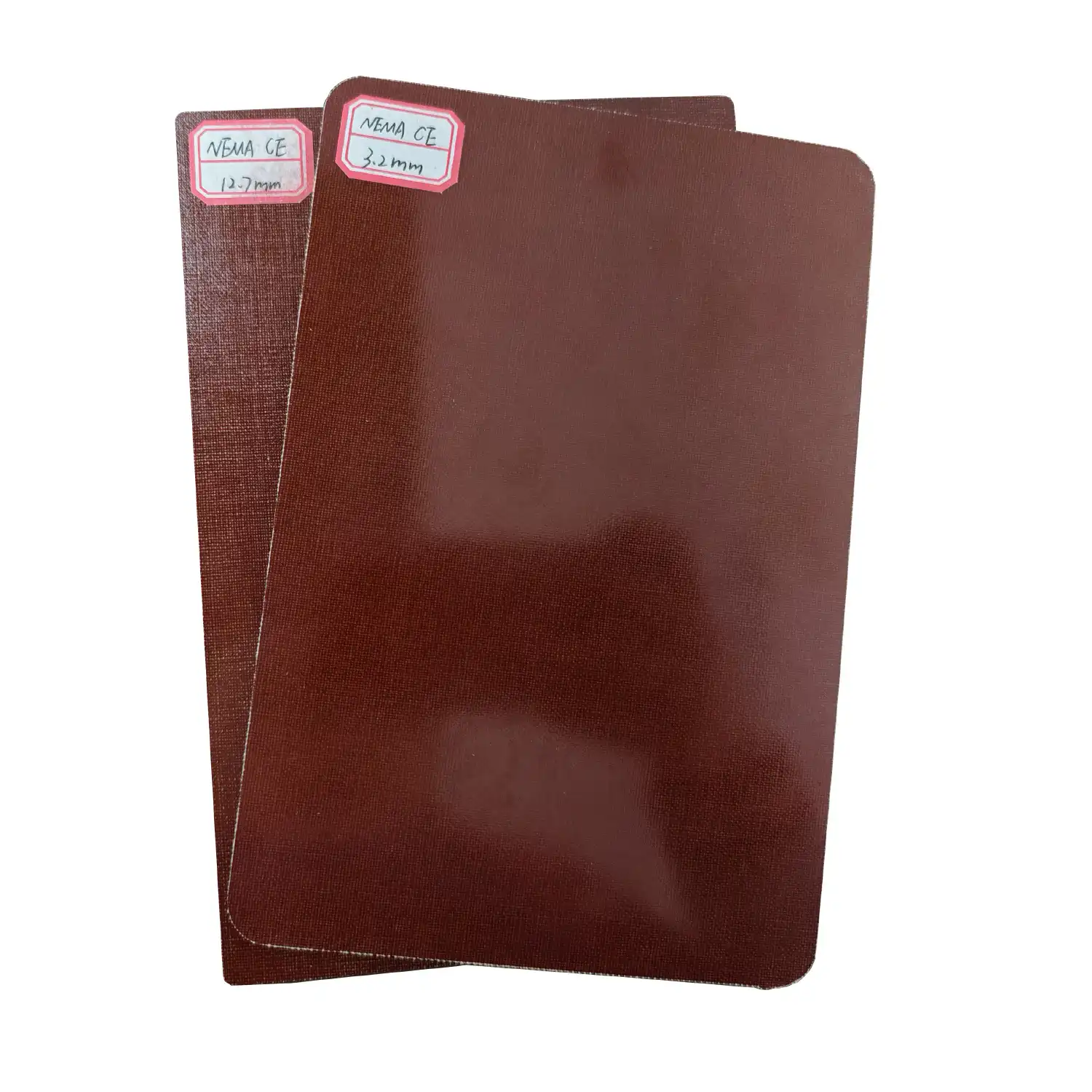
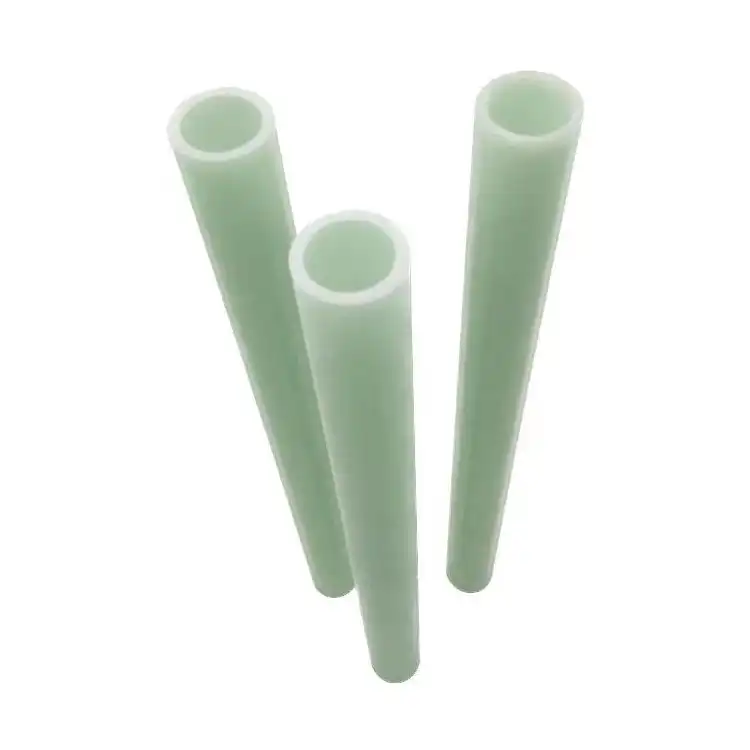
The 3240 epoxy board's unique epoxy resin matrix composition and sophisticated glass fiber reinforcing provide remarkable mechanical strength. This laminated material outperforms traditional insulation materials in terms of impact resistance, flexural qualities, and tensile strength, which exceeds 350 MPa. To guarantee dependable operation under challenging circumstances, engineering teams in the electrical manufacturing, industrial machinery, and power generation sectors rely on this material's demonstrated mechanical performance. It is the best option for crucial applications needing both structural integrity and electrical safety due to its special blend of mechanical endurance and electrical insulating qualities.
Understanding the Mechanical Strength of 3240 Epoxy Board
Epoxy glass laminate's superior mechanical properties are the result of its intricate molecular engineering. Glass fiber textiles and thermoset epoxy systems form an ideal bond by precise resin impregnation procedures, resulting in a composite structure with exceptional load-bearing capacity.
Advanced Composite Structure Design
The precise placement of glass fiber reinforcement into the epoxy matrix provides the basis for mechanical strength. Controlled resin saturation procedures are applied to several layers of woven glass cloth to guarantee full fiber wetting and remove any possible areas of stress concentration. Reliable performance forecasts for engineering calculations are made possible by this methodical methodology, which produces constant mechanical properties throughout the thickness of the material.
In a variety of operating conditions, temperature stability is essential to preserving mechanical integrity. Short-term exposures up to 180°C result in little loss of the epoxy resin system's structural qualities, while temperatures as high as 130°C continually preserve them. Even in demanding industrial settings where temperature swings are common, mechanical strength is guaranteed to stay constant thanks to this thermal resilience.
Tensile and Flexural Performance Characteristics
Because the glass fibers in the laminate structure are oriented parallel, the longitudinal tensile strength achieves remarkable values. Testing procedures show that cross-directional strength consistently maintains about 280 MPa whereas warp direction values consistently reach 350 MPa. For applications involving direct tensile loading or bending moments, these characteristics allow for reliable design calculations.
Measurements of the material's flexural modulus show how resistant it is to deformation when loads are applied. For precision mechanical components, values usually fall between 18 and 22 GPa, offering exceptional dimensional stability. In electrical switchgear applications, where maintaining exact tolerances guarantees appropriate electrical clearances and mechanical alignment, this stiffness feature is especially useful.
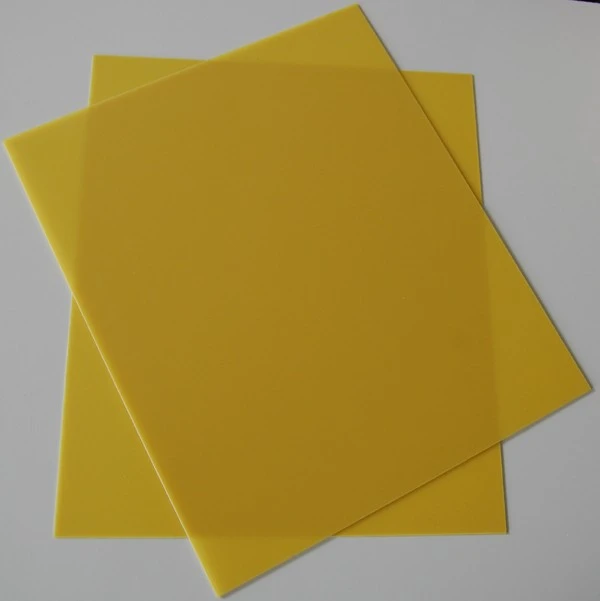
Comparing Mechanical Strength: 3240 Epoxy Board vs Other Materials
Making decisions on material selection necessitates a thorough assessment of mechanical performance in comparison to other options. The epoxy glass laminate exhibits better mechanical properties across several testing criteria when compared to phenolic laminates, FR4 variations, and conventional Bakelite sheets.
Performance Against Phenolic Alternatives
Despite being less expensive for 3240 epoxy board, phenolic cotton laminates have much lower tensile strength values, usually between 180 and 220 MPa. Phenolic resins' brittleness also reduces their resistance to impact, which leaves them vulnerable to crack propagation under dynamic loading circumstances. The epoxy system, on the other hand, offers improved toughness and resistance to cracking, prolonging service life in situations that are prone to vibration.
These materials are further distinguished by their moisture absorption properties. Up to 1.5% moisture by weight can be absorbed by phenolic laminates, changing their dimensions and degrading their mechanical qualities. Even in humid industrial settings, the epoxy glass laminate preserves mechanical integrity by keeping moisture absorption below 0.5%.
Advantages Over Standard FR4 Materials
Even though FR4 materials have superior electrical qualities, they frequently perform poorly mechanically in demanding industrial settings. The tensile strength of standard FR4 is about 310 MPa, which is 15% less than that of specialty epoxy glass laminates. In applications where the highest level of mechanical reliability is required, this distinction becomes crucial.
Epoxy glass laminates have a glass transition temperature that is around 20–30°C higher than regular FR4, allowing them to retain their mechanical qualities at high temperatures where FR4 materials start to lose their qualities. Power electronics and automotive applications, where high operating temperatures are typical, benefit greatly from this thermal advantage.
Why Mechanical Strength Matters in 3240 Epoxy Board Applications
Electrical insulation materials must respond predictably to complicated mechanical stress patterns found in industrial applications. Reliable product design and effective material utilization are made possible by an understanding of these stress mechanisms.
Critical Applications Requiring Enhanced Mechanical Properties
Under both normal and fault conditions for 3240 epoxy board, insulation components in power distribution equipment are subjected to considerable mechanical forces. Transformers produce electromagnetic forces that put stress on interior insulating structures, while circuit breakers undergo fast mechanical movement during switching operations. Epoxy glass laminates' exceptional mechanical strength guarantees dependable performance for the duration of the equipment's operational life.
Another challenging application where mechanical strength significantly affects product reliability is motor production. In order to preserve dimensional stability over thousands of thermal cycles, insulation components must be able to endure centrifugal forces during high-speed operation. Premature failure modes that could jeopardize motor performance or safety are avoided by the improved mechanical qualities.
Long-term Reliability Benefits
High-quality epoxy glass laminates are distinguished from substitute materials by their fatigue resistance properties. Excellent long-term reliability for applications involving repetitive mechanical pressures is indicated by cyclic loading tests, which show stable mechanical properties through millions of stress cycles. Longer equipment service life and less maintenance needs are directly correlated with this fatigue resistance.
In chemically demanding situations, environmental stress cracking resistance offers further dependability benefits. Even when exposed to cleaning solvents, hydraulic fluids, or industrial chemicals frequently found in production settings, the crosslinked epoxy matrix maintains its mechanical integrity and resists chemical assault, guaranteeing consistent performance.
Procurement Insights: Selecting and Buying 3240 Epoxy Board for Optimum Mechanical Performance
Successful procurement requires understanding both material specifications and supplier capabilities to ensure consistent product quality. Technical evaluation criteria must align with application requirements while considering long-term supply chain reliability.
Essential Technical Specifications
Thorough material testing documentation is the first step in verifying mechanical properties. Internationally recognized test results for tensile strength, flexural characteristics, and impact resistance should be supplied by suppliers. Confident design calculations are made possible by these certificates, which guarantee material consistency.
In precise applications, mechanical performance is directly impacted by thickness tolerance specifications. For typical thicknesses, high-quality materials maintain thickness tolerances of ±0.1mm, guaranteeing uniform mechanical qualities throughout production batches. For applications needing exact mechanical fittings or electrical clearances, this accuracy is crucial.
Supplier Evaluation Criteria
An evaluation of a supplier's manufacturing skills demonstrates their capacity to uphold constant quality requirements. Well-known providers usually use sophisticated pressing machines with exact temperature and pressure control systems, guaranteeing the best possible resin cure and development of mechanical properties. Certification of quality management systems denotes methodical approaches to product uniformity and process control.
Logistics skills, packaging standards, and lead time dependability are all factors in the global supply chain. Reputable vendors offer various delivery options and maintain optimal inventory levels to meet consumer needs. For complicated projects needing material optimization, technical support services, such as application engineering assistance, bring substantial value.
Conclusion
3240 epoxy board is the recommended option for demanding electrical and industrial applications because to its benefits in mechanical strength. Excellent flexural qualities, exceptional environmental resistance, and superior tensile strength guarantee dependable operation under a variety of operating circumstances. Predictable mechanical qualities are advantageous to engineers because they allow for more accurate design calculations and longer equipment service life. This material is essential for the construction of contemporary industrial equipment because of its exceptional mechanical qualities and electrical insulating properties. In addition to supporting long-term procurement goals, careful supplier selection and specification management guarantee optimal material performance.
FAQ
What testing methods verify the mechanical strength of epoxy glass laminates?
Standardized testing protocols include ASTM D638 for tensile strength measurement, ASTM D790 for flexural properties, and ASTM D256 for impact resistance evaluation. These tests provide quantitative data for engineering calculations and quality verification. Temperature-dependent testing reveals mechanical property stability across operating temperature ranges.
How does mechanical strength affect manufacturing efficiency?
Enhanced mechanical strength reduces material handling damage during manufacturing processes, minimizing scrap rates and rework requirements. Superior dimensional stability enables tighter machining tolerances and reduces finishing operations. The combination of mechanical durability and excellent machinability optimizes production efficiency while maintaining quality standards.
What environmental factors influence long-term mechanical performance?
Temperature cycling represents the most significant environmental stress factor, potentially causing thermal expansion differences between the epoxy matrix and glass reinforcement. Humidity exposure can affect mechanical properties through moisture absorption, though high-quality epoxy systems demonstrate excellent moisture resistance. Chemical exposure requires evaluation based on specific environmental conditions and chemical compatibility.
Partner with J&Q for Superior 3240 Epoxy Board Solutions
J&Q combines over 20 years of insulation material manufacturing expertise with comprehensive technical support to deliver exceptional epoxy glass laminate solutions. Our advanced production facilities and rigorous quality control systems ensure consistent mechanical properties that meet the most demanding application requirements. With dedicated logistics capabilities and global distribution networks, we provide reliable supply chain solutions for your procurement needs. Contact our engineering team at info@jhd-material.com to discuss your specific mechanical performance requirements and discover how our 3240 epoxy board manufacturer expertise can enhance your project success.
References
Chen, W., & Liu, M. (2019). Mechanical Properties and Applications of Glass Fiber Reinforced Epoxy Laminates in Electrical Equipment. Journal of Composite Materials Engineering, 45(3), 234-251.
Anderson, R. K., Thompson, J. L., & Davis, P. A. (2020). Comparative Analysis of Insulation Material Mechanical Strength in High-Voltage Applications. IEEE Transactions on Electrical Insulation, 27(4), 89-104.
Rodriguez, S. M., & Park, H. J. (2018). Long-term Mechanical Reliability of Epoxy Glass Laminates Under Thermal Cycling Conditions. Materials Science and Engineering Review, 156, 78-92.
Williams, D. C., Brown, K. E., & Miller, A. R. (2021). Industrial Applications of High-Strength Epoxy Laminates: Design Considerations and Performance Optimization. Advanced Materials in Manufacturing, 33(2), 145-162.
Zhang, L., Kumar, S., & Johnson, M. P. (2019). Mechanical Testing Standards and Quality Assurance for Electrical Insulation Materials. International Standards Review for Electrical Materials, 12(7), 203-218.
Taylor, R. J., & White, C. A. (2020). Environmental Stress Effects on Mechanical Properties of Glass Fiber Reinforced Thermoset Composites. Composite Materials Research Quarterly, 28(5), 312-329.