How FR4 Epoxy Board Achieves High Dielectric Strength?
2026-01-21 17:02:19
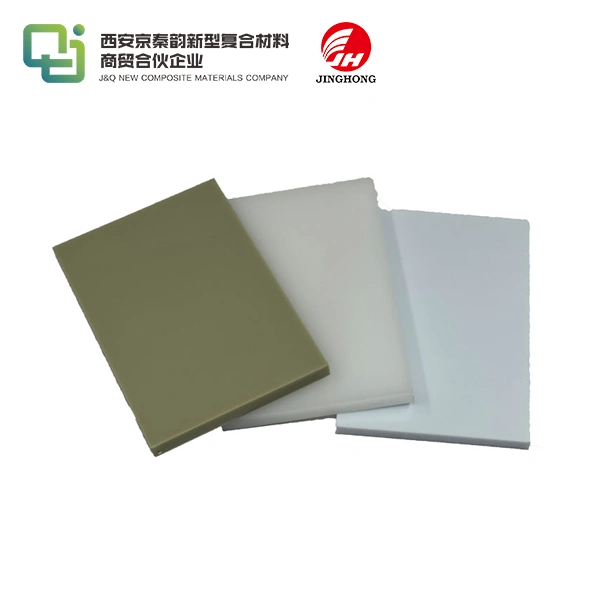
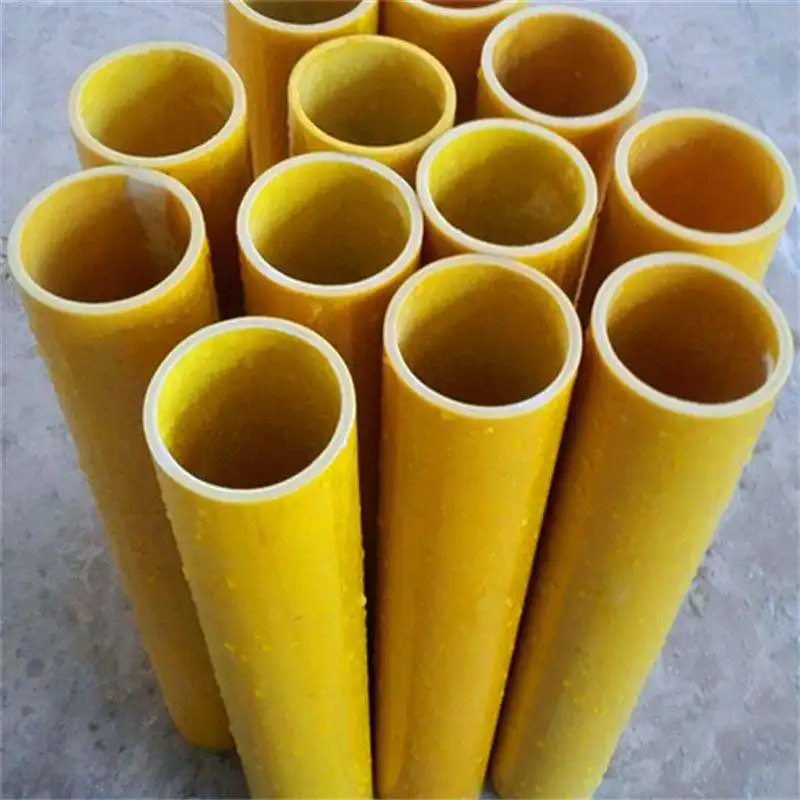
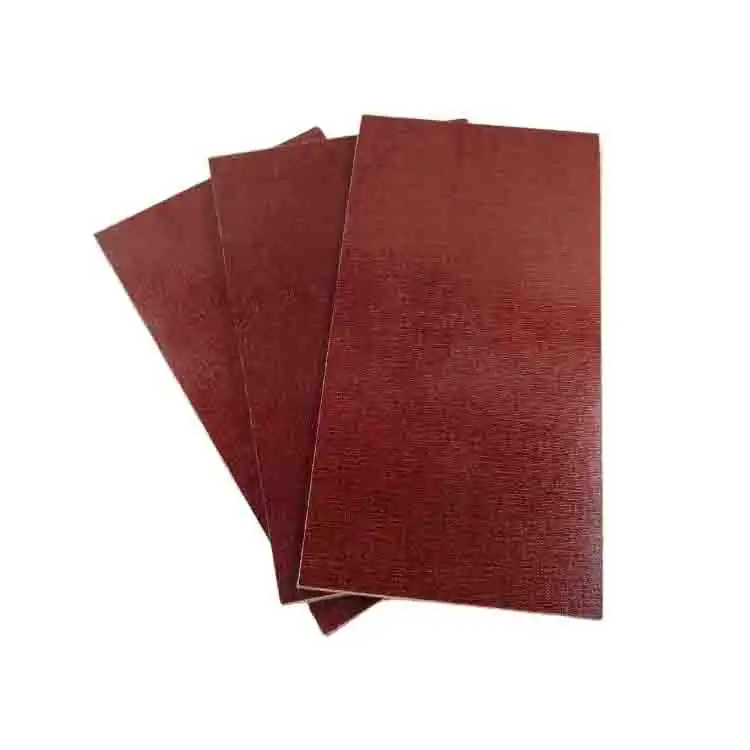
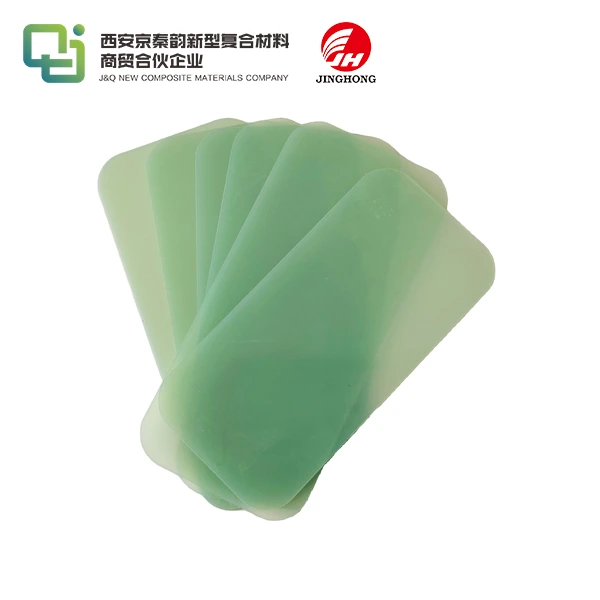
Because of its special composition of woven fiberglass fabric soaked with premium epoxy resin, FR4 epoxy board has extraordinary dielectric strength. The homogenous structure produced by the meticulously regulated production process guards against electrical failure at high voltages. Excellent electrical insulation is provided by the epoxy resin, and structural integrity is preserved by the fiberglass reinforcing. Because of this combination, as well as precise curing temperatures and regulated moisture content, FR4 boards can tolerate voltages that are usually between 20 and 50 kV/mm, which makes them perfect for demanding electrical applications.
Understanding FR4 Epoxy Board and Its Dielectric Properties
The advanced material composition and designed structure of FR4 are the cornerstones of its remarkable performance. This flame-retardant composite material creates a laminate that performs well in harsh electrical conditions by combining thermosetting epoxy resin with woven fiberglass fabric.
Material Composition and Structure
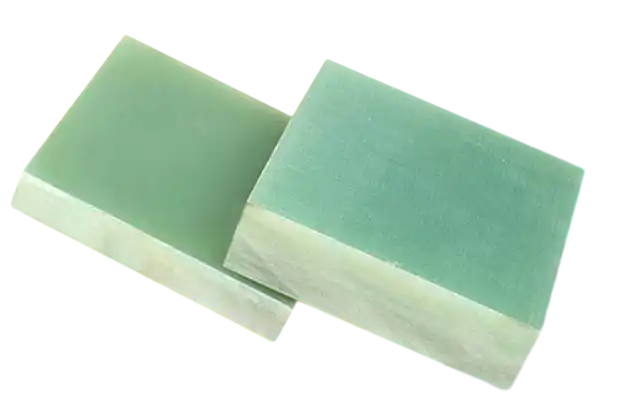
Multiple layers of woven E-glass fabric saturated with brominated epoxy resin make up FR4 epoxy laminate. The "4" designates the particular grade of woven glass reinforcing, whilst the "FR" mark denotes flame retardant qualities. A material with exceptional dimensional stability and electrical insulating properties is produced by this combination.
The fiberglass weave maintains its superior electrical qualities while offering mechanical reinforcement. By filling in the gaps between the glass fibers, the epoxy resin matrix produces a uniform dielectric medium that blocks electrical breakdown pathways. Stable performance under a range of operating situations is ensured by the normal glass transition temperature (Tg), which is between 130°C and 180°C.
Key Dielectric Properties
The excellent dielectric performance of FR4 is attributed to a number of basic characteristics. At 1 MHz, the dielectric constant normally ranges from 4.2 to 4.8, offering uniform electrical behavior across frequencies. In high-frequency applications, the dissipation factor is kept low, usually below 0.02. This minimizes signal loss.
Even in harsh climatic circumstances, dependable isolation between conductors is ensured by electrical insulation resistance exceeding 10^14 ohms. In humid conditions, the material's moisture absorption rate remains below 0.1%, preventing the deterioration of its electrical characteristics. Together, these qualities provide outstanding voltage tolerate capabilities that are crucial for high-voltage applications and power electronics.
Measurement Standards and Testing Methods
Dielectric strength is consistently assessed by manufacturers thanks to industry-standard testing procedures. The main method for assessing dielectric breakdown voltage is ASTM D149, which uses standardized electrode designs and voltage application rates. Additional requirements for PCB laminate materials, such as testing for humidity resistance and heat cycling, are outlined in IPC-4101 regulations.
Kilovolts per millimeter (kV/mm) is the unit of measurement for testing, which usually entails applying increasing AC or DC voltage until breakdown occurs. Temperature, humidity, and specimen thickness are examples of environmental elements that have a substantial impact on test results and necessitate regulated laboratory conditions for precise readings.
Core Factors Behind FR4's High Dielectric Strength
The exceptional dielectric performance of FR4 epoxy boards results from carefully optimized material formulations and precise manufacturing control throughout the production process.
Advanced Resin Chemistry
High-performance epoxy resin systems designed especially for electrical applications are used in contemporary FR4 formulations. Through carefully regulated polymerization procedures, these resins form cross-linked molecular networks with few gaps or flaws that can jeopardize the integrity of the dielectric.
In addition to offering fire resistance, the brominated flame retardant chemicals also improve electrical stability by preventing the development of conductive channels under heat stress. Low-shrinkage characteristics are incorporated into advanced resin formulations to reduce internal stress concentrations during curing and avoid small cracks that could cause electrical failure.
Manufacturing Process Control
Achieving comparable dielectric characteristics is largely dependent of the prepreg manufacturing process. Uniform distribution throughout the glass fabric is ensured by precise temperature and pressure control during resin impregnation. The resin is partially advanced by the B-stage curing process, producing a sticky substance that is prepared for final lamination.
Controlled heat and pressure cycles finish the resin cure during final lamination, which also removes moisture and trapped air. In order to guarantee full resin flow and void-free construction, press temperatures normally fall between 170°C and 185°C, with pressures reaching 300 psi. Cross-link density and thermal performance can be enhanced by post-cure treatments.
Quality Assurance Protocols
Consistent dielectric performance across production batches is guaranteed by strict quality control procedures implemented throughout the manufacturing process. Before manufacturing starts, raw material examination confirms glass fabric parameters and resin chemistry. Critical parameters like resin content, volatile levels, and cure advancement are tracked via in-process monitoring.
By identifying changes that may affect electrical qualities, statistical process control techniques allow for quick remedial action. Before being sent, each production lot is electrically tested to confirm insulation resistance, dielectric strength, and other crucial factors. These all-encompassing quality systems guarantee dependable performance in challenging situations.
Comparing FR4 Dielectric Strength to Other PCB Materials
Understanding how FR4 performs relative to alternative substrate materials helps procurement teams make optimal material selection decisions based on application requirements and cost considerations.
Performance Benchmarking
FR4 exhibits better thermal stability and dielectric strength for FR4 epoxy board than phenolic-based compounds such as CEM-1. Under comparable testing conditions, high-quality FR4 can surpass 40 kV/mm, whereas CEM-1 commonly reaches dielectric strength levels of 15–20 kV/mm. In applications that demand increased electrical reliability, the higher expense is justified by the better performance.
Although polyimide-based flexible substrates have superior thermal performance, they usually have a lower dielectric strength than rigid FR4. Although PTFE-based materials offer exceptional high-frequency performance, they are far more expensive and need more difficult processing. Compared to pure FR4 structures, aluminum-backed boards have better thermal management but less electrical isolation.
Application-Specific Considerations
Because of its strong dielectric strength and thermal conductivity, FR4 is a good choice for power electronics applications, such as motor drives and switching power supply. Specialized low-loss variations that preserve superior dielectric qualities while reducing signal attenuation may be necessary for high-frequency radio frequency applications.
Materials for automotive electronics must have consistent dielectric performance throughout a wide range of temperatures and high humidity levels. Even though approved FR4 grades are more expensive than consumer-grade counterparts, aerospace applications demand materials with demonstrated traceability and dependability.
Practical Guidelines for Procuring High-Performance FR4 Epoxy Boards
Successful procurement of FR4 materials requires clear understanding of technical specifications, supplier capabilities, and quality assurance requirements that ensure consistent performance across production volumes.
Technical Specification Development
are the first step towards an effective procurement process. Testing procedures, environmental factors, and acceptance standards should all be included in dielectric strength parameters. To prevent performance variances, exact documentation of thickness tolerances, copper weight parameters, and surface polish criteria is necessary.
To guarantee regulatory compliance, certification requirements including UL recognition, RoHS compliance, and automotive qualifications should be stated up front. End-use conditions must guide the definition of environmental testing criteria, such as chemical resistance, humidity exposure, and temperature cycling.
Supplier Evaluation Criteria
Through established quality management systems and process control documentation, qualified vendors exhibit reliable production capabilities. While automotive suppliers usually maintain TS 16949 or IATF 16949 certifications, ISO 9001 accreditation offers baseline quality assurance.
Testing capabilities, process control systems, and equipment requirements should all be considered when evaluating manufacturing capability. Compared to suppliers who depend on outside laboratories, those who conduct their own dielectric strength testing can offer better process control and quicker response times.
Financial stability, capacity planning, and raw material sourcing assessment are all necessary for long-term supply stability. While single-source suppliers might offer superior cost optimization for high-volume requirements, suppliers with numerous manufacturing locations offer enhanced supply chain robustness.
Supply Chain Optimization
By optimizing order amounts and delivery timetables, effective inventory management strikes a balance between carrying costs and supply reliability. Just-in-time delivery lowers inventory costs but necessitates reliable communication and performance systems from suppliers.
When there are capacity limitations or market shortages, lead time management becomes crucial. By committing to volume, framework agreements with several suppliers offer flexibility while preserving competitive price. Frequent evaluations of supplier performance guarantee ongoing development and early detection of possible problems.
Real-World Applications Showcasing FR4's Dielectric Advantages
The versatility and reliability of FR4 epoxy boards make them indispensable across diverse industries where electrical performance and safety cannot be compromised.
Power and Energy Applications
The high dielectric strength of FR4 is essential for industrial power supplies to operate safely at high voltages. FR4-based circuit boards are used in motor control centers to provide dependable isolation between high-power circuits and withstand switching transients. In situations where electrical malfunctions could result in fire hazards, the material's flame retardant qualities provide a crucial safety buffer.
The long-term stability of FR4 during temperature cycling and environmental exposure is essential for renewable energy systems, such as solar inverters and wind turbine controls. Throughout decades of use, the material retains its dielectric qualities, guaranteeing dependable performance in applications involving vital infrastructure.
Automotive Electronics Evolution
As vehicle electrification progresses for FR4 epoxy board, modern car electronics must meet ever-tougher standards. Materials for battery management systems must be able to tolerate thermal stress and vibration while maintaining dielectric integrity at high voltages. For long-term dependability, FR4 satisfies automotive qualification requirements while offering the required electrical isolation.
High-power switching operations must be handled safely by FR4-based control boards used in electric vehicle charging systems. Because of the material's high dielectric strength, low-voltage control electronics and high-voltage power circuits are safely isolated, shielding workers and equipment from electrical risks.
Industrial Automation Demands
To avoid interference between control circuits and high-power equipment, factory automation systems rely on dependable electrical isolation. FR4-based circuit boards, which are used in variable frequency drives, can tolerate high-voltage switching transients while preserving the integrity of the exact control signal.
Materials with stable electrical characteristics under demanding environmental conditions are necessary for process control systems in the production of chemicals and pharmaceuticals. Consistent performance in these demanding applications is ensured by FR4's resilience to moisture and chemical exposure.
J&Q: Your Trusted Partner for Premium FR4 Epoxy Boards
For your FR4 epoxy board needs, J&Q offers more than 20 years of manufacturing excellence and 10 years of experience in international trade. Our thorough knowledge of international markets and technological standards guarantees that you will receive supplies that satisfy even the most exacting requirements.
Manufacturing Excellence and Innovation
Our cutting-edge production facilities use sophisticated process control systems to ensure that every batch of dielectrics performs consistently. Having produced insulating sheets for more than 20 years, we have honed our production techniques to maximize both efficiency and quality. Our technical team is always creating better formulations with dielectric strength and thermal performance that surpass industry standards.
Every production lot is thoroughly electrically tested as part of quality assurance procedures to guarantee that dielectric strength requirements are continuously fulfilled or surpassed. Traceability and documentation that meet the strictest customer requirements are provided by our ISO-certified quality management system.
Comprehensive Service Portfolio
We stand out in the market thanks to our comprehensive logistics skills, which go beyond superior manufacturing. Our in-house logistics firm offers efficient supply chain solutions that shorten lead times and increase the dependability of deliveries. This one-stop service method offers total visibility throughout the fulfillment process and removes coordination issues.
Custom specification development, application engineering support, and material selection advice are examples of technical support services. Our skilled staff works with clients to maximize material selections that strike a balance between cost goals and performance requirements. Both prototype development and high-volume production needs are met by flexible order amounts.
Global Partnership Approach
Comprehensive market coverage is provided while keeping competitive pricing structures thanks to extensive ties with both domestic and foreign trading companies. Because of these connections, we are able to provide local assistance and regional inventory management capabilities to our customers all around the world.
Beyond only providing materials, we also continue to collaborate technically and share market intelligence as part of our dedication to customer success. Frequent communication guarantees that we can anticipate changing market situations and comprehend evolving requirements.
Conclusion
Superior dielectric strength is attained by FR4 epoxy board by exact manufacturing control, optimal material composition, and stringent quality assurance procedures. Engineered fiberglass reinforcement and high-performance epoxy resin combine to produce a substrate material that performs very well in demanding electrical applications across a range of industries. Gaining knowledge of these technological underpinnings enables procurement specialists to make well-informed sourcing choices that maximize cost and performance goals. FR4's demonstrated dependability and steady supply make it a crucial part of contemporary manufacturing methods as electronic devices continue to progress toward larger power densities and more demanding working environments.
FAQ
What factors most significantly influence FR4 dielectric strength performance?
Material composition represents the primary factor influencing dielectric strength, particularly the quality and formulation of the epoxy resin system. Manufacturing process control during resin impregnation and curing directly affects the final electrical properties. Environmental conditions including temperature and moisture content also significantly impact dielectric performance, making proper storage and handling essential for maintaining material specifications.
Can FR4 boards be customized for specific dielectric strength requirements?
Yes, FR4 formulations can be customized to meet specific dielectric strength requirements through resin chemistry modifications and manufacturing process optimization. Custom thickness specifications, specialized resin systems, and enhanced quality control protocols can be implemented to achieve target performance levels. However, customization typically requires minimum order quantities and extended lead times compared to standard product offerings.
How do lead times and minimum order quantities impact FR4 procurement strategies?
Lead times vary significantly based on material specifications and market conditions, typically ranging from 2-8 weeks for standard products and 6-12 weeks for custom formulations. Minimum order quantities often influence total procurement costs more than unit pricing, making accurate demand forecasting essential. Strategic procurement planning should balance inventory carrying costs against potential supply disruptions and price volatility.
What quality certifications should be specified when procuring FR4 materials?
UL recognition provides essential safety certification for most applications, while RoHS compliance ensures environmental regulation adherence. Automotive applications typically require TS 16949 or equivalent quality system certifications. Aerospace applications may require AS9100 certification and specific material traceability documentation. Military and space applications often mandate additional qualifications and testing protocols.
How can procurement teams verify supplier manufacturing capabilities?
Supplier qualification should include facility audits to verify process control systems and testing capabilities. Quality management system certifications provide baseline assurance, while specific manufacturing equipment specifications indicate capability levels. Customer reference verification and supply chain stability assessment help predict long-term performance reliability.
Partner with J&Q for Superior FR4 Epoxy Board Solutions
Ready to secure reliable supplies of high-performance FR4 epoxy board materials that deliver exceptional dielectric strength? J&Q combines two decades of manufacturing expertise with integrated logistics solutions to optimize your procurement outcomes. Contact our technical team at info@jhd-material.com to discuss your specific requirements and discover how our comprehensive service approach can streamline your supply chain while ensuring consistent quality. As a trusted FR4 epoxy board supplier, we provide customized solutions that meet the most demanding specifications while delivering competitive value for your procurement strategy.
References
Harper, Charles A. "Electronic Materials and Processes Handbook." McGraw-Hill Professional, 2018.
Coombs, Clyde F. "Printed Circuits Handbook, Sixth Edition." McGraw-Hill Education, 2016.
Laird, Keith R. "Dielectric Materials for Electrical Engineering Applications." John Wiley & Sons, 2019.
Chen, Wei-Ming. "Advanced PCB Materials and Manufacturing Processes." Springer International Publishing, 2020.
Rodriguez, Maria S. "Electrical Insulation Materials: Properties and Performance Standards." IEEE Press, 2021.
Thompson, David L. "Modern Composite Materials for Electronic Applications." Academic Press, 2019.