Common Failure Causes of Phenolic Paper Board
2026-02-12 16:47:04
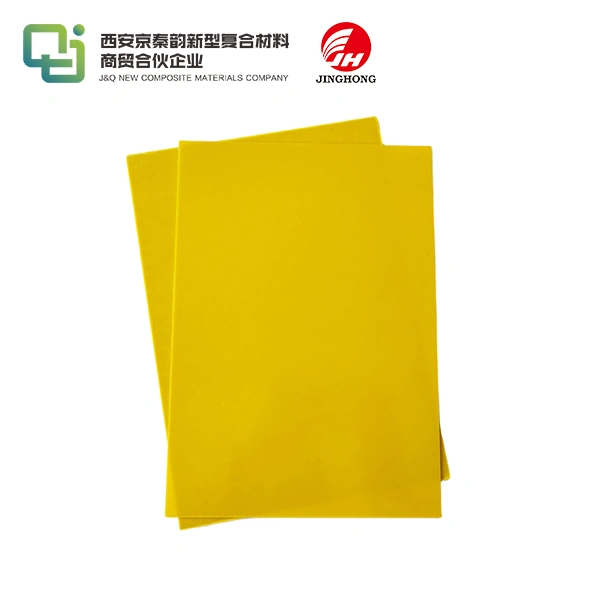
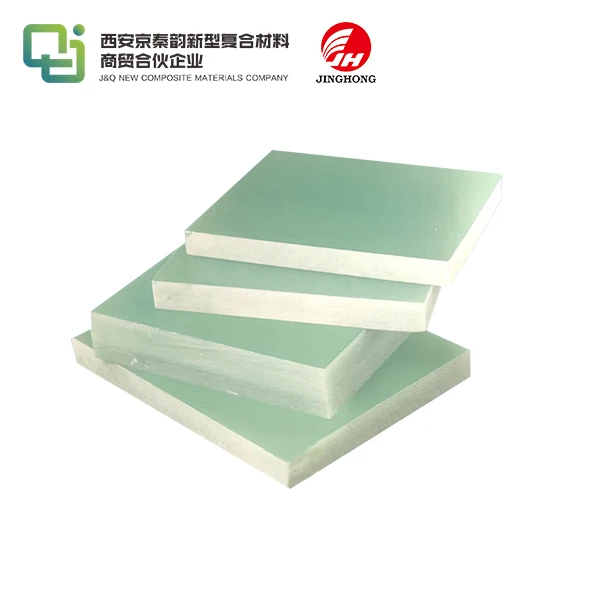
Even though phenolic paper board is an important part of many industries, it is still important to understand how it fails in order to make good purchases. This flexible laminated material is made of phenolic resin and paper supports. It has great protection to heat, electricity, and mechanical stress. Delamination from being exposed to moisture, thermal degradation from too much heat, and mechanical cracking from bad handling or fitting are all common fails.
Understanding Phenolic Paper Board and Its Typical Failure Modes
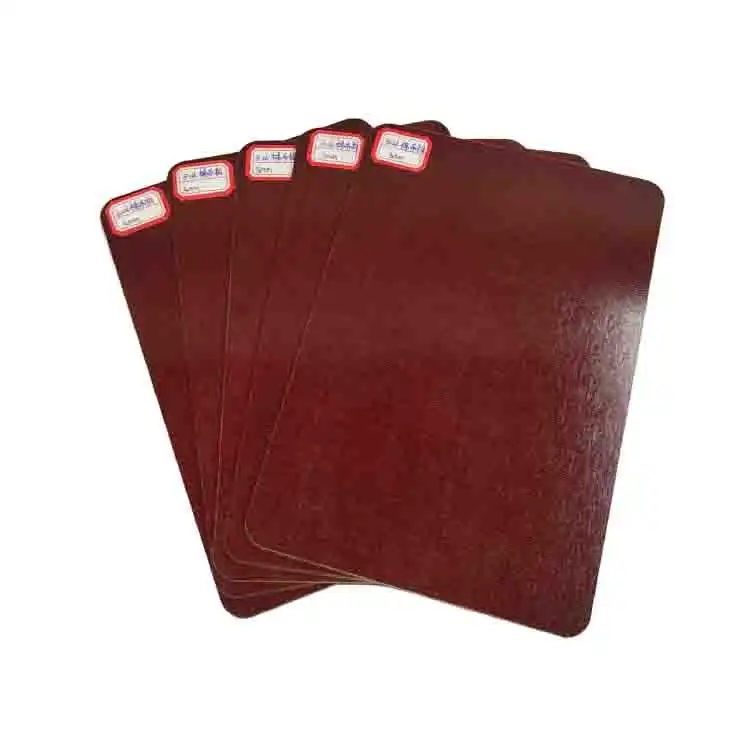
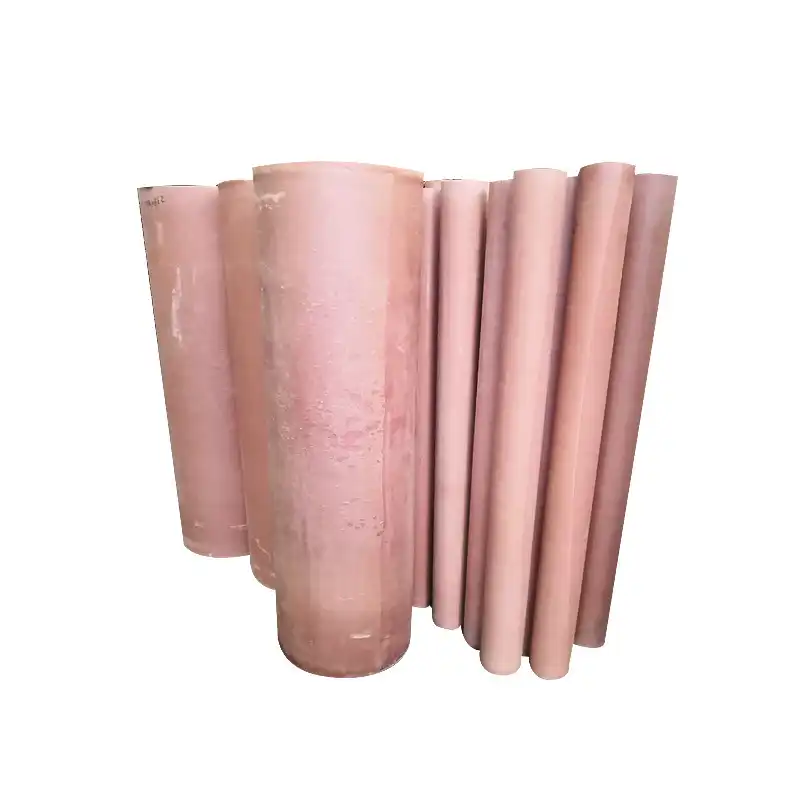
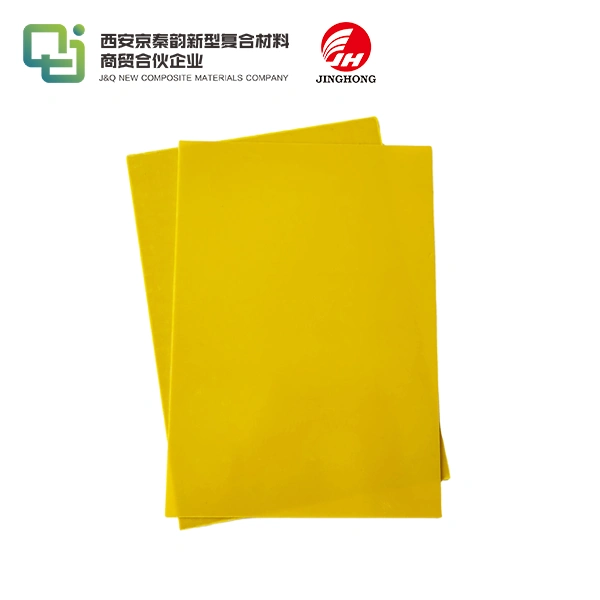
Phenolic paper board is a high-performance hybrid material that is known throughout the industry for being very resistant to heat, chemicals, and wear and tear. This laminated material is made of phenolic resin and paper support. It has a structure that works great for electrical protection and stays the same size even when it's under stress. It is often used in electrical panels, switchgear parts, motor housings, and industrial machines where solid insulation performance is still important.
Mechanical Failure Patterns
The most obvious type of phenolic laminate deterioration is mechanical breakdowns. Cracking usually happens when materials are under too much stress and their elastic limits are crossed. It usually shows up as tiny cracks that spread when they are loaded over and over again. When wetness gets into the resin matrix or when temperature cycling causes different parts to expand at different rates, delamination between layers becomes clear.
Another worry is damage from impacts, especially during the moving and fitting stages. When the material is cold, it becomes flimsy and can break or chip when it is hit with a quick mechanical shock. These risks can be greatly reduced by following the right handling procedures and keeping temperature in mind during installation.
Chemical and Environmental Degradation
When the phenolic resin binder is introduced to strong solvents, acids, or alkaline solutions, it breaks down chemically. Over time, surface erosion lowers the protective qualities of the material, letting deeper entry that weakens the structure. Exposure to UV rays can change the color and chalkiness of the surface, but this usually doesn't affect how well the core works in most situations.
Water entry can weaken both electrical qualities and mechanical strength, so moisture absorption is always a problem. Because the paper support is hygroscopic, it is very important to keep the wetness under control during storage and installation. Switching between temperatures speeds up damage caused by water by making expansion forces that let more water in.
Root Causes of Phenolic Paper Board Failures: A Systematic Analysis
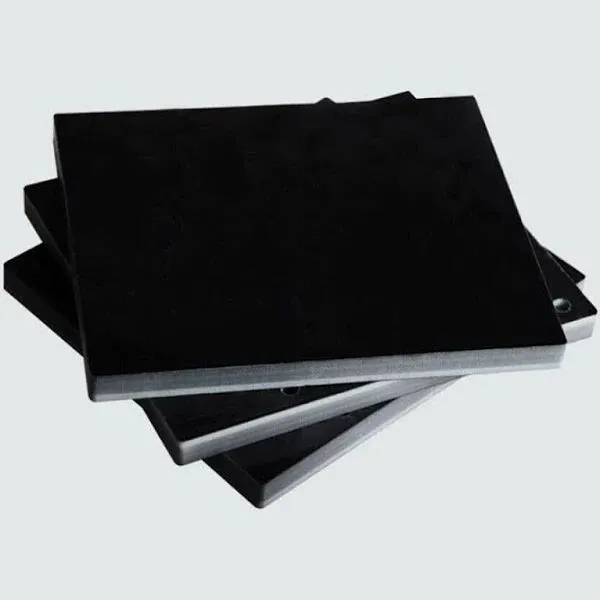
Failures of materials are usually caused by a number of linked factors, not just one. Variations in manufacturing have a big effect on the end performance. The service life is largely determined by the resin quality, the consistency of the impregnation, and the curing parameters. By figuring out these underlying issues, buying teams can create useful quality standards and factors for judging suppliers.
Manufacturing-Related Factors
Changes in resin quality for phenolic paper board have an effect on both the short-term and long-term performance. When catalyst systems aren't uniform, they can leave some areas uncured, which lowers the material's chemical resistance and dynamic strength. Impregnation consistency makes sure that the properties of the material are the same all the way through its thickness. On the other hand, weak spots that are easy for water and mechanical failure to enter are created when the resin doesn't penetrate deeply enough.
To get the best bonding without damaging the material, the curing temperature and time must be carefully managed. The conditions of the press during lamination change the density and void content, which in turn change the electrical and mechanical performance. Manufacturers of good products use strict process controls to make sure that all of their production runs have the same results.
Environmental and Operational Stressors
When phenolic laminates are used, they are put under a lot of stress that can speed up their degradation. When the temperature changes, different materials expand at different rates, which can cause thermal forces that can lead to problems at the interfaces between parts. If the temperature stays high for a long time, it can break down the plastic core, making it less strong and flexible.
Exposure to moisture is still one of the most important external factors that affects how well phenolic paper board works. Conditions with a lot of humidity, condensation, or direct touch with water can make things swell, lose their electrical qualities, and eventually separate. When cleaning agents, hydraulic fluids, or process chemicals come in contact with a material, they can break down its surface, which can then spread to the structure of the material over time.
Design and Application Considerations
Many early mistakes are caused by choosing the wrong material, especially when grade specs don't match application needs. When standard types are used in high-temperature situations or the wrong thickness is chosen for mechanical loading conditions, the performance is often not what was expected. When putting together materials that are next to each other, you need to think carefully about the temperature expansion factors and chemical compatibility.
Even in high-quality materials, breakdown places can be made by mechanical design elements like sharp edges, not enough support, or too much stress concentration. Using the right methods for binding, leaving enough space for temperature expansion, and distributing stress can help extend the life of something in a tough situation.
How to Prevent and Mitigate Failures in Phenolic Paper Board?
To effectively avoid failure, you need to take a complete approach that includes choosing the right materials, making sure the suppliers are qualified, and using the right handling techniques. Effective prevention plans balance the need for success with the need to save money, while also setting quality control standards that guarantee uniform results. These practices give global B2B clients the tools they need to run their businesses as efficiently as possible while reducing the number of unexpected fails.
Strategic Material Selection
Finding the right phenolic paper board grade alignment for the job is the first step in keeping things from going wrong. For electrical insulation, grades need to be tuned for dielectric strength and tracking resistance. For mechanical uses, on the other hand, flexural strength and impact resistance are more important. Knowing how grade traits relate to application requirements helps you make smart choices about who to hire.
When thinking about prices, you have to weigh the original cost of the materials against the total cost of the product's life, which includes installation, maintenance, and any problems that might happen. Premium types usually make up for higher starting costs by lasting longer and being more reliable. Working with suppliers who have a lot of knowledge can help you find the most cost-effective options for your needs.
Quality Assurance Protocols
As part of the supplier approval process, applicable certificates, production skills, and quality management systems should be checked. Having ISO certification, UL recognition, and approvals relevant to your business show that you are committed to quality standards. Audits of suppliers show how products are made and how quality control is done, which affects how well the end product works.
Procedures for incoming checking help find possible quality problems with materials before they are used in production. Visual inspection finds flaws on the surface, and measurement proof makes sure that the product meets the requirements. Testing electrical and mechanical features on a regular basis confirms that the provider is still doing a good job and lets you know right away if the quality changes.
Handling and Installation Best Practices
Materials can be kept safe from damage and wetness absorption during storage times if they are stored correctly. Climate-controlled spaces keep wetness from getting in, and the right racking systems keep equipment from breaking when it's being moved around. Inventory turnover makes sure that items are used up within the time limits for keeping that are suggested.
Proper mounting, fastening, and weather safety during installation have a big effect on the service life. The right amount of space between components allows for heat growth without causing too much stress to build up. In harsh chemical settings, protective coatings or walls can make things last longer.
Case Studies: Failure Analysis and Solutions in Real-World Applications
Case studies from real life are a great way to learn about how phenolic laminate problems show up and how to fix them. These examples show how important it is to do thorough failure analysis and show how other groups can use good problem-solving methods in their own situations.
Electrical Panel Insulation Failure Analysis
A big company that makes electrical equipment had switchgear insulation parts made from phenolic paper board that kept breaking down after about 18 months of use. An investigation showed that changes in load caused thermal cycling, which caused stress to build up at fixing places. This caused cracks to spread and eventually electrical breakdown. The normal grade phenolic paper board was getting close to its temperature limits when it was under a lot of stress.
Upgrading to a high-temperature grade with better thermal stability and changing mounting systems to lower stress concentrations were the solutions. Changes to the building process included adding thermal shields to keep heat out and changing the way things were fastened to account for thermal expansion. These changes made the system more reliable generally and stretched the service life past five years.
Industrial Machinery Chemical Degradation
The surface of phenolic insulation parts that were exposed to cleaning chemicals during regular maintenance at a chemical processing plant started to wear down. An analysis showed that alkaline cleaning solutions were wearing away the material's surface and making it less safe over time. The pattern of breakdown showed that the chemical protection wasn't good enough for the conditions of contact.
The decay problem was fixed by replacing the material with a chemical-resistant grade made especially for alkaline settings. Changes to the process included adding protected covers during cleaning and changing the way cleaning was done to use chemicals that were suitable. In order to keep employees from accidentally being exposed to chemicals, training focused on the right way to handle them.
Mechanical Component Cracking in Transportation
A company that sells parts for cars had problems with phenolic brackets that were used in the engine area breaking. Vibration research showed that resonant frequencies were putting too much stress on the material, beyond what it could handle. Changes in temperature between cold starts and normal operation added to the heat stress on the mechanical load.
Reinforcing ribs were added to the design to make it stiffer and move the harmonic frequencies out of the working ranges. Upgrading the materials to impact-modified grades made them more resistant to repetitive loads. Changes to the manufacturing process made sure that the fibers were always oriented in the same way, which improved their mechanical properties in key stress directions.
Supplier Recommendations and Procurement Tips for Reliable Phenolic Paper Board
Choosing reliable phenolic paper board providers is a key part of making sure that quality stays high and the supply chain stays stable. A good procurement strategy looks at providers in a number of areas, such as their technical skills, quality processes, and how well they handle logistics. These evaluations help build relationships that will help operations succeed in the long run.
Supplier Evaluation Criteria
Product approvals for phenolic paper board give third-party proof that a product meets quality standards and is up to par with industry practices. UL approval, NEMA compliance, and ISO licenses all show that a company is committed to following set quality standards. Industry-specific approvals, like those for railways, planes, or medical devices, show that you have the right skills for tough jobs.
The manufacturing skills should match the number needs for purchases and the needs for customization. Minimum order amounts, lead times, and production ability all have an impact on how flexible buying is and how well inventory planning works. Suppliers with a wide range of products can often offer solutions that are tailored to specific needs and expert help that go beyond just providing materials.
Quality Assurance and Supply Chain Considerations
Clear quality records help with receiving inspections and meeting standards for traceability. You can be sure that a product is consistent if it has a certificate of approval, test results, and material certifications. Suppliers who have strong quality control systems show that they are dedicated to always getting better and making customers happy.
Logistics skills affect how much it costs to buy things and how reliable the supply line is. Total cost of ownership can be lowered by offering a variety of shipping choices, improving packaging, and managing supplies. When global providers have regional distribution networks, they can often offer faster service and lower shipping costs.
Partnership Development Strategies
The value offer goes beyond just providing basic materials when technical help is available. Help with application planning, failure analysis, and material selection can all improve the performance of a product. Suppliers with strong technology teams can help with making new products and fixing problems.
Opportunities for OEMs to work together allow for personalized solutions that perfectly meet the needs of an application. Custom sizes, special packing, and changing properties can make the production process go more smoothly and the result work better. Long-term partnerships often save money and give you special care when supplies are low.
Conclusion
Procurement workers can make choices that improve both performance and cost efficiency by fully understanding how phenolic paper board fails. Our research shows that most mistakes are caused by bad material choices, unqualified suppliers, or bad working methods, not by problems with the materials themselves. To successfully avoid failure, you need to have plans that cover everything from choosing the right materials to making sure the work is done right. By following these best practices, businesses can get solid performance while lowering the costs of upkeep and unplanned downtime.
FAQ
What are the primary failure factors affecting phenolic paper board performance?
Manufacturing flaws like not enough resin curing, not enough impregnation, or contamination are major failure factors that can damage both the electrical and mechanical qualities. Environmental pressures, such as being exposed to water, changing temperatures, and chemicals, speed up the breakdown process. Overloading mechanically beyond the design limits breaks structures right away, and bad fitting creates stress clusters that cause cracks to appear too soon.
How does phenolic paper board durability compare with alternative insulation materials?
When it comes to electrical protection, phenolic laminates are better than many plastic options. They also stay the same size better than wood-based materials. Fiberglass-reinforced plastics are stronger mechanically, but they don't always have the electrical tracking resistance of good phenolic types. Because phenolic boards are reinforced with paper, they have anisotropic qualities that can be useful in some situations but may need to be carefully oriented when they are being installed.
What should buyers think about when choosing sellers of phenolic paper board in bulk?
Credentials of suppliers, such as important certifications, production capacity, and quality management systems, are used as basic selection factors. Production ability must match the number needs while keeping quality the same for all big orders. Things like shipping options, inventory management, and expert support all play a role in the overall value of buying, which goes beyond just the cost of the materials.
Partner with J&Q for Superior Phenolic Paper Board Solutions
J&Q has been making high-quality products for over 20 years and has been dealing internationally for 10 years. They can provide you with premium phenolic paper board options that meet your exact needs. Our thorough quality control systems make sure that all of our product grades work the same way, and our in-house logistics make it easy for us to handle everything from purchasing to delivering your order. Working with well-known partners in the U.S. and abroad helps us keep our prices low without sacrificing the dependability your operations need. Get in touch with our technical team at info@jhd-material.com to talk about your unique needs and find out how our experience as a phenolic paper board maker can help your supply chain work better.
References
Thompson, R.J. "Phenolic Resin Composites: Manufacturing Defects and Quality Control." Industrial Materials Engineering Quarterly, 2019.
Martinez, S.A. "Environmental Degradation Mechanisms in Laminated Insulation Materials." Journal of Electrical Insulation Technology, 2020.
Chen, L.W. "Thermal Cycling Effects on Phenolic Paper Laminates in Power Applications." IEEE Transactions on Dielectrics and Electrical Insulation, 2021.
Anderson, K.P. "Moisture Absorption and Its Impact on Composite Material Performance." Materials Science and Engineering Review, 2019.
Rodriguez, M.F. "Failure Analysis Methods for Industrial Insulation Systems." International Conference on Materials Testing and Analysis Proceedings, 2020.
Williams, D.G. "Quality Assurance Protocols for Phenolic Laminate Procurement." B2B Industrial Materials Management, 2021.