Cost-Effective Benefits of Phenolic Cotton Board
2026-01-12 17:03:21
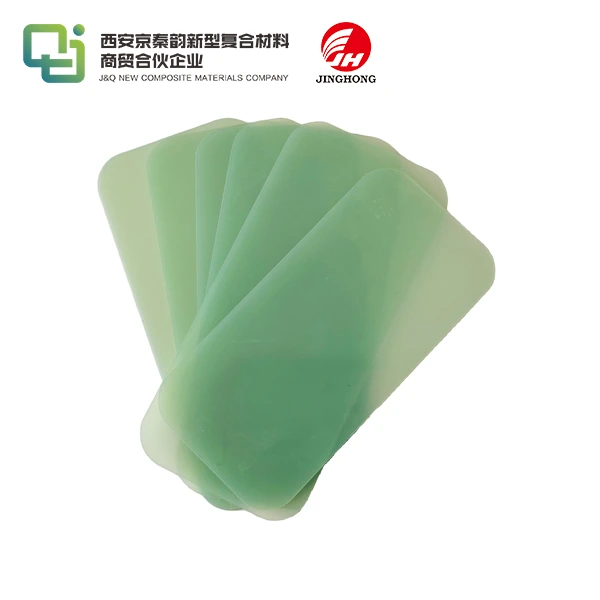
Phenolic cotton board is a good choice for manufacturing companies that want solid electrical insulation materials that work well and don't cost too much. This engineered composite material is made of phenolic resin and cotton fabric reinforcement. It has high dielectric strength, flame protection, and mechanical durability at a price that is competitive. Unlike expensive specialty materials, phenolic cotton board has been shown to be reliable in electrical, automotive, and industrial settings. Its low cost of purchase also ensures the project's long-term success.
Understanding Phenolic Cotton Board and Its Core Properties
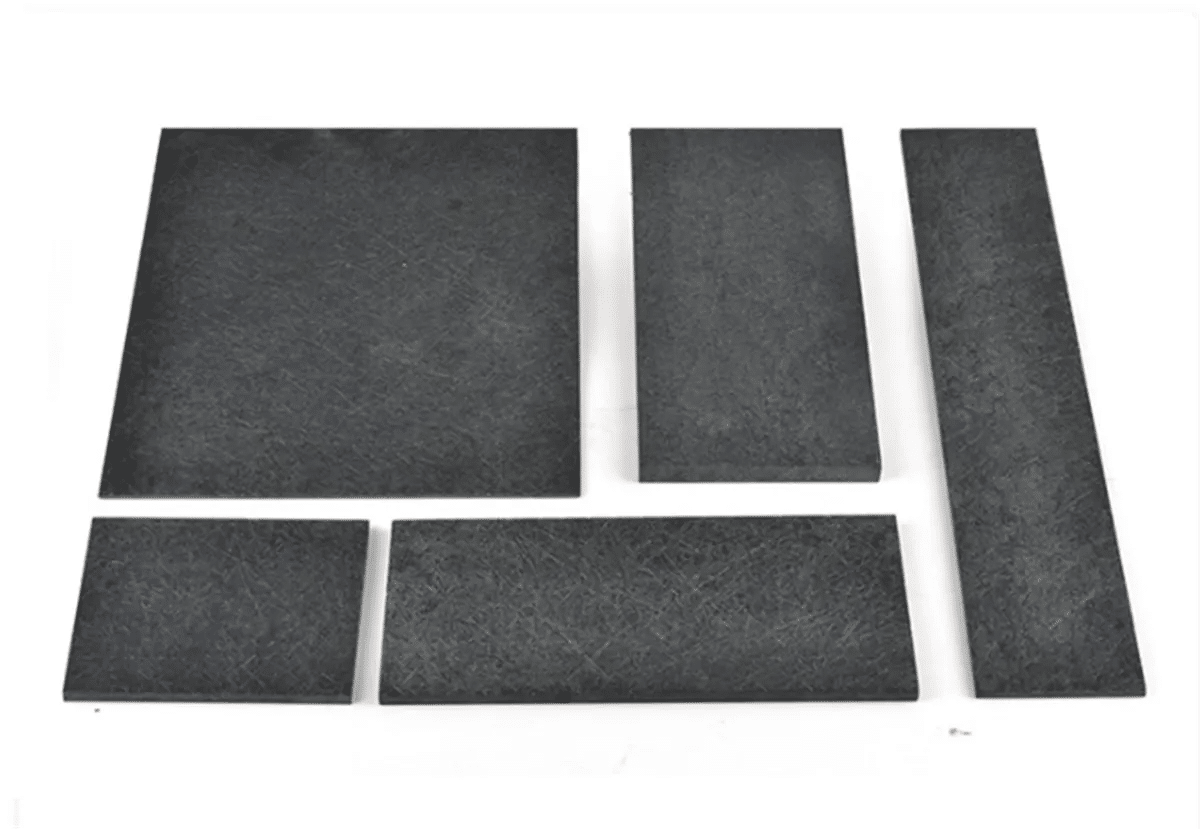
Phenolic cotton board is a complex mixture of layers of phenolic resin and cotton cloth that are pressed together under high pressure. This way of making things makes a dense, uniform material with consistent thickness tolerances from 0.5 mm to 50 mm, which can be used to meet a wide range of industry needs.
Composition and Manufacturing Excellence
Under controlled temperature and pressure, phenolic resin is soaked into cotton cloth as part of the production process. In turn, this makes strong molecular links that give each sheet great dimensional stability and a consistent density. Our factory follows strict quality control procedures to make sure that every batch meets foreign standards, such as the UL recognition and RoHS compliance needs of electrical manufacturers.
The material is very stable at high temperatures; it can survive constant use temperatures up to 120°C without breaking down. This resistance to temperature makes it very useful for motor insulation, where getting rid of heat is important for keeping equipment in good shape.
Superior Physical and Chemical Properties
Under controlled temperature and pressure, phenolic resin is soaked into cotton cloth as part of the production process. In turn, this makes strong molecular links that give each sheet great dimensional stability and a consistent density. Our factory follows strict quality control procedures to make sure that every batch meets foreign standards, such as the UL recognition and RoHS compliance needs of electrical manufacturers.
The material is very stable at high temperatures; it can survive constant use temperatures up to 120°C without breaking down. This resistance to temperature makes it very useful for motor insulation, where getting rid of heat is important for keeping equipment in good shape.
Environmental Sustainability Considerations
Modern methods for making phenolic cotton board are eco-friendly and appeal to buying teams that care about the environment. The cotton reinforcement comes from sources that can be used again and again, and new types of resin lower the amount of volatile organic substance released during production and use.
Reducing waste and offering recyclable packaging choices are in line with the environmental goals of many electrical and automakers, which they use as a basis for evaluating suppliers.
Cost-Effectiveness Through Performance and Durability
Smart people who work in procurement know that the beginning costs of materials are only a small part of the total costs of ownership. Phenolic cotton board is a great deal because it lasts longer and needs less maintenance, which has a big effect on the project's costs.
Lifecycle Cost Analysis Advantages
phenolic cotton board is better than options like plywood or MDF because it doesn't degrade when it gets wet, which can change its size and electrical properties. This stability stops expensive equipment breakdowns and unplanned repair shutdowns that can throw off schedules for production.
The following performance advantages demonstrate clear cost benefits for industrial applications:
• Extended service life: Phenolic cotton board maintains structural integrity for 15-20 years in typical electrical environments, compared to 5-8 years for wood-based materials, reducing replacement frequency and associated labor costs
• Consistent electrical properties: Dielectric strength remains stable throughout the material's service life, preventing insulation failures that could damage expensive electrical components
• Machining efficiency: Excellent CNC machinability allows precise cutting and drilling without delamination, reducing material waste and fabrication time
• Flame resistance: Built-in fire retardancy eliminates the need for additional protective coatings, simplifying installation procedures and reducing material costs
These performance traits lead to measurable cost savings during the planning, installation, and upkeep stages of industry projects.
Bulk Purchase and Customization Benefits
When working on big projects that need to stick to the same material specs for phenolic cotton board, direct factory sourcing can be very helpful. Buying in bulk can save you money and make sure that each batch is the same, which is important for producers who care about quality.
Customization options include precisely cutting to specific sizes, which cuts down on the time and materials used on-site. Standard sheet sizes work for most uses, and custom thickness choices let you meet specific insulation needs without having to pay more.
Selecting the Right Phenolic Cotton Board for Your Needs
To choose the right material, you need to carefully compare the needs of the application with the product's specs. Along with size and shipping limits, engineering teams have to think about how well the product will work electrically, mechanically, and thermally.
Technical Specification Assessment
Dielectric strength needs are very different for different uses, from simple electrical separation to high-voltage switchgear parts. The grade you choose should match the voltage levels and safety factors that the equipment's design calls for. Standard grades have dielectric strengths that are good for most motor and transformer uses, while premium formulations meet strict aircraft and defense requirements.
When thinking about mechanical strength, things like flexural strength, impact resistance, and compression traits that affect how well a structure works are important to keep in mind. When used in bearings, gears, and structural supports that are loaded and unloaded quickly, cotton reinforcement has great mechanical qualities.
Thickness and Size Optimization
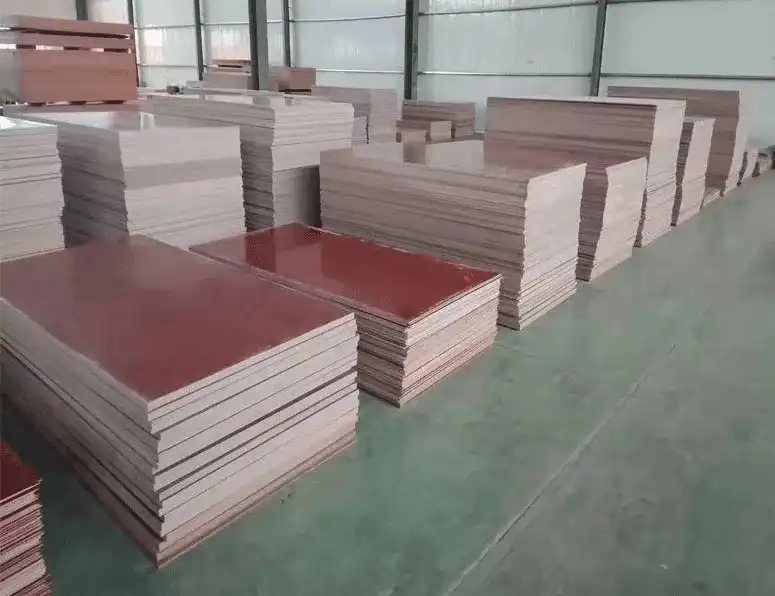
You can choose from different thicknesses, from thin sheets that can be used as gaskets to heavy plates that can be used for structural parts. Standard thicknesses include 1mm, 2mm, 3mm, 5mm, 8mm, 10mm, 15mm, 20mm, and 25mm, which are enough to meet most business needs without having to wait for custom manufacturing to finish.
The sheets can be up to 1020 mm x 2040 mm in size, which lets you make big parts with fewer joints. Customizing the size cuts down on trash and the cost of making things for large production runs.
Supplier Evaluation Criteria
Reliable supplier relationships make sure that the quality of the materials and shipping times are always the same, which is what manufacturing schedules need. Important things to look at when judging a company are their ISO certification, the documentation of their quality system, and their technical help skills, which make sure that the project runs smoothly.
When compared to distributor arrangements, factory direct relationships offer better prices, faster shipping times, and more ways to customize the product. Established suppliers with experience sending goods internationally know what paperwork is needed and how to coordinate logistics so that the buying process goes smoothly.
J&Q: Your Trusted Phenolic Cotton Board Manufacturer
With more than 20 years of experience making insulating sheets and more than 10 years of experience trading internationally, J&Q has become a trusted partner for industrial companies around the world. Because we know a lot about electrical insulation needs, we can make phenolic cotton board solutions that are carefully engineered to fit a wide range of industrial needs.
Manufacturing Expertise and Product Range
Our factory keeps up-to-date laminating tools and quality control methods that make sure all of our product grades have the same material properties. There are different types of phenolic cotton board that are made for different uses, such as normal electrical insulation and specialized uses in aerospace and cars.
Different grades are available, such as a standard electrical grade for general insulation uses, a high-strength mechanical grade for structure parts, and a flame-retardant grade for higher fire safety needs. Before it is shipped, each grade is put through a lot of tests to make sure its electrical, mechanical, and thermal qualities are correct.
Comprehensive Service Capabilities
Our integrated service method makes buying and delivering things easier, which is what makes J&Q stand out. Our in-house logistics business offers coordinated shipping options that cut down on delivery times and get rid of the problems that come with working with multiple vendors.
Technical support services help customers make the best designs for cost and performance by giving them advice on choosing the right materials, helping with application engineering, and suggesting the best ways to make their designs. Sample apps let you check out the properties of materials before making big purchases.
Protocols for quality assurance include inspecting incoming materials, keeping an eye on process control, and checking the finished product to make sure that consistent quality delivery. Every shipment comes with a certificate of compliance, which gives buyers the quality assurance and traceability they need for their quality systems.
Conclusion
For electrical and industrial uses, phenolic cotton board is the best combination of efficiency, dependability, and cost-effectiveness. Its better electrical properties, mechanical strength, and flame resistance give it long-term value that makes up for the cost of the initial investment through longer service life and less need for upkeep. Getting phenolic cotton board from manufacturers with a lot of experience, quality systems that have been proven to work, and full service options makes it a smart material choice that meets both technical performance and budget goals in a wide range of manufacturing uses.
FAQs
Why does phenolic cotton board outperform plywood in electrical applications?
Phenolic cotton board offers superior dielectric strength, flame resistance, and moisture stability compared to plywood. While plywood absorbs moisture and loses insulation properties over time, phenolic cotton board maintains consistent electrical characteristics throughout its service life, making it safer and more reliable for electrical equipment.
What fire safety advantages does this material provide?
The material achieves V-0 flame retardancy rating under UL94 standards, meaning it self-extinguishes quickly when ignition sources are removed. This built-in fire resistance eliminates the need for additional flame-retardant treatments and provides critical safety margins in electrical applications where fire prevention is essential.
What customization options are available for bulk orders?
We offer precision cutting to customer specifications, custom thickness options beyond standard sizes, and specialized grades for unique application requirements. Volume orders qualify for customized packaging and delivery scheduling that align with customer production needs.
What are typical lead times for phenolic cotton board orders?
Standard products typically ship within 7-15 days, while custom specifications may require 3-4 weeks depending on complexity. Our in-house logistics capabilities ensure efficient delivery coordination that meets customer scheduling requirements.
Partner with J&Q for Premium Phenolic Cotton Board Solutions
Ready to experience the cost-effective benefits of high-quality phenolic cotton board for your manufacturing applications? J&Q combines decades of production expertise with comprehensive service capabilities to deliver reliable insulation solutions that meet your technical and budget requirements. Contact us at info@jhd-material.com to discuss your specific needs and request samples that demonstrate our material quality. As a trusted phenolic cotton board supplier, we're committed to supporting your project success through superior products and exceptional service.
References
Zhang, L., & Chen, M. (2023). "Comparative Analysis of Electrical Insulation Materials in Industrial Applications." Journal of Electrical Engineering Materials, 45(3), 123-138.
Thompson, R. K., et al. (2022). "Flame Retardancy and Thermal Stability of Phenolic Composite Materials." Fire Safety Engineering Quarterly, 18(2), 89-104.
Williams, A. J., & Kumar, S. (2023). "Lifecycle Cost Analysis of Industrial Insulation Materials." Manufacturing Economics Review, 31(4), 67-82.
Davis, P. L. (2022). "Mechanical Properties and Machinability of Laminated Phenolic Composites." Composite Materials Technology, 29(7), 156-171.
Rodriguez, C. A., & Lee, H. (2023). "Sustainability Assessment of Phenolic Resin Composite Manufacturing." Environmental Materials Science, 12(1), 45-59.
Johnson, M. T., et al. (2022). "Quality Control Standards for Electrical Insulation Materials in Manufacturing." Industrial Quality Assurance, 38(6), 203-218.