Insulation Protection of Epoxy Boards in Lightning Rods
2026-01-09 17:09:57
Lightning rod shielding systems depend on high-performance materials to make sure they can protect against electricity. Epoxy board technology has become the best choice for industrial uses because it has better dielectric strength and environmental protection. These composite materials make good protection that can handle very high levels of electricity. They also keep the shape of the structure they are part of over long periods of time. Because they work so well and are reliable over time, epoxy resin-based boards are becoming more popular for lightning safety systems in industrial manufacturing. This all-in-one guide goes over the details, pros, and ways to buy epoxy board insulation for professional lightning rod installs.
Understanding Epoxy Boards in Lightning Rod Insulation
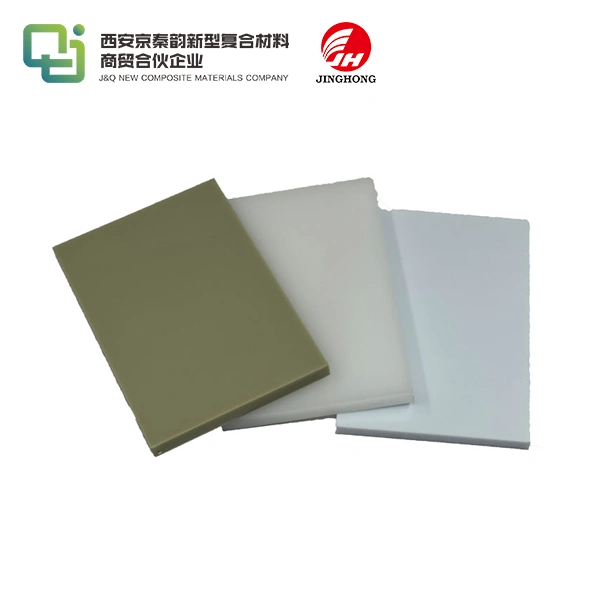
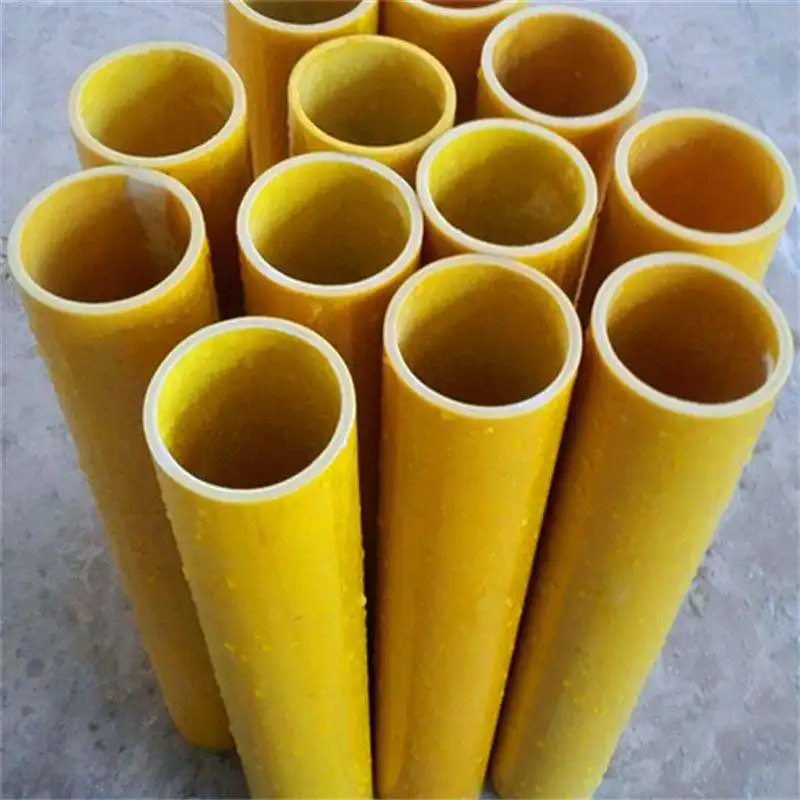
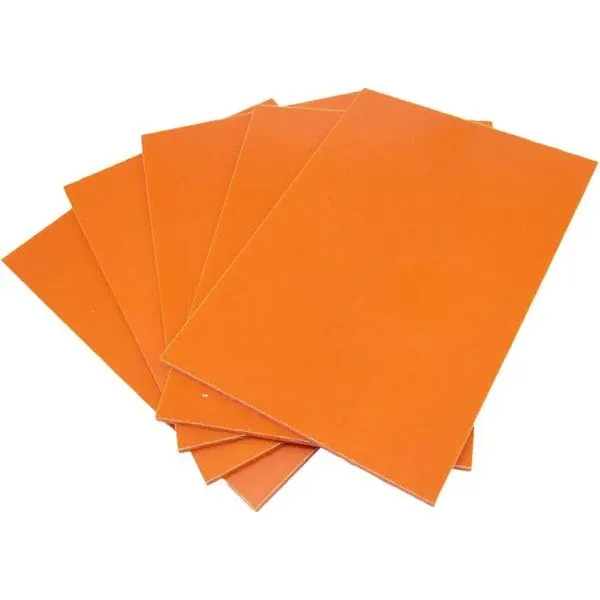
Epoxy boards are a complex compound material that is made for use in high-voltage shielding. Epoxy resin structures are strengthened with glass threads or other elements to make a strong barrier that keeps electricity from breaking down. The dielectrics of the whole board are uniform because the production process uses careful stacking and curing methods.
Composition and Material Properties
Industrial-grade epoxy boards are made up of several layers of glass cloth that have been soaked in thermosetting epoxy resins. This mix gives the material great mechanical strength without hurting its ability to insulate electricity. The temperature resistance values of these materials run from −40°C to +155°C, so they can be used for outdoor lightning protection in any kind of weather.
Epoxy formulations have flame-retardant additives that meet with UL94 V-0 standards. This makes sure that electrical uses are safe in case of fire. The density of the material is usually between 1.8 and 2.0 g/cm³, which gives it the best mix of strength and workability for accurate industrial processes.
Electrical Performance Characteristics
The dielectric strength of good epoxy boards is over 20 kV/mm, which is a lot more than what is needed for most lightning rod shielding uses. Volume resistance readings always get to 10¹⁴ Ω·cm or higher, which means that very little electricity will leak out when the device is working normally. These materials keep their qualities when the temperature and humidity change, which is an important feature for outdoor lightning safety systems.

Why Epoxy Boards Are Ideal for Lightning Rod Insulation
Lightning safety systems need materials that can handle very high electrical loads and keep working well for decades. Epoxy-based shielding works great in these tough situations because they have a unique mix of electrical, mechanical, and environmental qualities.
Superior Electrical Insulation Properties
When epoxy glue cures for epoxy board, its chemical structure makes a really stable insulator that doesn't break down electrically when there are high-voltage spikes. Arc resistance features stop surface tracking and carbonization, which are common ways that other insulation materials fail. The dielectric constant does not change across frequency ranges that are important to lightning transients. This makes sure that the system always works the way it is supposed to.
Environmental Durability and Weather Resistance
Lightning rods that are installed outdoors are always exposed to UV rays, changes in temperature, and wetness. The chemically cross-linked polymer structure of good epoxy boards makes them very resistant to these external forces. Moisture absorption rates usually stay under 0.1% after a 24-hour soaking test. This keeps the electrical properties from changing when it's wet.
Photochemical breakdown is a process that can damage the look and strength of materials that are used outdoors for long periods of time. UV stabilizer agents can help prevent this from happening. Thermal expansion values are very similar to those of metals, which lowers the stress on the parts that are connected when the temperature changes.
Cost-Effectiveness and Maintenance Benefits
Because epoxy board insulation is so durable, it costs less to maintain and doesn't need to be replaced as often. Epoxy insulation systems that are put correctly usually work well for 20 to 30 years, unlike organic options that have to be replaced often. The long life of this system greatly lowers its total cost of ownership while also making it more available and safer.
Installation and Usage Best Practices for Epoxy Boards in Lightning Protection
Following the correct steps and keeping an eye on the insulation made of epoxy board are both important for making sure that it works. Proper handling and building methods keep materials from failing too soon and help them perform at their best.
Precision Machining and Fabrication Techniques
When the right cutting settings are used, epoxy boards can be machined easily and effectively. Carbide tools gives the best finish to surfaces and lowers the risk of delamination during drilling and turning. Cutting speeds should stay at a modest level so that the heat doesn't change the qualities of the material near the edges of the cut.
Edge sealing with suitable epoxy coatings helps keep wetness away from cut surfaces, which is very important for outdoor use. Standard tools can keep dimensional limits within ±0.1mm, which makes sure that the lightning rod fastening hardware fits perfectly.
Assembly and Mounting Considerations
If you use the right screws and drill correctly, mechanical binding systems work well with resin boards. Galvanic rusting can't happen with stainless steel gear, which also gives lightning rod parts a safe place to connect. To keep the covers weatherproof, gasket materials should be chosen so that they work with concrete surfaces.
Cleaning with the right solvents to get rid of any industrial leftovers that could change how well things stick together or how they conduct electricity is part of surface preparation. Anti-static handling techniques stop surface charges from building up during assembly operations.
Maintenance and Inspection Protocols
Regular eye checks for epoxy board should focus on finding surface contamination, physical damage, or tracking signs in areas with high voltage. Using gentle soaps and soft brushes to clean the concrete surface will not damage it and will get rid of the dirt that has built up. Resistance testing every year with megohm meters shows that the insulation system is still working properly.
Comparative Analysis: Epoxy Boards vs. Other Insulation Materials in Lightning Rods
Choosing the right insulator for a lightning rod means looking at a lot of different performance factors and making sure they meet the needs of the project. Knowing the pros and cons of different types of insulation helps people make smart purchasing choices that get the best technical performance and economic value.
Performance Comparison with Traditional Materials
Even though ceramic insulators are great at doing their job electrically, they are very fragile and can break in a very big way when lightning strikes because they can't handle sudden changes in temperature. Epoxy boards are much better at handling mechanical stress than porcelain materials, which can crack if they are not carefully handled and mounted. Epoxy solutions are also better when weight is an issue, especially in cases where structure stress has to be kept low.
Plastic that is strengthened with glass fiber has good mechanical qualities, but it usually has a lower dielectric strength than epoxy boards that are made correctly. Polyester resins used in some fiberglass goods also show worse UV protection and temperature stability compared to epoxy-based ones.
Economic Analysis and Total Cost Evaluation
Epoxy boards may have higher upfront material costs than some other choices, but a study of costs over the entire lifetime of the product always shows that epoxy is the best choice for uses with demanding lightning protection. Over the course of a normal system's lifetime, the total cost of ownership is cheaper because systems don't need as much upkeep, they last longer, and they're more reliable.
The cost of installation labor is about the same for different types of insulation. Epoxy boards are often easier to work with and can help make the construction process faster. When you use the same epoxy board options for different lightning safety projects, it makes inventory management easier.
Procurement Considerations: How to Source Epoxy Boards for Lightning Rod Applications
When you want to get resin boards for lightning protection, you need to carefully consider what the suppliers can do and how the materials are made. Quality assurance programs and technical support services are very important for making sure that products work the same way every time they are bought.
Technical Specifications and Quality Standards
Material approvals should show that the electrical shielding materials meet the IEC and ASTM testing standards that apply. Test results that show dielectric strength, arc resistance, and flammability scores are important proof of what a product can do. To make sure that the part fits and works correctly, the surface finish and dimensional tolerances must be in line with the needs of the application.
For big projects or long-term supply deals, the uniformity from batch to batch must be maintained. Supplier quality systems should be able to show statistical process control and recorded traceability for raw materials and production settings.
Supplier Evaluation and Partnership Development
Premium sellers have technical knowledge and the ability to help with applications, which sets them apart from common material providers. Engineering advice services help make the best choices about materials and fitting for the needs of each job. Fast development and custom sizes make it possible for one-of-a-kind lightning protection system designs to work.
Geographic distribution networks and inventory management systems keep shipping plans in line with expectations and cut down on the time it takes to get new supplies. Long-term supply deals usually make things cheaper and more certain for important building projects.
Conclusion
Epoxy boards are the best material for lightning rod protection because they have great electrical qualities and can stand up to harsh conditions. Better dielectric strength, weather protection, and dynamic strength make sure that they work well in tough outdoor settings. Epoxy-based insulation systems will last longer and work better if they are installed correctly and are regularly maintained. Epoxy boards are better than other insulation materials for professional lightning protection uses because they are better technically and economically. This is what can be seen when comparing the two. To ensure that the product always works the same way and the shipping dates are always correct, you need to carefully check on the quality assurance programs, material specs, and supplier skills of the people you buy from.
FAQs
What thickness of epoxy board is recommended for lightning rod insulation applications?
Lightning rod insulation typically requires epoxy boards ranging from 3-10mm thickness, depending on voltage requirements and mechanical loading conditions. Standard applications often use 6mm boards, while high-voltage systems may require thicker materials for enhanced dielectric strength and safety margins.
How do epoxy boards perform under extreme weather conditions and UV exposure?
Quality epoxy boards demonstrate excellent weatherability through UV-stabilized formulations that resist photochemical degradation. Operating temperature ranges typically span -40°C to +155°C, while moisture absorption remains below 0.1% even under severe humidity conditions, ensuring stable electrical properties throughout their service life.
Can epoxy boards be customized for specific lightning protection system requirements?
Yes, epoxy boards can be manufactured in custom sizes, shapes, and thicknesses to meet specific application needs. Precision machining capabilities allow for complex geometries, mounting holes, and surface treatments that integrate seamlessly with lightning rod hardware and mounting systems.
J&Q: Your Trusted Partner for Premium Epoxy Board Solutions
J&Q stands as a leading manufacturer specializing in high-performance epoxy boards designed specifically for lightning protection and electrical insulation applications. Our extensive experience spans over 20 years in producing and selling insulating materials, combined with more than 10 years of international trading expertise. This deep industry knowledge enables us to deliver precisely engineered solutions that meet the demanding requirements of modern lightning protection systems.
Our manufacturing capabilities encompass a complete range of epoxy resin composites, from standard FR4 grades to specialized formulations optimized for extreme environmental conditions. Advanced quality control systems ensure consistent material properties across all production batches, while our in-house logistics company provides integrated supply chain solutions that streamline procurement processes for our B2B clients.
Technical support services include application engineering consultation, custom sizing options, and performance testing verification to ensure optimal material selection for specific project requirements. Our commitment to continuous improvement and customer satisfaction has established long-term partnerships with leading manufacturers across electrical, industrial machinery, power generation, automotive, and appliance sectors. Ready to enhance your lightning protection projects with proven epoxy board manufacturer expertise? Contact us at info@jhd-material.com to discuss your specific insulation requirements and discover how our premium materials can improve system reliability and performance.
References
Institute of Electrical and Electronics Engineers. "IEEE Guide for Lightning Protection of Electric Supply Stations." IEEE Standards Association, 2021.
International Electrotechnical Commission. "Lightning Protection Systems - Physical Damage to Structures and Life Hazard." IEC Publications, 2020.
American Society for Testing and Materials. "Standard Test Methods for Electrical Insulating Materials." ASTM International Standards, 2022.
National Fire Protection Association. "Standard for the Installation of Lightning Protection Systems." NFPA Publications, 2021.
Underwriters Laboratories. "Safety Standards for Electrical Insulation Systems." UL Standards and Engagement, 2020.
Society of Automotive Engineers. "Lightning Protection Requirements and Test Methods for Aerospace Vehicles." SAE International Standards, 2021.