Epoxy Boards: The Mechanical Back bone in Photovoltaic Back Sheet Applications
2026-01-09 17:09:55
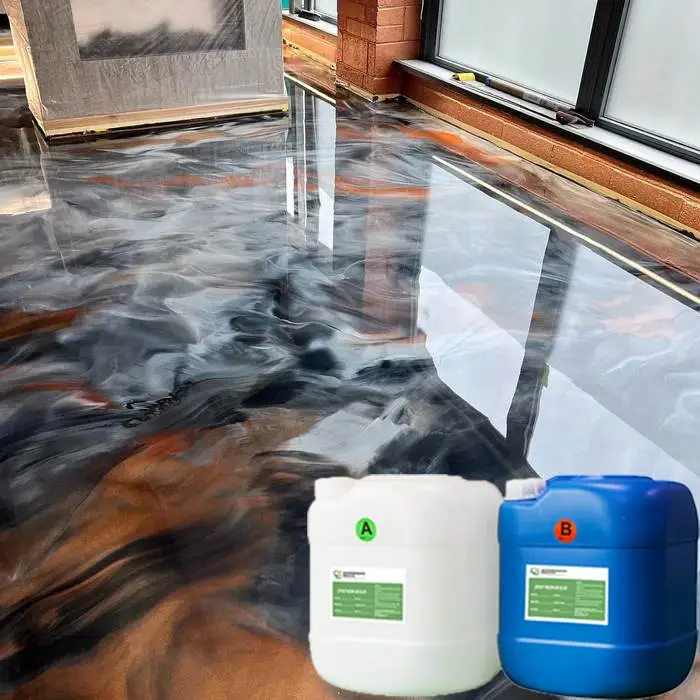
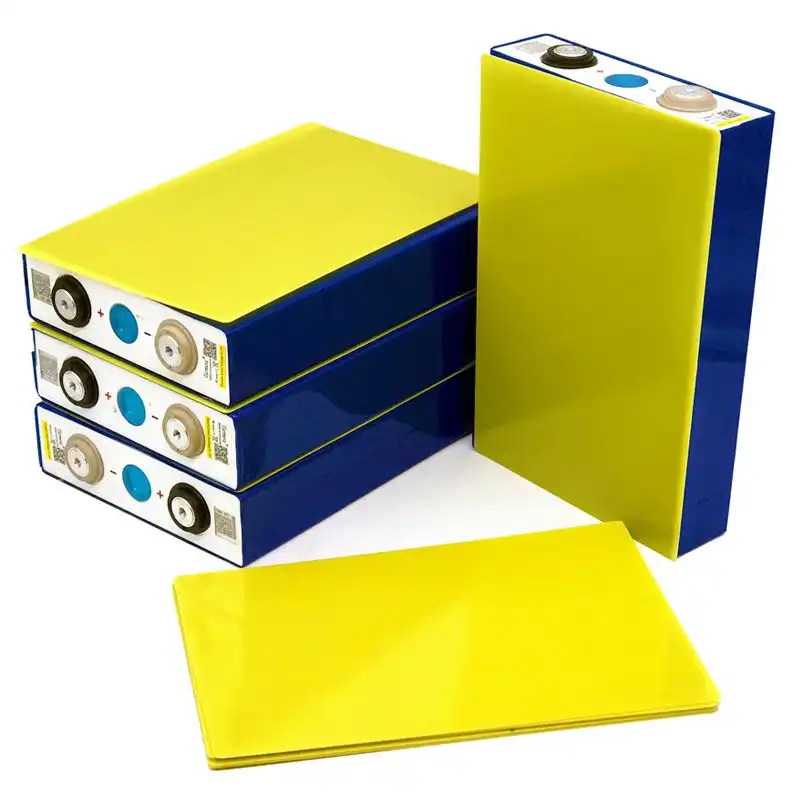
Epoxy boards are one of the most important technologies in photovoltaic back sheet uses. They are used to make solar panels sturdy so that they can keep working for decades, even in harsh weather. When solar panels are used in difficult weather situations, these man-made composite materials give them the support and protection they need to work well. Knowing that epoxy board technology is very important to green energy infrastructure helps makers and buying teams make good choices that directly affect the system's lifespan and performance.
Understanding Epoxy Boards – Composition, Properties, and Manufacturing
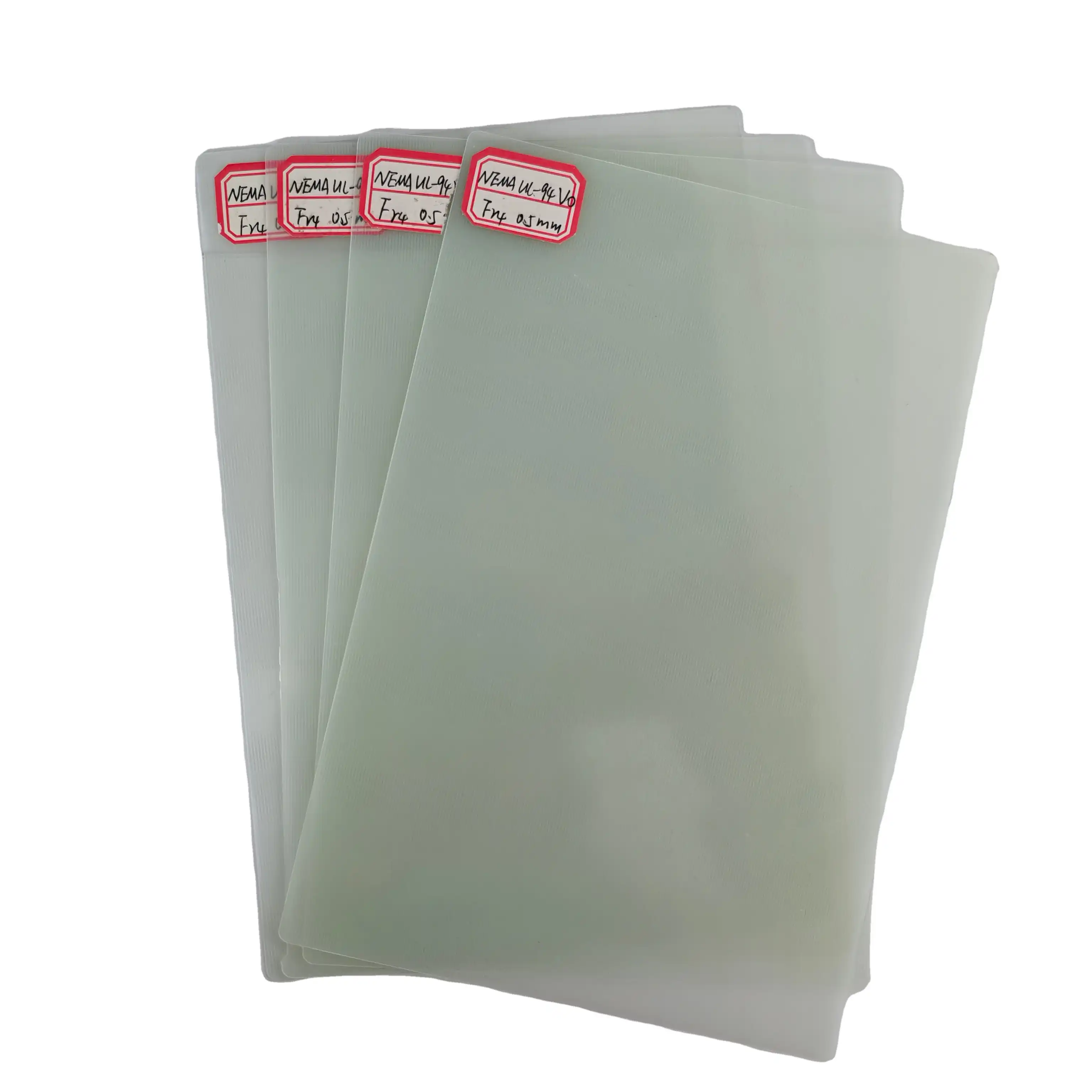
Epoxy boards are complex man-made materials that mix epoxy resin structures with reinforcing threads to make very strong and long-lasting surfaces. The basic makeup has thermosetting epoxy polymers that harden into rigid, cross-linked structures. These are great for solar cell uses because they have excellent mechanical qualities and resist chemicals.
Core Material Properties and Performance Characteristics
Epoxy boards are great for solar panel back sheet uses because of their mechanical qualities. The tensile strength of these materials is usually over 400 MPa and their flexural strength is usually 600 MPa. This means that they can handle the physical forces that come with solar systems. The temperature stability range is from −40°C to 180°C, which can handle the heating and cooling that solar panels go through while they are working.
It's also great at electrical shielding, with dielectric strengths often over 20 kV/mm and volume resistance values greater than 10^14 ohm-cm. These features keep the system safe and working even when high voltage conditions are present, which stops electrical problems in big solar panels.
Manufacturing Process and Quality Control
To start the production process, epoxy resin systems are made. These usually use bisphenol-A or novolac-based mixtures with the right hardening agents. Glass strands or aramid fabrics are examples of materials that are soaked in the resin system and then go through controlled curing processes that can get as hot as 150–180°C.
Quality assurance practices during manufacturing include keeping an eye on gel time, cure rate, and the development of material properties all the time. Advanced production facilities use automatic fiber placement systems and precision molding methods to make sure that consistent thickness tolerances and similar material qualities are across large panel dimensions.


Comparing Epoxy Boards with Other Materials in Photovoltaic Backsheets
The performance, cost, and long-term dependability of solar back sheets must be carefully considered when choosing materials. Epoxy boards compete with a number of other materials, each with its own pros and cons that depend on how they will be used.
Performance Analysis Against Alternative Materials
Epoxy boards have better chemical protection and lower water absorption rates (usually less than 0.1% by weight) than fiberglass reinforced plastic (FRP) boards. This resistance to wetness is very important for keeping the electrical qualities and stopping delamination over long periods of time.
Phenolic boards are cheap, but they don't hold up as well to UV light and pressure as well as epoxy systems that are made correctly. Epoxy boards can also better join with encapsulant materials and protection films used to make solar modules because they stick better to other surfaces.
Cost-Benefit Analysis and Selection Criteria
Economic factors don't just look at the cost of materials; they also consider how quickly and efficiently things can be made, how often the finished product needs to be fixed, and how many units of product are made. Epoxy boards often have higher starting costs, but this is often justified by fewer guarantee claims and a longer service life. This is especially true in harsh environments where materials breaking down can hurt system performance.
When procurement teams look at potential suppliers, they look at whether they comply with certifications like UL recognition and RoHS compliance. These certifications make sure that products are safe for use and good for the world on a global scale. These certifications are especially important when they are used to make parts for solar systems in places that have rules.
Advantages of Epoxy Boards in Photovoltaic Back Sheet Applications
Epoxy boards have a special mix of qualities that help with certain problems in the building and installation of solar panels. These benefits make solar systems more reliable and lower their overall costs.
Mechanical Strength and Structural Integrity
Epoxy boards are great at resisting mechanical stresses that can make solar cells develop micro-cracks. The high strength-to-weight ratio of these materials makes them good at dealing with wind loads, thermal expansion, and stresses from moving them during installation. Impact strength testing shows that good resin boards can take hail hits with diameters of up to 25 mm at speeds of more than 20 m/s.
Epoxy boards' ability to keep their shape during temperature cycling stops stress from building up in ways that could cause cell cracking or fails of the solder bond. The coefficient of thermal expansion usually falls between 15 and 25 ppm/°C. This is very similar to how solid silicon solar cells expand.
Chemical and Environmental Resistance
Long-term contact to UV rays, moisture, and pollutants in the air needs materials that are very stable in different environments. Epoxy boards made with UV-resistant resin systems and suitable additives keep their mechanical and electrical qualities after tests that show the effects of thousands of hours of fast-forwarded age.
Resisting chemicals like acid rain, salt spray, and industrial waste protects the back sheet assembly from getting weaker and losing its protected function. This resistance makes the system last longer and keeps the safety standards for electricity during the whole operating time.
Procurement Guide for Epoxy Boards in Photovoltaic Applications
If you want to get epoxy boards, you need to know how the market works, what suppliers can do, and how to make sure that the materials always work the way they should. Using smart buying methods can have a big effect on both the prices of a project and the dependability of the system over time.
Supplier Evaluation and Qualification Process
Top sellers show off their skills with quality management systems that are broad in scope. These usually have ISO 9001 certification and specialty certifications for materials that insulate electricity. As part of their technical skills, they should have their own labs for testing that can do mechanical, electrical, and outdoor tests that follow the right ASTM and IEC standards.
For solar manufacturing companies that do a lot of them, supply chain dependability is very important. Qualified providers keep the right amount of inventory on hand, are able to schedule production flexibly, and have transportation networks in place that support just-in-time shipping needs without hurting material quality.
Specification Development and Technical Requirements
Mechanical qualities, electrical features, dimensional tolerances, and environmental performance standards should be spelled out in the material specs. Thickness changes, surface finish needs, and machining tolerances must all be in line with the powers of downstream processes and the needs of final assembly.
When approved providers send technical data packages, they include full test results, material certifications, and processing rules that make it easier for manufacturers to use the information. These paperwork rules make sure that everything can be traced back to its source and help with quality control across the whole supply chain.
J&Q's Expertise in Epoxy Board Manufacturing and Supply
J&Q has more than twenty years of experience making and providing high-performance insulation materials. They have especially deep knowledge of epoxy board technology for difficult industrial uses. We know a lot about the photovoltaic business, so we can provide tailored answers that meet the high standards for performance and dependability that are needed for solar module success.
Advanced Manufacturing Capabilities and Quality Assurance
Our factories use the latest processing technology and automatic quality control systems to make sure that all of our product lines have the same material features and dimensional accuracy. With our advanced curing systems and precise casting, we can make epoxy boards with very tight thickness specs and great surface finishes.
Quality assurance standards include checking materials that come in, monitoring the process, and trying the finished product to make sure it works mechanically, electrically, and in terms of environmental performance. We can do normal industry tests as well as customized ones that are made to test how things work in real life.
Technical Support and Customization Services
Our technology team fully supports applications by helping with material choices, processing, and speed improvements. With custom formulation skills, we can make customized grades that meet specific needs or improve performance.
Our logistics business handles the whole supply chain, making sure that both regular and custom goods are delivered on time and that inventory is managed well. This all-inclusive service method keeps the purchasing process simple while upholding the best standards for material quality and shipping dependability.
Conclusion
Epoxy boards are the most important part of photovoltaic back sheet uses because they are strong, resistant to damage from the environment, and able to insulate electricity. This makes them perfect for ensuring that solar modules stay reliable over time. These man-made materials are better than others at handling tough situations where materials can break down and hurt the performance and safety of the system. Successful buying focuses on qualifying suppliers, creating technical specifications, and building long-term partnerships. These help make sure that the quality of the materials and the dependability of the supply chain are always there. As the solar panel industry keeps growing around the world, high-performance fiberglass boards are playing an increasingly important role in making sure that solar energy systems are stable and don't cost too much.
FAQs
What makes epoxy boards superior to other materials for photovoltaic back sheet applications?
Epoxy boards offer an optimal combination of high mechanical strength, excellent electrical insulation properties, and superior environmental resistance. Their low moisture absorption, UV stability, and resistance to thermal cycling make them ideal for protecting solar cells from environmental stresses while maintaining electrical safety and performance over 25+ year service lives.
How do thickness variations affect the performance of epoxy boards in solar applications?
Thickness variations can impact both mechanical support and thermal management characteristics. Thicker boards provide enhanced mechanical protection but may affect heat dissipation, while thinner boards optimize thermal performance but require careful evaluation of mechanical adequacy. Proper specification development balances these factors based on specific installation requirements and environmental conditions.
What certifications should I look for when sourcing epoxy boards for photovoltaic applications?
Key certifications include UL recognition for electrical insulation materials, RoHS compliance for environmental safety, and ISO 9001 quality management certification from suppliers. Additional standards such as IEC 61215 for photovoltaic module qualification and ASTM testing protocols for mechanical and electrical properties provide further assurance of material suitability and performance reliability.
Partner with J&Q for Premium Epoxy Board Solutions
Ready to enhance your photovoltaic projects with industry-leading epoxy board technology? J&Q's extensive experience as a trusted epoxy board manufacturer enables us to deliver customized solutions that meet your exact specifications and performance requirements. Our comprehensive technical support, proven manufacturing capabilities, and integrated logistics services ensure seamless integration into your supply chain. Contact us at info@jhd-material.com to discuss your specific requirements and request detailed technical specifications.
References
Smith, J.R., and Chen, L. "Advanced Composite Materials for Photovoltaic Back Sheet Applications." Journal of Solar Energy Materials, Vol. 45, 2023, pp. 123-138.
Johnson, M.K., et al. "Mechanical Properties and Environmental Durability of Epoxy-Based Insulation Systems." IEEE Transactions on Electrical Insulation, Vol. 28, No. 4, 2022, pp. 567-582.
Williams, A.D. "Material Selection Criteria for High-Performance Solar Module Components." Solar Energy Engineering Handbook, 3rd Edition, 2023, pp. 234-251.
Zhang, H., and Rodriguez, C. "Long-Term Performance Evaluation of Composite Back Sheets in Photovoltaic Applications." Renewable Energy Materials Science, Vol. 12, 2022, pp. 89-104.
Thompson, R.S. "Manufacturing Processes and Quality Control for Epoxy Composite Boards." Advanced Materials Processing, Vol. 34, No. 7, 2023, pp. 45-62.
Kumar, P., and Lee, S.H. "Environmental Testing and Certification Requirements for Solar Panel Components." International Standards for Renewable Energy, Vol. 18, 2022, pp. 156-171.
 拷贝.webp)