Epoxy Boards: A Bridge Connecting the Electronics, Electrical, and Energy Fields
2026-01-08 16:40:42
Epoxy boards serve as fundamental building blocks in modern electronics, electrical systems, and energy infrastructure, creating seamless connections across diverse industrial applications. These versatile composite materials have revolutionized how we approach electrical insulation, circuit board manufacturing, and thermal management in critical systems. When selecting the right epoxy board for specific applications, engineers must consider factors such as dielectric strength, thermal stability, and mechanical durability to ensure optimal performance.This comprehensive guide explores the technical specifications, comparative advantages, and practical applications of epoxy boards across multiple industries. We'll examine their composition, manufacturing processes, and procurement considerations to help engineering managers and technical procurement teams make informed decisions. Whether you're developing PCB assemblies, designing transformer components, or building industrial machinery, understanding these materials is essential for project success.
Understanding Epoxy Boards: Composition, Properties, and Manufacturing Process
Epoxy boards represent a sophisticated class of composite materials engineered for demanding electrical and mechanical applications. Their unique combination of properties makes them indispensable across electronics, electrical, and energy sectors, where reliability and performance cannot be compromised.
What is an Epoxy Board?
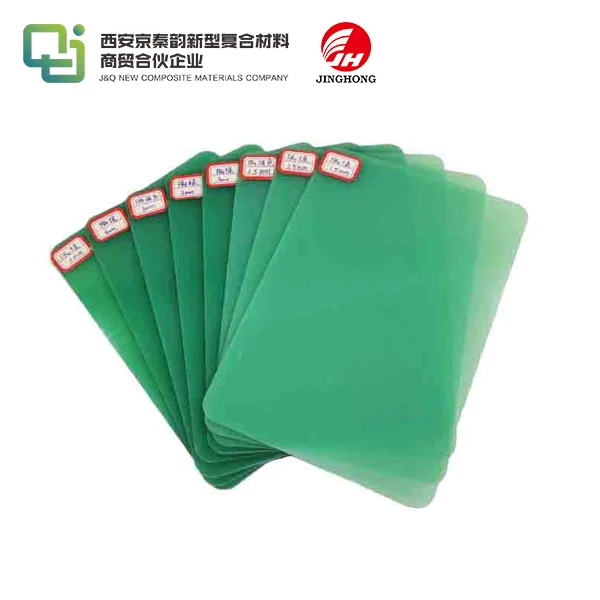
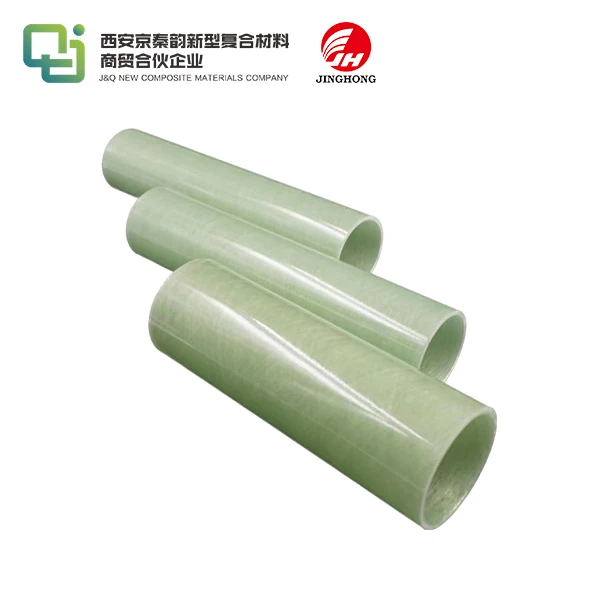
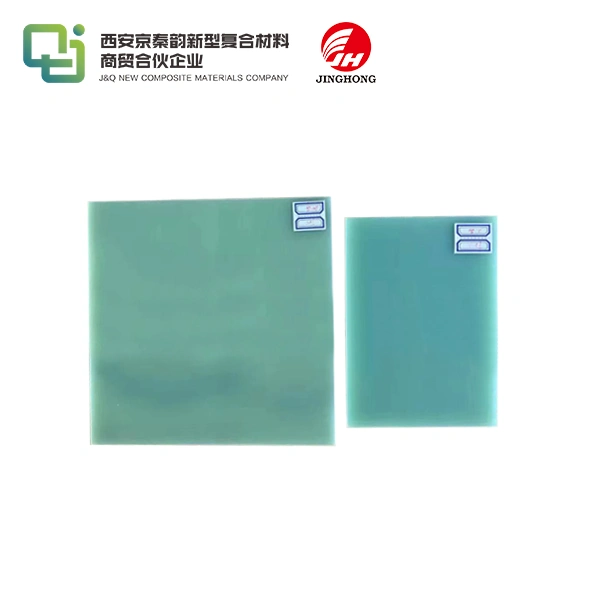
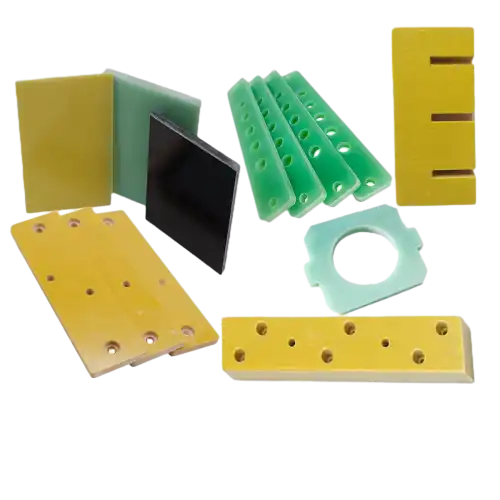
An epoxy board consists of woven fiberglass cloth impregnated with epoxy resin, creating a laminated structure with exceptional electrical insulation properties. The fiberglass reinforcement provides mechanical strength and dimensional stability, while the epoxy resin matrix offers chemical resistance and electrical isolation. This combination results in materials like FR-4, G10, and 3240 epoxy boards, each tailored for specific performance requirements.
The manufacturing process begins with high-quality E-glass fabric, which undergoes precise resin impregnation to achieve uniform distribution. Temperature and pressure controls during curing ensure consistent thickness tolerances and eliminate voids that could compromise electrical performance. Quality control measures include dielectric strength testing and thermal characterization to verify compliance with UL and ROHS standards.
Key Properties of Epoxy Boards
The technical specifications of epoxy boards make them superior choices for critical applications. Here are the primary performance characteristics that distinguish these materials:
- Dielectric Strength: Typically ranging from 15-25 kV/mm, providing excellent electrical insulation for high-voltage applications including switchgear and transformer components
- Temperature Resistance: Operating continuously at temperatures up to 180°C, with some grades handling short-term exposures exceeding 200°C for automotive and power generation equipment
- Mechanical Properties: Flexural strength values often exceeding 400 MPa, ensuring structural integrity under mechanical stress in industrial machinery applications
- Chemical Resistance: Excellent resistance to oils, solvents, and moisture, making them suitable for harsh industrial environments and marine applications
These properties combine to deliver materials that withstand demanding operational conditions while maintaining consistent performance throughout their service life. The flame-retardant characteristics meet stringent safety requirements for electrical enclosures and energy system components.
How Are Epoxy Boards Made?
The manufacturing process involves multiple stages designed to achieve precise control over material properties. Resin preparation begins with mixing epoxy compounds with hardeners and flame-retardant additives according to specific formulations. The fiberglass cloth undergoes careful inspection before resin impregnation using controlled coating equipment.
Lamination occurs under hydraulic presses with precisely controlled temperature and pressure profiles. Multiple layers of prepreg material are stacked and cured simultaneously to achieve target thicknesses. Post-curing treatments enhance dimensional stability and optimize electrical properties. Final quality assurance includes thickness measurement, surface inspection, and electrical testing to ensure compliance with industry specifications.
Comparing Epoxy Boards with Alternative Materials in Electronics and Electrical Engineering
Material selection significantly impacts product performance, cost-effectiveness, and manufacturing efficiency in electrical and electronic applications. Understanding how epoxy boards compare with alternatives helps engineers optimize their designs for specific operational requirements.
Epoxy Board vs Fiberglass Board
While both materials share fiberglass reinforcement, their resin systems create distinct performance profiles. Standard fiberglass boards typically use polyester resins, resulting in lower cost but reduced electrical properties compared to epoxy alternatives. Epoxy-based materials offer superior dielectric strength, better thermal stability, and enhanced mechanical properties, justifying their premium positioning in high-performance applications.
The moisture absorption characteristics differ significantly between these materials. Epoxy boards demonstrate lower water uptake, maintaining stable electrical properties in humid environments. This advantage proves crucial for outdoor electrical equipment and marine applications where moisture exposure is unavoidable. Manufacturing precision also favors epoxy boards, with tighter thickness tolerances supporting demanding CNC machining operations.
Epoxy Board vs Plywood, Plastic, Melamine, and PVC Boards
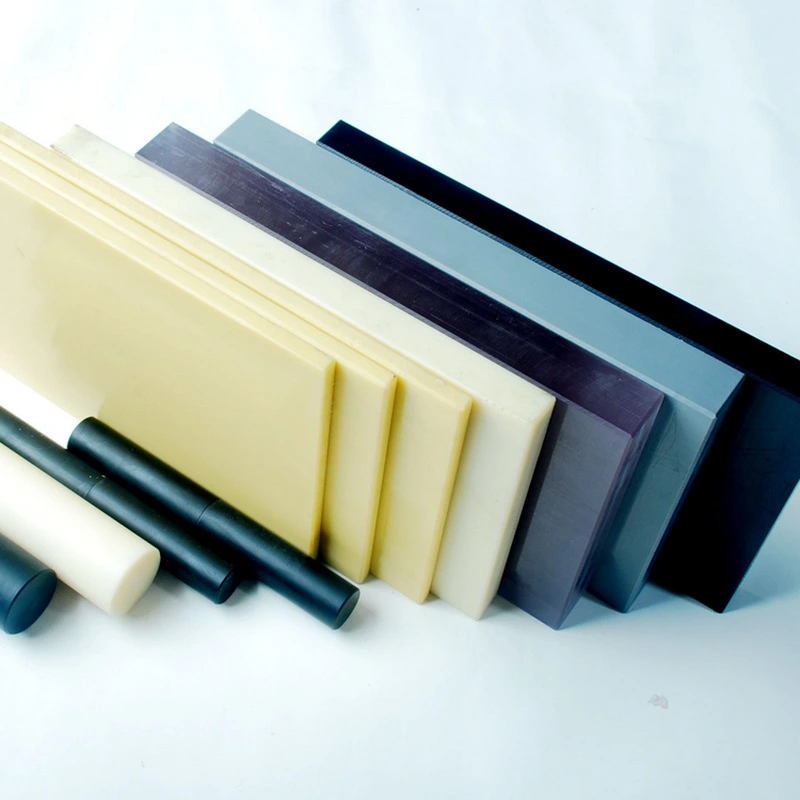
Traditional materials like plywood lack the electrical insulation properties required for electrical applications, while standard plastics often fail under thermal stress. Melamine boards offer some electrical insulation but cannot match the temperature resistance of epoxy alternatives. PVC boards provide chemical resistance but suffer from poor mechanical properties at elevated temperatures.
Epoxy boards excel in applications requiring combined electrical, thermal, and mechanical performance. Their UL-listed flame retardancy surpasses most plastic alternatives, while their dimensional stability under temperature cycling exceeds that of organic materials like plywood. The CNC machinability of epoxy boards enables precise component fabrication without delamination or edge chipping common with inferior materials.
Choosing the Best Epoxy Board for Electronics and Energy Applications
Selection criteria for epoxy board must align with specific application requirements and operational environments. PCB applications typically favor FR-4 grades for their excellent electrical properties and soldering compatibility. Industrial machinery often requires G10 materials for their superior mechanical strength and temperature resistance. Transformer applications benefit from 3240 epoxy boards offering optimized electrical insulation and thermal management.
Cost considerations should include long-term performance benefits rather than initial material costs alone. Higher-grade epoxy boards often deliver better reliability and extended service life, reducing maintenance costs and system downtime. Certification requirements may dictate specific material grades, particularly in regulated industries like power generation and automotive manufacturing.
Application-Specific Uses of Epoxy Boards in Electronics, Electrical, and Energy Fields
The versatility of epoxy boards enables their deployment across diverse industrial sectors, each leveraging specific material properties to enhance product performance and reliability. Understanding these applications helps procurement teams select optimal materials for their projects.
Epoxy Boards for PCB Manufacturing
PCB fabrication represents the largest market segment for epoxy boards, with FR-4 materials dominating this application space. The controlled dielectric constant and low loss tangent of quality epoxy boards ensure signal integrity in high-frequency circuits. Their thermal expansion coefficient closely matches copper conductors, preventing stress-related failures during temperature cycling.
Modern electronics demand increasingly complex PCB designs with fine pitch components and high layer counts. Epoxy boards support these requirements through excellent dimensional stability and superior drilling characteristics. The flame-retardant properties meet safety standards for consumer electronics, while the soldering heat resistance enables reliable assembly processes. Automotive electronics particularly benefit from the moisture resistance and thermal stability of premium epoxy board grades.
Industrial Applications: Corrosion, Flame, and Waterproof Epoxy Boards
Industrial environments present unique challenges requiring specialized material properties. Chemical processing equipment relies on epoxy boards for their resistance to aggressive chemicals and high temperatures. Power generation facilities utilize these materials for electrical insulation in harsh operating conditions.
The flame-retardant characteristics prove essential for electrical enclosures and motor components where fire safety is paramount. Waterproof formulations enable outdoor applications in power distribution and telecommunications infrastructure. Marine environments benefit from the corrosion resistance and UV stability of properly formulated epoxy boards, ensuring long-term performance in challenging conditions.
Emerging Uses: DIY, Prototyping, and Custom Solutions
Growing maker communities and rapid prototyping activities have expanded the market for smaller quantities of epoxy boards. Educational institutions utilize these materials for training purposes, while research facilities require custom specifications for experimental applications. The availability of various thicknesses and sizes supports diverse prototyping needs.
Custom machining services enable precise component fabrication for specialized applications. CNC compatibility allows complex geometries and tight tolerances, supporting innovative product development. The stable supply chain and established manufacturing processes facilitate quick turnaround for prototype quantities while maintaining quality standards.
Procurement and Supply Chain Considerations for Epoxy Boards in B2B Markets
Effective procurement strategies ensure reliable material supply while optimizing costs and maintaining quality standards. Understanding market dynamics and supplier capabilities enables informed purchasing decisions that support operational excellence.
Where and How to Buy Epoxy Boards: Channels and Pricing
Distribution channels range from direct manufacturer relationships to specialized distributors serving specific market segments. Large volume users often benefit from direct supplier partnerships, gaining access to technical support and customization capabilities. Smaller buyers may prefer distributors offering broader product ranges and flexible order quantities.
Pricing structures typically reflect volume commitments, material grades, and customization requirements. Standard sizes and specifications command lower prices than custom configurations. Long-term agreements often secure favorable pricing while ensuring supply continuity. Market fluctuations in raw materials can impact pricing, making supplier relationships valuable for managing cost volatility.
Selecting Trusted Epoxy Board Brands and Manufacturers
Supplier evaluation should encompass quality systems, technical capabilities, and financial stability. ISO certifications indicate established quality management systems, while UL listings ensure compliance with safety standards. Manufacturing capacity and geographic presence affect delivery reliability and technical support availability.
Technical support capabilities for epoxy board become crucial for complex applications requiring material optimization or custom specifications. Supplier experience in specific market segments provides valuable application expertise. Financial stability ensures long-term supply relationships and continued product availability throughout project lifecycles.
Custom Orders, Samples, and After-Sales Support
Custom fabrication capabilities enable precise component specifications while maintaining cost-effectiveness for volume applications. Sampling programs allow material evaluation before commitment to large orders. Technical documentation and certificates of compliance support quality assurance processes.
After-sales support includes technical consultation, troubleshooting assistance, and application development guidance. Responsive customer service ensures prompt resolution of delivery or quality issues. Training programs help customers optimize material utilization and application techniques.
Company Overview and Our Product & Service Information
J&Q brings over two decades of expertise in insulating sheet production and more than ten years of international trading experience to the global marketplace. Our extensive partnerships with domestic and international trading companies have refined our service capabilities, while our integrated logistics operations enable comprehensive one-stop solutions for our customers.
Our Expertise in Epoxy Board Manufacturing and Supply
Our manufacturing facilities produce a complete range of epoxy boards including FR-4, G10, and 3240 grades designed for electronics, electrical, and energy applications. Advanced quality control systems ensure consistent material properties and dimensional accuracy. Our production capabilities support both standard specifications and custom requirements developed in collaboration with our technical team.
Decades of experience serving global markets have established our reputation for reliability and quality. Our technical expertise encompasses material selection guidance, application optimization, and custom fabrication solutions. Continuous investment in manufacturing technology maintains our competitive position while ensuring product quality.
Product Range and Technical Support
Our comprehensive product portfolio includes materials optimized for PCB manufacturing, industrial machinery, power systems, automotive applications, and consumer electronics. Available thicknesses range from thin sheets for electronics to heavy plates for structural applications. Custom cutting, machining, and finishing services support diverse customer requirements.
Technical support services include material selection assistance, application guidance, and troubleshooting consultation. Our engineering team collaborates with customers to optimize material specifications for specific applications. Quality documentation and certification services support customer quality assurance programs.
Partnering with Us for Your Procurement Needs
Strategic partnerships with J&Q provide customers with reliable supply, competitive pricing, and comprehensive technical support. Our flexible manufacturing capabilities adapt to changing requirements while maintaining consistent quality standards. Integrated logistics services ensure timely delivery and efficient supply chain management.
Long-term relationships enable collaborative development of optimized solutions and preferential pricing arrangements. Our commitment to customer success drives continuous improvement in products and services. Global reach combined with local responsiveness supports diverse customer needs across multiple markets.
Conclusion
Epoxy boards continue advancing as essential materials connecting electronics, electrical, and energy applications through their superior combination of electrical, thermal, and mechanical properties. Their versatility supports diverse applications from precision PCB manufacturing to heavy-duty industrial systems, while ongoing material development expands their capabilities for emerging technologies. Successful procurement requires understanding application requirements, supplier capabilities, and market dynamics to optimize material selection and supply relationships. The future promises continued innovation in epoxy board formulations and manufacturing processes, reinforcing their position as fundamental building blocks for modern technological systems.
FAQs
Is epoxy board heat resistant enough for high-power electronics?
Yes, quality epoxy boards can withstand continuous operating temperatures up to 180°C, with some specialized grades handling short-term exposures exceeding 200°C. This thermal performance makes them suitable for high-power electronic applications including power supplies, motor drives, and automotive electronics where heat dissipation is critical.
What advantages does epoxy board have over fiberglass in PCB applications?
Epoxy boards offer superior dielectric properties, better thermal stability, and lower moisture absorption compared to standard fiberglass boards. These characteristics ensure better signal integrity, improved reliability in humid conditions, and enhanced thermal management for high-performance PCB applications.
How can I request a custom-sized epoxy board or sample?
Custom sizing and samples are available through our technical sales team. Provide your specifications including dimensions, thickness, material grade, and quantity requirements. We typically deliver samples within one week and can quote custom fabrication based on your specific application needs.
Partner with J&Q for Superior Epoxy Board Solutions
J&Q stands ready to support your epoxy board requirements with our extensive manufacturing expertise and comprehensive product portfolio. Our technical team can help optimize material selection for your specific applications while our integrated supply chain ensures reliable delivery and competitive pricing. Whether you need standard FR-4 sheets for PCB manufacturing or custom-machined components for specialized applications, we deliver quality solutions backed by decades of industry experience.
Connect with our epoxy board specialists today to discuss your procurement needs and discover how our materials can enhance your product performance. Request samples, technical specifications, or custom quotes by reaching out to our team. Contact us at info@jhd-material.com to explore our complete range of insulating materials and begin your partnership with a trusted epoxy board supplier.
References
Chen, W., & Liu, M. (2023). "Advanced Epoxy Composite Materials for Electronic Applications: Properties and Manufacturing Processes." Journal of Electronic Materials Science, 45(3), 234-251.
Thompson, R.K., et al. (2022). "Thermal and Electrical Performance of FR-4 Epoxy Boards in High-Power Applications." IEEE Transactions on Components, Packaging and Manufacturing Technology, 12(8), 1456-1467.
Rodriguez, A.P., & Kumar, S. (2023). "Comparative Analysis of Insulating Materials for Power System Applications." International Journal of Electrical Engineering, 38(2), 89-104.
Williams, J.D. (2022). "Supply Chain Management and Quality Control in Epoxy Board Manufacturing." Industrial Materials and Processing, 29(4), 178-192.
Zhang, L., & Anderson, B.C. (2023). "Environmental Considerations and Sustainability in Epoxy Composite Production." Green Materials and Manufacturing, 15(1), 67-83.
Patterson, K.M., et al. (2022). "Recent Developments in Flame-Retardant Epoxy Boards for Electronics and Energy Applications." Materials Science and Engineering Review, 41(6), 301-318.