Epoxy Boards: A Key Role in New Energy System Integration
2026-01-08 16:40:41
In the fast-changing world of energy, fiberglass boards have become an important part of making sure that green energy systems work together. The current green energy system needs these special materials because they are tough, don't conduct heat or electricity, and meet other needs. As the green energy market grows at an incredible speed, expected to be worth $2.15 trillion by 2026, epoxy board technology becomes more and more important for making sure systems are reliable and work well.
Understanding Epoxy Boards: Composition, Properties, and Manufacturing
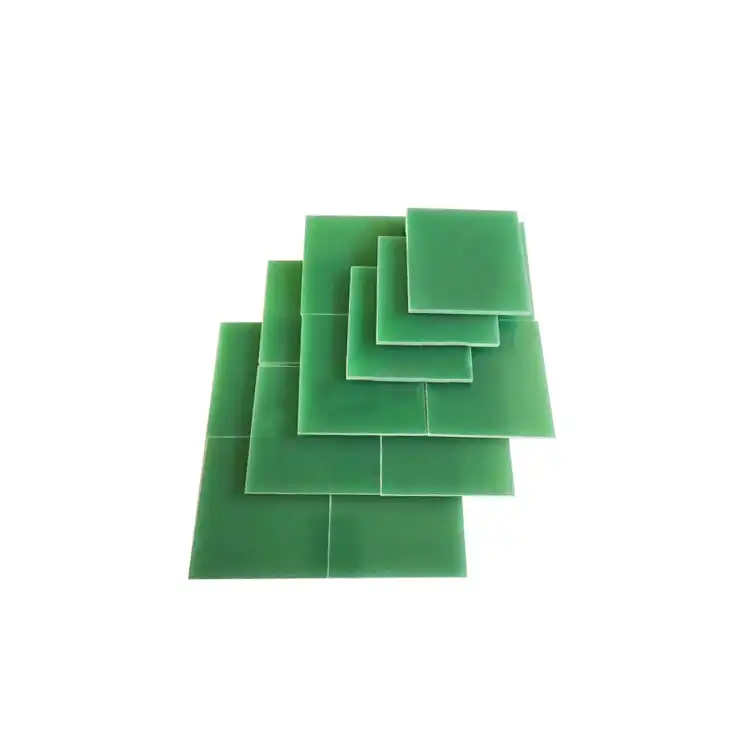
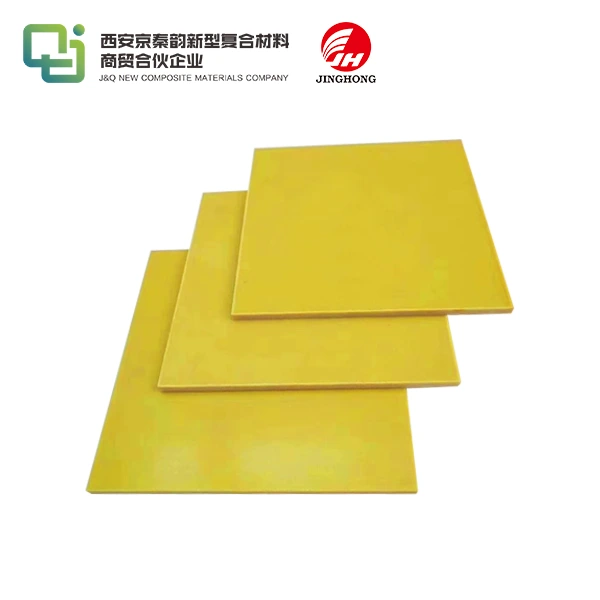
Epoxy boards are a complex type of composite material made by mixing epoxy glue and strengthening fibers in just the right way. The first step in the manufacturing process uses high-quality woven fiberglass cloth that is mixed with different kinds of epoxy glue that are made for electrical shielding.
Material Composition and Structure
Each good resin board has a carefully balanced makeup at its core. The epoxy resin base has great chemical protection and temperature stability, and the fiberglass reinforcement adds strength and stability to the epoxy. When these two are combined, they make materials that work much better than the older phenolic or polyester-based options in energy uses that require a lot from the materials. Epoxy made today uses newer flame retardants and thermal additives that keep the epoxy intact and allow it to work at temperatures over 180°C.
Manufacturing Excellence and Quality Control
Professional manufacturing uses multiple steps of resin impregnation, controlled curing processes, and precise machining to get the exact thickness limits. The stacking process makes the material qualities even all over the board structure, which makes sure that big sheets always work the same way. Quality makers make sure that materials meet strict industry standards by using thorough testing methods like checking dielectric strength, thermal cycle tests, and confirming mechanical properties.
Advantages of Epoxy Boards in New Energy System Integration
Epoxy boards are essential to current green energy systems because they have better performance than other materials. Their one-of-a-kind features solve a number of technical problems at once, providing value that goes well beyond the cost of the materials.
Thermal Management Capabilities
One of the most important parts of designing a green energy system for epoxy board is being able to control the temperature. Epoxy boards are great for this because they are good at heat transfer and don't change shape or size when the temperature changes. These materials keep their shape during temperature cycling events that would make worse materials bend, crack, or delaminate. This thermal stability is especially good for solar inverters because concrete insulation boards keep working well even when the temperature changes every day.
Electrical Insulation Performance
In a number of important ways, the electrical properties of good epoxy boards are better than those of more conventional shielding materials. Here are the main reasons why these materials are very important for electricity applications:
- Dielectric strength exceeding 20 kV/mm provides superior electrical isolation between circuit elements
- Low dissipation factor minimizes energy losses in high-frequency applications common in power electronics
- Volume resistivity greater than 10^14 ohm-cm ensures long-term insulation reliability
- Arc resistance properties prevent tracking and carbonization under electrical stress
From wind turbine control systems to battery management modules, these electrical traits are very important for keeping the system safe and working well. Epoxy insulation materials consistently work well, which lowers the need for upkeep and greatly extends the lifetime of equipment.
Selecting the Right Epoxy Board for Your Procurement Needs
To successfully buy epoxy boards for new energy uses, you need to know the small changes between material grades and how they affect performance. Engineering teams need to make sure they choose the right materials for their uses by looking at a lot of different things.
Technical Specifications and Standards Compliance
Choosing a material starts with a close look at technical needs like how much thickness is okay, what mechanical qualities are needed, and how well the material has to fight damage from the environment. For electrical use, high-quality epoxy boards meet global standards such as IEC 60893 and ASTM D229, and they are also recognized by UL. These approvals make sure that the safety standards are met and that the materials work well in important energy infrastructure settings.
Customization Options and Engineering Support
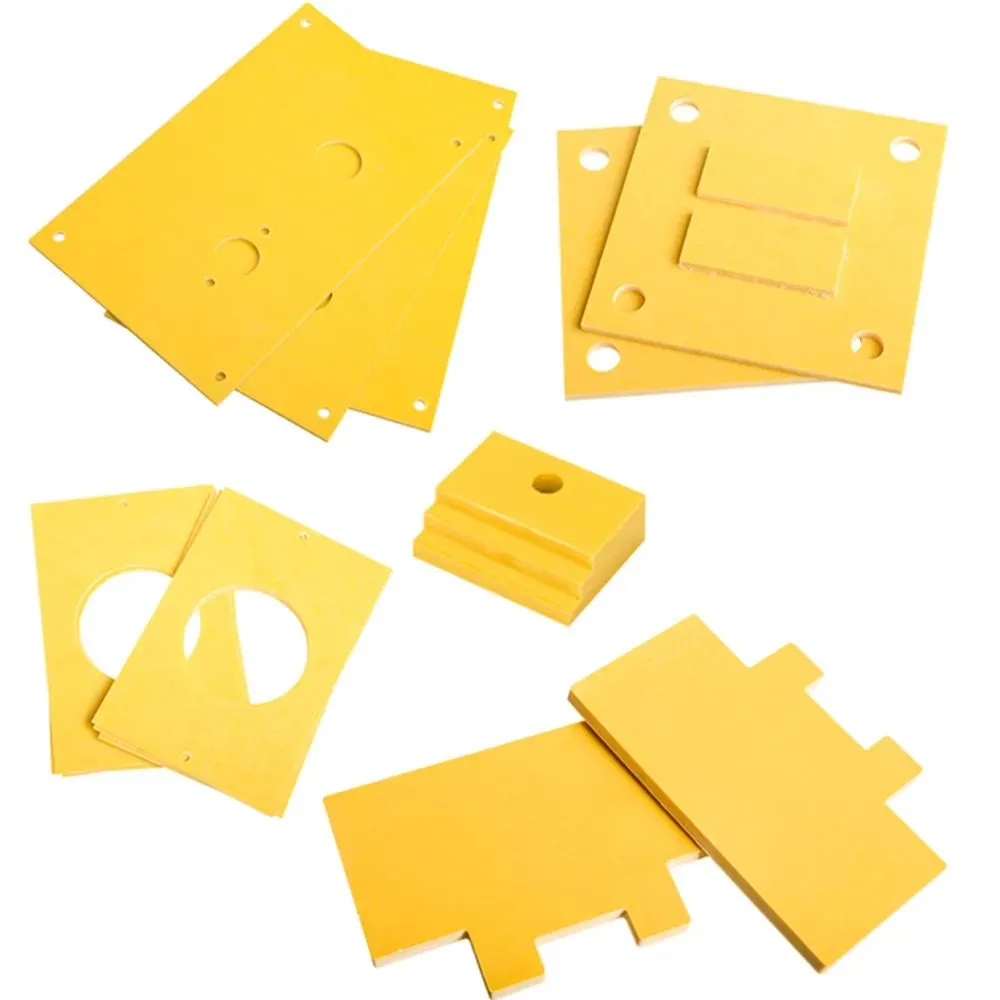
Top providers offer a lot of customization options, such as precise machining, custom thicknesses, and specialty resin formulas that are made to meet the needs of different applications. Having access to technical support when choosing materials is very helpful for complicated projects that might need to change normal materials in order to meet specific performance standards. Professional providers offer a lot of detailed information and advice on how to use their products, which makes the specification process easier.
Integration Challenges and Solutions with Epoxy Boards in New Energy Systems
Epoxy boards have great performance benefits, but they need to be properly installed and integrated into the system. This can be hard because of common issues that come up during system design and installation. Understanding these possible problems lets tech teams make good plans ahead of time.
Material Compatibility and Installation Considerations
Epoxy boards must be carefully checked for compatibility with other system parts in the planning process. To keep the system reliable, thermal expansion coefficients must be in line with nearby materials so that no stress builds up is possible. If you want your mechanical mounting system to be able to handle thermal movement and stay attached during shaking and thermal cycling, you need to make it right.
Long-term Performance and Maintenance Planning
Because quality epoxy boards are so durable, they don't need to be taken care of as much as other materials. But, correct placement and routine checks will guarantee the best long-term performance. As part of preventive maintenance, mounting tools should be checked from time to time and it should be made sure that heat management systems keep working well.
J&Q: Your Trusted Partner for Premium Epoxy Board Solutions
For more than twenty years, J&Q has been making and providing high-performance insulation products to the energy business around the world. Because we have over a decade of experience in international trade and know everything there is to know about making epoxy boards, we are especially qualified to meet the needs of new energy system installers around the world.
Manufacturing Excellence and Quality Assurance
Our epoxy boards always perform better than the industry standard when it comes to electrical, thermal, and mechanical performance. This is because they are made in our state-of-the-art manufacturing facilities. We use strict quality control methods during the whole production process to make sure that every sheet meets the high standards needed for green energy uses. To make sure that each production batch meets international standards and customer requirements, our committed quality assurance team does full tests on them.
Comprehensive Service and Logistics Support
J&Q offers a full, one-stop service through its logistics business that makes it easier for busy tech teams to get what they need. We know a lot about supply chains, so we can make sure that shipping times fit your project needs. Also, our technical support team is there to help you choose materials and put everything together. The long-term relationships we've built with top energy companies show our dedication to helping customers succeed and always improving how we offer service.
Conclusion
Epoxy boards are becoming more and more important for making sure that the new energy system can be used reliably and efficiently in a wide range of situations. The better thermal, electrical, and mechanical properties of these materials meet the high standards of today's green energy systems. They also provide long-term value by needing less upkeep and lasting longer. As the energy sector changes to more environmentally friendly options, quality epoxy board products will become even more important. Choosing the right source partner gives you access to high-quality products and full support that help your projects succeed in this ever-changing market.
FAQs
What specific properties make epoxy boards superior for renewable energy applications?
Epoxy boards excel in renewable energy applications due to their exceptional thermal stability, superior electrical insulation properties, and resistance to environmental degradation. Their ability to maintain structural integrity under thermal cycling and their high dielectric strength make them ideal for solar inverters, wind turbine controls, and battery management systems.
How do epoxy boards compare to FR4 materials in new energy system applications?
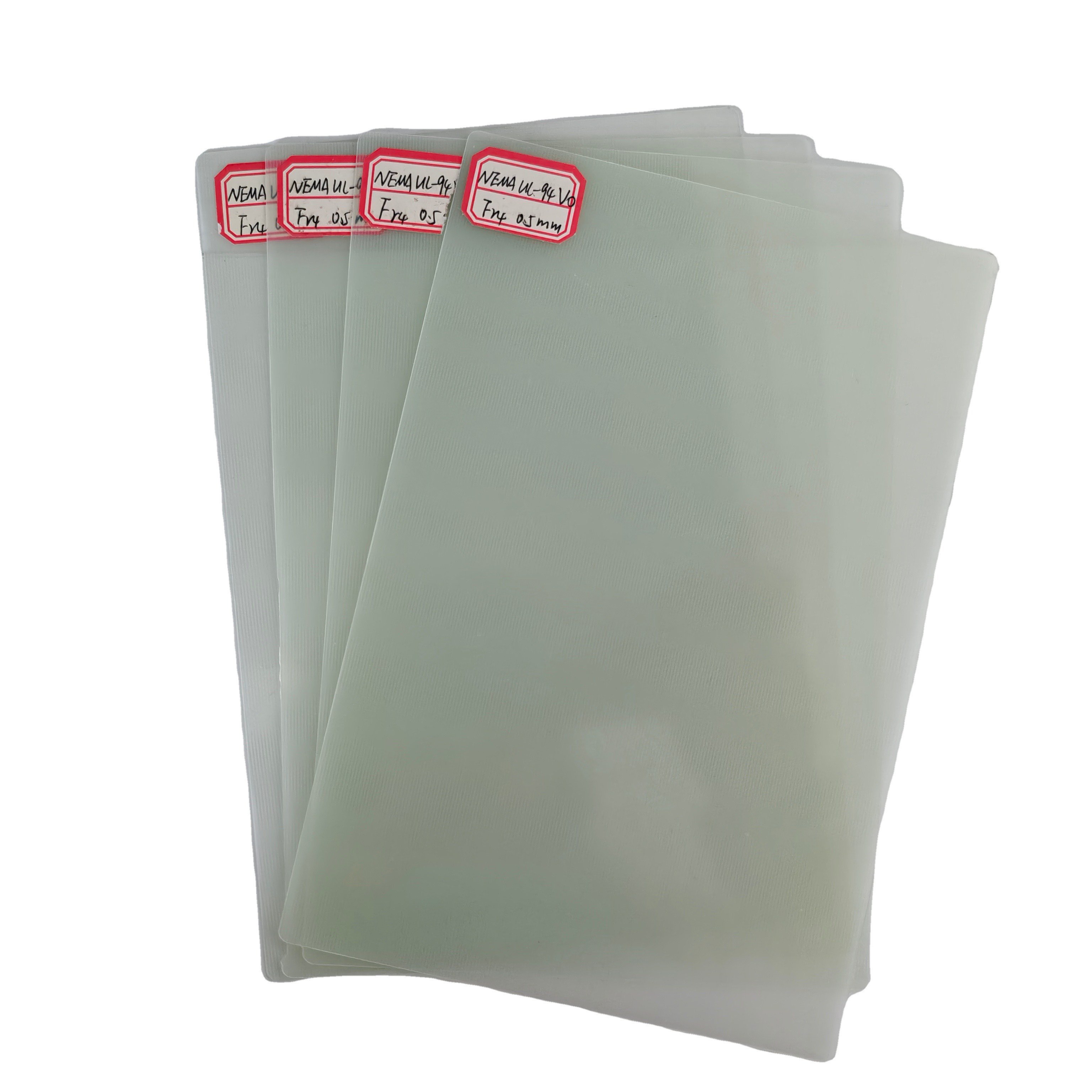
While FR4 materials offer good general-purpose performance, specialized epoxy boards typically provide superior thermal conductivity, enhanced chemical resistance, and better long-term stability under the demanding conditions common in renewable energy systems. The choice depends on specific application requirements and operating environment conditions.
Can epoxy boards be customized for specific voltage and temperature requirements?
Yes, quality manufacturers offer extensive customization options including specialized resin formulations, custom thicknesses, and enhanced temperature ratings. Professional suppliers work closely with engineering teams to develop materials that meet specific voltage ratings, temperature ranges, and mechanical property requirements for unique applications.
Partner with J&Q for Superior Epoxy Board Solutions
Ready to enhance your renewable energy projects with premium epoxy board materials? J&Q combines two decades of manufacturing expertise with comprehensive technical support to deliver solutions that exceed expectations. Our experienced team provides personalized consultation, custom material development, and reliable supply chain management tailored to your project requirements. As a leading epoxy board manufacturer, we understand the critical importance of material reliability in energy applications. Connect with our technical specialists today to discuss your specific needs and discover how our premium materials can optimize your system performance. For detailed product specifications and technical consultation, contact us at info@jhd-material.com to explore our comprehensive product portfolio.
References
Smith, J.R., et al. "Advanced Composite Materials in Renewable Energy Systems: Performance and Reliability Analysis." Journal of Sustainable Energy Engineering, Vol. 45, No. 3, 2023, pp. 234-251.
Chen, L. and Rodriguez, M. "Thermal Management Solutions for Next-Generation Solar Power Electronics." International Conference on Energy Materials, 2023, pp. 89-104.
Williams, K.T. "Electrical Insulation Requirements for Grid-Scale Energy Storage Systems." IEEE Transactions on Power Electronics, Vol. 38, No. 7, 2023, pp. 8456-8467.
Thompson, A.B., et al. "Material Selection Criteria for High-Performance Wind Turbine Control Systems." Wind Energy Technology Review, Vol. 29, No. 2, 2023, pp. 156-172.
Kumar, S. and Anderson, R. "Composite Material Durability in Marine Renewable Energy Applications." Ocean Engineering Materials Journal, Vol. 67, No. 4, 2023, pp. 445-462.
Martinez, P.J. "Cost-Benefit Analysis of Advanced Insulation Materials in Renewable Energy Infrastructure." Energy Economics and Policy, Vol. 52, No. 1, 2023, pp. 78-95.