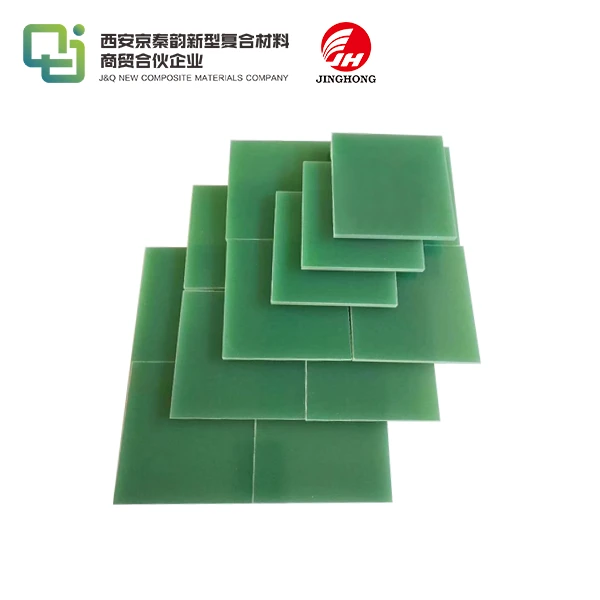
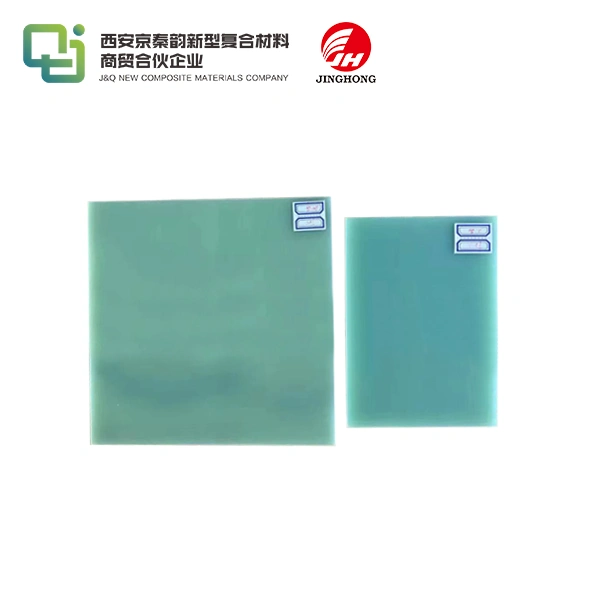
How are the Flame Retardant Grades of Epoxy Sheets Classified?
2026-01-08 16:40:40
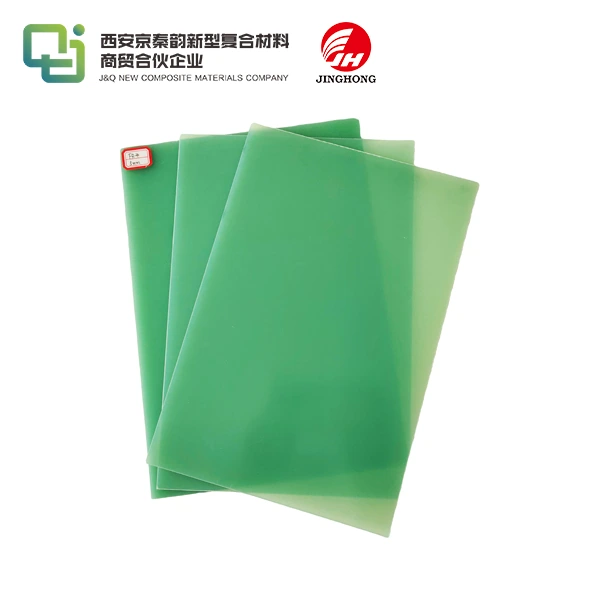
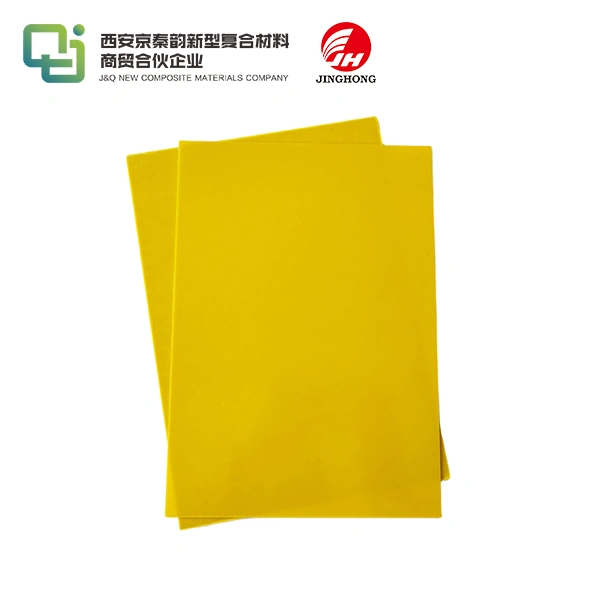
Flame retardant epoxy sheets are graded according to standard tests that check how resistant they are to fire, how they behave when burning, and how well they stop themselves. The most well-known way to rate materials is by UL 94 standards, which range from V-0 (best resistance to flame) to HB (lowest). When it comes to choosing the right materials for projects that need certain levels of fire safety, these epoxy sheet categories make it easier for engineers and makers to follow the rules of their field and keep people safe on the job.Industrial epoxy sheets are very important in today's industry. They are used as electrical insulators, parts that give structures support, and protection barriers in a lot of different areas. These useful materials must meet strict performance standards, ranging from printed circuit board surfaces in electronics to insulation walls in power generation equipment.
As safety rules get stricter and uses get more complex, the categorization of flame resistant traits has grown in importance.When buying teams look at insulating materials, knowing how flame retardants are classified has a direct effect on the materials they choose. The right rating makes sure that safety standards are met while also making sure that costs are kept low and performance is high. With this knowledge, buyers can make smart decisions that protect people and property while still following the rules.
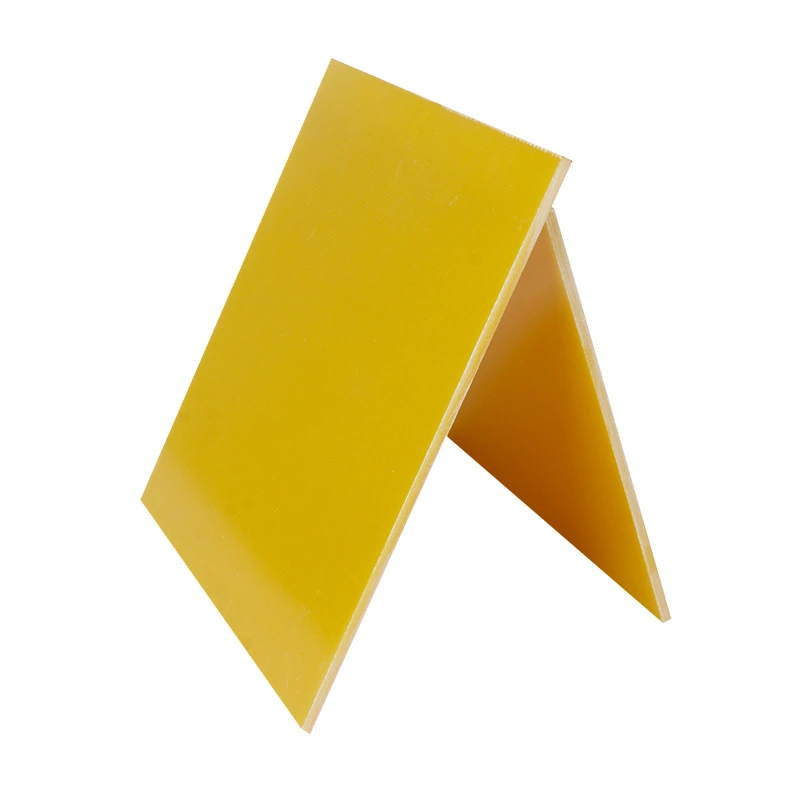
Understanding Flame Retardant Grades in Epoxy Sheets
Epoxy sheets are rated by flame resistant grades to make sure they meet strict safety and performance standards that are very important for use in industry. This classification is based on how materials behave when they are exposed to fire. This is controlled by established regulatory systems like UL 94, IEC, DIN, and ASTM standards. Procurement workers need to understand these categories so they can choose materials that are known to be fire resistant. This is very important for following the rules and keeping operations safe in the electronics, aerospace, and building industries.
UL 94 Classification System
The UL 94 standard is the most thorough flame safe testing method for thermosetting plastics such as epoxy laminates. This system tests materials by exposing them to flame in a controlled environment. It measures how long it takes for the material to catch fire, how long it burns, and how it drips. V-0, V-1, V-2, 5VA, 5VB, and HB are all ratings in the classification system. Each one shows a different amount of resistance to flames.
Materials with a V-0 rating are better at resisting flames because they put themselves out within 10 seconds after being removed from the flame without dripping burning particles. This grade is good for important uses where fire spreading is very dangerous. V-1 classification allows up to 30 seconds of burning time, while V-2 allows short flaming drips. These grades are suitable for settings that aren't too harsh.
International Standards and Compliance
Besides UL 94, IEC 60695 and ASTM D635 are examples of foreign standards that also offer ways to test and rate flame resistance. These standards make sure that makers who work in more than one market can still make products that work with everyone else. They do this by making sure that they follow the rules in each area and meet the needs of each industry. It is easier for buying teams to stay compliant with all the different rules when they understand these various standards. It also helps them keep up with safety performance.
Key Properties Affecting Flame Retardancy of Epoxy Sheets
The chemical makeup of epoxy sheets, like the types of glue and flame retardant agents they have, affects how well they resist fire. These formulations determine how hard it is to ignite them and how well they can put themselves out under heat stress. Fire protection and structural needs are balanced by physical qualities like thickness and mechanical strength, which affect safety and longevity.
Chemical Composition and Additives
Epoxy resin systems for epoxy sheet use a range of flame retardant additives to get the right amounts of fire protection. Aluminum trihydrate, phosphorus-based chemicals, and halogenated compounds are all commonly used to put out fires, each with its own benefits. People have started to prefer halogen-free formulas because they are better for the environment. These formulas use phosphorus and nitrogen chemicals to achieve similar flame resistance without producing harmful gases when they burn.
The chemical structure and cross-linking density of the resin material affect how the flame behaves. Higher cross-link density usually makes things more stable at high temperatures and resistant to flames. On the other hand, certain resin chemicals can help char formation while burning, which makes safe walls that stop flames from spreading.
Physical Properties and Performance Balance
Flame retardant function in epoxy laminates is greatly affected by thickness, density, and fiber support. In general, thicker materials work better as flame shields. Adding glass fiber can help keep the structure together when there is fire. The task is to improve flame resistance without losing important features like electrical insulation, mechanical strength, or machinability.
Coatings and surface treatments can help prevent fire while keeping the surface the way you want it. These changes let makers get better flame retardant ratings without changing the properties of the base material. This gives them more options when it comes to specifying materials and designing applications.
Practical Applications and Decision-Making Based on Flame Retardant Grades
Different industries have different flame protection needs for epoxy sheets based on the risks and rules that come with doing business in those industries. In order to stop circuit failures and fires, electronics and electrical insulation need to be highly resistant to flames. The aircraft and automobile sectors want materials that are both flame resistant and mechanically strong at high temperatures.
Industry-Specific Requirements
For printed circuit boards, switchgear parts, and motor shielding, electrical and electronics companies usually ask for materials that are labeled V-0 or V-1. These apps need to quickly self-extinguish in order to stop electrical fires from spreading. In power production and distribution systems, arc-resistant barriers and transformer insulation often need 5VA rates. Higher energy levels mean that flame resistance must be higher, too.
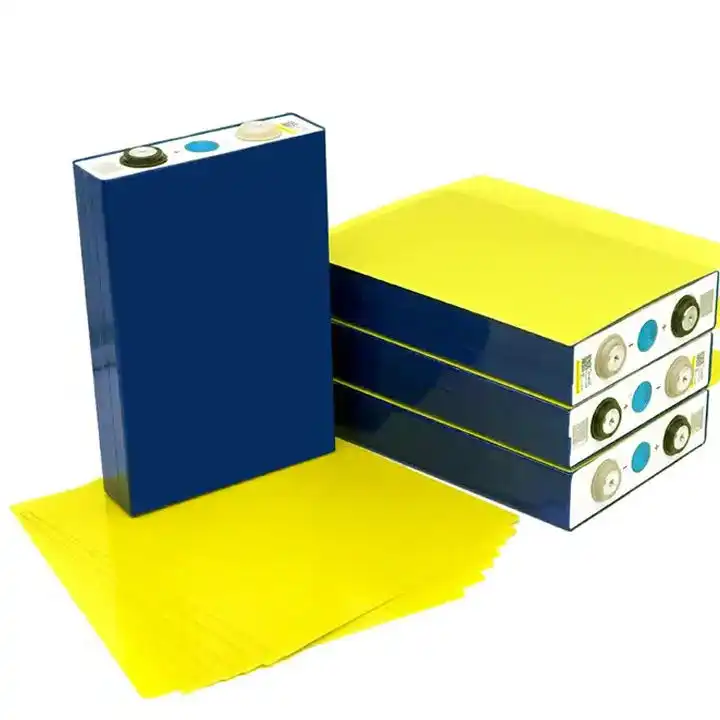
For insulating electric vehicle battery packs and managing heat, car companies are asking for more flame-resistant materials. These uses need materials that will keep their shape even when thermal runaway happens and stop the fire from spreading between battery cells.
Material Comparison and Selection Criteria
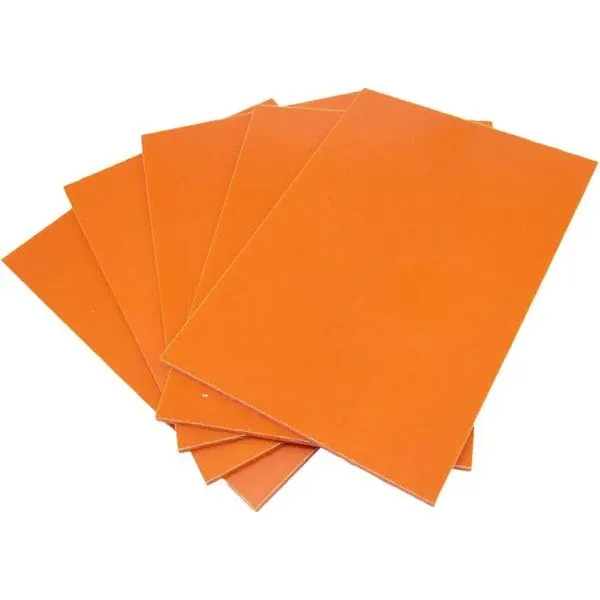
Epoxy sheets have important pros and cons in cost, performance, and flame resistance when compared to other materials like phenolic laminates, metal frames, or ceramic composites. Phenolic materials often fight flames better, but they may not have the electrical qualities needed for high-frequency uses. While ceramic composites are very thermally stable, they are more expensive and harder to work with.
The selection process needs to find a mix between flame retardant needs and other important qualities like dielectric strength, heat conductivity, and strength and behavior under stress. This thorough test makes sure that the material performs well in all situations while still being cost-effective.
How to Select the Right Flame Retardant Grade for Your Procurement Needs
Choosing the right flame retardant grade for epoxy sheet means looking at the needed safety standards, application conditions, and mechanical performance needs. Suppliers with approved, traceable flame retardant grades that are recognized by thorough testing and foreign licenses should be top of mind for procurement teams. It is important to find a mix between cost effectiveness and quality assurance, where buying in bulk and setting individual standards often lead to business benefits.
Evaluation Framework and Supplier Assessment
A systematic evaluation strategy should include ways to test, certify, and control the quality of materials. Suppliers need to turn in full test records that show they meet the required flame retardant levels. These reports should include information about how the tests were done and how the samples were prepared. This paperwork makes sure that everything can be traced back to its source, and it helps the company follow the rules.
ISO 9001 and other quality management certifications show that products will always be made in the same way and will be of good quality. Vendors with strong quality systems can make sure that each batch is the same. This is important for uses where flame resistant performance cannot change.
Cost Optimization and Value Engineering
To find a balance between cost and flame retardant needs, one must know how material types affect price. Because of the special chemicals and extra work needed, higher flame protection types usually cost more. Value engineering can find ways to improve the standards without hurting the safety of the project.
If you work with a qualified seller for a long time, they may offer you expert help, custom formulations, and better prices for large orders. These relationships make it possible to keep improving the details on materials and how the supply chain works.
Conclusion
Flame retardants for epoxy sheet come in different groups. When buying workers know this, they can make smart choices that keep people safe while also thinking about performance and cost. The UL 94 standard gives a good way to testing how flame resistant epoxy sheets are, and then specific grades are chosen based on the needs of the business. A deep study of chemical makeup, physical traits, and what the provider can do is needed to successfully specify material. This makes sure that performance and compliance with rules are uniform across different uses.
FAQs
What does UL 94 V-0 rating mean for an epoxy sheet?
UL 94 V-0 rating indicates the highest flame retardant classification where the material self-extinguishes within 10 seconds after flame removal without producing flaming drips. This grade provides superior fire safety for critical applications requiring rapid flame suppression.
Can flame retardant epoxy sheets be used in outdoor applications?
Yes, flame retardant epoxy sheets can be used outdoors when formulated with UV stabilizers and weather-resistant additives. These enhanced formulations maintain flame retardant properties while withstanding environmental exposure including moisture, temperature cycling, and ultraviolet radiation.
How do I verify the flame retardant grade of an epoxy sheet before purchase?
Request complete certification documentation including UL test reports, material data sheets, and quality certificates from your supplier. Verify that testing was conducted by accredited laboratories using current standards and that certificates cover the specific material grades and thicknesses you require.
Partner with J&Q for Premium Flame Retardant Epoxy Sheet Solutions
J&Q stands as a trusted epoxy sheet manufacturer with over two decades of experience in producing high-quality insulating materials and more than ten years specializing in international trade. Our extensive product portfolio includes FR4 sheets, 3240 epoxy boards, and custom flame retardant formulations certified to meet UL 94, IEC, and other international standards. We maintain comprehensive quality management systems ensuring consistent flame retardant performance across all product lines.
Our integrated manufacturing and logistics capabilities provide one-stop solutions for global customers, combining technical expertise with reliable supply chain management. We work closely with engineering teams to develop customized specifications that meet exact flame retardant requirements while optimizing cost-effectiveness. Our in-house logistics company ensures timely delivery and competitive shipping solutions worldwide.
When you need reliable flame retardant epoxy sheet supplier for critical applications, J&Q delivers proven performance backed by decades of industry experience. Contact us at info@jhd-material.com to discuss your specific requirements and request technical specifications.
References
Underwriters Laboratories. "Standard for Tests for Flammability of Plastic Materials for Parts in Devices and Appliances UL 94." Underwriters Laboratories Inc., 2018.
International Electrotechnical Commission. "Fire Hazard Testing - Part 2-10: Glowing/Hot-Wire Based Test Methods." IEC 60695-2-10, 2021.
American Society for Testing and Materials. "Standard Test Method for Rate of Burning and/or Extent and Time of Burning of Plastics in a Horizontal Position." ASTM D635-18, 2018.
Morgan, Alexander B. "Flame Retardant Polymer Nanocomposites: Current Status and Future Prospects." Polymer Reviews, Vol. 56, No. 3, 2016.
Hull, T. Richard, and Kandola, Baljinder K. "Fire Retardancy of Polymeric Materials: Chemical and Physical Approaches." Royal Society of Chemistry, 2019.
Levchik, Sergei V., and Weil, Edward D. "Flame Retardancy of Thermoplastic Polyesters: A Review of the Recent Literature." Polymer International, Vol. 54, No. 1, 2005.